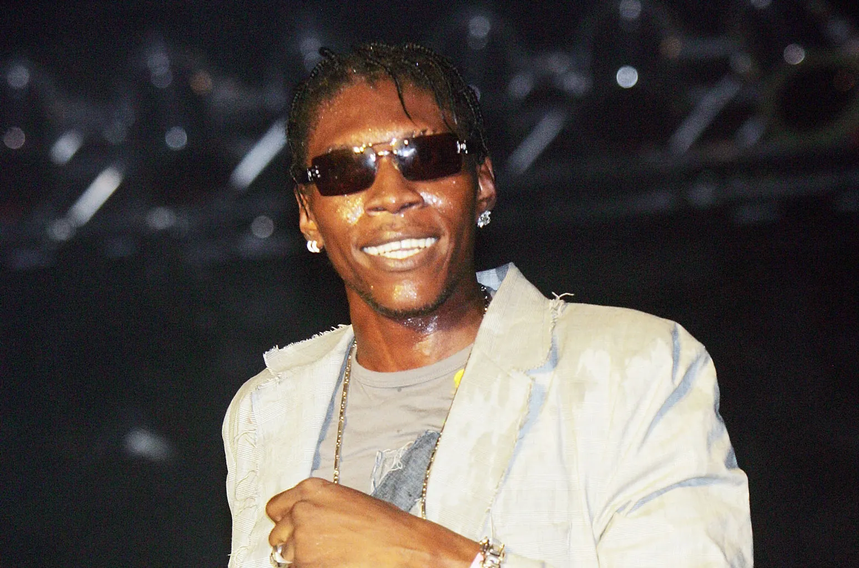

Here is the angle most people are sleeping on: it is not what Vybz Kartel has already done that has Professor Donna Hope talking, it is what she believes he has not done yet.
The University of the West Indies professor, one of the most respected voices in Caribbean cultural studies, has put out a direct challenge to the Worl’boss, and it is not a small one.
Hope’s argument is that Kartel, born Adidja Palmer, now carries something most artists never get, which is a lived story with real weight behind it.
Thirteen years inside a Jamaican prison, a global fanbase that never stopped streaming his music, a legal battle that stretched across years and courts, and then a return to freedom that felt like something out of a film. That kind of biography does not just make for good interviews.
According to Hope, it makes for the kind of album that listeners reach for when their own lives get hard.
The professor is not dismissing what Kartel has already released since his release. He has dropped track after track, keeping pace with the current dancehall landscape and proving his commercial instincts are still sharp.
But Hope is drawing a distinction between hits and a body of work that defines a career, something with emotional depth that outlasts any chart cycle.
It is a fair challenge to raise, and it is also a slightly uncomfortable one for a fanbase that has been celebrating every new release.
Some listeners feel Kartel has already secured his legacy many times over, pointing to catalogue cuts from the mid-2000s through to the early 2010s that still dominate playlists and sound systems across the Caribbean and its diaspora.
For them, the idea that his most defining work is still ahead sounds almost like a slight dressed up as a compliment.
But Hope’s point seems to be about intention rather than talent. Kartel has never lacked the latter.
What she appears to be pushing for is an album built around the full arc of what he has been through, not just a collection of songs that fit the moment, but a project that uses his story as the actual architecture.
That is a different creative ask, and it is one that very few artists in any genre actually answer.
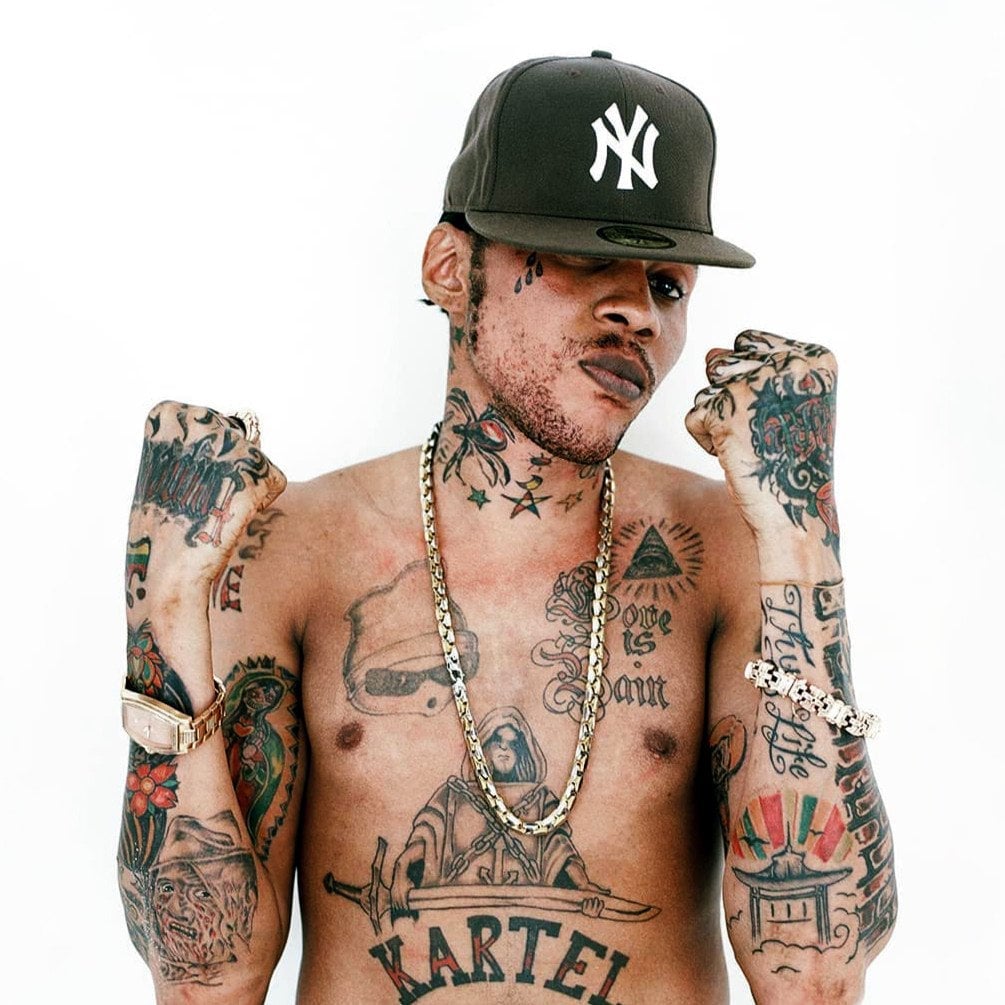
Dancehall as a form has historically rewarded velocity, the next riddim, the next collab, the next viral moment.
A deeply personal, thematically coherent album sits slightly outside that tradition, which is part of what makes Hope’s challenge interesting.
She is essentially asking whether Kartel wants to operate inside the genre’s usual logic or step outside it for something that lasts longer.
Kartel has not publicly responded to the professor’s comments, and his team has not indicated any specific album project of that nature is in the works.
His social media presence and recent releases suggest he is focused on staying active and relevant in the current dancehall conversation.
Whether that energy eventually turns toward something more deliberate is still an open question.