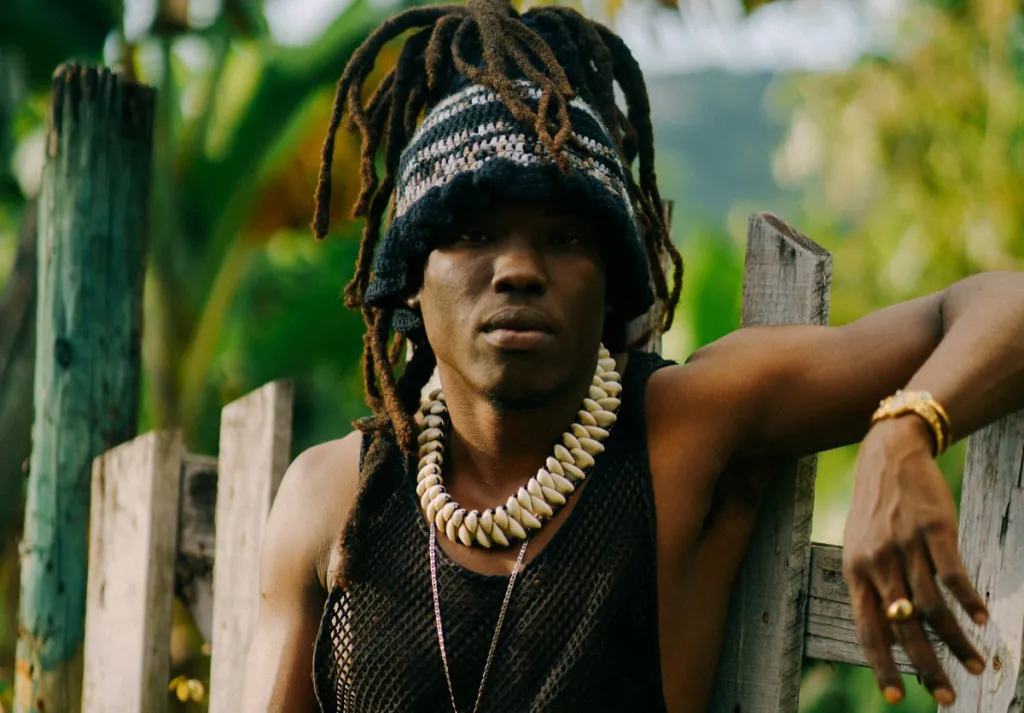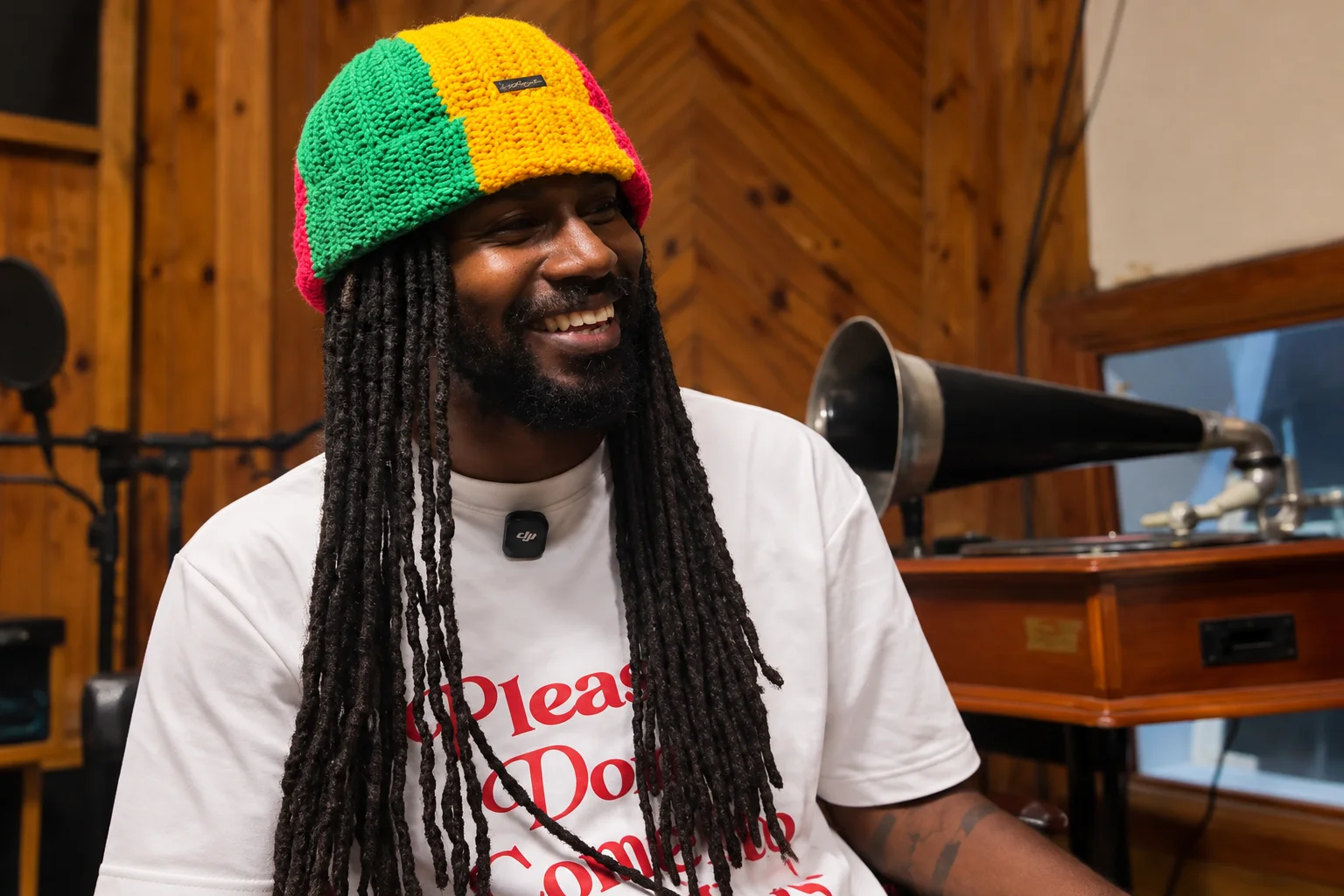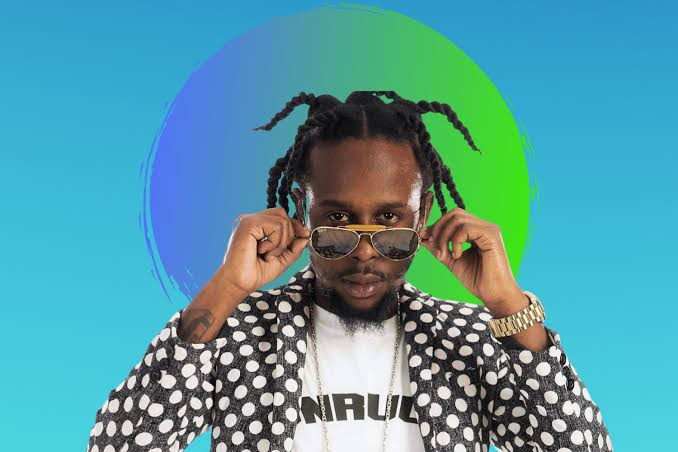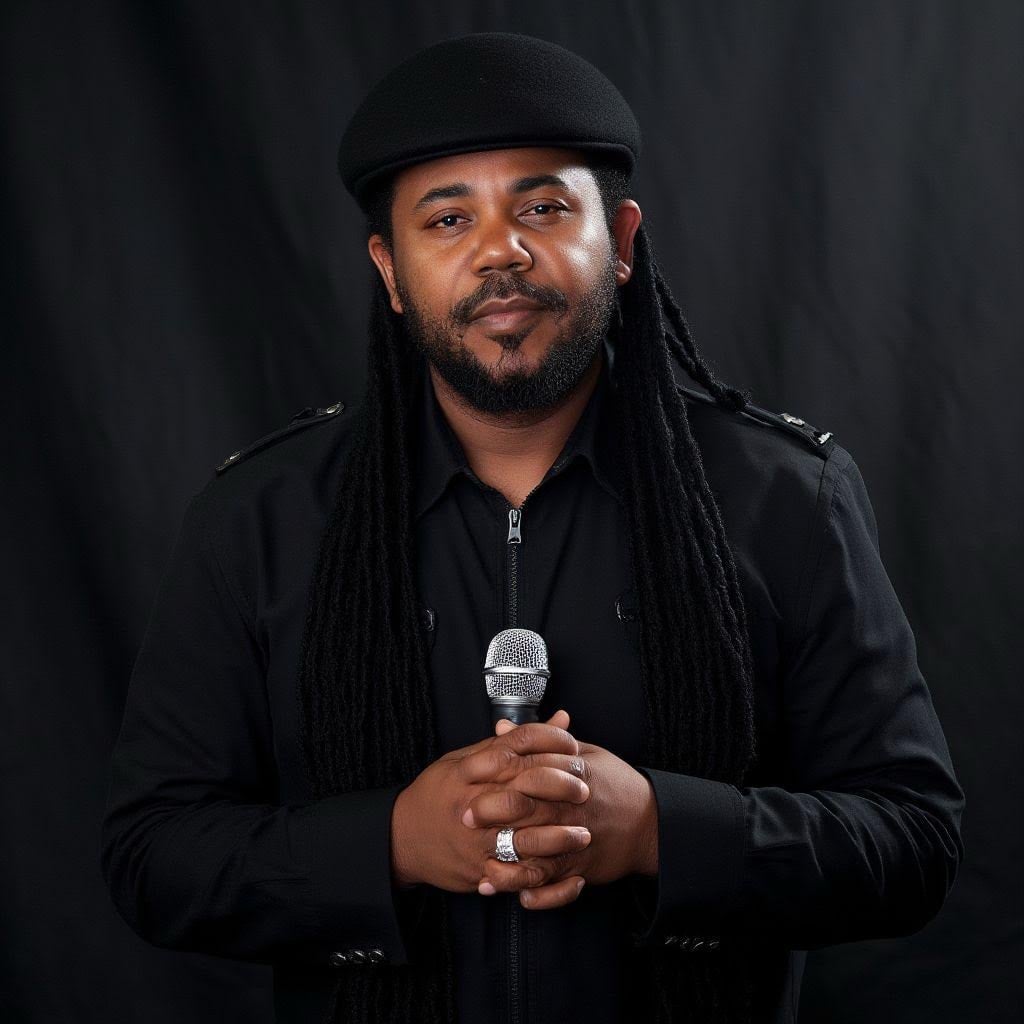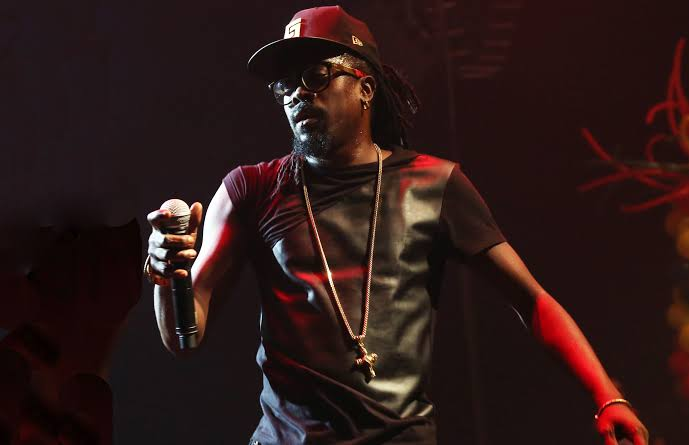
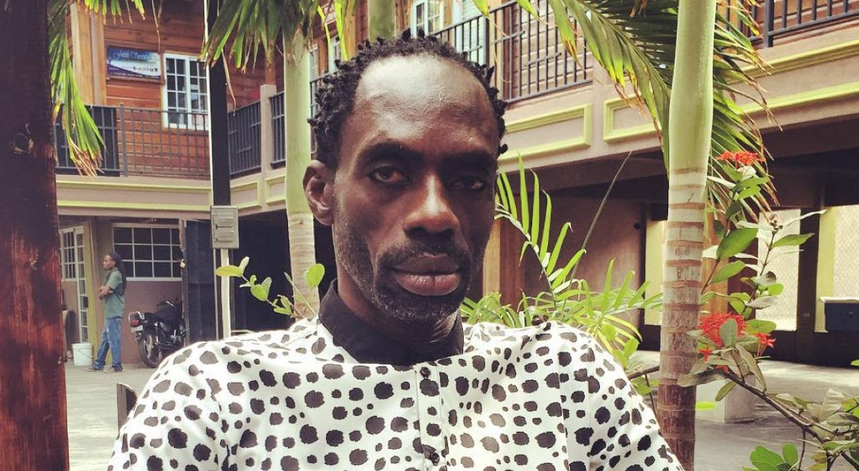

For three decades, Desmond Ballentine built a reputation as one of the most combustible voices dancehall ever produced.
As Ninjaman, the Don Gorgon, he stuttered, preached and threatened his way through a catalogue that made gun talk into theatre.
The Ninjaman case turned that theatre into something brutally real: a 2009 killing on Marl Road, a murder conviction in 2017, and a life sentence that could keep him behind bars until his mid seventies.
So what happened? In short, a Jamaican jury found Ninjaman guilty of murdering 20-year-old Ricardo Johnson, and a judge sentenced him to life.
His son Janiel and a third man, Dennis Clayton, were convicted alongside him. Nearly nine years later, all three are still waiting on the Court of Appeal.
The Don Gorgon Before the Courtroom
Born on 24 January 1966, Ballentine became one of the defining deejays of his generation, known for pro-gun lyrics and a melodramatic, stammering delivery that crowds either loved or feared. He was never one-dimensional.
By 1997 he was also recording gospel reggae as “Brother Desmond,” a conversion that fans still debate.
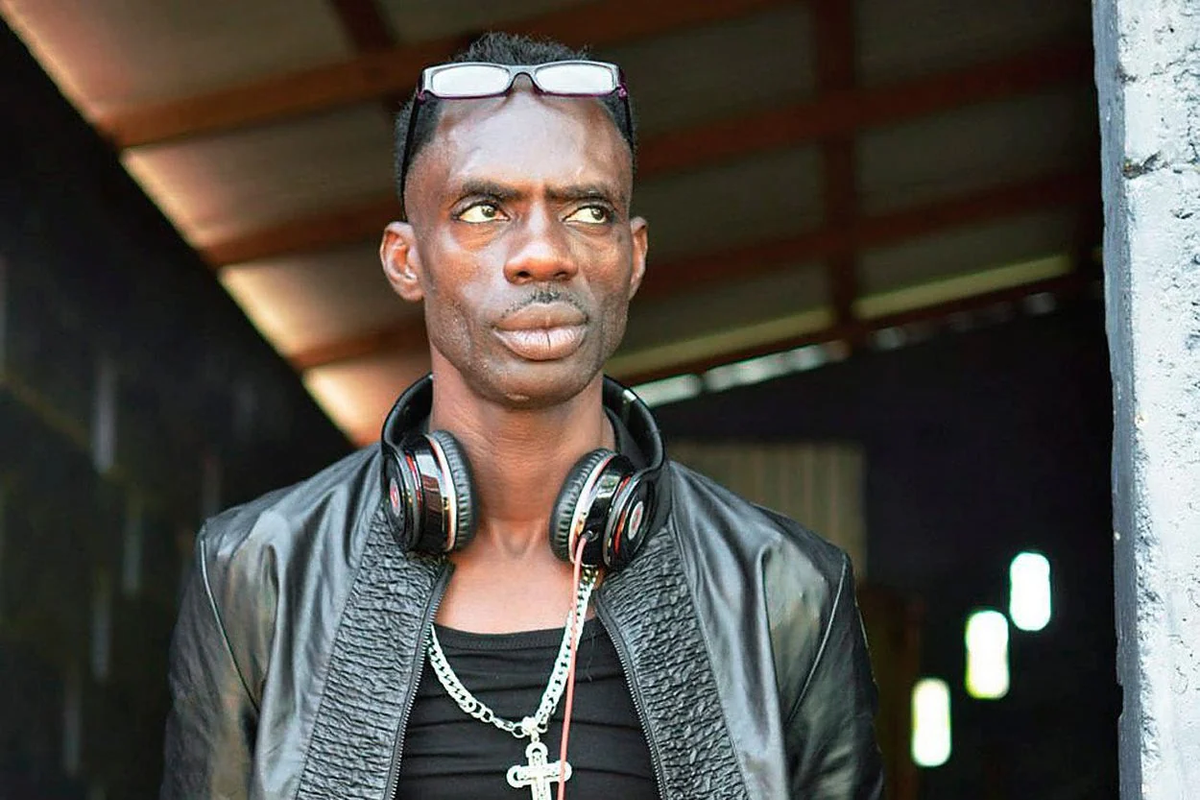
Trouble trailed him, too. In 2002 he handed a Glock to police superintendent Reneto Adams right on the Sting stage.
A year later he clashed physically with Vybz Kartel at the same event, and in 2004 he faced assault and disorderly conduct charges. None of it prepared anyone for what came next.
March 2009: The Killing on Marl Road
According to the prosecution, the case began with a domestic altercation in the Lower Mall Road area of St Andrew.
A day later, prosecutors said, Ninjaman, his son Janiel and Clayton returned armed with guns and other weapons. They chased Johnson and another man through a fence, and shots struck Johnson in the side.
Police say Ricardo Johnson, a 20-year-old from Marl Road, Kingston 13, was gunned down on 16 March 2009.
That same month Ninjaman and Janiel were arrested and charged with murder, conspiracy to murder, shooting with intent and illegal possession of a firearm.
Radio Dub Plate reported that the deejay turned himself in after learning police wanted him as a person of interest.
Eight Years of Waiting
What followed was a textbook example of Jamaica’s court backlog. Ninjaman was granted JD$2 million bail in March 2012, but that year’s trial fell apart before it started: at least 58 jurors were needed, and only 15 turned up. The date slid to April 2015, then to January 2016.
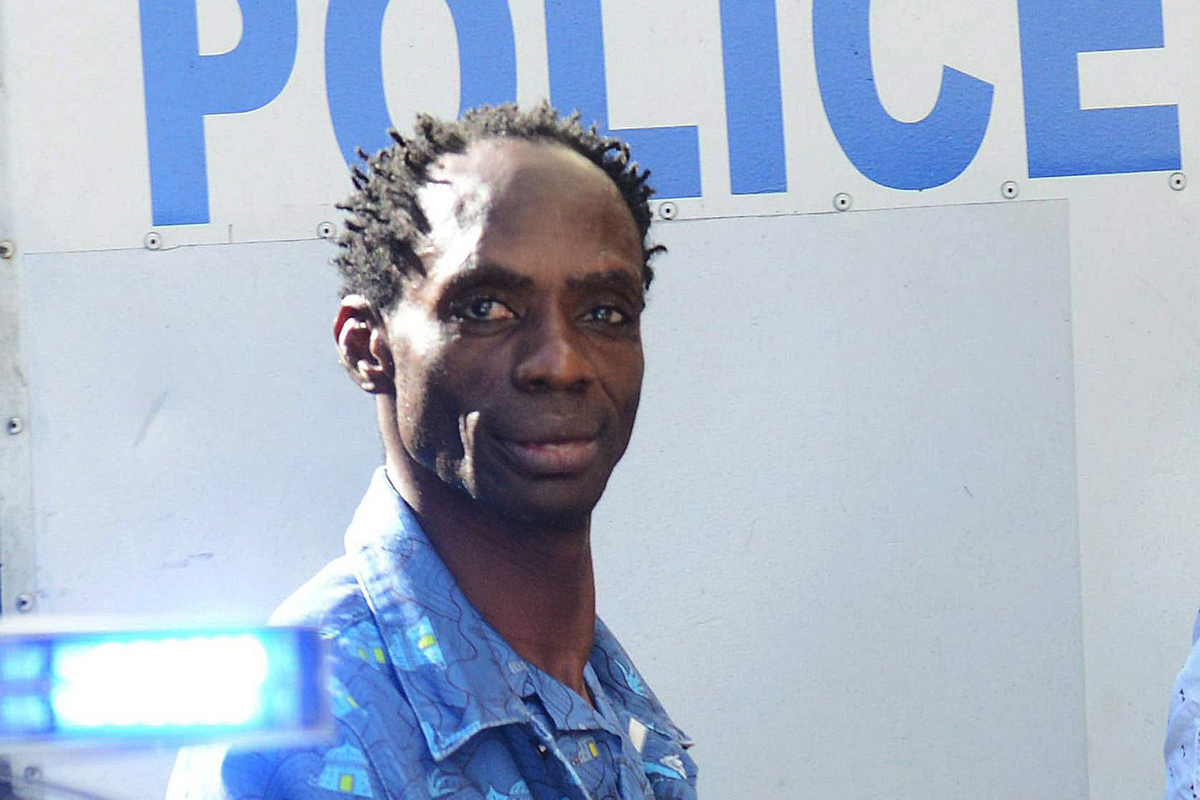
By the time the matter finally reached a jury, it had racked up 17 trial dates and 23 mentions. It was moved to a special court for cases that had sat on the books for more than five years.
In October 2017, Justice Martin Gayle revoked Ninjaman’s bail and ordered the trial to begin.
Inside the Trial
The trial at the Home Circuit Court ran about three weeks and was held in camera, shutting out both the public and the press.
On 29 October, a man who fled the yard that night testified that Ninjaman fired at him twice.
Days later, on 3 November, the deejay was rushed from court to hospital with chest pains, an episode Radio Jamaica described as a minor heart attack.
On 20 November 2017, a seven-member jury of four men and three women returned its verdict after about three hours. Ninjaman was found guilty of murder and shooting with intent.
Janiel Ballentine and Clayton were convicted of murder but cleared of the shooting charge. Leaving court, Ninjaman shrugged it off in his own language: “A suh it go, man.”
Life Behind Bars: The Sentence
Sentencing came on 18 December 2017. Justice Gayle handed Ninjaman life imprisonment with no eligibility for parole for 25 years, plus 20 years at hard labour for shooting with intent. Janiel and Clayton also received life, but with parole eligibility after 15 years.
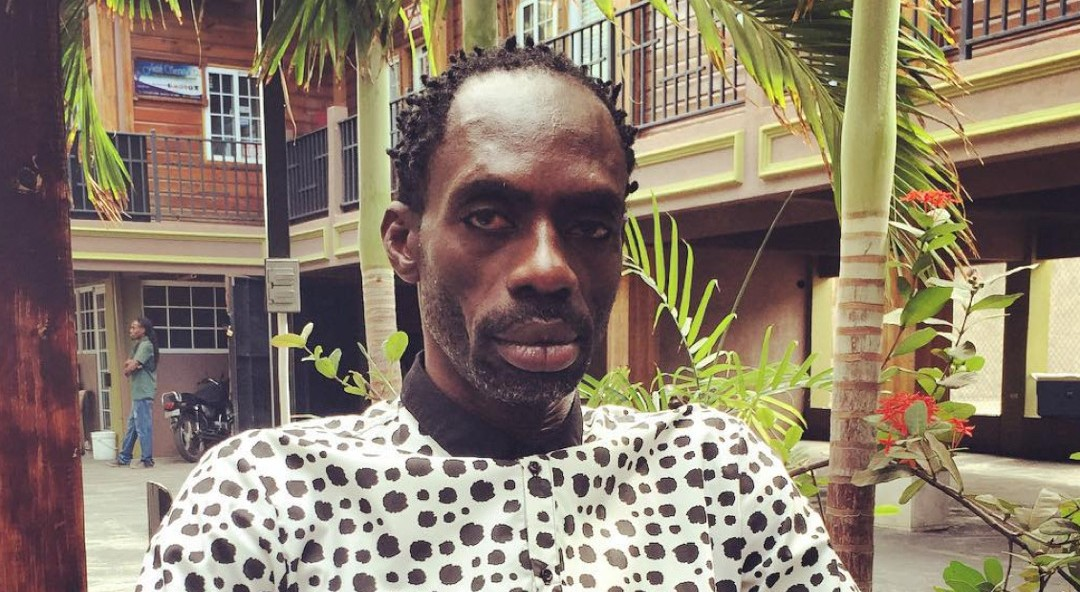
Two factors set Ninjaman’s term apart. Urban Islandz reported that the prosecution’s main witness, now in witness protection, identified him as the shooter. Judge Gayle also noted that, unlike his co-accused, Ninjaman had a criminal record.
The arithmetic is stark: he will be about 76 before a parole hearing, and even then release is not guaranteed. His response from the dock was pure Gorgon bravado: “Thumbs up your honour.”
The Long Road to the Court of Appeal
The appeal took years to get moving. In 2018, Urban Islandz reported that his team intended to wait and see how Vybz Kartel’s own murder appeal played out.
Veteran attorney Valerie Neita-Robertson led the effort, planning to argue that Ninjaman had not received a fair trial and that his fame and reputation weighed on the jury.
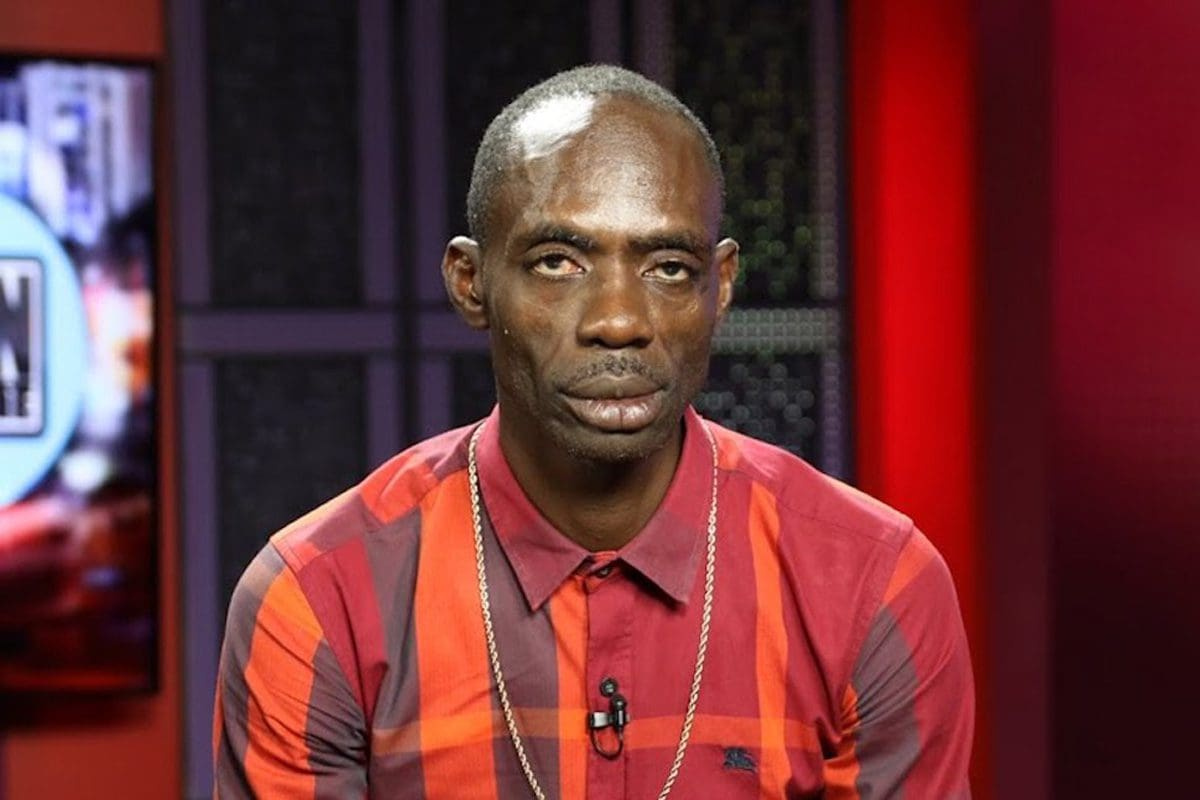
Neita-Robertson died in February 2025, and Robert Fletcher took over. Further setbacks followed.
On 8 December 2025, the hearing was postponed because Clayton’s legal representation was unsettled, with a provisional reset for the week of 23 March 2026.
Peter Champagnie KC, representing Janiel, called that delay “disappointing but understandable.”
Then on 20 July 2026, the start was pushed again because the defence needed time to digest the Crown’s late response.
“We believe that proper preparation involves us reading the prosecution’s response and taking those submissions into account,” Fletcher said.
Inside the Appeal Hearing
When arguments finally began on 22 July 2026, Fletcher came out swinging. The case, he told the court, “should never have been tried,” because a delay of more than eight years created “presumptive prejudice” as defence witnesses died in the meantime.
Russell Stewart argued that the trial judge failed to properly deal with the reliability of the identification evidence, noting that only two witnesses, one man and one woman, were critical to the case against Ninjaman. He also challenged the sentence.
Champagnie called the identification evidence against Janiel “woefully inadequate,” saying the main witness had only two or three seconds to see him.
Zara Lewis, for Clayton, argued that the Crown never proved he shared the intention required for murder.
Senior Deputy DPP Kathy-Ann Pyke defended the verdicts, calling the Crown’s case “quite cogent and coherent” and insisting any weaknesses were for the jury to weigh.
She described a common chain of events: Clayton arriving with a metal bat while Ninjaman and Janiel came in a vehicle armed with guns.
After two days before Justices David Fraser, Lorna Shelly Williams and Marcia Dunbar-Green, the panel reserved judgment.
Where Things Stand Now
The human toll has kept mounting while the court deliberates. In January 2026, Janiel Ballentine, then 38, reportedly suffered a stroke in prison.
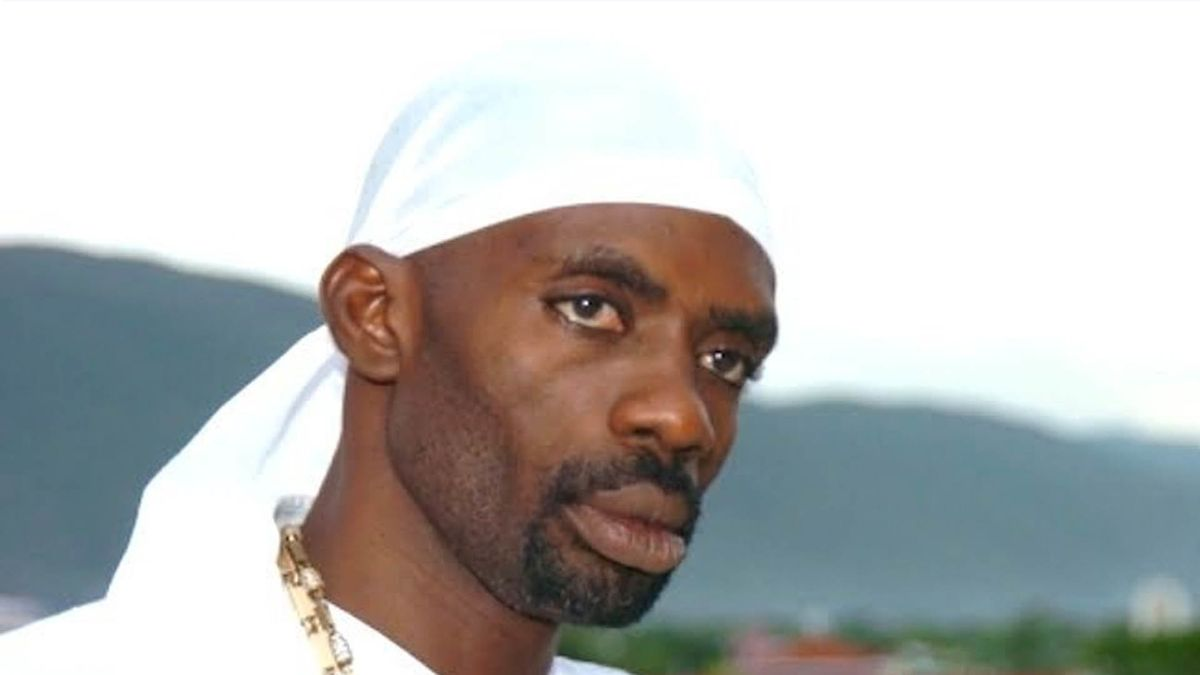
His father, now 60, remains locked away as the outcome hangs on three judges’ reading of identification evidence, delay and the meaning of a fair trial.
Why the Ninjaman Case Still Matters
The Ninjaman case sits at the uncomfortable crossroads where dancehall persona meets Jamaican justice.
For fans, it is hard to separate the deejay who made gunman lyrics into performance art from the man a jury placed at the scene of a real shooting.
For the courts, it is a mirror held up to a system where a murder charge can take eight years to reach trial, and an appeal nearly nine more to be heard.
Whatever the Court of Appeal decides, the outcome will shape how the story of one of dancehall’s most legendary agitators finally ends: as a closed chapter, or a fight still unfinished. Until then, the Don Gorgon waits.