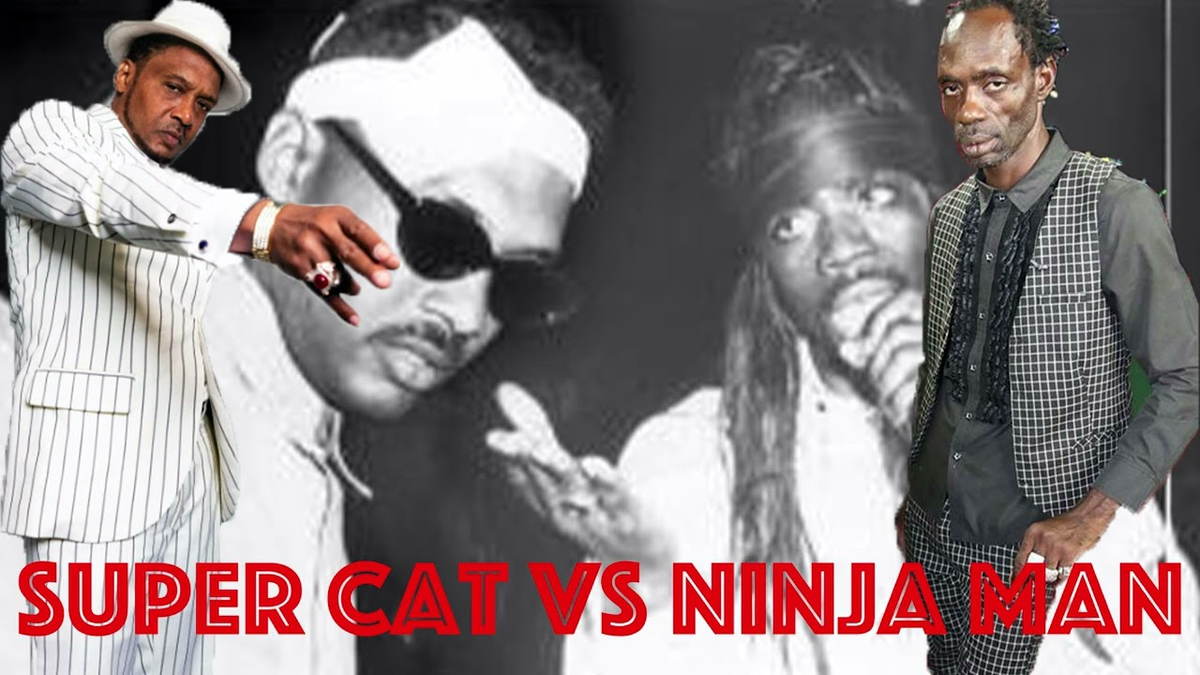
Some clashes get remembered for the lyrics. Super Cat vs Ninjaman gets remembered for everything: the lyrics, the bottles, the gang tension hanging over the National Stadium, and the uneasy sight of a mentor and his former student squaring off in front of a crowd that wanted blood, lyrically and otherwise.
Sting 1991 is still the clash dancehall people bring up first.
So what actually happened that Boxing Day, who won, and why does it still matter more than three decades later?
To answer that you have to go back to the sound system where these two men first crossed paths, then follow the road to the night Kingston still talks about.
1980: Killamanjaro, Where It Started
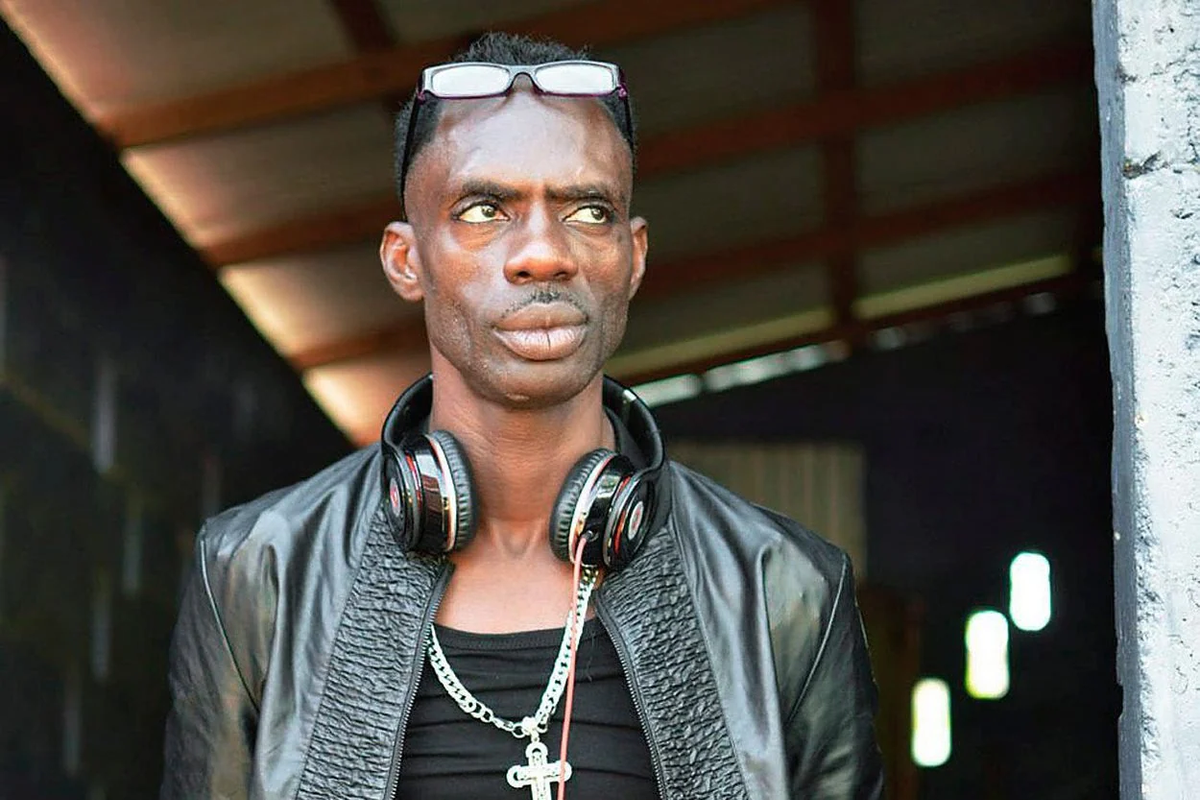
Desmond John Ballentine was born in St Mary on 24 January 1966. At 14 he was already chatting on Black Culture Sound System under the name “Double Ugly”.
In 1980 he moved up to Killamanjaro, one of the heavyweight sounds of the era, and that is where the story really begins.
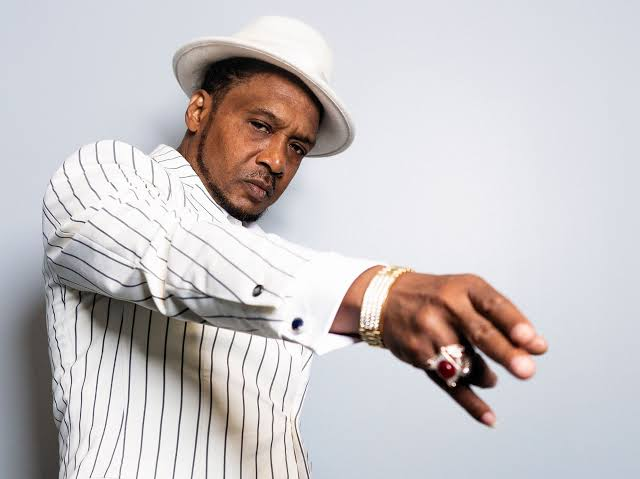
Killamanjaro’s star was William Maragh, the “Wild Apache” known to the world as Super Cat, a deejay whose lyrics leaned hard into gunman imagery.
Alongside Early B, Cat guided the youngster through his debut single, released as “Uglyman”. The relationship was mentor and protégé, and Ninjaman never pretended otherwise.
Looking back, he credited Cat with lifting Jaro to new heights: once Cat took over, he said, “Jaro killing range high.”
He also admitted that what drove him was a long ambition to be “badder” than Josey Wales and Super Cat. He meant on the mic, not in the street.
1989 to 1991: Two Paths, One Collision Course
By the end of the eighties the student had become a force. Between 1989 and 1992 Ninjaman piled up hits like “Border Clash”, “Murder Dem”, “Permit to Bury” and “Above the Law”, building the ruthless rude-boy persona that made him the most feared clasher of his generation. Sting became his stage.
He won almost every clash there between 1989 and 1995, and his rivalries with Flourgon, Shabba Ranks and Super Cat turned into a string of showdowns.
Super Cat’s 1991 was more complicated. He had relocated to New York and signed with Columbia, and his Wild Apache Productions label put out “Cabin Stabbin” with Nicodemus and Junior Demus that same year. But trouble followed him.
He was suspected in the shooting death of singer Nitty Gritty, a case that got him pulled from a One Love concert in the UK. He was cleared in 1992.
Heading into Boxing Day, then, Cat was a big name carrying heavy baggage, while Ninjaman was hungry and at the peak of his clashing powers.
Boxing Day 1991: The Night at the National Stadium
Sting, founded by promoter Isaiah Laing and first staged in 1984 at Cinema 2 in New Kingston, had by now become the country’s most combustible night out. The 1991 edition was stacked.
It was the same show where a young Buju Banton made his debut in an oversized yellow linen outfit, running through “Stamina Daddy” and “Gold Spoon.
Super Cat did not want to be there. His manager, Robert Livingston, says Cat expected trouble from the start, and the atmosphere backed up that instinct.
According to Livingston, “every gang in Jamaica” was in the building, and the tension was thick before a single lyric was fired.
When the clash got going, it went sideways fast. Missiles rained down on Super Cat, and the Jamaica Observer reports he responded by declaring, “Mi have mi gun pon mi!” As glassware flew, Cat picked up a bottle and hurled it back into the crowd, an image that has defined his Sting legacy ever since.
At one point he stopped the music to ask what was happening with the men putting up their hands. Lady Saw, who was there, remembered him “slapping the hell out of somebody in the audience.”
Livingston says the moment Cat threw that bottle was the moment he knew he had to step in.
Through it all, the lyrical war carried on. Cat reminded the crowd that he was the only man who had ever boxed over Ninjaman.
Ninjaman, for his part, had come armed with prepared lyrics and, as he put it, a single intention. “Mi di wan’ kill him long time,” he later said, with the killing strictly verbal.
He insists there was never any chance of the night turning physical between the two of them.
The Verdict
Clash results in dancehall are argued over forever, but this one comes with an unusual witness. Livingston, Super Cat’s own manager, does not hedge: “Ninja Man had the clash.” His diagnosis is simple.
“Cat made a mistake on the song him draw.” Fans still single out Ninjaman’s line about backing up the hearse as the moment Cat was effectively silenced. When the losing camp concedes, the debate is mostly settled.
1992 and Beyond: Don Dada and the Long Absence
The fallout shaped Super Cat’s next chapter. His Columbia debut, “Don Dada”, arrived in 1992, and its title track has been read as a reply to the many jabs Ninjaman had thrown his way. “The Struggle Continues” followed in 1995.
Cat did come back to Sting in 1992, this time with Kris Kross, his partners on the hit “Jump”, but his appearances on Jamaican stages became rare after 1991.
By 2013, Laing said Cat had not done a show in Jamaica since 2001.
Ninjaman kept clashing. His Sting ’92 set was even recorded for Sony, though it was never released, and Laing says the label still holds the tapes.
2013: Back on the Same Bill
For Sting’s 30th anniversary in 2013, both men were booked for the first time in decades, a reunion that felt like closure for a generation of fans.
That year LargeUp ranked the 1991 clash number one among Sting’s classic battles, and Wyclef Jean summed up its pull: “I love the back-and-forth, father-and-son thing.
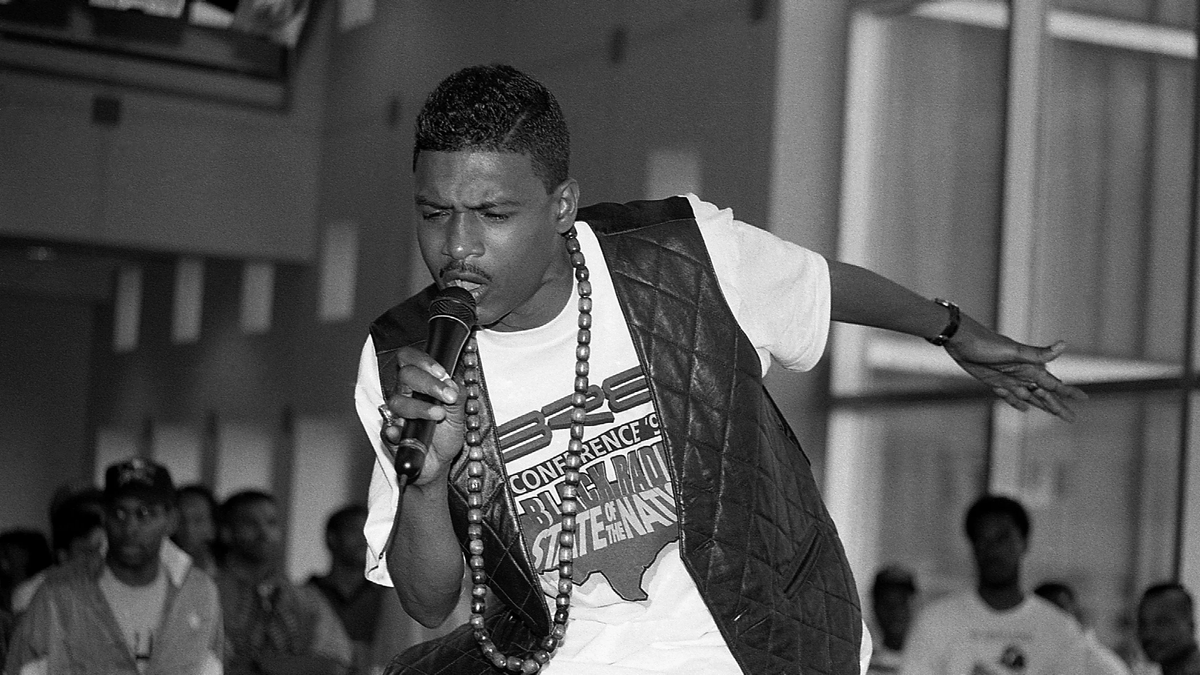
The story since has darkened. In 2017 Ninjaman received a life sentence for murder, a grim coda for the deejay who once insisted his badness lived only in his lyrics.
Why Super Cat vs Ninjaman Still Echoes
Strip away the mythology and Sting 1991 was a student testing his teacher in the most unforgiving arena dancehall had.
That is why it outlasts other clashes. It had real history behind it, real danger around it, and an outcome even Cat’s own camp accepts.
It also marked a turning point: Super Cat stepped toward New York and a major label, while Ninjaman cemented himself as the king of Boxing Day warfare.
Today the songs live on in playlists like Apple Music’s “Reggae Clash Series: Super Cat vs. Ninjaman”, but the clash itself lives in memory, retold on verandas and in comment sections every December. Few nights captured the raw, risky brilliance of early nineties dancehall quite like this one.