

Being credited on a hit song and getting paid for it are apparently two very different things. Israeli producer Niv Kalisky, who records as Early Yellow, says his name appears as a producer and songwriter on “What to Do?” on Apple Music and Spotify, yet he claims he hasn’t collected a single royalty in seven years.
Now he’s taking Travis Scott, Don Toliver and Sony Music to federal court in New York. His 52-page complaint, obtained by Rolling Stone, accuses them of building the 2019 Jackboys track on his beat without a license or a payment.
The story Kalisky tells starts with an original recording called “Moazin99bpm.” He says he shared it with representatives of two producers who worked on the song.
Months later, one of those producers allegedly sent him a version using his beat for review and approval.
That’s where things stalled, according to the suit. No licensing deal was ever reached, and the track came out anyway.
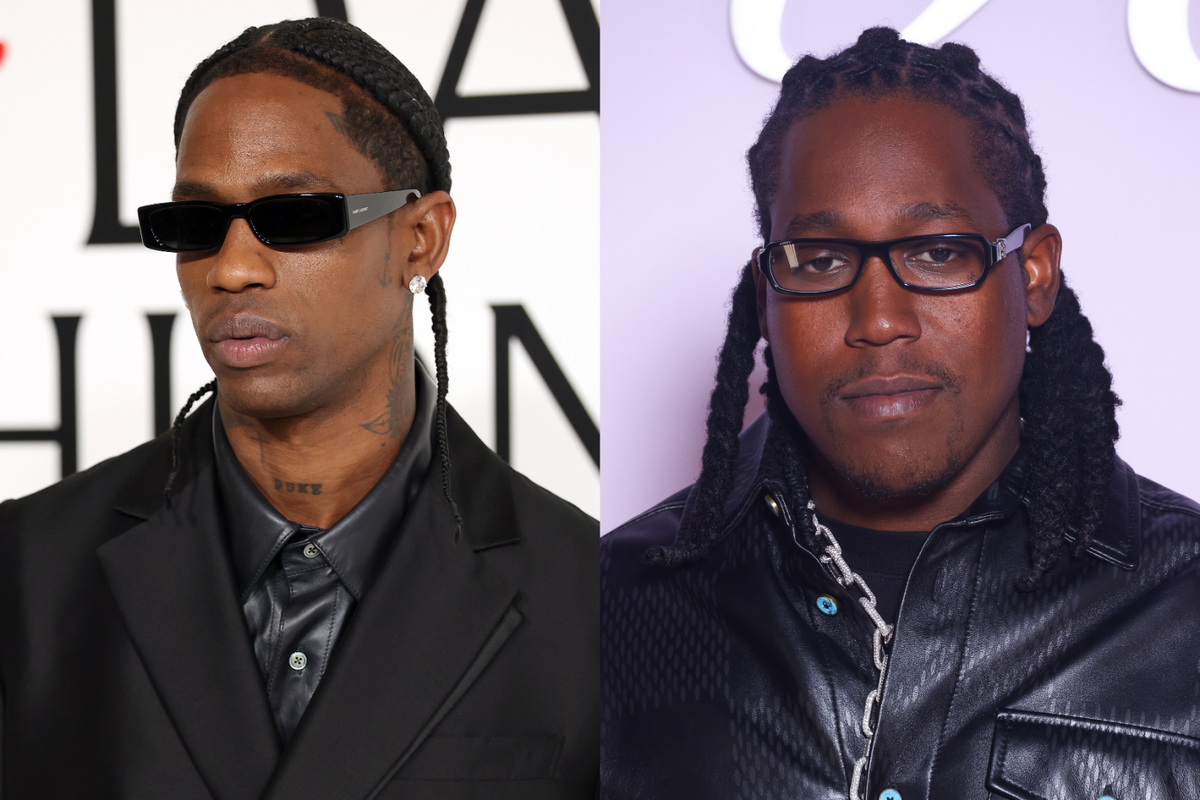
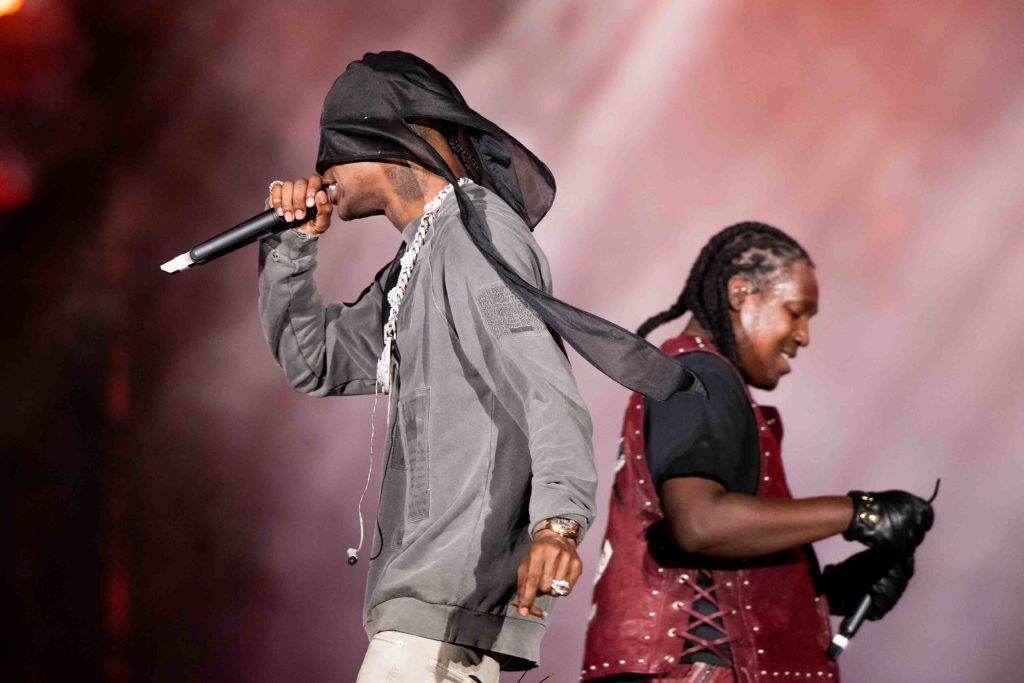
“What to Do?” landed on Jackboys, the chart-topping 2019 album from Scott’s Jackboys collective. The lawsuit says the song has since passed 270 million streams on Spotify and 60 million plays on YouTube, which it frames as “hundreds of millions of compensated streams” with “zero compensation” flowing back to Kalisky.
The sharpest part of the filing is aimed at Sony rather than the artists. Kalisky says he filed takedown notices to pull the song, and that Sony answered with what he calls “wrongful and fraudulent” challenges that kept it live on streaming platforms.
He describes that as an “illegal monetization scheme.” The complaint argues the defendants kept going with “willful unauthorized usage and monetization” of his work “despite receiving several notices of breaches and even after valid ‘takedown’ notices were filed by the plaintiff.”
There’s another side to this, and it hasn’t been heard yet. Reps for Scott, Toliver and Sony did not immediately respond to requests for comment, so for now the only account on the record is Kalisky’s. None of his claims have been tested in court.
The crediting detail is the odd wrinkle at the center of it all. Kalisky points to it as proof his contribution was recognized and then never paid for, but how the defendants explain that credit could shape where this goes.
What he’s asking for is not small. Kalisky wants the court to declare that the defendants willfully infringed his copyright and that he owns 50 percent of all rights in the sound recording.
He’s also seeking an accounting of the song’s earnings, a share of its profits, and at least $1 million in damages tied to claims of unfair competition, misappropriation, misrepresentation and unjust enrichment. With the filing now public, all eyes are on how Scott, Toliver and Sony choose to respond.