

Few rivalries have gripped Jamaica like Vybz Kartel vs Mavado. For a few blazing years, the question was never just who had the hotter tune.
It was which side you stood on. Gaza or Gully. Portmore or Cassava Piece. Choosing wrong could start an argument in a schoolyard or worse on a street corner.
Two decades on, the story has come full circle. The two men who once split dancehall down the middle have shared stages in St Ann, London and Malta, and fans are still reading every Instagram caption for signs of another round.
Here is how Gully vs Gaza unfolded, from the Alliance years to the reunion era.
Before the War: Brothers in the Alliance
Long before the factions had names, Vybz Kartel and Mavado were teammates. Both came up under Bounty Killer in the Alliance, the most feared crew in the dancehall of that period.
They even appeared together on “Gunrise.” For a while they were two sharp young voices in the same army.
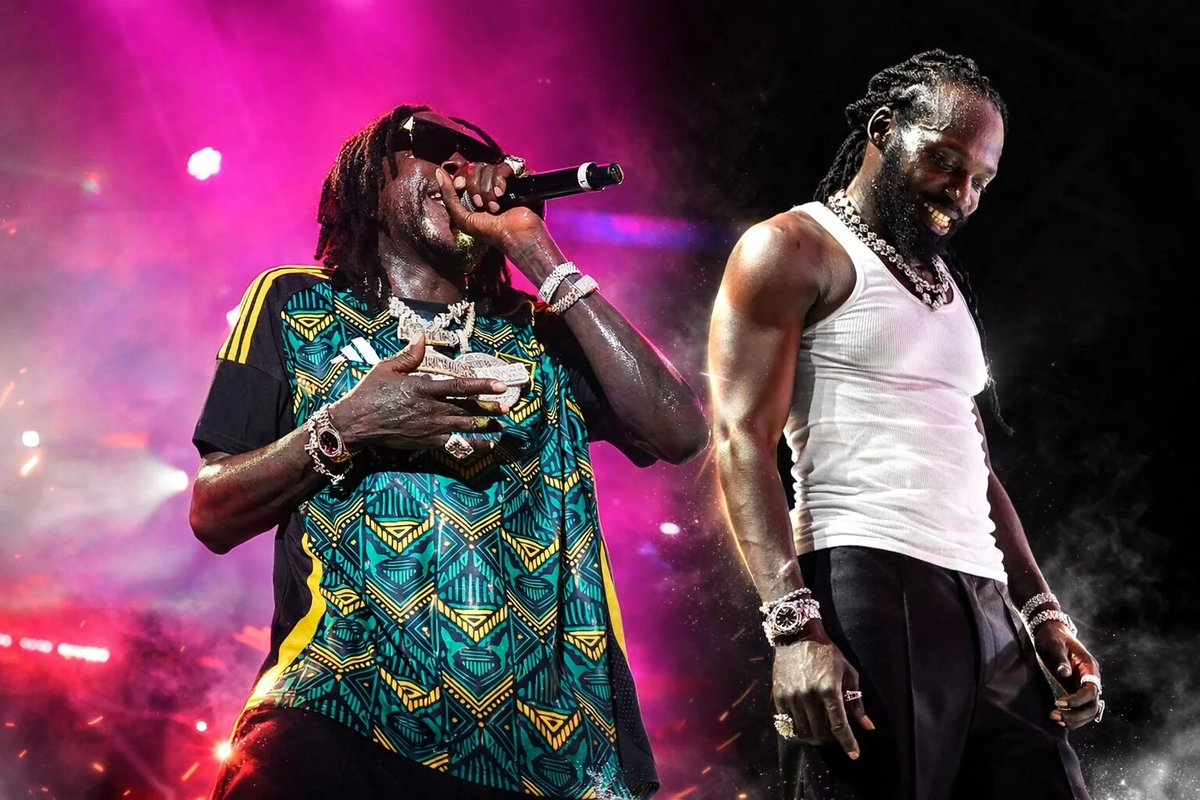
That changed in 2006, when Kartel left the Alliance and went his own way. The split lit the fuse on a feud with Mavado that soon turned into open war. The exact trigger is still argued over in dancehall circles.
The most repeated theory points to Kartel’s closeness to Beenie Man’s camp, which would have been near treason inside Bounty Killer’s crew.
2006 to 2007: Battle Lines and a First Truce
The war was fought in the studio first. Kartel fired off records such as “War Teacher,” and Mavado answered with tracks like “Last Night.”
Both deejays leaned on their roots. Gully stood for Mavado’s Cassava Piece community, and Gaza became the banner for Kartel’s Portmore base. Those labels soon meant much more than two neighbourhoods.
By March 2007 the temperature was high enough that the police got involved. At a press conference overseen by law enforcement, both artistes announced an end to hostilities and apologised to their fans. It looked like the matter was settled.
2008: The Fire Returns
It was not settled. In the summer of 2008 the disses started flowing again. Rumour has long held that Sting organisers helped stir the pot, since there was no bigger draw in dancehall than these two meeting face to face. Whatever the cause, the stage was set for Boxing Day.
Sting 2008: Showdown in Portmore
On December 26, 2008, Kartel and Mavado met at Jamworld Entertainment Centre in Portmore, deep in Gaza territory.
It became the most heavily attended contemporary staging in Sting’s history, a measure of how completely the feud had captured the country.
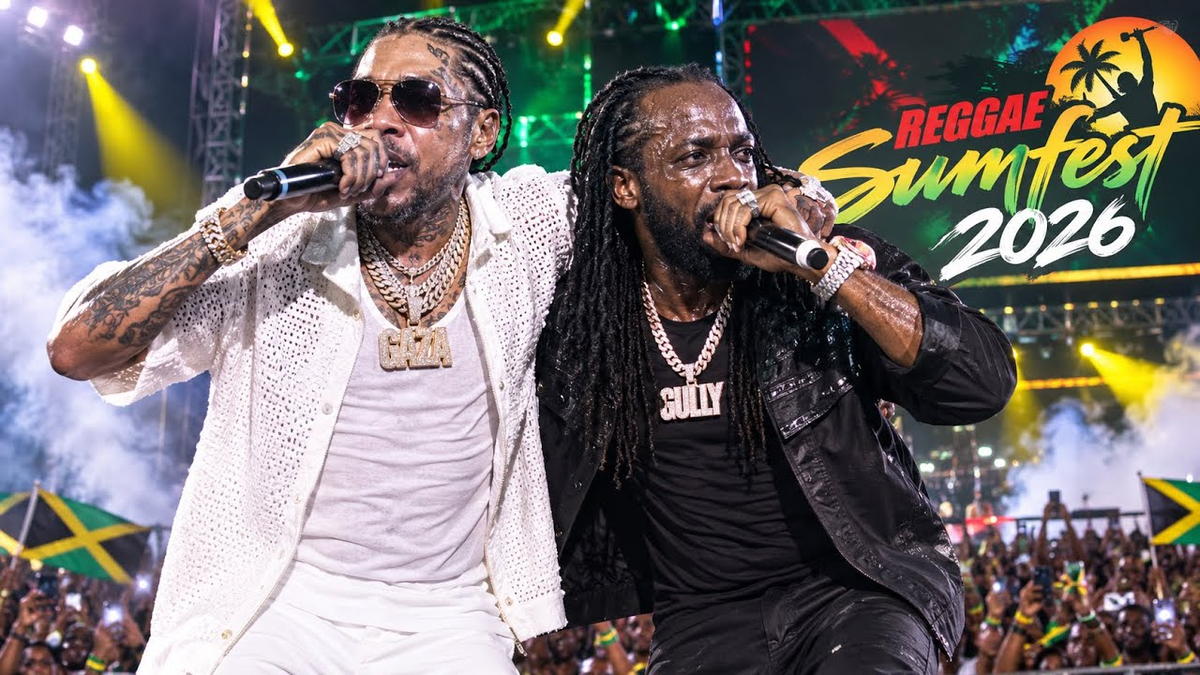
Who won is still argued in barbershops and comment sections. Kartel did not wait for the debate. The very next day he released “Don’t Run,” declaring himself the victor. Mavado has never conceded either.
Years later, on a 2019 flashback post, he wrote: “Dem know who’s the real deal, Gullygad, no joke about it, flammable.”
One observer speaking to The STAR offered the diplomatic verdict, “nobody nuh win,” while still giving Kartel a slight edge.
2009: The Peak and the Price
By 2009 Gully vs Gaza had moved far beyond the music. The feud dominated Jamaican media, and young people adopted the two names as identities.
The consequences were real: fistfights among students, and mob attacks in some Kingston inner city communities. Graffiti marking Gaza or Gully territory spread across walls.
Inside Kartel’s camp there were cracks. Lisa Hype left the Gaza Empire in late 2009, and Gaza Kim and Blak Ryno followed.
December 8, 2009: Peace at Jamaica House
The feud reached the highest office in the land. On December 8, 2009, Kartel and Mavado sat down with Prime Minister Bruce Golding at Jamaica House, joined by three Cabinet ministers and members of the Peace Management Initiative.
The plan that came out of the meeting was practical and symbolic at once: a peace treaty and concert, a “paint-out” day to scrub Gaza and Gully graffiti from the walls, T-shirts carrying both artistes, and a joint song.
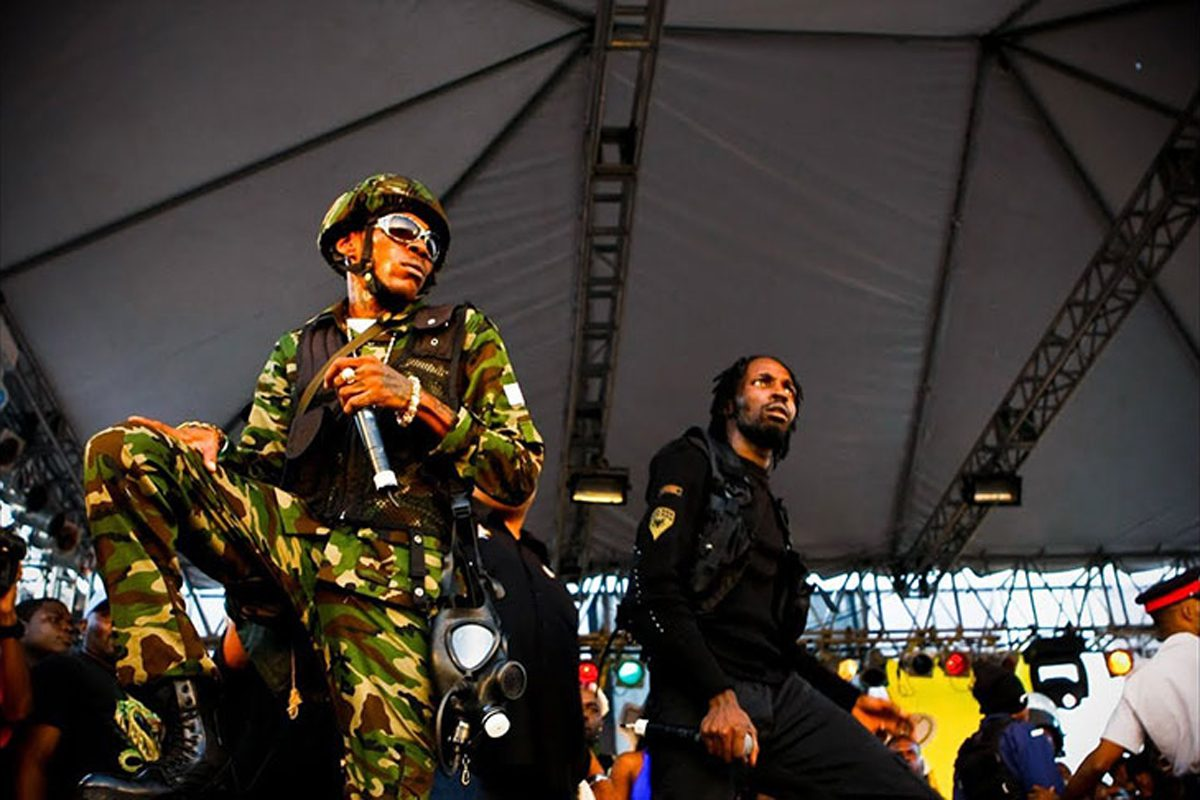
Both men insisted there was no personal animosity between them and laid the blame on overzealous fans. Seated beside Kartel, Mavado put it plainly: “We’re not really enemies.”
Later that month the two embraced on stage at Sting, a picture that would have seemed impossible a year earlier.
2010 to 2025: The Long Silence
Kartel’s incarceration from 2011 effectively froze any direct contact between the two. The music still did the talking, though. Kartel released “Last One” in 2016, which Mavado brushed off as weak.
In 2020 Kartel referenced Mavado’s incarcerated son, Dantay Brooks, and drew a fiery response. Fans never stopped arguing about the old war, passing Sting clips around like scripture.
Then the tone shifted. In 2025 Kartel confirmed that he and Mavado had reconciled, and said their sons had attended each other’s birthday celebrations.
That same year Kartel was crowned King of the Dancehall at Reggae Sumfest, marking his return to the centre of the culture.
2026: Gully Meets Gaza
In March 2026 The Jamaica Star reported that the pair would reunite on the Sumfest stage. That was major news on its own, since Mavado had been away from a local stage for close to a decade.
The night arrived on July 18, 2026, at A Taste of Reggae Sumfest. The event moved to Plantation Cove in St Ann after Hurricane Melissa left Catherine Hall unusable.
More than 35,000 people turned up. Shortly after 2 a.m. the two walked out in looks that nodded straight back to Sting 2008, Kartel in military-inspired gear and Mavado all in black.
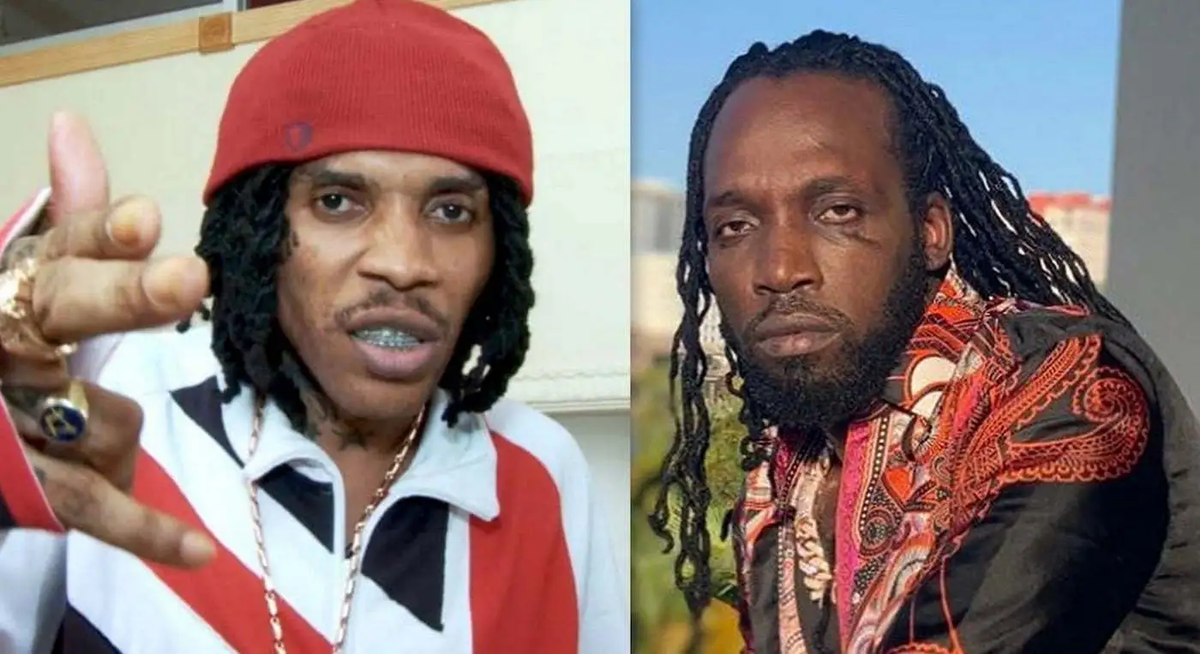
Over roughly 90 minutes they traded hits the way they once traded insults. Mavado’s “Nuh Bleach Wid Cream” was answered by Kartel’s “Broad Daylight,” and “Weh Dem A Do” met “Gun Shot.”
It played like a clash with the danger removed and the nostalgia turned all the way up.
The partnership went global from there. On September 9, 2026, they sold out The O2 Arena in London, and they have also performed together in Malta.
November 2026: Old Habits
Peace has not made Kartel any less mischievous. On November 10, 2026, he posted cryptic captions that fans immediately connected to Mavado, including “Birds of a feather flop together.”
In a follow-up Instagram video he said nobody could make him “pree” Mavado and admitted that he likes to troll.
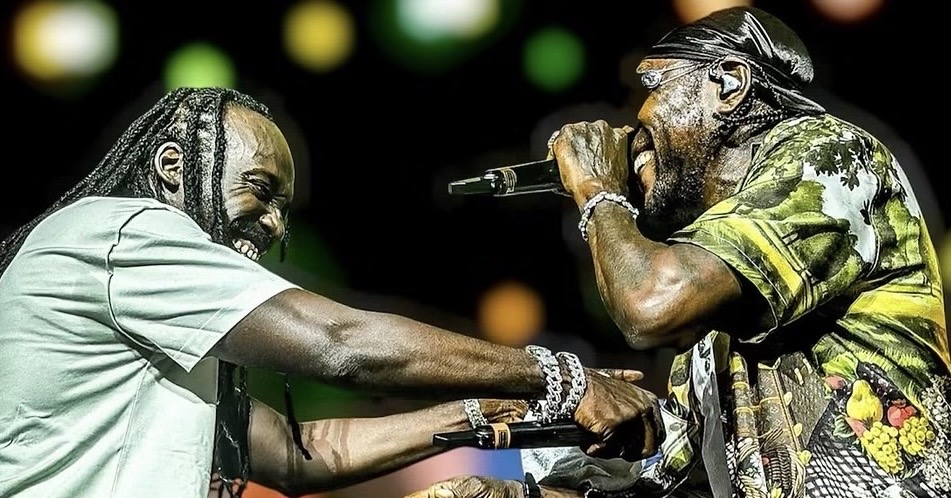
Meanwhile, the push for a Gully and Gaza reunion at Sting 2026 is growing. Nothing is confirmed, but promoter Isaiah Laing has said he is open to it.
Why Gully vs Gaza Still Matters
Gully vs Gaza was the last time a dancehall rivalry truly divided a nation. It filled Jamworld beyond anything Sting has seen since, pulled a prime minister into a negotiating room, and left behind two schools of thought that still shape how artistes and fans line up today. It also carried a hard lesson about what happens when lyrical war spills onto real streets.
What makes the story remarkable now is the ending. Two men who once could not share a riddim have shared arenas, with their sons celebrating birthdays together. The rivalry has not disappeared. It has simply turned into the best show in dancehall.