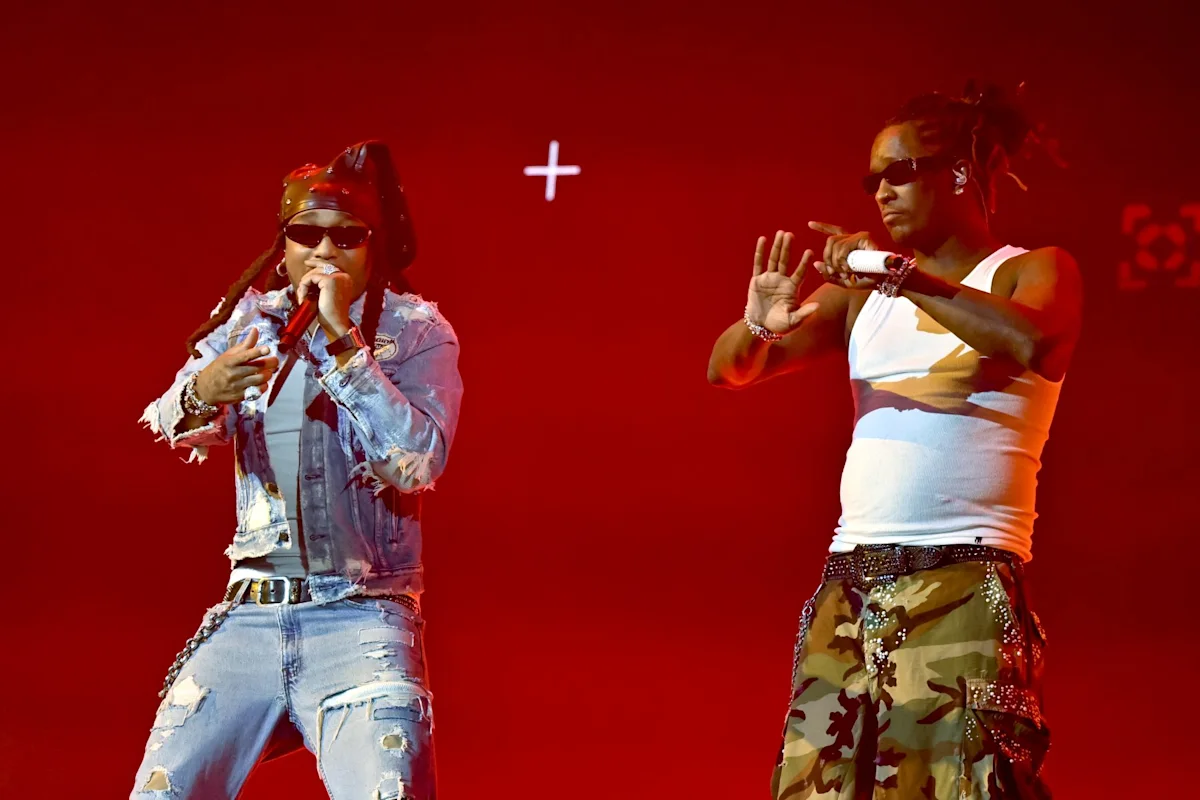


Type “what is riddim genre edm” into a search bar and you land in two different worlds. In one, festival crowds headbang to a single wobbling, distorted bassline looped hard enough to rattle teeth.
In the other, a dancehall selector drops an instrumental that a dozen deejays have already voiced, and the whole session knows every version by heart.
Both are called riddim, and both trace back to Jamaica, but they are not the same thing. In electronic music, riddim is a subgenre of dubstep built on repetitive, minimalist sub-bass and triplet percussion.
In Jamaica, a riddim is the instrumental backbone of a song, shared across artists and genres. Here is how one word ended up doing two very different jobs.
The Short Answer
Riddim in EDM is a style of dubstep. It grew out of the UK, with Croydon as its home base, in the early 2010s, and it gained real mainstream presence in electronic music around 2015.
It was a return to the stripped-back feel of early dubstep rather than a brand new invention. Scene heads have a neat way of putting it: “all Riddim is dubstep, but not all dubstep is Riddim.”
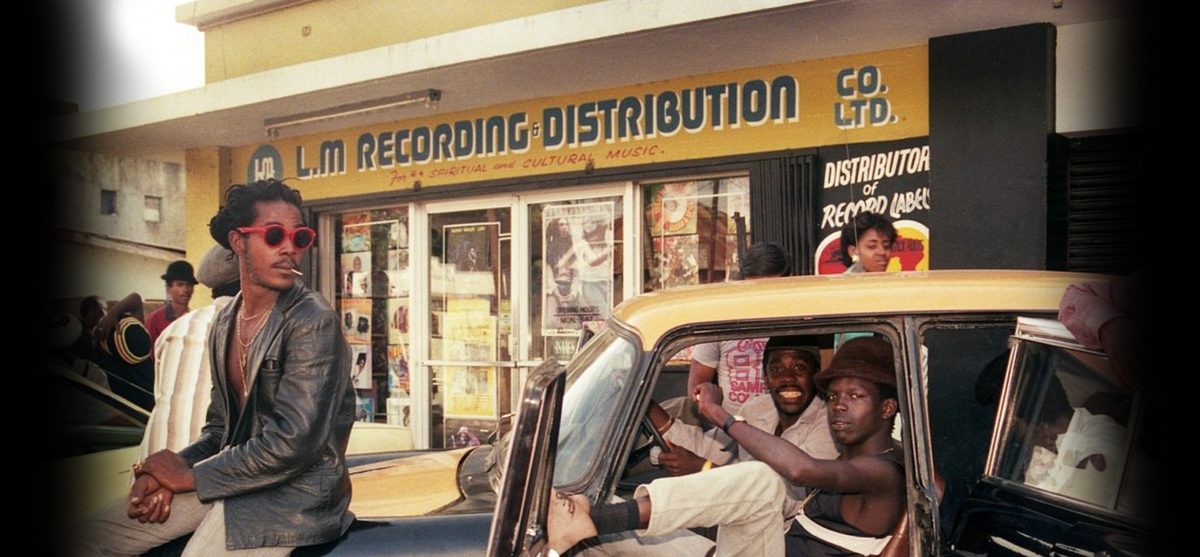
Riddim in Jamaica is the patois spelling of “rhythm.” It names the instrumental track (the bass and drum groove, the rhythm section) that a deejay or singer voices over. A riddim is not a genre at all. It is the foundation that genres are built on.
What EDM Riddim Sounds Like
Picture a dubstep drop with everything unnecessary stripped away. EDM riddim usually sits around 140 to 150 BPM, the same pace as dubstep, and runs on a steady halftime groove.
The drums are lean, often a clap or short snare with a kick landing on the third beat. That crisp hit is part of what separates riddim from the longer, crashing snares of brostep and deathstep.
The real star is the bass. A short, bouncy, heavily distorted phrase loops through the drop with only small changes, and the repetition is the point. Riddim hypnotises rather than surprises.
The style has also gone by Riddim Dubstep, Swamp and Trench, and it has split into branches of its own. Melodic or “future” riddim brings brighter, more musical production.
“Briddim” pairs riddim’s heavier kick and snare with brostep’s sound design. Fans also talk about liquid, deep, death, lo-fi, metal and experimental riddim.
Where the EDM Name Came From
This is where the story gets fun, because the name was close to an accident. German producer Infekt, one of the scene’s central figures, told UKF that the term was only just coming into use around 2013.
People on a free-release forum had mixed up the “heavy” and “deeper” categories, so someone set up a new category “and called it riddim.” In his words, “They picked a random word for it.”
Not everyone welcomed it. “All the OG people hated the term,” Infekt said, but it caught on anyway and kept growing.
He points to Subfiltronik as the biggest single influence on the sound, calling his 2012 and 2013 output “blueprint riddim,” and credits the Dubstep FM radio show, with Coffi, Subfiltronik, Shiverz and The Gremlin, for pushing it forward.
Going further back, early dubstep producers such as Jakes laid the groundwork, and Rusko, while not a riddim artist himself, made dubstep with riddim-style basslines.
Infekt has produced since 2011, building his name on minimalist but energetic basslines, and has described his own approach as leaning into “space,” atmosphere and “super dark textures.” Sydney’s Marauda, BadKlaat, Spass and Virtual Riot all helped shape the sound too.
The style spread into North America through the underground before stepping into the light.
Subtronics ran his mix series “Now That’s What I Call Riddim” from February 2017 to January 2020, a run that turned plenty of American ravers on to the sound before his albums Fractals (2022) and Tesseract (2024).
SVDDEN DEATH, another major name, teamed with Subtronics on “Surrender” and released a riddim track with Marshmello in February 2019, a clear sign the sound had reached the biggest stages.
Riddim the Jamaican Way
For dancehall and reggae people, riddim means something older and more communal. A riddim is the instrumental accompaniment, the groove in the bass and low drums.
Jamaican music pairs that riddim with the voicing, the vocal part delivered by the deejay or singer.
The magic is in the sharing. One riddim can carry songs by many artists, and riddims are often named after the first or most popular tune voiced on them.
That culture took root in the late ’60s and ’70s around sound systems, where producers built backing tracks and DJs and singers “versioned” them over and over.
Re-licking, which means re-recording an existing riddim under a new name, is still common and still argued about.
Some riddims changed the whole map. The digital Sleng Teng of the mid-1980s is called the most transformative rhythm in Jamaican music history and spawned nearly 500 versions.
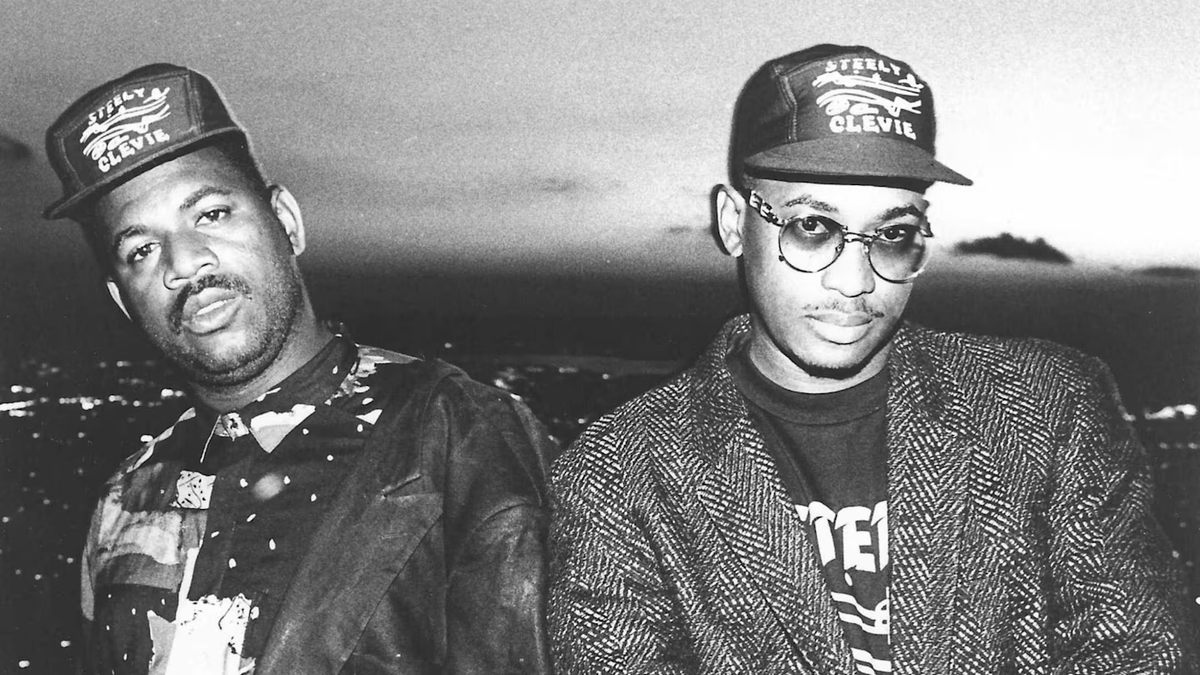
Steely & Clevie’s 1989 riddim, used on Shabba Ranks’ 1990 hit “Dem Bow,” gave the dembow beat its name and became the base that reggaeton largely stands on.
Riddims power reggae, lovers rock, dub, ragga, dancehall, soca, bouyon, sega and reggaeton. In dancehall they typically run at 130 to 140 BPM.
Same Word, Different Jobs
The cleanest way to keep them apart is this. In Jamaica, a riddim is a thing: a specific instrumental that any number of artists can voice, in any genre that uses the system. In EDM, riddim is a label: a name for a particular style of dubstep.
An EDM riddim track is not a shared backing track waiting for twenty deejays to record over it, and it does not work on the riddim and voicing model.
Ask a dancehall producer for “a riddim” and you get an instrumental. Ask a bass music head for “some riddim” and you get a sound.
Where the Two Meet
The overlap is no coincidence, even if the forum naming was. EDM riddim’s stylistic roots run through dubstep, dub, reggae and dancehall.
Dubstep was born in London in the early 2000s with dub and reggae in its DNA, and dub itself grew out of Jamaican reggae in the late 1960s and early 1970s.
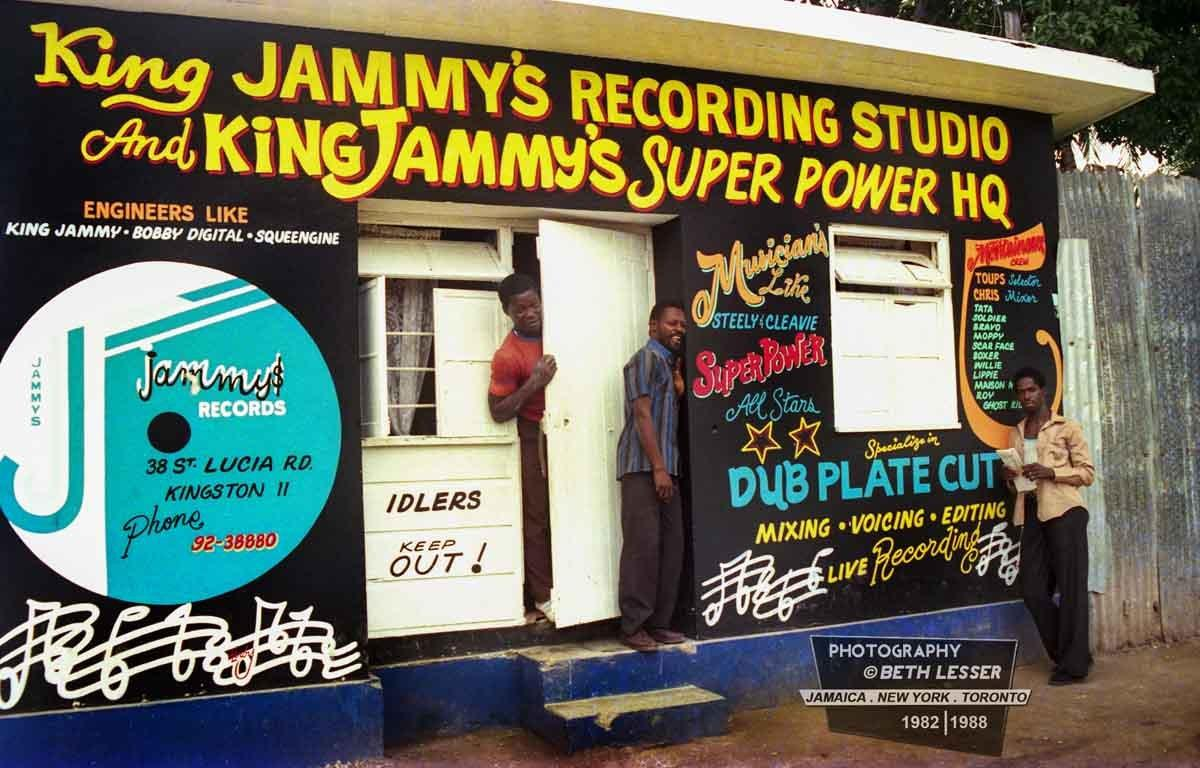
Those bass-first instincts, the respect for space and weight and the low end that hits your chest, came off Jamaican sound systems and travelled through UK bass culture before landing in that forum category. As EDM Identity put it, “Riddim stems from dub, reggae, and dancehall.”
Why It Matters
Getting the two straight is not pedantry. It is about giving credit where the roots are. The EDM version is a real, thriving genre with its own heroes, its own sub-styles and a crowd that knows exactly what that looping bassline does to a room.
But the word it borrowed carries decades of Jamaican studio and sound system history, from versioning in the ’70s to Sleng Teng to the beat that built reggaeton.
So when the drop hits at a bass festival, enjoy it for what it is. Just remember that long before riddim meant a genre, it meant a shared foundation that a whole island built its music on, and that it still does.