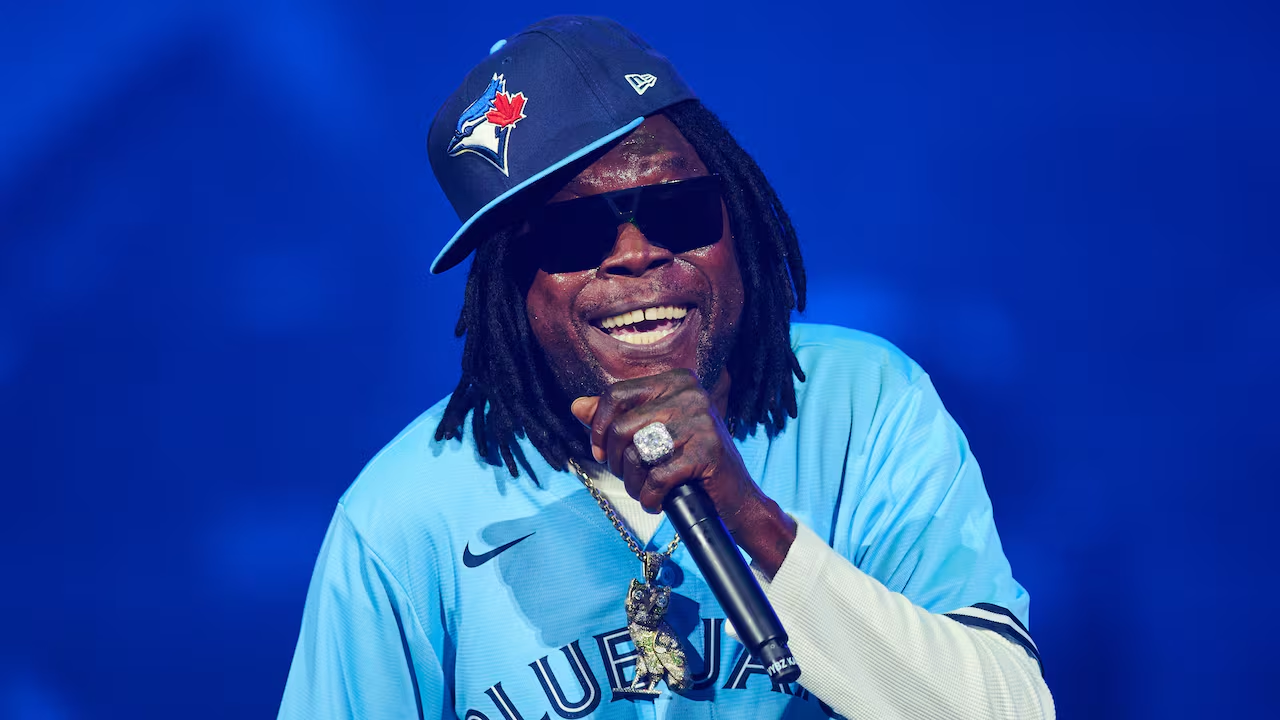
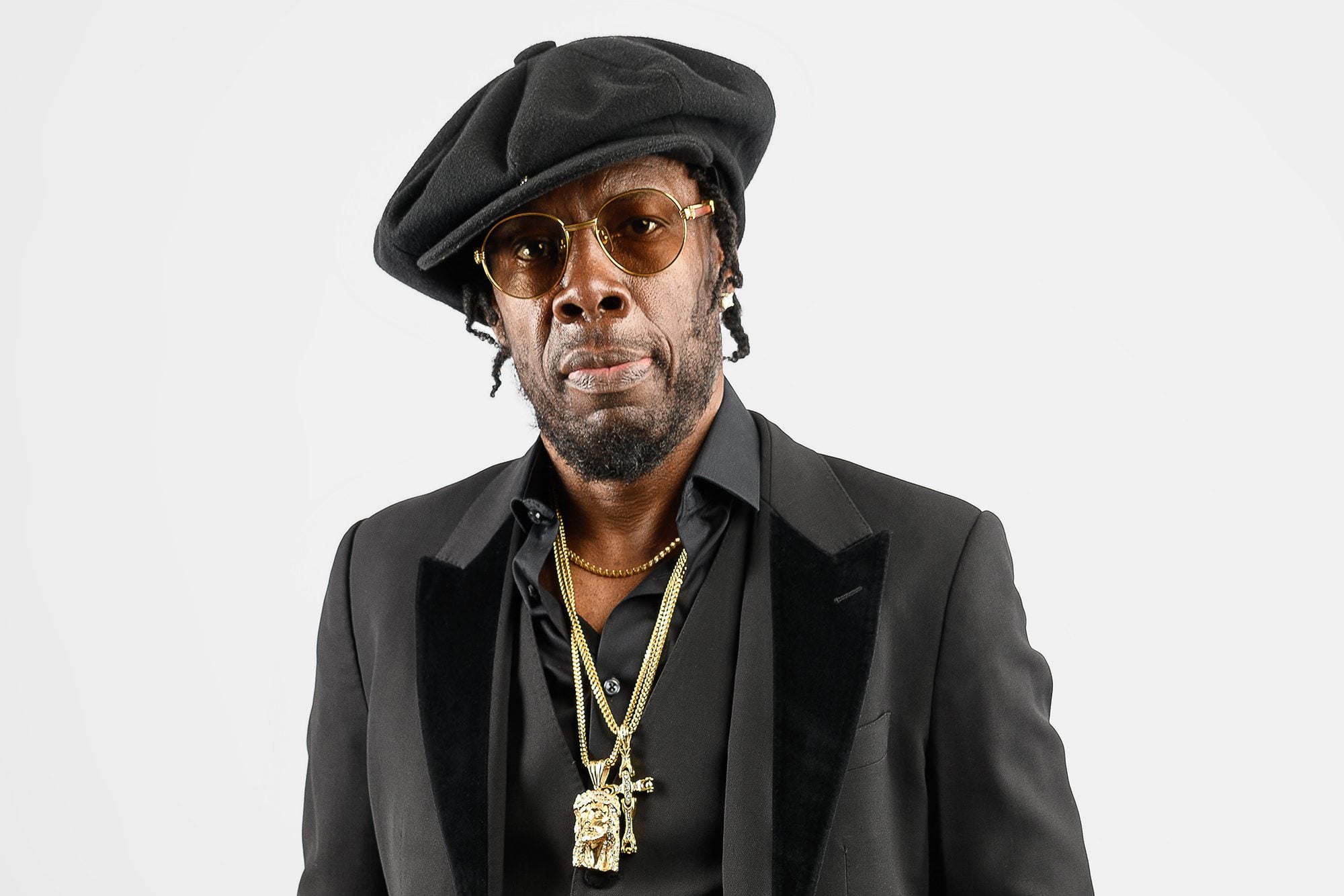

NEW YORK — Shabba Ranks spent decades watching the world dance to his music. Now the Dancehall Emperor wants control of the songs that helped make him a global star.
The Jamaican icon, born Rexton Gordon, has filed a lawsuit against the publishing arm of Greensleeves Records seeking to reclaim US copyright rights to compositions from his celebrated catalogue, including crossover hits “Mr Loverman,” “Slow and Sexy,” “Housecall” and “Let’s Get It On,” according to Billboard.
The action, filed September 11, also encompasses “Dem Bow,” the hugely influential 1990 recording whose name became synonymous with the rhythmic foundation that helped fuel reggaetón.
At the heart of Shabba’s lawsuit is a powerful but complicated provision of US copyright law known as copyright termination, which can allow creators to reclaim rights they transferred decades earlier.
Shabba reportedly notified Greensleeves in 2023 that he intended to exercise those rights. The publisher rejected his position, arguing that a 1989 publishing agreement classified the compositions as “works made for hire”—a category excluded from termination rights.
Shabba is now asking a court to reject that argument.
“The compositions are not and could not have been works made for hire under the US Copyright Act, regardless of the language of the assignment,” his attorneys at Reitler Kailas & Rosenblatt argued.
His lawyers maintain that Gordon was never an employee of Greensleeves and contend that musical compositions cannot simply become works made for hire through an agreement between a publisher and an independent songwriter.

The legal fight puts a fresh spotlight on “Dem Bow,” a song whose influence has travelled far beyond dancehall.
Its rhythmic roots stretch back to Jamaican production duo Steely & Clevie—Cleveland “Clevie” Browne and the late Wycliffe “Steely” Johnson.
The pair programmed and recorded the distinctive drum pattern in 1989 for Gregory Peck’s “Poco Man Jam,” with an instrumental version released as “Fish Market.” A version of the rhythm was later provided to producer Bobby “Digital” Dixon, who used it for Shabba’s “Dem Bow.”
The resulting record became a dancehall landmark, while the term “dembow” eventually became embedded in the vocabulary of reggaetón. The musical lineage is now itself at the centre of separate, sprawling copyright litigation involving claims over the foundations of the Latin genre.
For Shabba, the new lawsuit represents another chapter in a career that helped kick down international doors for dancehall.
Raised in Seaview Gardens, Kingston, the gravel-voiced deejay became one of Jamaican music’s biggest crossover stars during the late 1980s and 1990s, eventually signing with Epic Records.
His international run produced major collaborations and consecutive Grammy victories, with As Raw As Ever and X-tra Naked earning him Best Reggae Album honours in 1992 and 1993.
Three decades later, however, the battle is no longer about getting dancehall onto American radio.
Shabba Ranks already made history with the songs. Now he is fighting over who gets to control them.