

Picture a front room in South London around 1979. The lights are low, the speaker box is humming, and couples are locked together in a slow, swaying rub while a teenage girl’s voice floats over a heavy, honeyed bassline. That is the feeling at the heart of any answer to the question: what is lovers rock?
Put simply, lovers rock is a style of reggae built on romance. It took the drum and bass of Jamaican music, poured in the sweetness of American soul ballads, and set it all inside the blues dances and youth clubs of Black Britain.
Love songs had been part of reggae since the late 1960s. In mid-1970s London, though, that tenderness got its own focus, its own label and, eventually, its own name.
Where Lovers Rock Came From
Lovers rock blossomed in London, not Kingston. Its home was the Afro-Caribbean neighbourhoods of South London such as Brixton and Lewisham.
The young people who made it were second-generation Caribbean kids who grew up hearing their parents’ rocksteady and reggae records alongside the soul and R&B on British and American radio. They did not see a reason to choose between them.
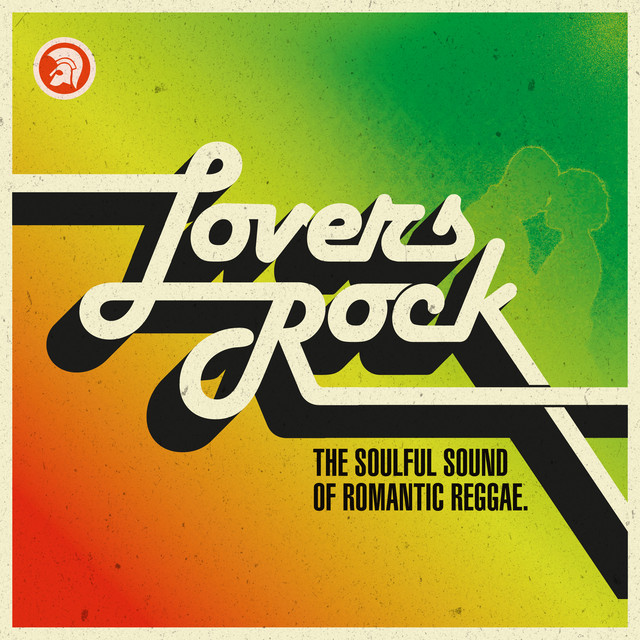
The timing matters. In 1970s Jamaica the dominant sound was conscious roots reggae, heavy with Rastafarian themes, sufferation and calls for repatriation.
Lovers rock offered an apolitical counterpoint. Instead of Babylon and Zion, it sang about crushes, heartbreak and slow dances.
In that sense it carried on the soulful, love-centred spirit of rocksteady singers like Alton Ellis, while speaking directly to the lives of Black British teenagers.
How the Genre Got Its Name
The name comes from a record label. Dennis Harris set up the Lover’s Rock label at his studio on Upper Brockley Road in South East London, with guitarist John Kpiaye and producer Dennis Bovell in the mix.
Bovell, born in Barbados and a member of the band Matumbi, would become one of the most important figures the scene produced.
The label’s first release, in 1977, was Brown Sugar’s “I’m in Love with a Dreadlocks,” written by Kpiaye. The group featured a young Caron Wheeler, who later found fame with Soul II Soul.
With that song and “Black Pride,” Brown Sugar also pioneered what fans call “conscious lovers,” proof that romance and racial pride could share the same groove.
The Record That Started It
Most fans point to Louisa Mark’s “Caught You in a Lie,” released in 1975, as the first lovers rock single, though the exact starting point is still argued over in record shops and compilation sleeve notes.
The story behind it is pure sound system culture. Mark was a teenager who won four consecutive “Star Search” talent shows, and as her reward Lloydie Coxsone produced a record for her.
The song was a cover of Robert Parker’s soul tune, reworked over a reggae rhythm with Mark’s youthful, aching vocal on top. It reportedly sold 10,000 copies in its first week.
Mark went on to be voted Artist of the Year at the 1978 UK Reggae Awards. She died on 17 October 2009, but that first record still sounds like the blueprint.
What Lovers Rock Sounds Like
The basic recipe is simple and endlessly effective: a rolling reggae bassline and one drop drums, slowed and softened, carrying a melody lifted straight from the soul ballad tradition. Plenty of the early hits were covers of American love songs, rebuilt for the dancehall.
Early lovers rock was dominated by young female singers, which gave it a distinctive “young girl” sound: light, sincere and emotionally direct.
That voice is part of why the music feels so intimate. It was made by teenagers for teenagers, and you can hear it.
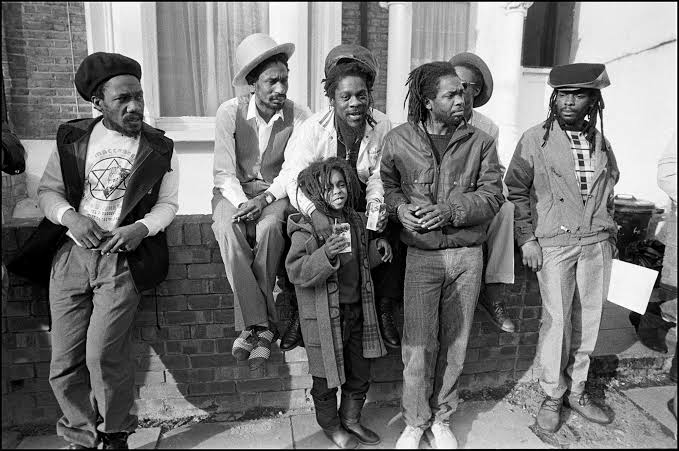
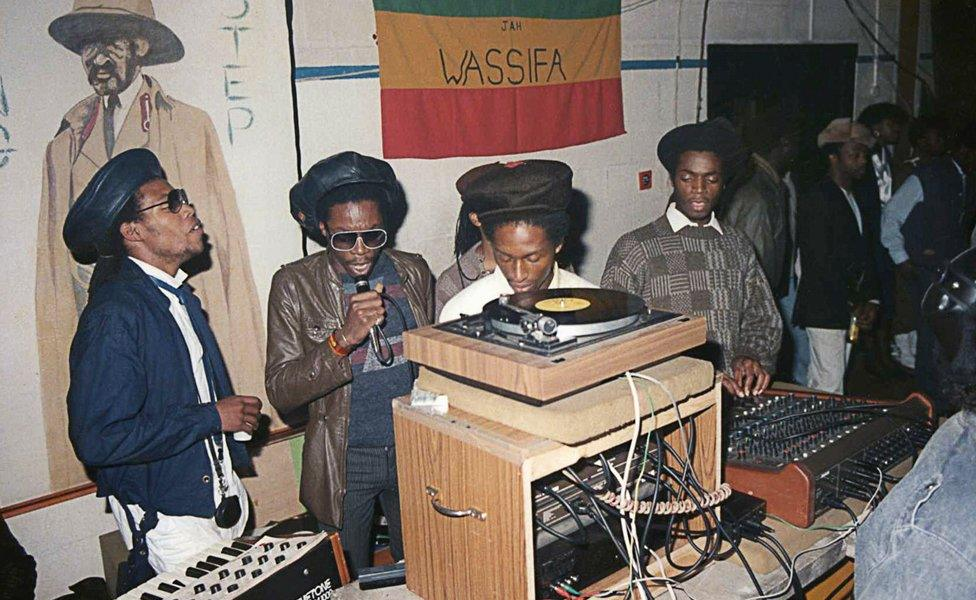
The music lived where its audience lived. It soundtracked house parties, blues dances and youth clubs where Black teens could slow dance away from a hostile wider world.
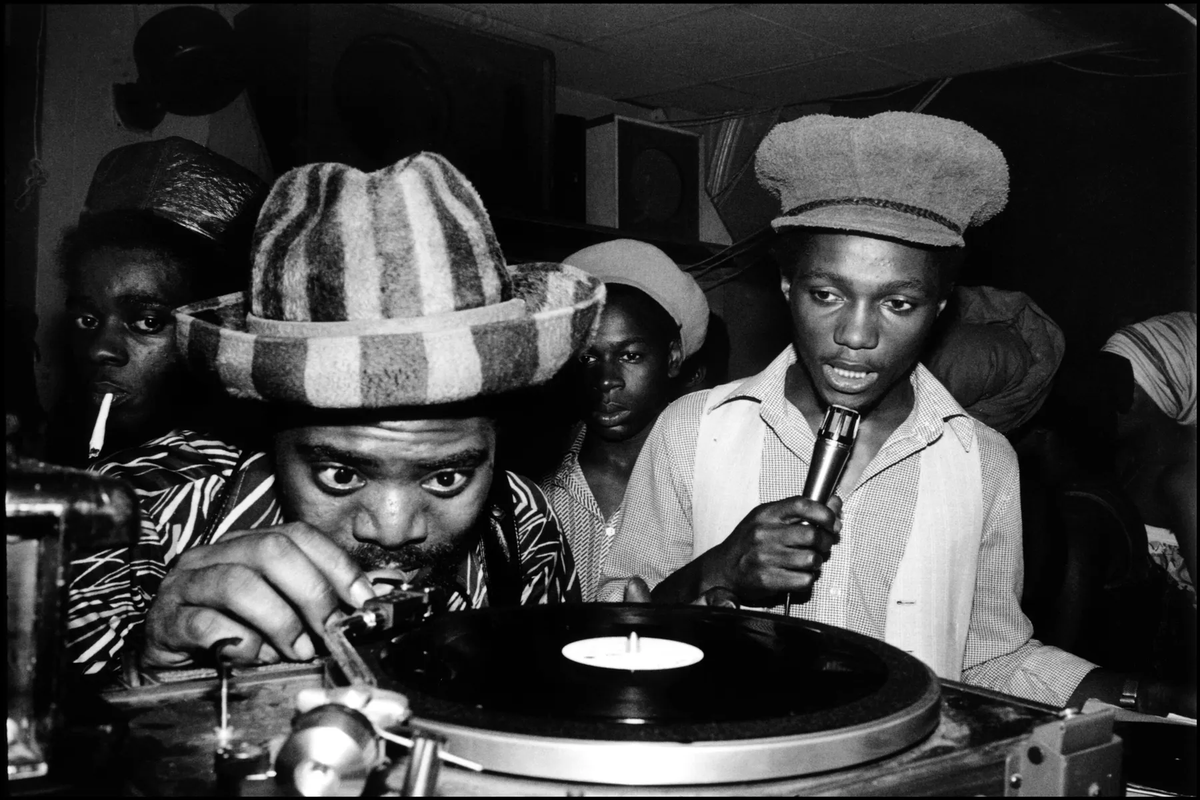
London sound systems such as Chicken Hi-Fi, Success Sound and Soferno B made it a staple, and those late-night sessions turned the style into a culture.
The Artists Who Defined It
If one song carried lovers rock to the mainstream, it was Janet Kay’s “Silly Games.” Produced by Dennis Bovell, it climbed to No. 2 on the UK Singles Chart in 1979, and that soaring falsetto hook remains one of the hardest notes in British pop to sing along to.
Kay is often crowned the “Queen of Lovers Rock,” though some fans hand that title to Deborahe Glasgow, who later worked with the producer Mad Professor, another key architect of the sound.
The roll call runs deep. Carroll Thompson, Sandra Cross and the group 15-16-17 all helped shape the style, while male voices such as Victor Romero Evans and Winston Reedy brought their own smooth touch.
The traffic also ran back across the Atlantic. Jamaican singers including Gregory Isaacs, Dennis Brown and Sugar Minott found lovers rock success, followed later by Freddie McGregor.
In the late 1980s, Maxi Priest carried the sound into the charts again with “Wild World” in 1988 and “Close to You” in 1990.
By the 1990s, dancehall and ragga had largely taken over the airwaves. Lovers rock never disappeared, though.
It stayed a sound system favourite, the selection that comes out when the night slows down and the couples pair off.
Lovers Rock on Screen
A whole new generation discovered the music through Steve McQueen. Lovers Rock, the second film in his Small Axe anthology, is set around 1980 at a blues party and plays almost like a living, breathing dance, with the camera drifting among the bodies as the selector works the crowd. Dennis Bovell himself makes a cameo as a partygoer.
McQueen knew that world first hand, having attended his first blues party as a child with his Aunt Molly. “Music is an integral part of Small Axe, especially Lovers Rock,” he said.
The anthology earned a record 15 nominations at the 2021 TV BAFTAs, and its official soundtrack arrived on Record Store Day, June 12, 2021, through Motown Records UK, featuring a “Lovers Rock Edit” of “Silly Games.”
Not to Be Confused With
The phrase has had a life beyond the genre. Sade titled her 2000 album Lovers Rock, Estelle used the same name for a 2018 album, and The Clash included a song called “Lovers Rock” on London Calling in 1979. All nod to the term, but the genre itself belongs to those South London front rooms.
Why Lovers Rock Still Matters
Lovers rock is more than a softer branch of reggae. It was the sound of young Black Britons building something of their own out of what their parents brought from the Caribbean and what they heard on the radio around them.
Some academics go as far as calling it the first genuine Black British genre, one that paved the way for jungle, UK garage and grime.
Whether you accept that claim or not, the lineage is easy to hear: London youth taking Jamaican foundations and making them speak in a local accent.
Nearly five decades on, those records still fill dances, still soundtrack slow wines and still sound like falling in love for the first time.