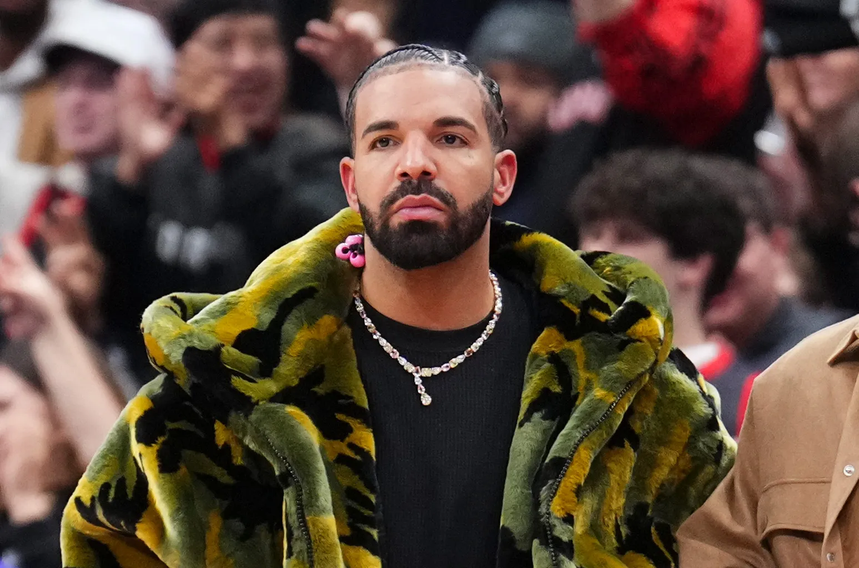

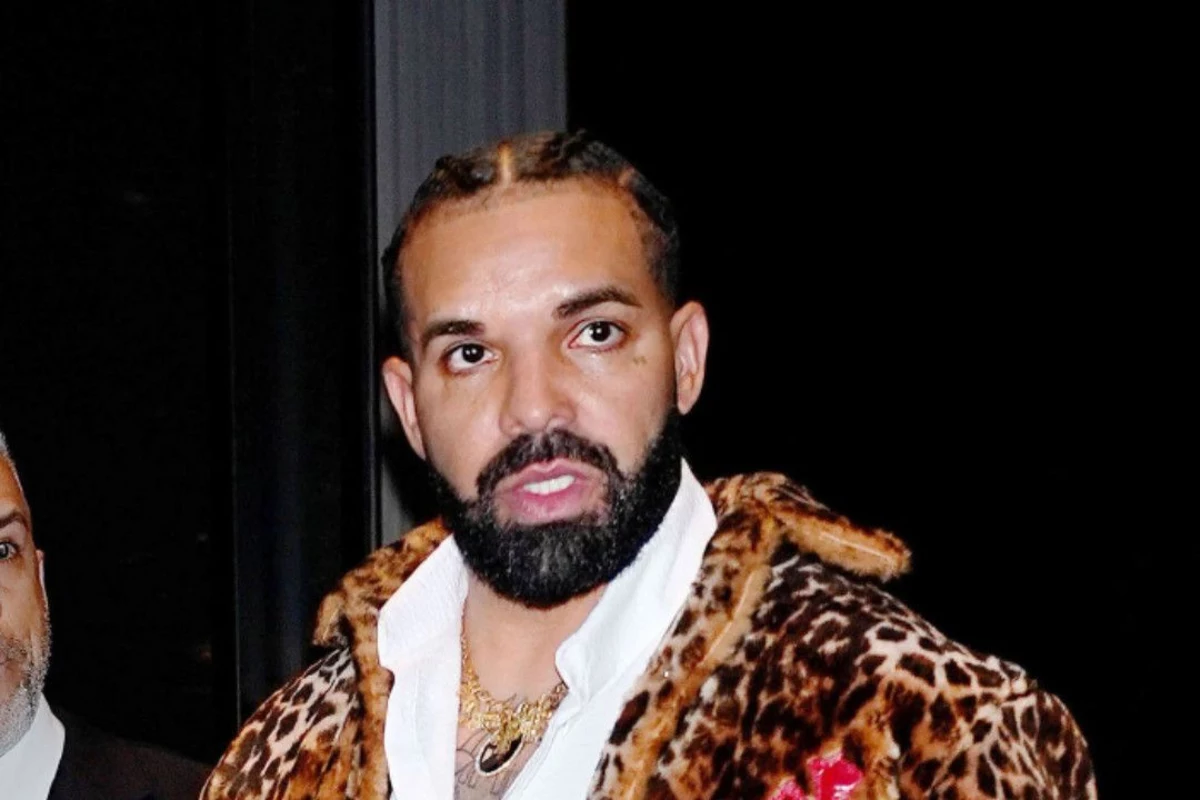
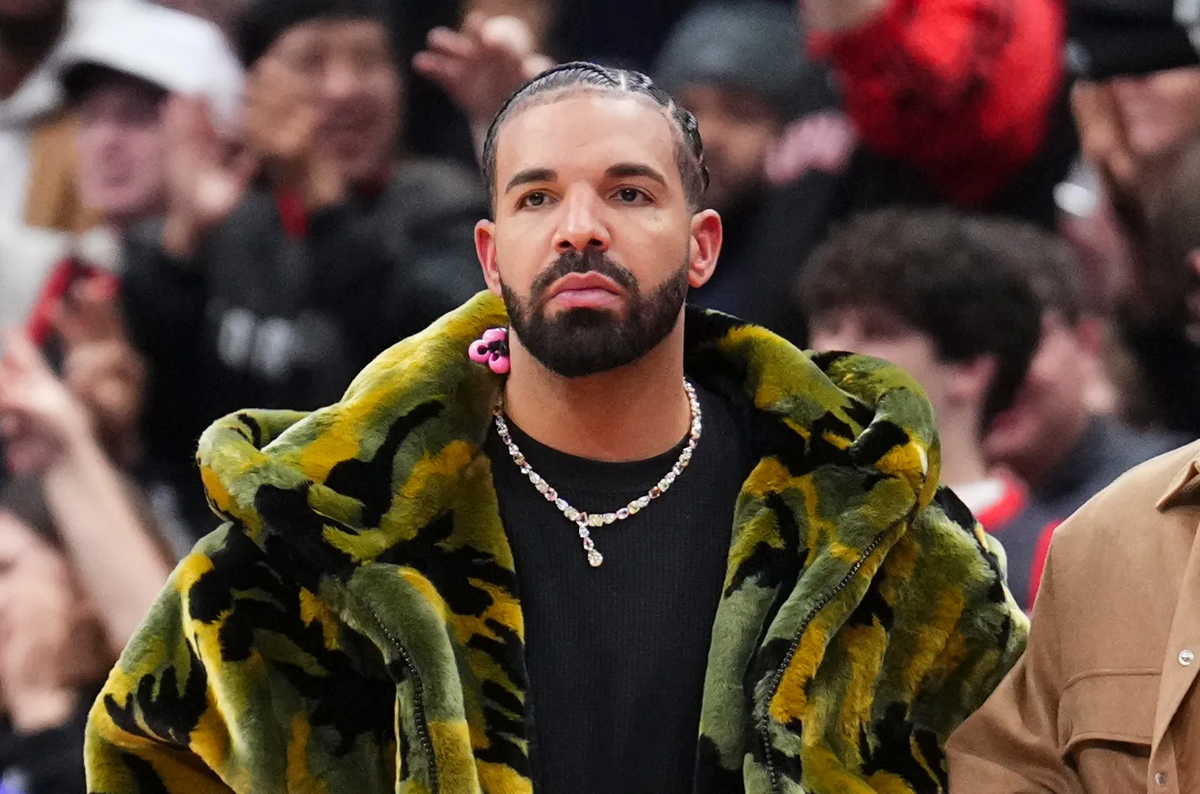
YouTube is coming back to the Billboard charts, and Drake is not celebrating. On Tuesday (Nov. 10), the Toronto rapper reposted a graphic about the news to his Instagram Story and summed up his feelings in five words: “Wtf this game so cooked,” followed by a peeking emoji.
The graphic he shared laid out the decision along with the backstory, including the fact that YouTube had pulled its streaming data from Billboard earlier this year. Drake didn’t elaborate beyond the caption. He didn’t really need to.
His post landed a day after Billboard announced a shift in how paid and ad-supported streams count toward album sales on the Billboard 200 and its genre album charts.
The ratio between paid and free streams is moving from 2.5-to-1 down to 1.5-to-1. In plain terms, it will now take 1,500 ad-supported streams to equal one album unit instead of 2,500.
Paid streams stay where they were, at 1,000 per album unit. Traditional album and track sales aren’t touched at all.
The update came out of Billboard’s annual review of digital consumption, done alongside its data partner Luminate.
That change was enough to bring YouTube back to the table. The platform stopped sharing its data with Billboard in January 2026 after disagreeing with how the charts valued free listening compared to paid subscriptions. YouTube’s argument was simple: the old formula didn’t match how people actually listen to music.
On Monday (Nov. 9), YouTube’s global head of music Lyor Cohen confirmed the platform would return. “We are returning to the Billboard charts starting in 2027.
Billboard’s new methodology better reflects how fans engage with music today across both subscription and ad-supported services,” Cohen said.
Not everyone shares Drake’s frustration. Audiomack executive Brian Zisook welcomed the move, arguing that giving more weight to free listening would mean “greater representation for hip-hop and Latin on the Billboard charts. Long overdue!” For genres whose audiences lean heavily on free tiers, the new math could open real doors.
That makes Drake’s reaction a little more interesting, since rap stands to gain from the shift on paper. His beef seems to be less about who benefits and more about the constant reshuffling of the rules themselves.
This also isn’t the first time he’s taken aim at Billboard’s methodology. In July 2025, when his single “What Did I Miss?” debuted at No. 2 on the Hot 100, he posted a message hinting that rule changes wouldn’t keep him from the top.
“Suppressor on the 1 spot. I’m taking that soon don’t worry one song or another. Rule changes and all,” he wrote at the time.
The new formula kicks in with the first tracking week of 2027, running Jan. 1 through Jan. 7. The Billboard 200 dated Jan. 16, 2027, will be the first album chart to include YouTube data again, and plenty of people, Drake included, will be watching how the numbers shake out.