

Turn on any pop playlist and you will hear Kingston somewhere in the mix: a lazy, rolling bassline, a syncopated snare, a melody that sways rather than marches.
The dancehall influence on pop is not a passing trend or a summer novelty. It is one of the most important musical exports of the last forty years, and it has quietly rewritten how the global charts sound.
The story runs from the sound systems of the early 80s to Sean Paul’s run of number ones, from a teenage Rihanna to Justin Bieber, Drake and Ed Sheeran stacking billions of plays on rhythms born in Jamaica.
It is also a story about credit, about who gets named when a riddim becomes a hit and who gets left out of the conversation.
A Revolution Inside Reggae
Dancehall arrived as a revolution within reggae in the first half of the 1980s. Deejays rode stripped-down riddims, the sound system became the stage, and the music turned faster, rawer and more playful than the roots era before it.
That accessibility is exactly why it travelled. Dancehall was fun, it was danceable, and it did not ask the listener to know anything before they moved.
Over the following two decades the crossover records piled up. Diana King’s “Shy Guy” carried a Jamaican voice into mainstream radio long before streaming existed.
Wayne Wonder’s “No Letting Go” and Sean Kingston’s “Beautiful Girls” proved the sound could live comfortably next to R&B and teen pop.
Even records that were not strictly dancehall, like Shakira’s “Hips Don’t Lie” and Kevin Lyttle’s “Turn Me On,” fed off the same Caribbean bounce that pop audiences were learning to crave.
The Sean Paul Years
No artist opened the door wider than Sean Paul. Born Sean Paul Henriques in Kingston in 1973, he turned “Get Busy” into his first number one in 2002, riding the Diwali riddim, whose handclap pattern was impossible to ignore in clubs on either side of the Atlantic. His album Dutty Rock spun off four Top 15 Billboard hits and won the Grammy for Best Reggae Album.
He did not stop there. Trinity debuted at number five in 2005 and went Platinum, powered by “Temperature,” his third Hot 100 chart-topper. That song alone sold 1,533,362 US digital copies during 2006.
Add his feature on Beyoncé’s “Baby Boy” and Sean Paul had three Hot 100 number ones in three years, a run no dancehall artist had managed before.
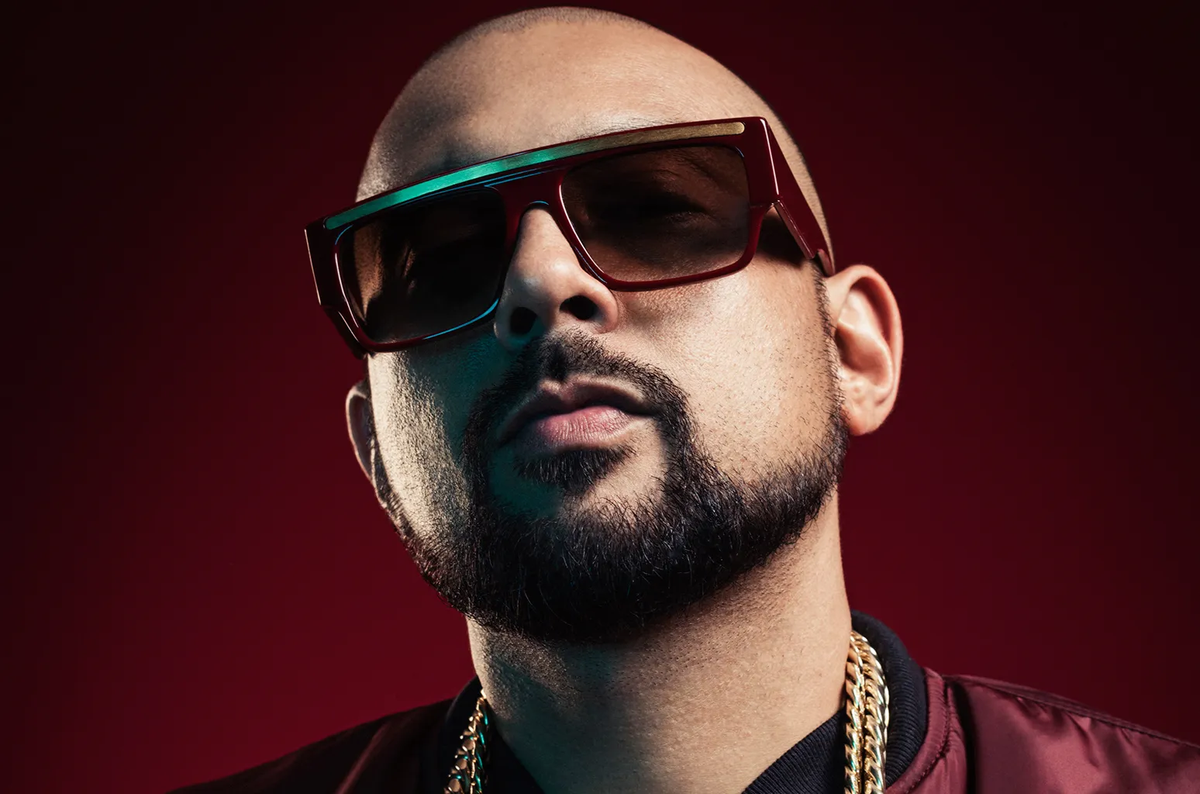
Temperature” has since passed one billion Spotify streams, which tells you how thoroughly it crossed generations.
In that same window a young Barbadian singer named Rihanna released her debut single, “Pon de Replay,” in 2005.
Its parent album, Music of the Sun, leaned openly into dancehall-pop, and the record announced an artist who would return to the sound again and again.
2016: The Year Pop Went to Jamaica
If the 2000s were the opening act, 2015 and 2016 were the takeover. In October 2015 Justin Bieber released “Sorry,” a song built over a dancehall beat by Skrillex.
By 2018 its video had racked up 2.8 billion YouTube views. The floodgates opened. Ed Sheeran’s “Shape of You” and Tory Lanez’s “LUV” followed, and suddenly half of Top 40 radio carried a riddim-shaped pulse.
Rihanna’s “Work,” featuring Drake, landed on January 27, 2016, from the album Anti. Boi-1da sent the finished music to PartyNextDoor, who wrote the lyrics, and Rihanna delivered them in a slurred Caribbean patois that confused some American listeners and delighted everyone who grew up with the sound.
The riddim’s most recognisable sample comes from “Sail Away,” the 1998 riddim produced by Richie Stephens and Mikey 2000.
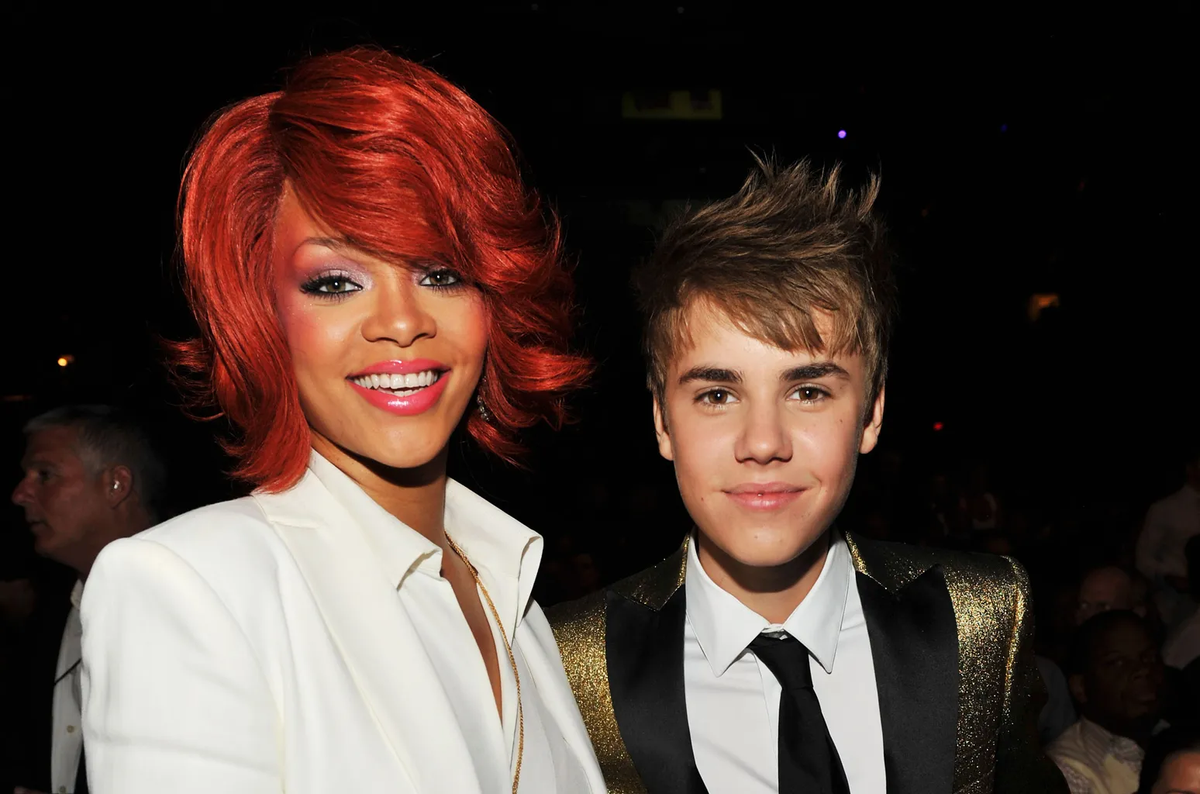
“Work” topped the Canadian chart in March 2016 and went all the way to number one on the Billboard Hot 100.
Then came Drake. He had already flirted with dancehall on his 2015 mixtape If You’re Reading This It’s Too Late, but Views in 2016 was his first full dive into the genre.
“One Dance,” with Wizkid and Kyla, became the second dancehall song of 2016 to top the Hot 100 after “Work.” It reached number one in 15 countries and was the best-performing single in the world that year.
The song grew out of Kyla’s 2008 track “Do You Mind,” which Drake’s team first approached her about using.
It went on to earn RIAA Diamond and BPI 8x Platinum certifications, and Wizkid became the first African artist certified Diamond in the United States.
“One Dance” was only the beginning of Drake’s dancehall chapter on Views. “Too Good,” his duet with Rihanna, carries vocal and lyrical samples of Popcaan’s “Love Yuh Bad.”
“Controlla” stayed on the album without Popcaan’s contributions, swapping in an extra Drake verse and a Beenie Man sample.
As Billboard put it when ranking “Too Good” among the best pop songs of 2016, “Drake hit the jackpot with the dancehall sound of ‘One Dance.'”
Tropical House and the Credit Problem
The bigger the hits got, the louder the arguments became. Rolling Stone’s original review of “Work” described it as “a tropical house-flavored track,” a line that was later edited and that critics still point to as a textbook case of dancehall being whitewashed.
Other outlets reached for phrases like “Caribbean-flavored house beat.” uDiscover summed up the problem neatly: tropical house became a label for dancehall’s influence, “but don’t be fooled.”
Bieber stepped right into the controversy. Asked on DJ Khaled’s First One Podcast whether dancehall and reggae directly inspired “Sorry,” he glossed over the genre entirely. Jamaican artists noticed. Mr Vegas put it bluntly: “Drake is a fake.”
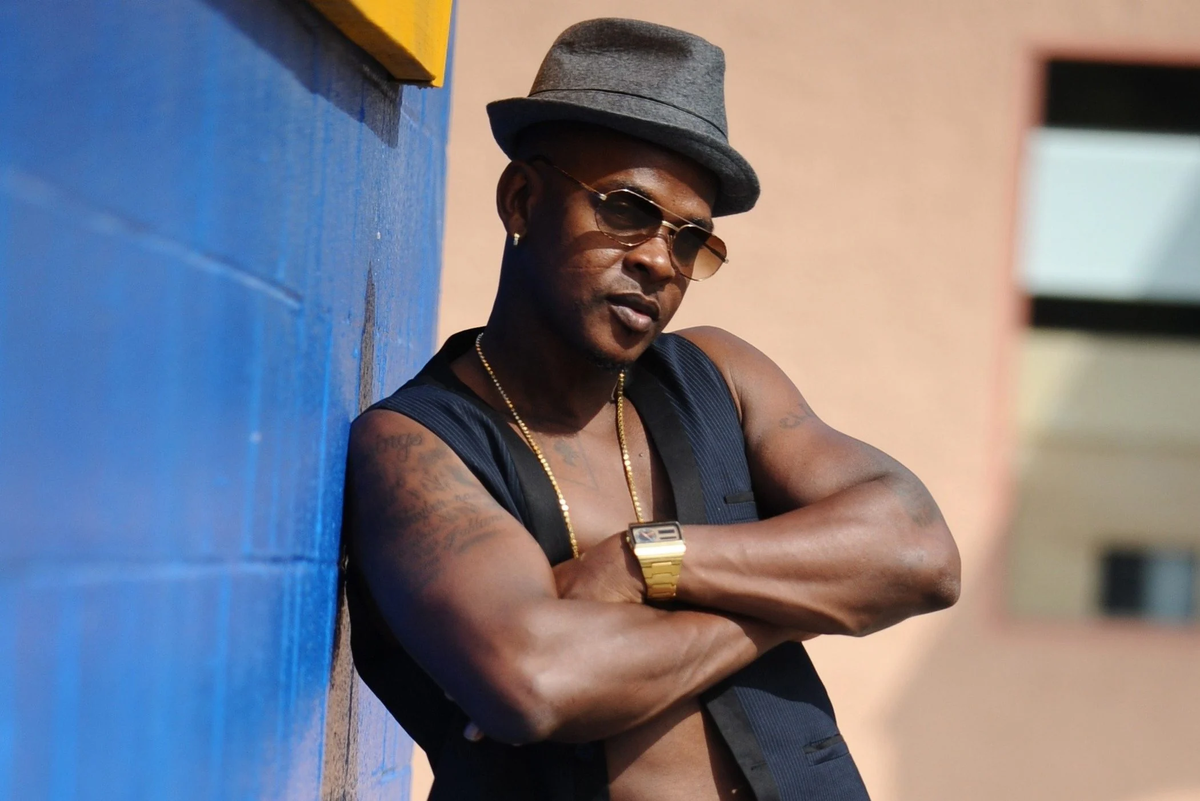
Sean Paul, who had done as much as anyone to make the sound bankable, framed it with weary precision when speaking to The Guardian: “It is a sore point when people like Drake or Bieber or other artists come and do Dancehall-orientated music but don’t credit where dancehall came from.”
The frustration was never about outsiders loving the music. It was about the money, the awards and the cultural authority flowing away from the island that built the foundation.
Where Things Stand in 2026
A decade on, the relationship is more complicated and more mutual. Drake has been Spotify’s most-streamed artist in Jamaica for multiple consecutive years, proof that the island embraced him even as it questioned him. Meanwhile, Jamaican artists are claiming crossover space on their own terms.
Shenseea is the clearest example. She appeared on Kanye West’s “Pure Souls,” which entered the Hot 100, and through the album Donda she earned a featured artist nomination for Album of the Year at the 64th Grammys.
On July 11, 2026, she became the first Jamaican female artist to reach number one on Billboard’s Latin Airplay chart with “Echo (FIFA World Cup 2026)” alongside Daddy Yankee, later earning a Crossover Artist of the Year nomination at the Billboard Latin Music Awards.
Why It Still Matters
Pop has always borrowed, but few genres have shaped its rhythm as deeply as dancehall. From Sean Paul’s Diwali riddim run to Rihanna’s patois on “Work” and Drake’s Diamond-certified summer anthem, the sound proved it could carry the biggest songs on the planet.
What remains unfinished is the recognition. Every time a critic reaches for “tropical house” instead of naming the genre, the debate reignites.
The encouraging part is that Jamaican artists are no longer waiting for permission. Shenseea topping a Latin chart in a World Cup year shows the music travelling outward under its own name.
Dancehall did not just influence pop. It taught pop how to move, and the world is slowly learning to say so.