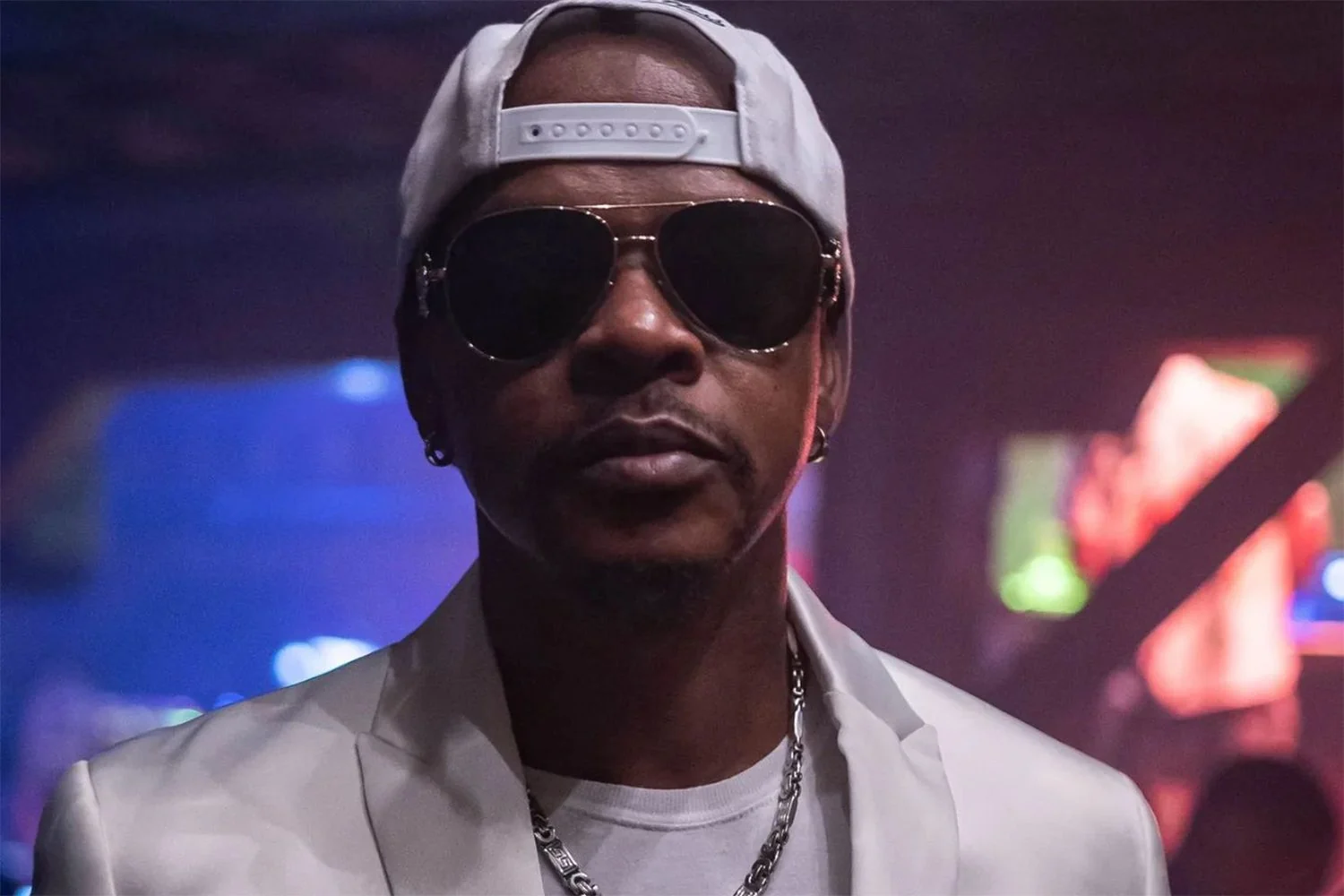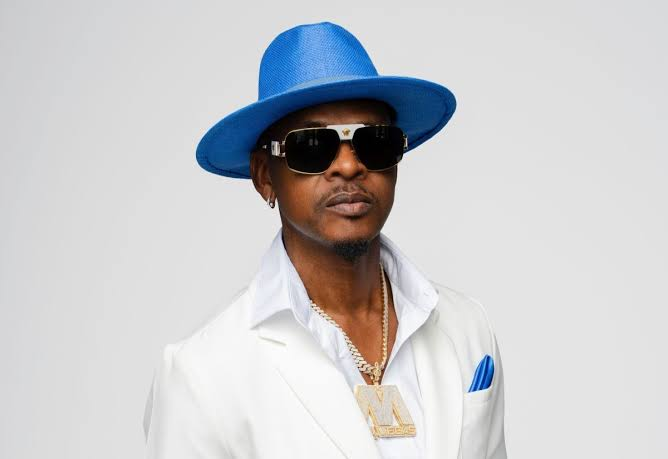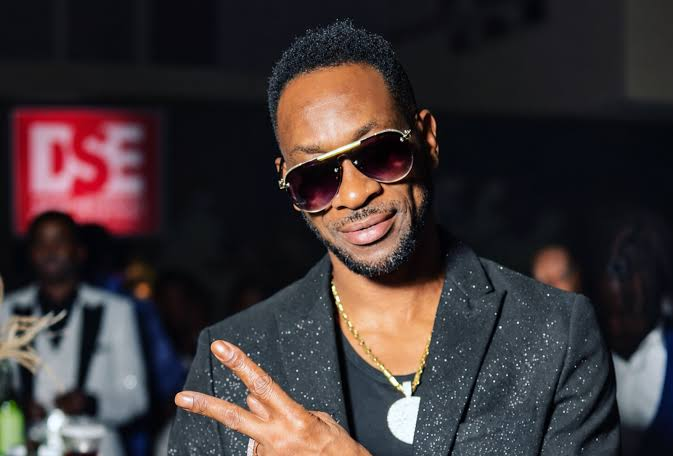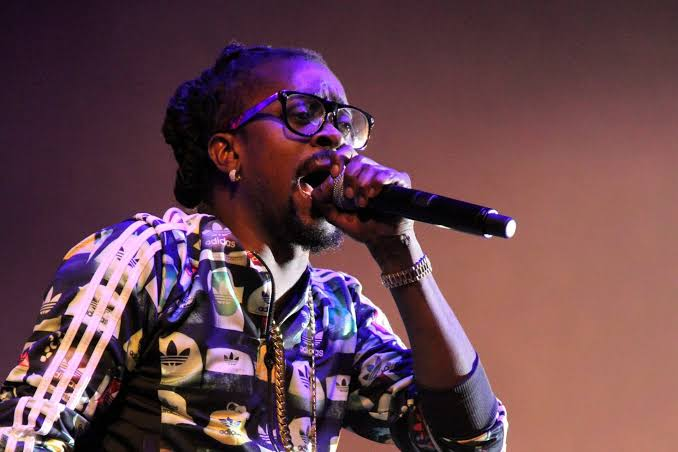

Beenie Man has never hidden the rough edges of his story, and one of the roughest came before the hits.
The dancehall veteran is looking back on the night in 1991 when a Jamaican crowd turned on him, and on how that low point became the starting line for one of the genre’s most storied careers.
“Mandela came to Jamaica and I got booed in the National Stadium,” he said, before adding, “Believe it.”
The following year told a different story. He said he landed a number one song, and he credited Ninja Man, the only DJ he ever went crazy for, with pushing him to sharpen his edge.
When Ninja Man’s gun talk caught fire, Beenie Man responded the way he says too few artists do. “I got to go back to studio because a lot of artists don’t go back to studio,” he said.
That return to the studio brought something unexpected. This guy come from nowhere,” he recalled, describing the arrival of a rival who would become Bounty Killer, the artist whose name has been tied to his ever since.
Beenie Man traced the friction back to his status as a child star in a business where, he said, “everybody wanted to be a child star.”
By his count he had already been through more than 200 clashes by the time the rivalry took shape around 1992.
The two first met face to face the next summer, at what he remembered as a Stone Love anniversary event.
He insisted the intimidation never worked on him. “They can’t frighten me. I’m not easily frightened,” he said. He admitted he walked onstage that night thinking the show was nearly over. “I didn’t know that he was the first person on stage,” he explained. He said the crowd quickly made it clear who held the room, because, in his words, “the audience know who I am.”
His approach, he added, has always been the same whether a clash is serious or not. “I entertain the audience. That’s what I’m here to do,” he said.
The real showdown came that December at Sting in 1993. Beenie Man said he was mid performance when Bounty Killer walked onto his stage, and he did not take kindly to the finger pointing that followed. “Pointing in my face is not something that you do in stage,” he said.
According to Beenie Man, his fans grew angry and the clash ended early. By the next morning, he said, it was all anyone could talk about, and when the rematch was expected the following year he was away touring. He joked that the show was boring without him.
From there, his career moved quickly. “I was out of there. I was on Billboard. I was everywhere,” he said, listing stops including “England,” “Canada” and “America,” along with the Caribbean, Africa and Japan.
That run shaped his philosophy that “you have to go in the studio, work hard in the studio, but work harder on stage,” and that the work is also about representing for Jamaica.
Decades later, the rivals met again for their Verzuz battle, held face to face during the COVID period, when people were not supposed to be gathering. Beenie Man said police arrived after spotting a crowd of cars and found a packed room. He told them, “We’re live with a million people.”
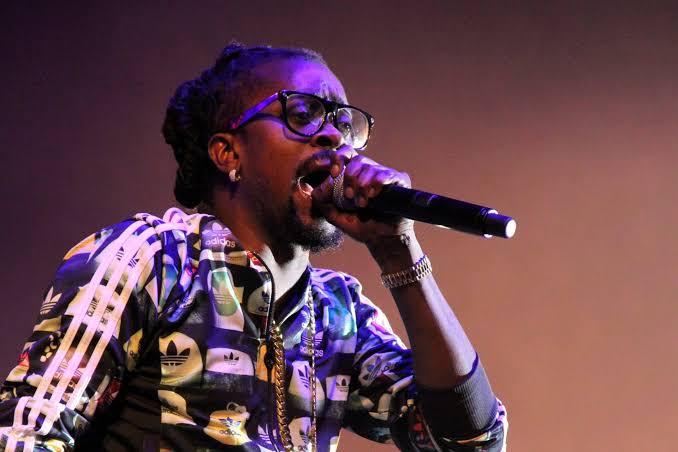
What settled the matter, he said, was a simple question and a well placed name. He asked the officer if he wanted to be the one to shut it down, noting that “the prime minister is on the phone.”
The tone shifted immediately, he recalled, with the officer replying, “Mr. Davis, I don’t want to be that guy.”
For Beenie Man, the night was never about hostility. “It’s a celebration,” he said, calling it a nice party and pointing to more than three decades in the business. “I’ve been here for over 30 years,” he said. “You don’t want to be that guy.”