
Somewhere in Kingston in the late 1960s, a voice went missing from a record, and nobody in the dance asked for it back. That gap became a genre.
The history of dub music is the story of Jamaican engineers who stripped reggae back to drums and bass, then rebuilt it live at the mixing desk with echo, reverb and delay.
In their hands the console became an instrument as expressive as any horn section.
It is also the story of the remix itself. Long before club DJs in New York or London were reshaping records, sound system men in Spanish Town and Waterhouse were dropping vocals in and out, flinging snares into space and letting basslines shake the walls.
Here is how it happened, who did it, and why the echo is still ringing.
Sound System Wars and the Missing Vocal
Dub was born out of competition. Operators such as Coxsone Dodd, Duke Reid, Prince Buster and Tom the Great Sebastian lived and died by exclusive recordings, and the weapon of choice was the dubplate, a one-off acetate cut for a single sound.
The word “dub” was already used in Jamaica for other things, which may be why it stuck so easily once the music claimed it.
The most famous origin story begins around 1967 or 1968. Rudolph “Ruddy” Redwood of the Supreme Ruler of Sound went to Duke Reid’s Treasure Isle studio to cut a dubplate of The Paragons’ “On The Beach”.
According to Redwood, engineer Byron “Smithy” Smith left the vocal off by mistake. Bunny Lee remembered it differently: Redwood told Smithy to “make it run” just as the voice was due, and handled the “drop in the voice, drop it out” himself.
Either way, Redwood took the plate to a dance in Spanish Town, switched between vocal and instrumental, and the crowd went wild. He then persuaded Duke Reid to start pressing instrumental versions on B-sides.
Not everyone accepts Redwood as the first. Rival tellings credit King Tubby, sometimes on the Techniques’ “You Don’t Care”, and Record Collector’s Ian McCann argues that Prince Buster’s echo-drenched remix of “Dark End Of The Street” beat Redwood “good and proper”.
What nobody disputes is that a Treasure Isle rhythm gave birth to the version, and the version gave birth to everything after.
King Tubby and the Waterhouse Laboratory
Osbourne Ruddock, born 28 January 1941, was a repairman who cut discs for Duke Reid before launching Tubby’s Hometown Hi-Fi in 1968.
When U-Roy toasted on his sound, the crowd reaction pushed Tubby to make more instrumentals, feeding the deejay style that would later flow into MCing and rap.
In 1971 he opened his Waterhouse studio around a 4-track mixer bought from Byron Lee’s Dynamic studio, and he designed or adapted much of his own gear.
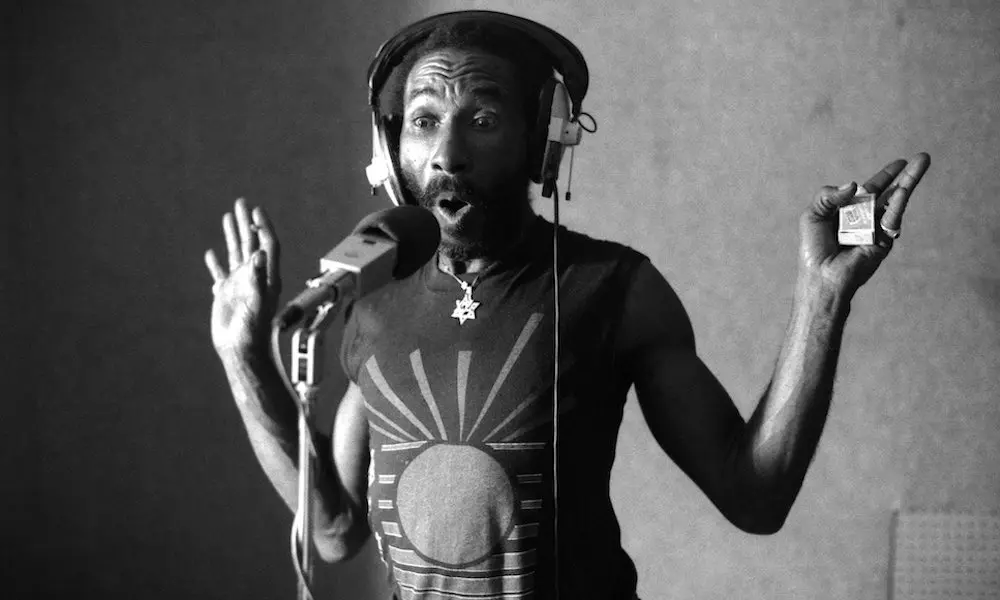
By the end of that year he was already supplying dub mixes for Glen Brown and Lee Perry. Bunny Lee pushed him further with what he called “implements of sound”, urging wilder mixes full of thunderclaps and gunshots.
The National Library of Jamaica credits Tubby with developing the dub mix and putting bass and drums in front between 1969 and 1974, and his name appears as mixer on well over 100 albums.
King Tubby truly understood sound in a scientific sense,” Mikey Dread said. His protégé Scientist put it more bluntly: Tubby “pretty much invented the modality of dub”.
1973: The Dub Album Arrives
By 1973 dub had outgrown the B-side. Lee Perry and the Aquarius team of Herman Chin Loy and Errol Thompson began releasing albums made entirely of dub.
Perry’s Blackboard Jungle Dub, released that spring, has a strong claim as the first of them all, a wide, strange record that treated space and silence as seriously as rhythm.
The following year Keith Hudson delivered Pick a Dub, widely regarded as the first deliberately thematic dub LP, while Tubby answered with At The Grass Roots of Dub and Surrounded by the Dreads at the National Arena.
Dub was now an art form people bought to listen to, not just a tool for the dance.
Lee “Scratch” Perry and the Black Ark
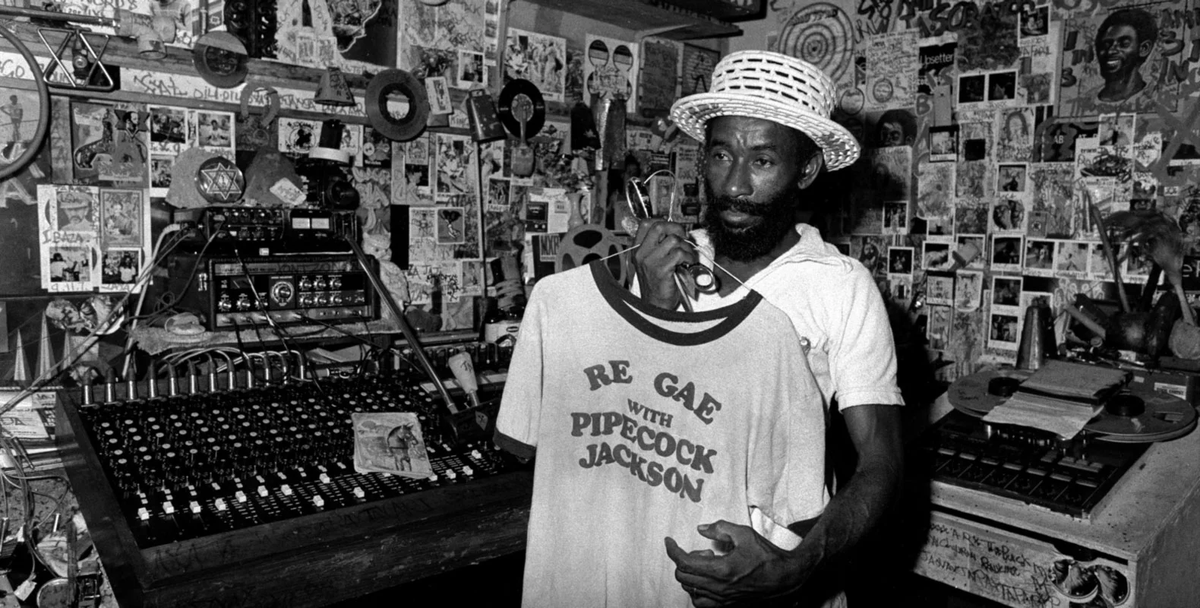
Perry began building the Black Ark in 1973, inspired in part by Tubby’s early experiments, and turned it into reggae’s most mysterious workshop.
Super Ape, released in 1976 and recorded on four-track equipment, sounds like a jungle at night: murky, humid and alive.
The same room produced Max Romeo’s War Ina Babylon and Junior Murvin’s Police and Thieves, released internationally on Island, and The Clash were quick to cover “Police and Thieves.
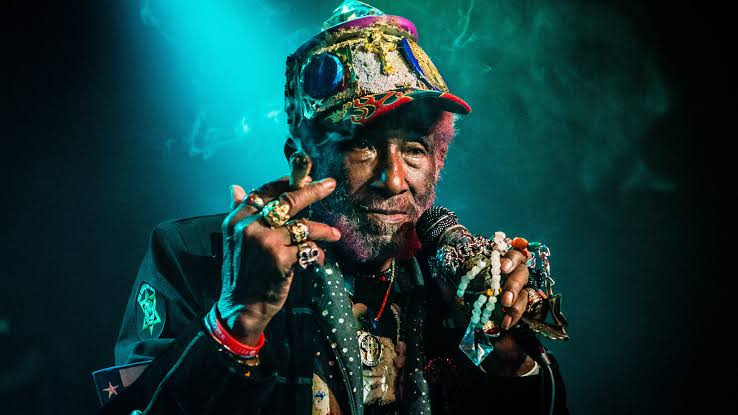
Perry described dub as “The ghost in me coming out”, and the writer John Corbett has even suggested the word itself might come from “duppie”, the Jamaican ghost, pointing to Burning Spear’s dub album Garvey’s Ghost.
Perry’s own story turned dark when he set fire to the Black Ark in 1979 after a breakdown. He lived on as a restless spirit of the music until his death on 29 August 2021, aged 85, in Lucea, Hanover. “
My music is a spiritual force from the Holy Trinity,” he once said, and few who heard it would argue.
The Next Generation
Tubby’s studio was also a school. Prince Jammy, later King Jammy, came up there as a dub master, stepping in when Philip Smart left for New York.
His digital “Sleng Teng” riddim is widely credited as reggae’s first digital riddim, opening the door to modern dancehall.
Hopeton Brown, better known as Scientist, carried the torch into the 1980s with records like Scientist Meets the Space Invaders and Scientist Rids the World of the Evil Curse of the Vampires, both from 1981. “The key element in dub reggae is a recomposition of original music,” he explained.
Tubby himself kept moving. By 1988 he was releasing computer-generated music with Courtney Melody, Pliers and Ninjaman.
On 6 February 1989 he was shot dead outside his Duhaney Park home in St Andrew after a session at Waterhouse, a loss the island still feels.
Echoes Abroad
Dub travelled fast. In mid-1970s Britain, roots reggae and dub won over punks, The Clash among them.
Guyanese-born Neil Fraser, the Mad Professor, has released dub on his Ariwa label every year since 1978, steering twelve volumes of Dub Me Crazy and reimagining Massive Attack’s Protection as No Protection in 1995.
In New York, Kingston-born Kool Herc brought big, bass-heavy sound systems to the Bronx, and his parties are credited with kick-starting hip-hop in 1973.
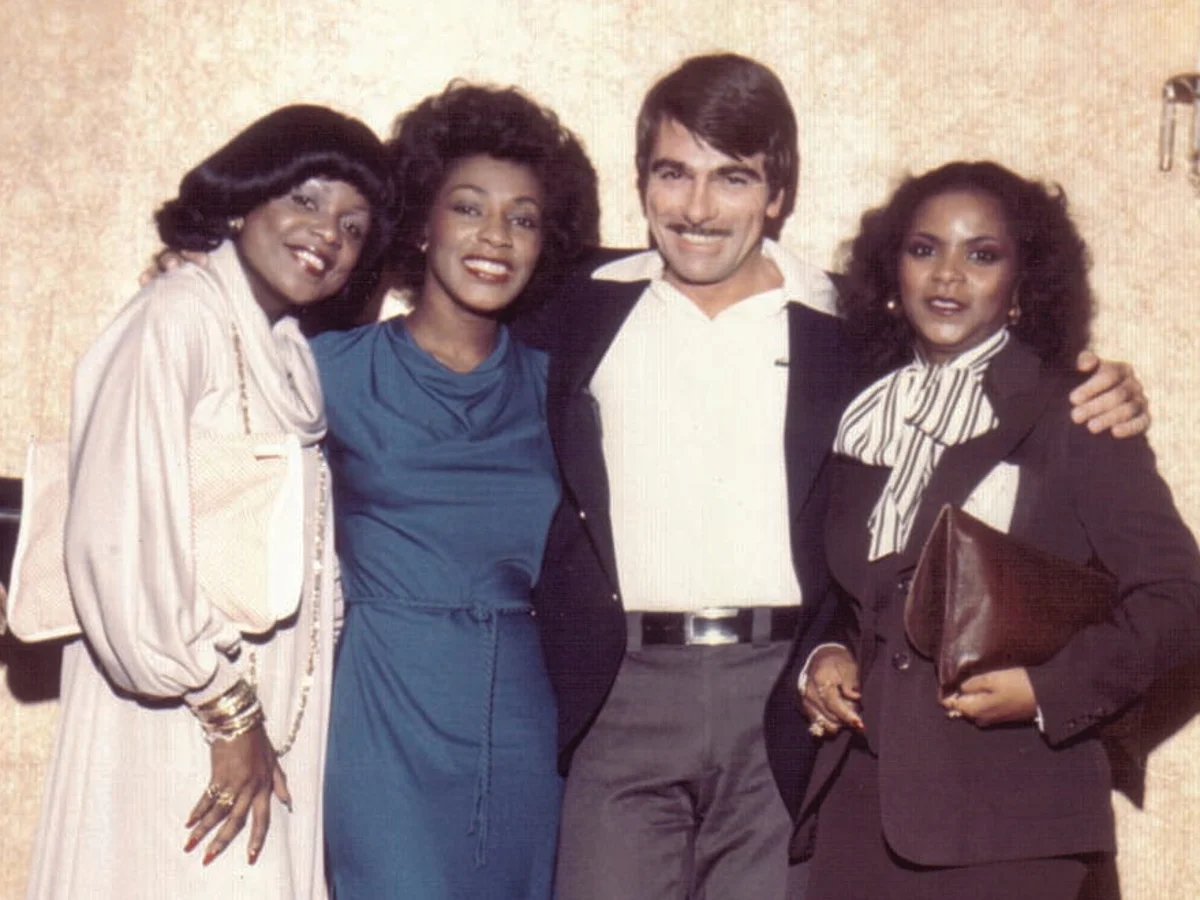
Disco’s Tom Moulton is often hailed as a remix pioneer, yet his happy accident came after Redwood’s.
Dub became a foundation for jungle and drum and bass and a major influence on dubstep, the early-2000s London sound of syncopated rhythms and wobbling basslines.
In Berlin, Basic Channel, formed in 1993, fused dub’s echo with techno, and as Rhythm & Sound they later made faithful Jamaican-style dub with vocalists.
Why Dub Still Matters
Every time a producer mutes a vocal, throws a delay on a snare or builds a new track from an old one, they are working in a language Jamaica wrote.
Dub proved that a recording is never finished, that the engineer can be an artist, and that subtraction can be as powerful as addition.
It turned a sound system trick into a philosophy that shaped hip-hop, British bass music and techno alike.
The writer David Toop captured it best: “Dub music is like a long echo delay, looping through time.”
From a missing vocal at Treasure Isle to the clubs of Berlin and London, that loop has never stopped, and every remix still carries a little of Kingston’s ghost inside it.