

Ask a Jamaican elder for the duppy meaning and you will rarely get a one-line answer.
You will get a story about a cotton tree on a dark road, a cousin who swore something followed him home from a nine night, or a warning never to wash your face with rice water after sundown.
Put simply, a duppy is a ghost or spirit in Jamaican Patois, but the word carries a whole world of belief with it.
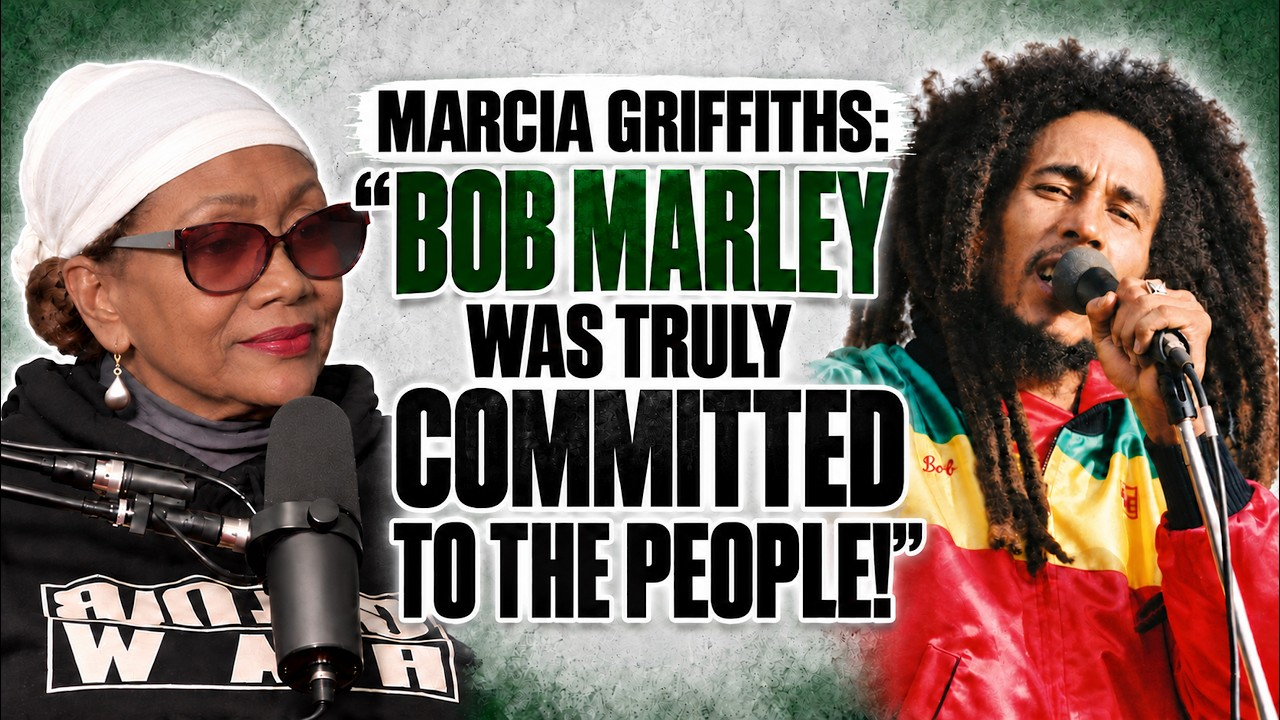
That world runs from rural yards to the biggest stages in music. Bob Marley sang about conquering duppies, dancehall artists have used the word to drag rivals, and Drake took it global.
Here is what the word means, where it came from, and how it still moves through everyday Jamaican talk.
What Does Duppy Mean?
A duppy is a ghost or spirit. The word is used in Jamaica, The Bahamas and Barbados, and it works as both singular and plural, so one duppy or a whole yard full of duppy.
In many islands of the Lesser Antilles, the same kind of spirit goes by another name: jumbie.
In Jamaican understanding, a duppy is the spirit of a dead person showing itself, sometimes in human form and sometimes as an animal.
Duppies are generally seen as malevolent and are said to do most of their haunting at night. Still, not every duppy means harm.
Bad duppies are believed to be “set” on people through obeah, while good duppies are departed friends and family who “dream” you, turning up in your sleep to give advice or a warning.
Folklore also gives the word a second, lesser-known sense: a race of mischievous little people, closer to fairy folk than to restless dead.
Where the Word Comes From
“Duppy” is of African origin, carried to the Caribbean by enslaved people along with the beliefs it names. The exact root is still debated.
One proposal points to the Ga word Adópé, meaning dwarf, which fits neatly with the “little people” sense of the word.
An Akan origin is often considered more likely, and other accounts look further south to Central African and Bantu folklore.
The safest summary is that duppy is African, probably West African and possibly Akan, and the details remain an open question.
What is not in doubt is how deep the word runs. It belongs to the core layer of African vocabulary that survived slavery and shaped Jamaican speech.
Good Duppy, Bad Duppy: The Folklore
Traditional belief holds that a person has two souls, one good and one earthly. At death the good soul goes to heaven, while the earthly one stays with the body for three days and can slip free as a duppy if the right precautions are not taken.
That belief sits at the heart of the nine night. According to the Gleaner, some believe the duppy rises on the third day after burial, returns to the house to wander among its belongings, and finally leaves on the ninth night.
The wake gives the dead a proper send-off and makes sure they actually go
The rules around death are precise. You should not throw out the water used to wash a corpse without first telling the duppy.

When leaving a wake, quietly touch the person walking out with you, without announcing it, so the duppy does not follow you home.
Duppies are said to live at the roots of cotton trees and in bamboo thickets, which is why some country paths still feel heavier after dark.
Protection comes in many forms: eating salt, wearing your clothes inside out, calling on “Jesus Christ,” or scattering peas, rice or sand so the duppy is forced to stop and count every grain.
And then there is the old warning: “if yuh wash yuh face with rice water in the night, yah guh see duppy.”
The duppy also has a wider family of named spirits, including the Rolling Calf, the Three-footed Horse and Old Higue.
For generations, these stories also served a practical purpose: keeping children close to the house once night fell.
The tradition is very much alive. In August 2026 the Gleaner profiled artist Richard Nattoo, whose work draws on the duppy stories of his rural Jamaican childhood.
How “Duppy” Shows Up in Everyday Talk
Beyond ghost stories, the word gets real mileage in daily speech.
Put “duppy” in front of a food and it becomes the inedible or false version: duppy chocho, duppy soursop, duppy cherry, duppy tomato.
The logic, as the Gleaner puts it, is that what is good for the duppy is bad for humans. If it has duppy in the name, leave it alone.
“Duppy know who fi frighten an who fi tell good night” is one of the best-known Jamaican sayings. It means the weak or timid get picked on while the strong get respect, because even a spirit chooses its targets.
Another, “Bull buck and duppy conqueror,” describes the swaggering hard man who fears nothing, natural or supernatural.
Through the diaspora, the word has found a new life in Multicultural London English, where to “duppy” someone or something means to kill it, often in the sense of destroying a rival or an argument.
Duppy in Reggae, Dancehall and Beyond
Music has kept the word in heavy rotation. Bob Marley & The Wailers released “Duppy Conqueror” in 1970, produced by Lee Perry.
The story goes that Perry told Marley “we are duppy conquerors,” and Marley built a song around it. Its central line, “I’m a duppy conqueror,” is a boast of freedom after being “accused many a times,” turning the old proverb into a statement of spiritual and personal victory. The track later appeared on the Trojan compilation Rasta Revolution in 1974.
The same sessions gave the world “Mr. Brown,” based on a Jamaican rumour about a duppy riding a three-wheeled coffin with three talking John crows.
Glen Adams wrote the lyrics, and the backing track had originally been cut for “Duppy Conqueror” before being set aside.
Bunny Wailer added “Duppy Gun” to the catalogue, and in 2008 Demarco turned the proverb into a dancehall hit with “Duppy Know Who Fi Frighten.”
Tony Matterhorn’s 2011 “Dancehall Duppy” took aim at artists who call each other out from the shadows without facing the issue, which is exactly how a duppy operates.
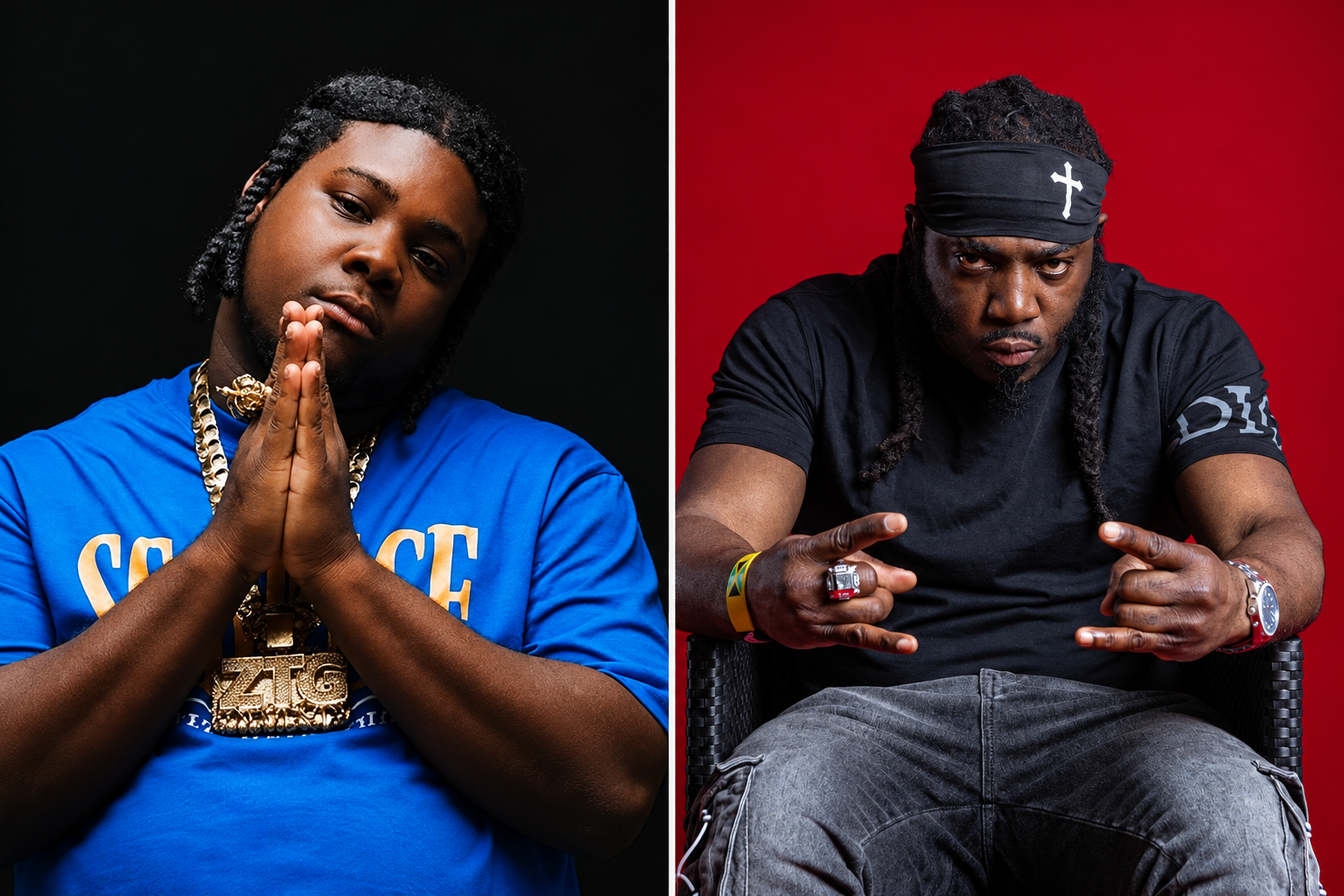
In 2018 the word went worldwide when Drake released “Duppy Freestyle,” his diss aimed at Pusha T, produced by Boi-1da and Jahaan Sweet.
The title cast his rival as a malevolent spirit, and millions of listeners suddenly started searching for what a duppy actually was.
Why Duppy Still Matters
Duppy is more than a spooky word. It is a thread running from African languages through slavery, the yard, the graveyard and the nine night, all the way to Studio One-era reggae, sound system clashes and global rap beef.
It names the dead who will not settle, the family who come back in dreams, the fruit you should not eat and the coward who gets picked on.
That range is why the word refuses to fade. Every time a dancehall artist calls out a “duppy” rival or a grandmother scatters rice at the door, the culture is speaking in one of its oldest voices.
Learn what duppy means and you learn something about how Jamaica remembers, protects itself and talks back.