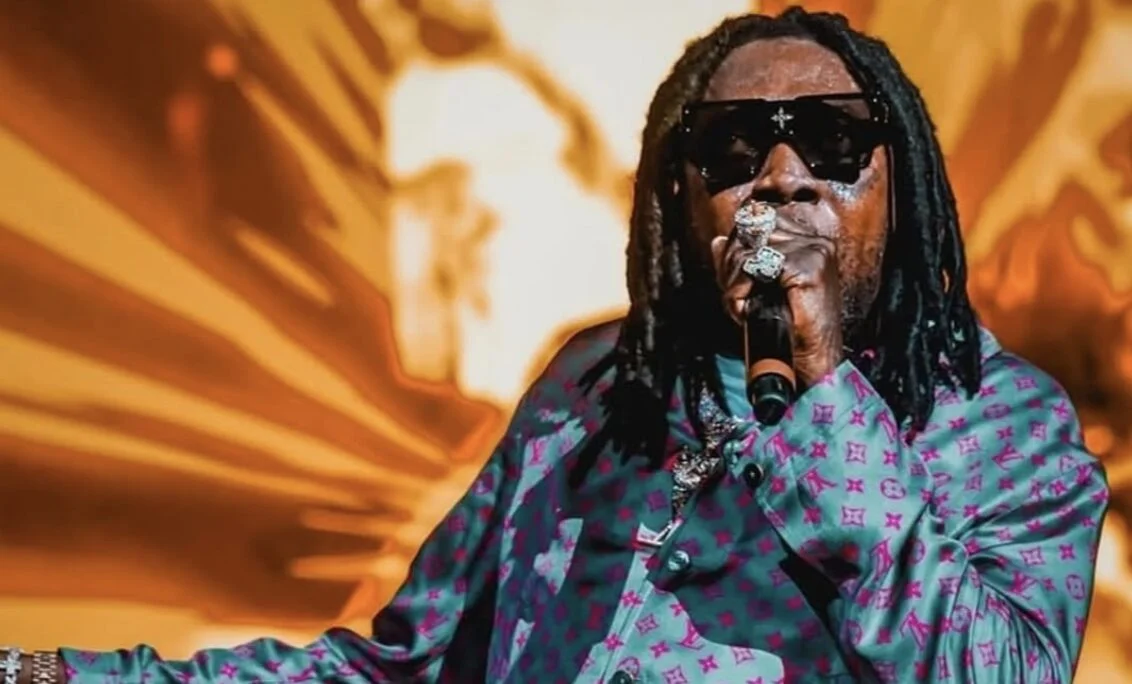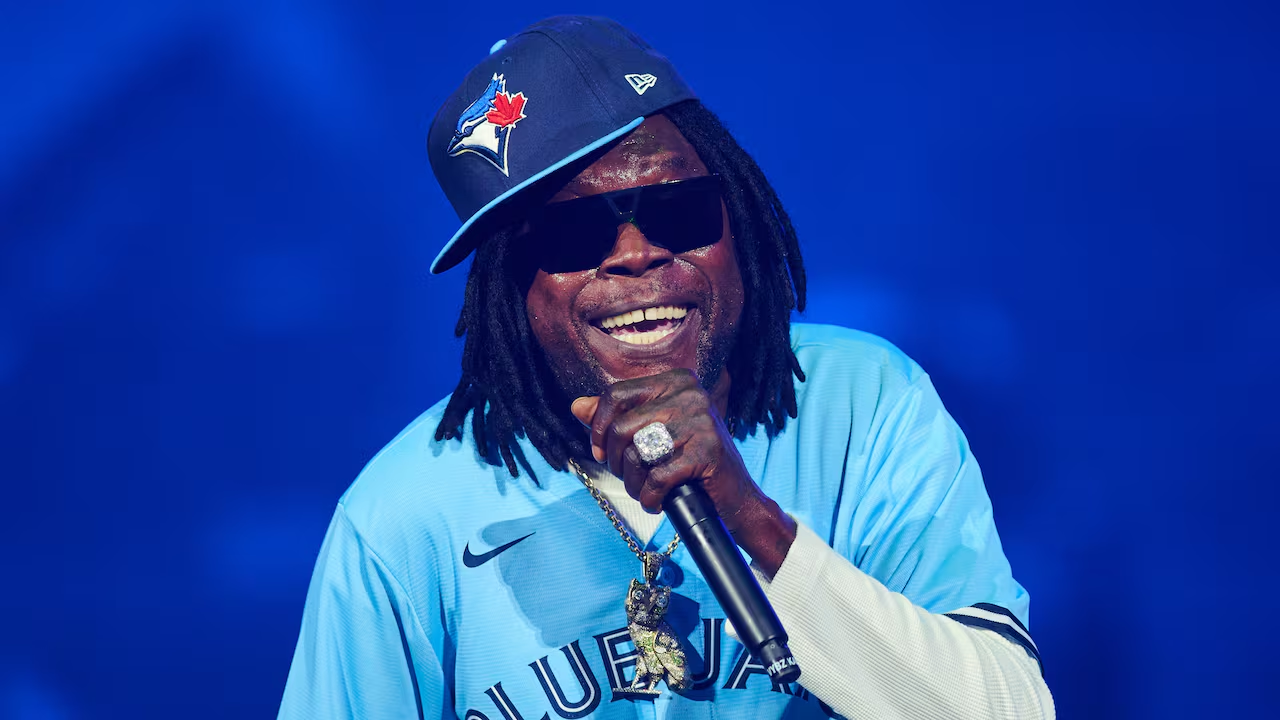

Eight million plays. That’s how many times Eminem’s stolen, unreleased tracks were accessed after they slipped out of his Detroit operation, and the person selling them turned out to be someone who had been on the inside for 14 years.
Joseph Strange, 48, pleaded guilty in the Eastern District of Michigan to one count of criminal infringement of a copyright.
The U.S. Department of Justice announced the plea on Thursday, roughly 18 months after Strange was first arrested.
Strange worked for Eminem in Detroit from 2007 to 2021. That stretch covers a huge portion of the rapper’s later career, which makes this feel less like a random hack and more like a breach from someone close to the work.
According to the criminal complaint, Eminem first learned in January 2025 that some of his unreleased music was floating around online and being sold.
The FBI got involved, and investigators tracked down multiple people who had bought the songs. Those buyers pointed to Strange as the seller.
The government isn’t softening its language. Joseph Strange abused a position of trust to unlawfully copy and sell unreleased music belonging to Eminem, profiting from works that were not yet authorized for public distribution,” said Assistant Attorney General A. Tysen Duva of the Justice Department’s Criminal Division.

Duva added that Strange’s conduct “undermined both legal and artistic rights,” and said the division would keep working with law enforcement partners to “deter and disrupt these crimes.” The Justice Department put the value of the leaked tracks at $750,000.
The FBI’s Detroit office took a similar line. Special Agent in Charge Jennifer Runyan said the plea “reinforces a simple principle: accountability follows those who compromise the integrity of another person’s creative labor.” She also thanked Mathers Music Studio, which carries Eminem’s legal surname, for cooperating throughout the investigation.
The plea is narrower than where the case started. Strange was originally charged with both criminal infringement of a copyright and interstate transportation of stolen goods, but he only pleaded guilty to the copyright count.
That still carries real weight. He faces up to five years in prison when he’s sentenced on January 27.
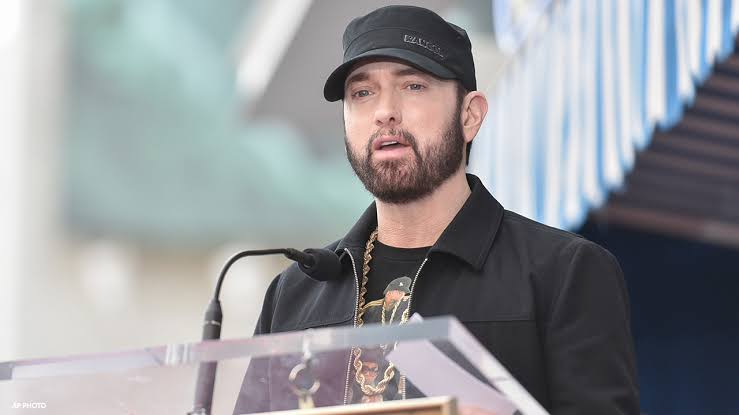
For fans, the case lands in an awkward spot. Unreleased material from major rappers has long circulated in buying and trading circles, and some listeners treat vault tracks as collectibles rather than stolen property. Here, the buyers became the trail that led investigators straight to the source.
The timing adds another layer. Eminem’s most recent album, The Death of Slim Shady (Coup de Grace), arrived in July 2024, only months before he discovered the leak, and the public still doesn’t know exactly which songs got out.
Eminem himself has stayed quiet so far. A rep for the rapper did not immediately respond to a request for comment, so the next real word on this may come from a Detroit courtroom in January.