
Reggae has always belonged to the yard and the street, but it beats loudest when it sings about chains and the breaking of them.
From rocksteady jail stories to roots anthems that crossed oceans and rang out at a nation’s birth, the best reggae songs about freedom turn suffering into something you can skank to, march to and pass down to the next generation.
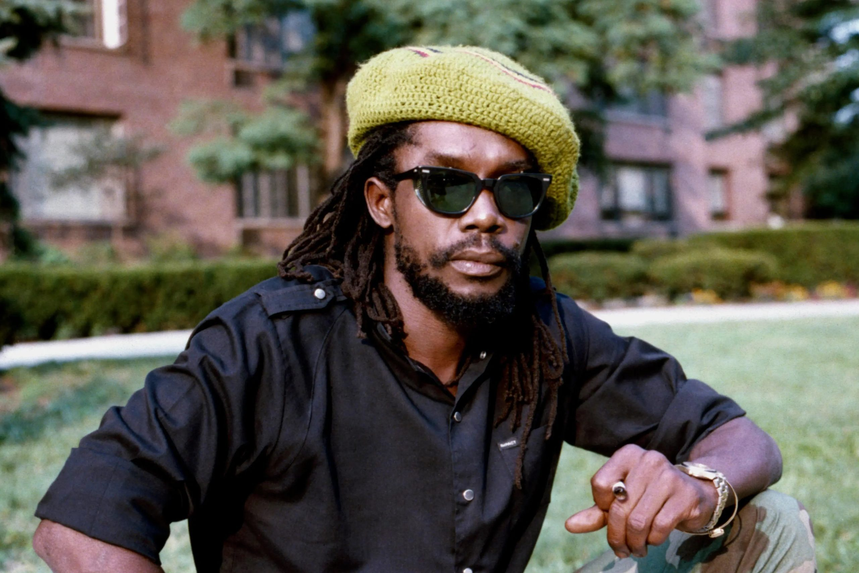
This week the subject carries extra weight. Peter Tosh would have turned 82 on Monday. Legalize It has just marked its 50th year. Saturday is the anniversary of Paul Bogle’s execution after the Morant Bay Rebellion.
So here are the 12 records that say it best, strongest first, from Bob Marley’s acoustic farewell to the fire that came out of Lee “Scratch” Perry’s Black Ark.
1. Bob Marley & The Wailers, “Redemption Song” (1980)
No riddim, no band, no Barrett brothers. Just Marley, an acoustic guitar and a voice that already knew time was short. It closes Uprising, his twelfth album, and it came out as a single on 7 October 1980.
Its most quoted lines come from Marcus Garvey’s speech “The Work That Has Been Done”, which Marley was reciting publicly as early as the Amandla Festival in July 1979.
He cut at least 15 full band versions before Chris Blackwell suggested a bare acoustic take might hit harder, and he was right.
At his final concert, in Pittsburgh on 23 September 1980, Marley introduced it as “this little song.”
Rolling Stone ranked it No. 66 among the greatest songs of all time in 2004, and it remains reggae’s most direct sermon on mental emancipation.
2. Bob Marley & The Wailers, “Get Up, Stand Up” (1973)
If “Redemption Song” is the meditation, this is the rallying cry. Peter Tosh and Bob Marley wrote it together for the Wailers’ 1973 album Burnin’, and it ties political resistance to a rejection of spiritual deception.
Its point is that you cannot wait on heaven to fix what people are doing to you on earth. The chant structure was built for crowds, and crowds took it everywhere.
It sat on the set list on Zimbabwe’s independence night, 19 April 1980. Tosh thought enough of it to re-record it for his own Equal Rights in 1977, and the torch kept passing.
Jah Cure included a “Get Up Stand Up” track on his 2005 VP album Freedom Blues, released while he was still behind bars.
3. Bob Marley & The Wailers, “Zimbabwe” (1979)
Few songs have ever soundtracked the birth of a nation they helped call into being. Marley wrote “Zimbabwe” for Survival, which he co-produced with the Wailers and Alex Sadkin, in support of the guerrillas fighting the Rhodesian government in the Bush War.
Those fighters reportedly took it up as a chant that kept them going. When independence came in April 1980, Marley’s manager did not want him to play the celebrations. Bob insisted, and he paid for the entire production himself.
Hearing him sing “Zimbabwe” to the people it was written for remains one of the great full circle moments in music history. The Marley estate notes that the song is still regarded as an unofficial national anthem there.
4. Bob Marley & The Wailers, “War” (1976)
Marley took a head of state’s words and turned them into a hymn. The lyrics of “War” come almost entirely from Haile Selassie I’s address to the United Nations General Assembly on 4 October 1963.
That speech was a demand that racial inequality end before anyone dared talk about peace. Set to a slow, ominous groove on Rastaman Vibration, the words land with the weight of scripture.
The songwriting credits are a story of their own: Allan “Skill” Cole for the idea and Carlton “Carly” Barrett for the music. Songfacts says Marley kept his name off because of a publishing dispute.
Rastaman Vibration became the first Marley release to reach the Billboard 200 top 10, which carried Selassie’s message straight into American living rooms.
5. Peter Tosh, “Equal Rights” (1977)
Tosh never sanded down his edges, and “Equal Rights” is the steppin’ razor at his sharpest. He produced the album himself and recorded it at Dynamic Sounds in Kingston for Columbia/CBS.
That was a time when Jamaica was suffering some of its worst civil unrest, as gang violence, roadblocks and curfews disrupted the island and even made it hard for musicians to get into the studio.
The song’s argument is blunt. There can be no peace without justice first, and Tosh refuses to accept calm as a substitute for fairness.
He was a fierce critic of apartheid, and his words travelled well beyond the island. Tosh was murdered at his home on 11 September 1987, but this record still sounds like a man refusing to be quiet.
6. Burning Spear, “Marcus Garvey” (1975)
Winston Rodney’s voice sounds like it is calling across centuries. “Marcus Garvey” began as a dubplate exclusive for producer Lawrence “Jack Ruby” Lindo’s Hi-Power sound system on the north coast.
Once it went out as a single, it became an immediate hit. Spear and Ruby reportedly worked out the title track at their very first meeting.
Tony Chin on rhythm guitar, Bobby Ellis on trumpet and Touter Harvey on keys give it that hypnotic, horn-washed roots feel.
When Island took the album international, it remixed tracks and changed their speed, which annoyed both the group and the faithful, and collectors still hunt the original Jamaican pressing.
The dub companion, Garvey’s Ghost, followed four months later and kept the prophet’s name ringing through the sound systems.
7. Junior Murvin, “Police and Thieves” (1976)
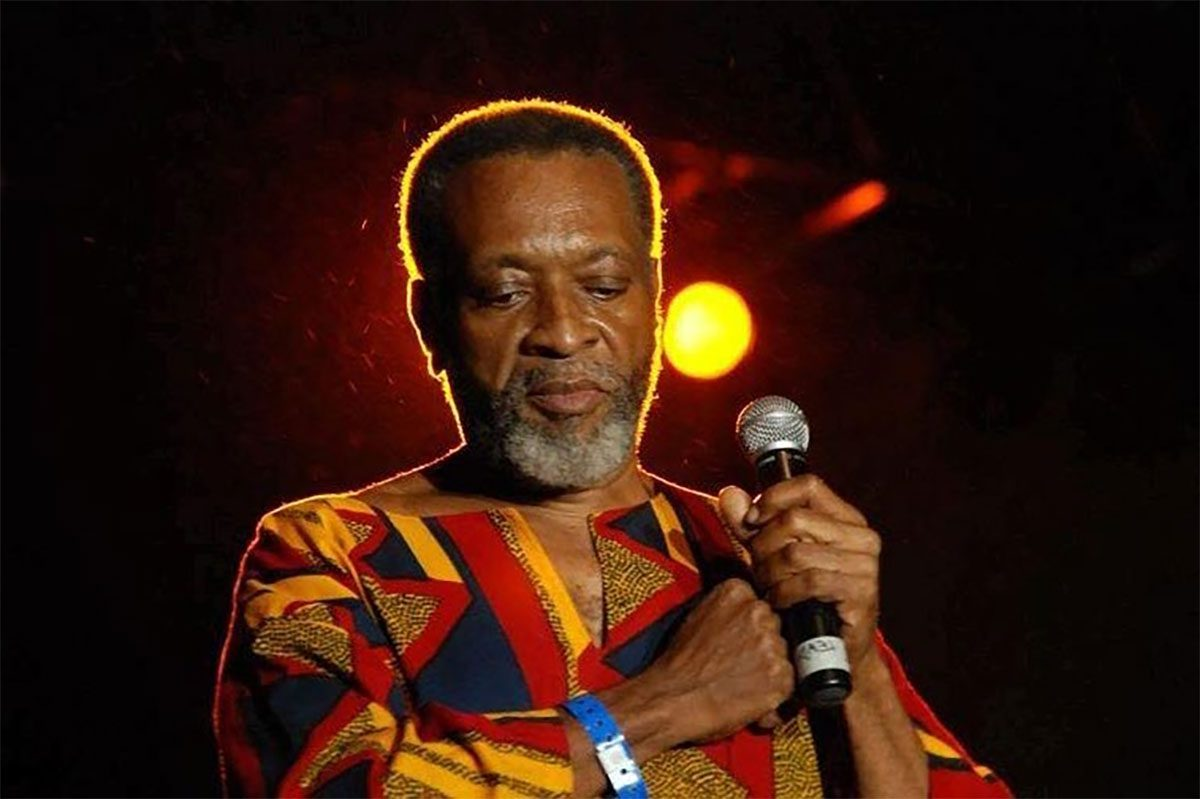
That falsetto floating over Black Ark murk is one of the most haunting sounds reggae ever produced. Murvin auditioned the song for Lee “Scratch” Perry in May 1976, and Perry cut it that same afternoon.
Boris Gardiner played bass, Ernest Ranglin guitar and Sly Dunbar drums, with members of the Heptones on harmonies.
It is less a freedom song than a resistance report, a picture of state violence and chaos in which the line between law and lawlessness disappears.
It hit even harder in England, where it became the soundtrack to the turbulent 1976 Notting Hill Carnival.
The Clash covered it on their 1977 debut, and Joe Strummer later admitted they had “some brass neck” to try. Perry responded by pinning a Clash picture to the Black Ark wall.
8. Toots and the Maytals, “54-46 That’s My Number” (1968)
Pumping, frantic and impossibly joyful for a song about a cell, this is personal injustice set to a beat. Toots Hibbert was jailed on a marijuana possession charge in late 1966.
Later he insisted he had been framed, that he served around eight months, and that he never had a number at all. He made one up, he said, because he is a songwriter.
Leslie Kong produced it for Beverley’s, on the same riddim as the Ethiopians’ “Train to Skaville.” It is widely credited as the first international reggae hit, and its afterlife has never slowed down.
It ran over the opening titles of This Is England in 2006, and Toots recorded fresh vocals for Major Lazer and Bad Royale’s “My Number” in 2016.
9. Third World, “1865 (96° in the Shade)” (1977)
Generations heard that sweet melody and assumed it was about a hot afternoon. The Gleaner revisited the song this past January to set the record straight: it was never about the weather.
Bunny Rugs sings from inside the 1865 Morant Bay Rebellion, led by the Baptist deacon Paul Bogle, and the song confronts execution, injustice and defiance under colonial rule.
AllMusic points out one poetic liberty, since Bogle was hanged from a ship’s yardarm and not from a cotton tree.
Third World produced it themselves for Island, and the polish of the arrangement makes the history go down smooth before it hits. Bogle was executed on 24 October 1865, and this Saturday is a good day to put the song on.
10. Max Romeo & The Upsetters, “War Ina Babylon” (1976)
The year 1976 was one of the bloodiest in Jamaica’s modern history, and this single caught the mood perfectly.
Lee Perry suggested the idea and Romeo wrote the lyrics, and the result came out on Island backed with “Revelation Dub.”
The Upsetters lay down a rolling, smoky groove while Romeo surveys the tribal political war around him with a mix of dread and grim humour. It was a hit in England too, where a generation of British youth heard their own frustrations in it.
Alongside Murvin’s Police and Thieves and the Heptones’ Party Time, the album completes what heads call Perry’s holy trinity of Black Ark LPs. It is the sound of a producer and singer reading the times with eerie precision.
11. Burning Spear, “Slavery Days” (1975)
Where “Marcus Garvey” looks forward to deliverance, “Slavery Days” makes sure nobody forgets where they came from.
It followed the title track as the next single from Marcus Garvey, with Jack Ruby producing and the mix done at Joe Gibbs.
The Black Disciples backed it, a crew that included Chinna Smith, Valentine Chin and a young Robbie Shakespeare.
Spear’s call and response questioning is the whole point: do you remember? His grave, almost ceremonial delivery makes the past feel present, and the song keeps the memory of captivity in view, refusing to let it fade. Played on a big sound system, it still stops a dance cold.
12. Peter Tosh, “Legalize It” (1976)
Calling for the herb to be set free in 1976 was not a novelty move. It put far more than Tosh’s career on the line, and Jambands rightly called it brave and radical.
Over a one drop rhythm, with the Wailers Band and the I-Threes behind him, Tosh frames ganja as medicine, sacrament and a basic right.
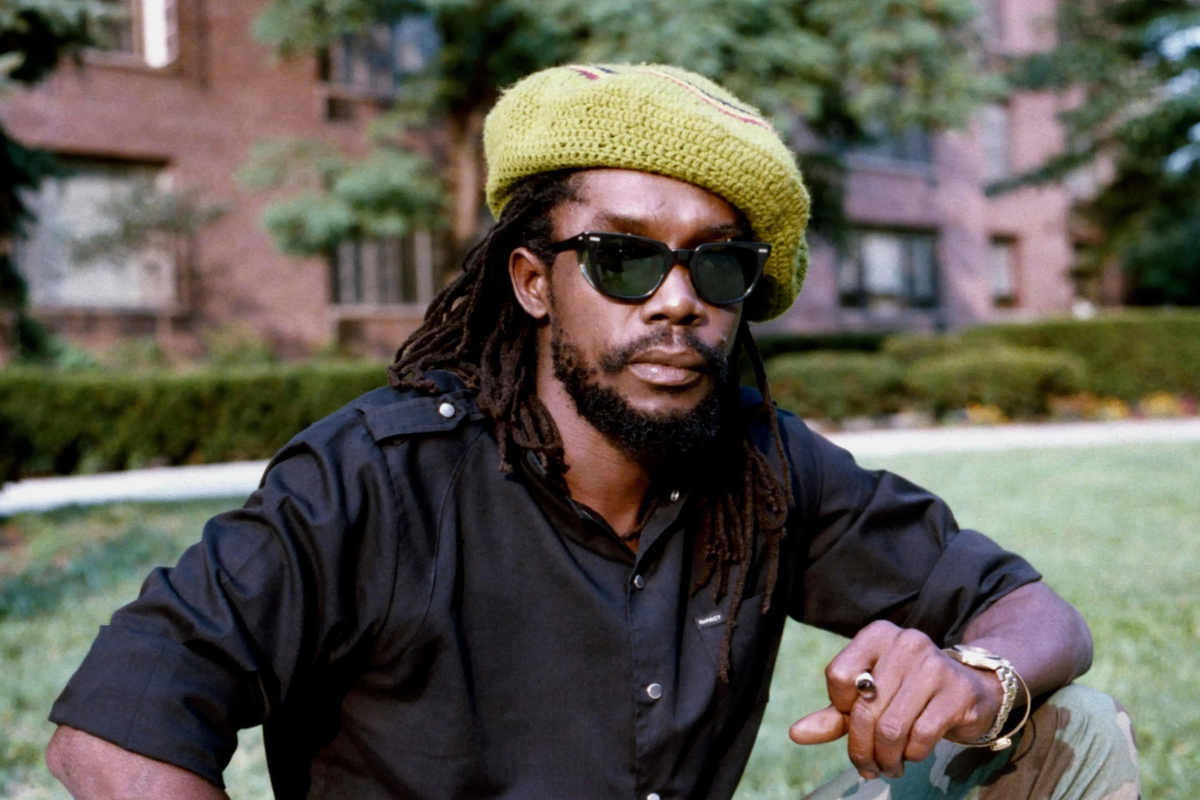
That makes the song a freedom anthem for Rastafari, who had been criminalised for their faith. It first appeared as a Jamaican single on his own Intel Diplo label before Columbia/CBS carried it worldwide.
Half a century later, the Peter Tosh Foundation marked 50 years of Legalize It with an Earthstrong celebration at Woodstock Cafe in Negril on 17 October. The world finally caught up with him.
Why These Songs Still Burn
Strip away the decades and the same fight runs through all 12 records. Marley borrowed Garvey’s words and Selassie’s speeches. Spear made a history lesson into a chant.
Toots turned a jail cell into a hit, and Perry’s Black Ark captured a country at war with itself. These were not protest songs written from a distance.
They came out of curfews, roadblocks, prison terms and colonial memory, and they reached Notting Hill, Harare and Pittsburgh because people everywhere recognised the struggle.
That is why the music still matters in 2026. Every new generation of Jamaican artists who talk about system and sufferation is standing on this foundation.
Put these songs on loud this week, in honour of Tosh’s earthstrong and Bogle’s sacrifice, and they will remind you that freedom is never handed down. It has to be sung into being.