

Reggae has always known how to hurt. Beneath the one drop and the warm bass, the music carries grief, exile, poverty and heartbreak, often sung so sweetly that the pain sneaks up on you halfway through the second verse.
The saddest reggae songs don’t wallow. They testify, and that’s why they cut so deep.
This list gathers twelve of the heaviest. Some are about lost love, some about lost sons, and some about a man staring down his own mortality with only an acoustic guitar for company.
They range from Trojan-era soul to a brand new lament that left a festival crowd in total silence.
Ranked from most devastating down, these are the tunes to reach for when the night gets long and the heart gets heavy.
1. Bob Marley, “Redemption Song” (1980)
No riddim, no Wailers, no I-Threes. Just Marley’s voice and an acoustic guitar, and that bareness is what breaks you.
He cut at least 15 band versions in 1980 before Chris Blackwell suggested a stripped acoustic take might hit harder, and it closed Uprising on Island as a quiet farewell.
Marley had been diagnosed with melanoma under a toenail in 1977. “He was already secretly in a lot of pain and dealt with his own mortality,” Rita Marley later said.
Lifting lines from Marcus Garvey’s speech “The Work That Has Been Done,” he turned a call for mental emancipation into a last will.
His final concert came in Pittsburgh on September 23, 1980. He died in May 1981, aged 36, and the song has sounded like a goodbye ever since.
2. Bob Marley & the Wailers, “Johnny Was” (1976)
Few reggae songs sit as close to raw grief as this Rastaman Vibration cut, credited to Rita Marley.
It tells of a mother mourning a son shot down in the street, killed, as the lyric frames it, because of the system.
Marley’s delivery is not angry so much as stunned, the voice of someone who has seen this happen too many times in Kingston.
The groove rolls gently, which only makes the story land harder. Produced by Marley and the Wailers across Harry J and Joe Gibbs studios, it reached far beyond Jamaica.
Belfast punks Stiff Little Fingers covered it, finding a reflection of their own troubles in it, and it gave its name to the 2006 film Johnny Was. Five decades on, the headlines that keep it relevant have not stopped.
3. Jimmy Cliff, “Many Rivers to Cross” (1969)
Recorded with producer Leslie Kong and released on Trojan on the 1969 album Jimmy Cliff, this is a gospel-soaked hymn of exhaustion. Cliff wrote it out of frustration far from home.
“I was touring clubs, not breaking through,” he said, and the White Cliffs of Dover line came from his channel crossings to play the continent. You can hear every one of those cold ferry rides in his voice.
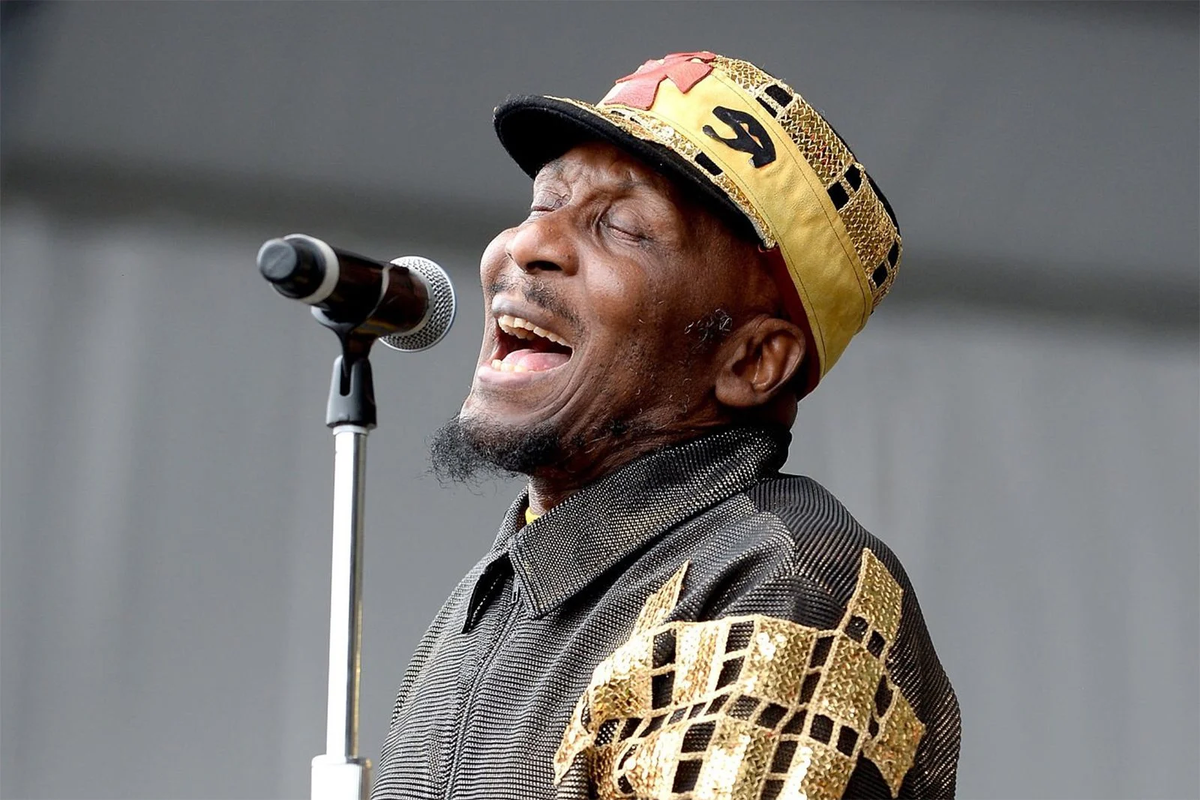
Perry Henzell heard it and offered Cliff the lead in The Harder They Come, which changed reggae history.
Cliff’s own version never charted, but UB40 took it to No. 16 in the UK in 1983 and Cher reached No. 37 with it in 1993. Still, nothing touches the original’s lonely ache.
4. Chronixx, “Hurricane” (2025)
The newest song here already carries the weight of a classic. Hurricane,” from Chronixx’s Exile, arrived just before Hurricane Melissa tore through Jamaica, and the timing turned it into something larger than one artist’s reflection.
Billboard called it a harrowing standout in its review of Protoje’s Lost in Time festival in March 2026, where Chronixx performed it alone on acoustic guitar.
The crowd, packed in for a night of celebration, went completely silent. That moment says plenty about where roots reggae stands in 2026: still capable of holding a nation’s grief in a single song.
Expect “Hurricane” to be the one people reach for when they talk about this chapter of Jamaican life.
5. The Abyssinians, “The Good Lord” (1976)
The Abyssinians made music that sounds like prayer, and “The Good Lord” is among their most mournful. The song hits from the very first drum roll, a slow, solemn opening that tells you immediately this is not a dance.
Those famous Abyssinians harmonies, high and haunted, rise over the rhythm like voices in an empty church. It belongs to the deep spiritual strand of 1970s roots, where suffering and faith were sung in the same breath.
Plenty of selectors will tell you that a number of Abyssinians songs can bring a grown man to tears. This one, with its sense of pleading upward from somewhere very low, is a fine place to start finding out why.
6. Gregory Isaacs, “Night Nurse” (1982)
The Cool Ruler never sounded more vulnerable. “Night Nurse” finds Gregory with a heart broken in two, begging for someone to tend to a wound no doctor can fix.
Cut at Tuff Gong with the Roots Radics, and produced by Isaacs with Errol “Flabba” Holt, it rides one of the smoothest, most hypnotic grooves of the early 1980s.
Released on Island, the album reached No. 32 on the UK Albums Chart and finally broke Gregory to a wider audience.
Its pull has never faded: Simply Red covered it in 1998, Dennis Brown in 2003 and Sinéad O’Connor in 2009. If you need more, the same record holds “Sad to Know (You’re Leaving),” a title that says it all.
7. Peter Tosh, “Why Must I Cry” (1976)
Peter Tosh is remembered as reggae’s fiercest militant, which makes this one all the more disarming. On “Why Must I Cry” the Stepping Razor opens as an emotional wreck, undone by a lost love and asking the question in the title over and over.
By the end he swears he will never fall in love again, the kind of vow everyone makes and nobody keeps. There’s something moving about hearing a voice built for confrontation turned inward like this.
Tosh’s baritone carries the hurt with dignity, never begging, just aching. For fans who only know “Get Up, Stand Up,” it’s a reminder that rebels have broken hearts too.
8. Bob Marley & the Wailers, “No Woman, No Cry” (1974)
This is the comforting kind of sad. Recorded at Harry J Studio in Kingston and released on Natty Dread on October 25, 1974, “No Woman, No Cry” looks back at Marley’s Trenchtown youth through memories of friends, fires and cornmeal porridge. It never preaches about poverty. It simply remembers, then offers solace and hope.
The songwriting credit went to Vincent Ford, a Trenchtown friend who ran a soup kitchen, and the authorship question still lingers.
The song went on to reach the UK Top 10 in 1981, after Marley’s death, which gave its reassurance an unbearable new weight.
Nina Simone, the Fugees and Linkin Park have all taken it on. Sing “everything’s gonna be alright” at a funeral and see who keeps a dry eye.
9. Wailing Souls, “It Bad Fe True” (1991)
Wailing Souls carried their harmony tradition into the 1990s with this dark, haunting cut. Heavy dub bass and drums set the mood before a word is sung, creating a brooding space where sadness and betrayal hang in the air.
The title, in plain patois, says the situation is bad in earnest, and the vocal delivery treats it that way. It’s a different flavour of sorrow from the lovers’ laments on this list: less tears, more the cold realisation that someone close has done you wrong.
Played loud on a proper system, that bassline feels like a weight on the chest, which is exactly the point.
10. John Holt, “I’ll Be Lonely” (1973)
John Holt had one of the most tender voices Jamaica ever produced, and “I’ll Be Lonely” puts it to quietly heartbreaking use.
The song finds him searching for true love and coming up empty. Rather than settle for a love that isn’t real, he decides he would sooner stay alone.
It’s a stubborn, dignified kind of sadness, the sound of a man choosing solitude over compromise. Holt’s phrasing, smooth and unhurried, makes resignation sound almost beautiful.
It belongs to that golden early 1970s stretch when Jamaican singers took soul balladry and made it their own, and it remains a late night favourite among lovers of the old school.
11. Bob Marley & the Wailers, “Cry to Me” (1976)
Tucked onto Rastaman Vibration alongside “Johnny Was,” “Cry to Me” lasts just 2:36, but it lingers well past that. It counts among the album’s mellow, beautiful moments, a softer side of a record often remembered for its fire.
The song turns the tables on heartbreak: the one who caused the pain is now the one coming back in tears. There’s sorrow in it, but also a quiet sense of justice, sung with the Wailers’ easy warmth.
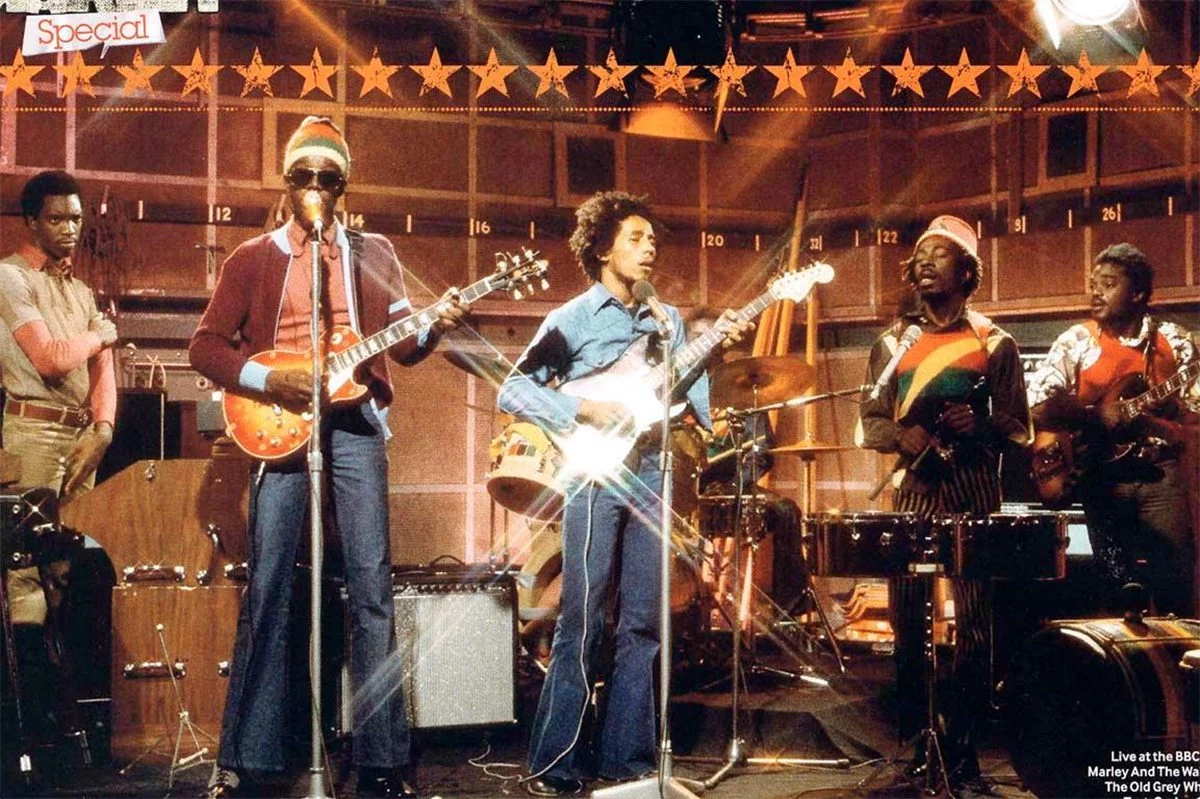
It’s an overlooked deep cut that rewards anyone who plays the full album instead of the greatest hits, and a reminder that Marley could write about everyday heartache as well as revolution.
12. Toots & the Maytals, “Time Tough” (1973)
Here’s reggae’s oldest trick at its finest: a sad story wrapped in a sound so upbeat and funky you could miss the pain completely.
Toots Hibbert sings about hard times, money running short and pressure on every side, and he does it with the gospel fire that made the Maytals unstoppable. The band bounces, the horns lift, and only when you listen closely does the weight of the lyric settle in.
That contrast is the whole genius. Jamaican music has always known how to dance through hardship, and “Time Tough” is a perfect lesson in how a song can make you move and mourn at the same time.
Why Reggae Does Sadness Best
What ties these twelve songs together is honesty. Reggae grew out of hard places, from Trenchtown yards to cold English club tours, and its singers never pretended otherwise.
Yet even at its darkest, the music keeps one foot in hope. Marley sings of redemption while staring at death. Cliff keeps crossing rivers.
Toots smiles through the struggle. Chronixx, half a century on, proves the tradition is still alive, still able to quiet a festival field with one acoustic guitar.
That balance of pain and perseverance is why these records endure. They don’t just make you sad.
They keep you company while you are. So put them on, turn the bass up, and let the tears come. Reggae has been there before you.