
The 1990s were the decade when dancehall became digital, more international and impossible to ignore. Jamaican sound systems remained at the heart of the culture, but records made in Kingston increasingly found audiences far beyond the island.
The decade produced Grammy-winning albums, Billboard chart hits and riddims that would influence entire genres. It also gave dancehall some of its most recognizable voices, from Shabba Ranks and Buju Banton to Beenie Man, Bounty Killer and Super Cat.
These are 12 records that helped define that run, ranked strongest first. Some remained firmly rooted in Jamaican dancehall, while others carried the sound into pop, hip-hop and international markets. Together, they capture the range and influence of 1990s dancehall.
1. Chaka Demus & Pliers, “Murder She Wrote” (1992)
Few songs capture the sound of early-1990s dancehall as completely as Chaka Demus & Pliers’ “Murder She Wrote.”
The track was built around a hypnotic guitar loop and programmed drums, with no conventional bassline. Sly & Robbie and Lloyd “Gitsy” Willis reworked the foundation of Toots and the Maytals’ “Bam Bam” into a stripped-down riddim that left plenty of space for the vocals.
Pliers had worked on the song before the version that became famous, while Chaka Demus’ contribution came from a separate vocal session.
The two parts were eventually brought together, creating the rough-and-sweet vocal combination that became the song’s defining feature.
The contrast was simple but powerful: Chaka’s gravelly deejay delivery against Pliers’ smoother singing.
“Murder She Wrote” became one of the defining international records of the era and remains one of dancehall’s most recognizable songs. Decades later, its guitar riff and vocal pairing are still instantly identifiable.
2. Shabba Ranks, “Dem Bow” (1990)
Few dancehall records have had a greater influence on global music than Shabba Ranks’ “Dem Bow.”
Produced by Bobby Digital, the song was voiced over the Poco Man Jam riddim, also known as Fish Market, a riddim created by Steely & Clevie in the late 1980s.
Shabba’s performance was unmistakably Jamaican, but the rhythm traveled far beyond Jamaica. Spanish-language versions by artists including Nando Boom and El General helped carry the rhythmic pattern into Latin America, where it became a foundation for what would eventually be known as dembow.
The original song also contains lyrics condemning homosexuality, a part of its legacy that has aged poorly and remains controversial.
Its musical influence, however, is enormous.
The rhythmic structure associated with “Dem Bow” became one of the foundations of reggaeton, making a Jamaican dancehall record from 1990 an important part of the history of one of Latin music’s biggest modern genres.
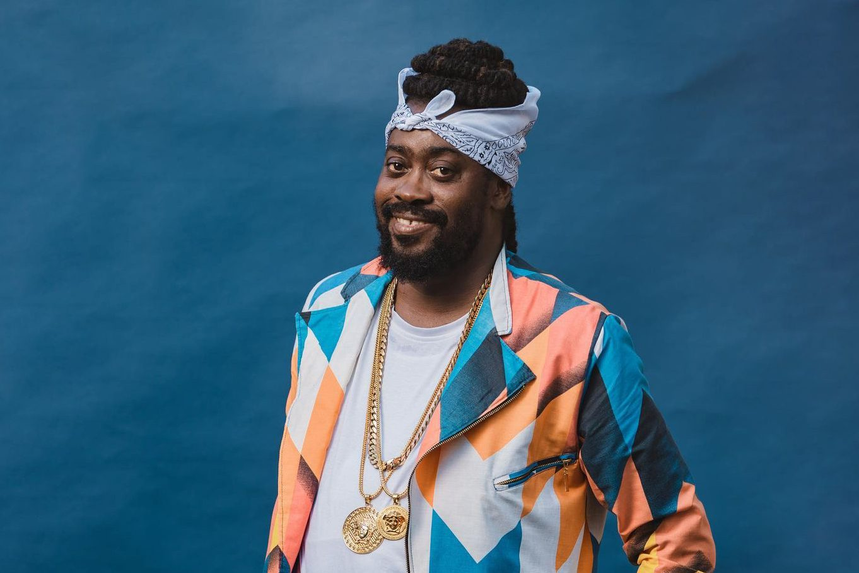
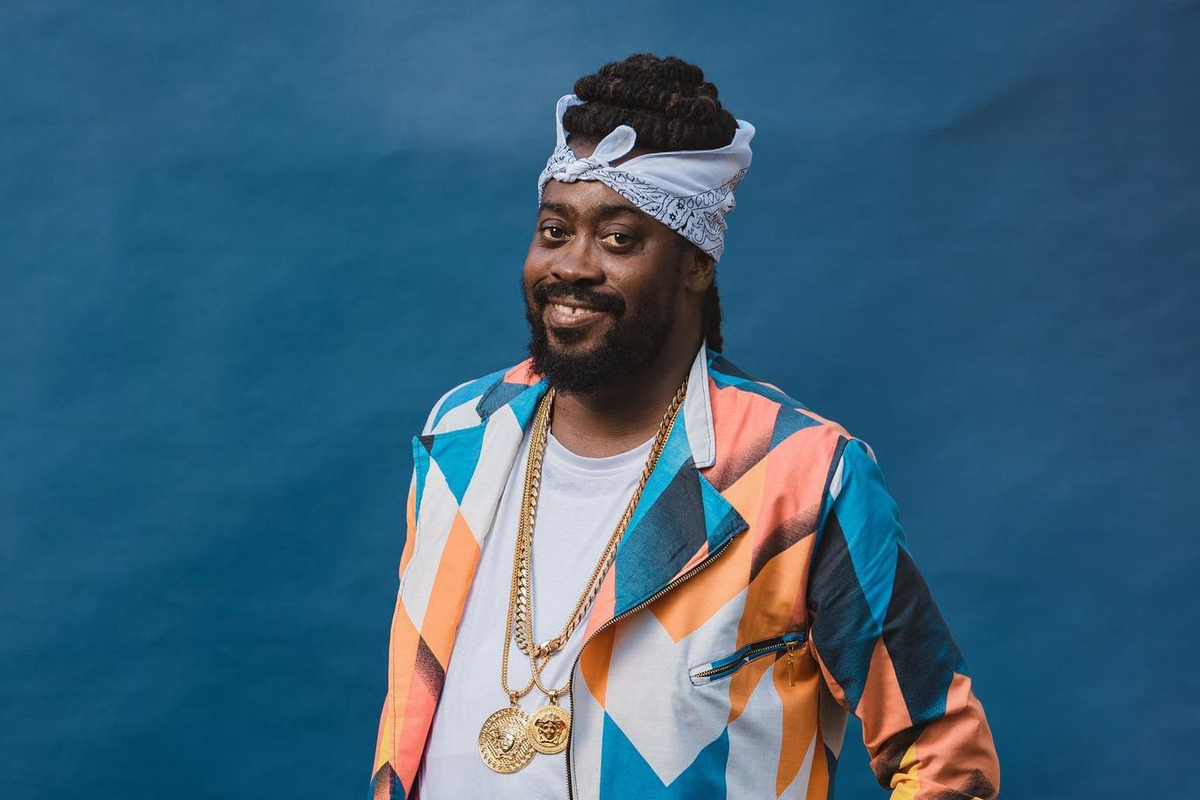
3. Beenie Man, “Who Am I (Sim Simma)” (1997)
By the late 1990s, Beenie Man was becoming one of dancehall’s dominant voices, and “Who Am I (Sim Simma)” was one of the records that established his international profile.
Produced by Jeremy Harding on the Playground Riddim, the song combines Beenie’s playful deejay style with one of the most memorable chants in dancehall history.
The track appeared on Beenie Man’s Many Moods of Moses in 1997 and became his first UK Top 10 hit, peaking at No. 10. It also reached No. 6 on Billboard’s Hot Rap Singles chart.
The song’s “Sim Simma” refrain quickly became part of popular culture, while the Playground Riddim itself became one of the recognizable productions of the period.
The record later received another life through Beenie Man’s collaboration with Pharrell on “Girls Dem Sugar,” but “Who Am I” remains the original statement: a Jamaican dancehall anthem that crossed into the international mainstream without losing its identity.
4. Ini Kamoze, “Here Comes the Hotstepper” (1994)
Ini Kamoze’s “Here Comes the Hotstepper” began as a Jamaican recording before becoming one of the biggest crossover hits associated with dancehall’s 1990s expansion.
Kamoze recorded the song in the early 1990s, but several labels initially passed on it. Columbia eventually licensed and remixed the record before releasing it internationally in 1994.
The song’s memorable “na na na” refrain draws on the tradition of “Land of 1000 Dances,” while Kamoze’s relaxed delivery sits somewhere between dancehall, reggae and hip-hop.
The gamble paid off.
“Here Comes the Hotstepper” reached No. 1 on the Billboard Hot 100 in December 1994, spending two weeks at the top. It also reached No. 1 in several other countries and became a major international hit.
The song remains one of the clearest examples of how Jamaican music could cross into mainstream pop without completely abandoning its original rhythmic identity.
5. Shabba Ranks, “Ting-A-Ling” (1992)
If one record captures Shabba Ranks’ early-1990s dancehall persona, it is “Ting-A-Ling.”
Produced on the Gi-Gi Riddim by Steely & Clevie, the song gave Shabba a lean, rolling rhythm over which he delivered the gravelly deejay style that had become his trademark.
“Ting-A-Ling” appeared on X-tra Naked, released in 1992.
The album went on to win the Grammy Award for Best Reggae Album at the 1993 Grammy Awards, giving Shabba his second consecutive Grammy in the category.
The song sits alongside “Mr. Loverman” as one of the defining records of Shabba’s international period.
His success proved that a Jamaican deejay could bring a distinctly local sound to an international audience without stripping away the patois, rhythms or sound-system energy that made the music distinctive.
6. Shaggy, “Boombastic” (1995)
Shaggy’s “Boombastic” sits at the border between dancehall and mainstream pop, but its vocal foundation is unmistakably rooted in Jamaican deejay culture.
Produced by Sting International and Robert Livingston, the song combines Shaggy’s deep, conversational delivery with a production built around King Floyd’s “Baby Let Me Kiss You.” A Levi’s advertising campaign helped expose the song to a much wider audience.
“Boombastic” entered the UK Singles Chart at No. 1 and reached No. 3 on the Billboard Hot 100. It also topped Billboard’s R&B chart.
The single was certified platinum in the United States, while its parent album, Boombastic, won the 1996 Grammy Award for Best Reggae Album.
The song became one of Shaggy’s signature records and helped establish the vocal style that would later make him one of the biggest reggae-pop stars in the world.
7. Buju Banton, “Batty Rider” (1991)
Before Buju Banton became known internationally for his more conscious and roots-oriented material, he was one of the most energetic young deejays in early-1990s dancehall.
“Batty Rider” captures that earlier period.
Released on Rude Boy Kelly Records, the song is a playful dancehall record centered on the fashion and dance culture of its time. Buju’s rough vocal tone and rapid delivery give the record the raw energy associated with the sound-system era.
It belongs to the period that established Buju as one of Jamaica’s most important young dancehall voices.
His career would soon take a dramatic turn, but the swagger and rhythmic confidence heard on “Batty Rider” remained central to his identity.
The song is therefore important not simply as an early Buju record, but as a snapshot of the dancehall sound that dominated Jamaica at the beginning of the decade.
8. Buju Banton, “Champion” (1994)
“Champion” represents another side of Buju Banton’s 1990s evolution.
By the time Buju entered the period surrounding ‘Til Shiloh, his music was beginning to move toward more conscious themes and a stronger Rastafarian identity.
“Champion” sits between those worlds.
The record retains the confidence and swagger of his earlier dancehall work while pointing toward the more mature direction that would become increasingly important to his music.
That combination is what gives the song its lasting appeal. It works as a dancehall anthem while also reflecting the transition taking place in Buju’s music during the middle of the decade.
By the time ‘Til Shiloh arrived, Buju had transformed his public image and musical direction, but “Champion” showed that the force of his dancehall delivery had never disappeared.
9. Super Cat, “Don Dada” (1992)
Super Cat had already established himself as one of Jamaica’s most distinctive deejays when “Don Dada” arrived.
The record turned his reputation for cool, controlled delivery into an anthem of authority. Rather than relying on sheer volume, Super Cat projected confidence through his phrasing and presence.
Released through Columbia, “Don Dada” became one of the records most closely associated with his international career.
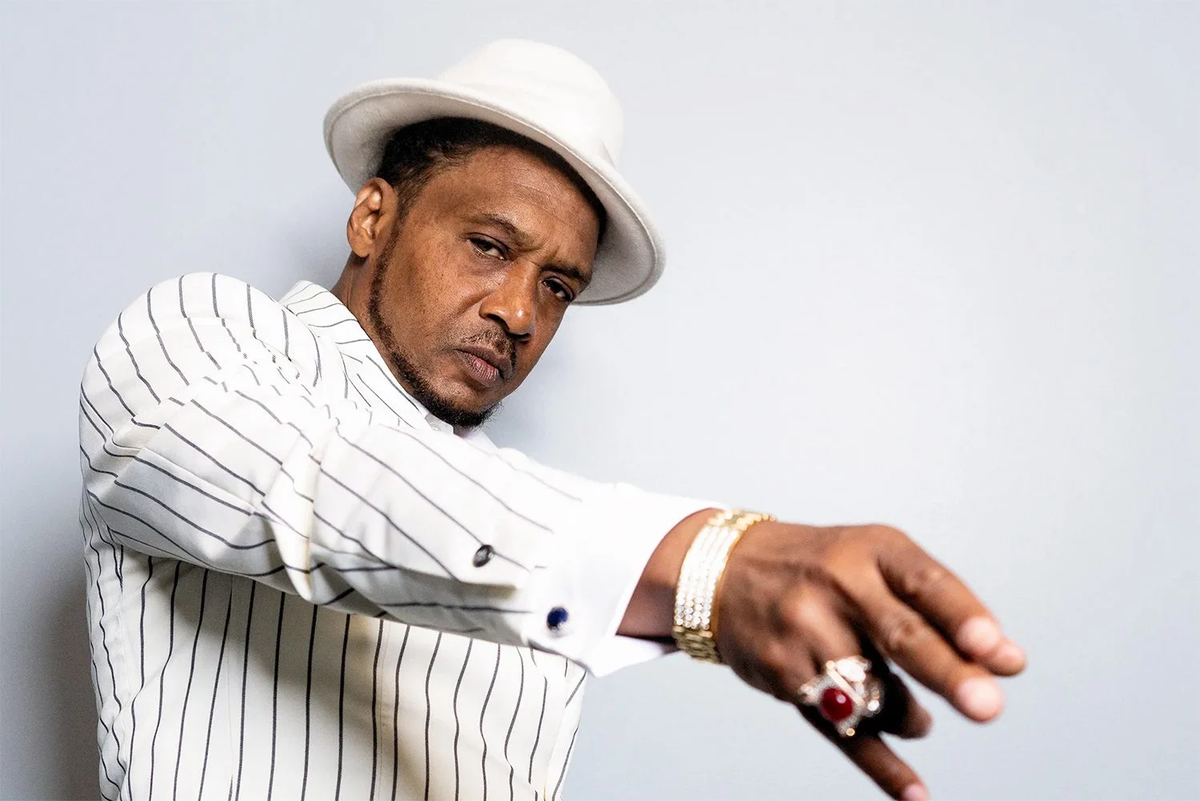
Super Cat’s influence also extended beyond Jamaica. His music helped connect Jamaican dancehall with American hip-hop and R&B audiences during a period when those musical worlds were increasingly interacting.
“Don Dada” remains one of his defining records and one of the songs that best captures the self-assured character of 1990s dancehall deejaying.
10. Shaggy, “Oh Carolina” (1992)
Before “Boombastic,” Shaggy made his international breakthrough with “Oh Carolina.”
The song reworked the Folkes Brothers’ Jamaican classic of the same name, bringing the older recording into the digital dancehall era with a new deejay vocal and production.
Released through Virgin, Shaggy’s version reached No. 1 on the UK Singles Chart for two weeks.
The record was important because it showed that a Jamaican artist could take an established piece of the island’s musical history and give it a contemporary dancehall treatment without completely disconnecting it from its roots.
“Oh Carolina” was Shaggy’s first major international breakthrough and helped establish the path that would eventually lead to “Boombastic” and his later global success.
11. Nadine Sutherland & Terror Fabulous, “Action” (1994)
“Action” brought together two very different vocal personalities.
Nadine Sutherland supplied the polished singing, while Terror Fabulous delivered the deejay energy, with both artists riding Dave Kelly’s production.
The song was associated with the Madhouse camp and the Pepperseed Riddim era, when Kelly was becoming one of Jamaica’s most influential producers. Its crossover success was significant.
“Action” reached No. 43 on the Billboard Hot 100 and No. 36 on the Billboard Hot R&B Singles chart, giving Sutherland and Terror Fabulous one of the more notable Jamaican crossover records of the decade.
The chemistry between Sutherland’s smooth vocal delivery and Terror Fabulous’ deejay style is the record’s greatest strength.
“Action” remains one of the standout dancehall duets of the 1990s and an important example of how Jamaican vocalists could combine singing and deejaying without either side overwhelming the other.
12. Bounty Killer, “Look Into My Eyes” (1999)
The decade closed with Bounty Killer delivering one of the harder-edged records of the late 1990s.
“Look Into My Eyes,” also commonly referred to simply as “Look,” was produced by Dave Kelly for the Madhouse camp and released on the Bug Riddim in 1999.
Bounty’s gravelly voice and confrontational delivery make the record unmistakably his.
By this point in the decade, Bounty Killer had become one of dancehall’s dominant personalities, and his rivalry with Beenie Man was one of the defining competitive dynamics of Jamaican music.
“Look Into My Eyes” represents that late-1990s sound: harder, more aggressive and firmly rooted in the sound-system tradition.
It is also a useful counterpoint to the crossover records that had carried Jamaican music onto international pop charts. While artists such as Shaggy and Ini Kamoze were reaching global audiences, records like this kept the raw energy of dancehall at the center of the culture.
Why the ’90s Still Run the Dance
The 1990s changed dancehall permanently.
Digital riddims made Jamaican production faster, more flexible and easier to reproduce. Deejays became international stars, while singers and deejays increasingly shared the same riddims and created combinations that could work both inside Jamaica and abroad.
The decade also produced musical ideas that traveled far beyond dancehall itself.
Shabba Ranks’ “Dem Bow” became part of the foundation of reggaeton and the modern dembow sound. Shaggy showed how a Jamaican deejay could dominate mainstream pop.
Ini Kamoze reached No. 1 on the Billboard Hot 100. Beenie Man and Buju Banton helped define different sides of modern dancehall, while Bounty Killer, Super Cat and others kept the sound-system tradition at the center of the music.
And the decade was not without controversy. Some of its biggest records contained lyrics and attitudes that have aged poorly, particularly around sexuality and colorism. Those issues remain part of the history of the music and cannot simply be separated from its cultural impact.
But what remains most striking is the architecture of the sound.
The riddims, the deejays, the singers, the sound systems and the constant exchange between Jamaica and the wider world created a blueprint that later generations would continue to build on.
Put these twelve records on in order and you can hear that transformation happening in real time.
That is why the 1990s still run the dance.