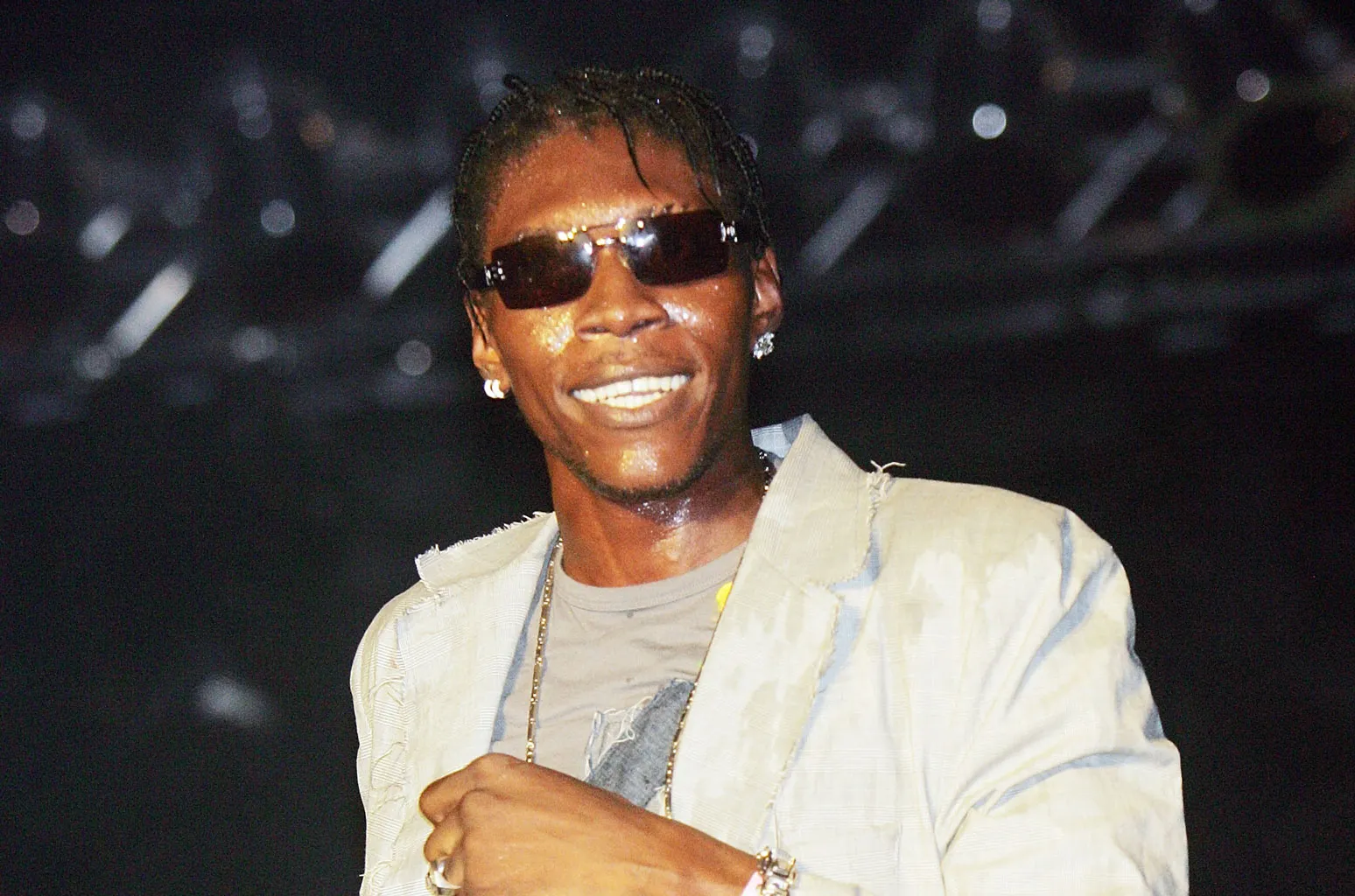

The meaning of “Ghetto Story” is simple: Baby Cham tells the story of how he survived a poor, violent childhood in Kingston and made it out. The song is about growing up in the ghetto and how it was for Cham in his younger years.
“Ghetto Story” is a dancehall/ragga single, and in 2019 the Jamaica Gleaner described it as “the type of coming-of-age tale that could only belong to a Jamaican.”
Song Facts at a Glance
- Artist: Cham (born Damian Beckett, 24 February 1977), who was known as Baby Cham until 2005
- Released: 28 June 2006
- Recorded: 6 June 2006 at Boxx Studios (Kingston, Jamaica)
- Producer: Dave Kelly
- Labels: Madhouse; Atlantic; Asylum
- Riddim: Kelly’s Eighty-Five riddim. A 2023 Jamworld876 retrospective lists the riddim as produced by Dave Kelly and released in 2005, featuring Baby Cham, Million Stylez, Yellow Man, Mavado and more.
The Real Life Behind the Lyrics
Cham has said the song comes from his own life. A 2019 profile from Rochester radio station WDKX reported that growing up in Sherlock Crescent in Saint Andrew Parish, Jamaica, the artist recalls an absent father, living in poverty with his mother and four other siblings, and even witnessing the murder of his best friend at the tender age of 12.
He still ties his identity to that community. When he unveiled the cover art for his 2025 album Sherlock, he said: “Some call it ‘The Ghetto,’ some call it ‘Inner City,’ but I call it ‘Home.'”
In 2021, DancehallMag reported that Cham gave the EYL University hosts a tour of his original Sherlock Crescent community.
During that visit he spoke about the old debate over whether dancehall causes crime, “[They were] saying that the crime stems from the music, which it’s not.”
Lyrics Explained
The first verse is a list of memories. Cham calls his childhood home a kind of hell and describes sharing a makeshift foam bed with his mother.
He also recalls running the streets unsupervised while she was at work. From there the verse turns violent. He names friends who were shot and describes his avenue becoming a war zone.
One friend, Mikey, gets out when his mother borrows money to send him abroad. Mikey gets rich overseas and sends money back home, and by the end of the verse Cham and his circle are in control of the city.
In the chorus, the people telling the story now have the upper hand over their rivals. The hook ends with the claim that the whole community is now doing well.
The phrase repeated across the versions, a “survival story” and a “true ghetto story,” sums up the song’s message.
The second verse goes back to around 1980, a time Cham remembers as explosive for Jamaica. He names figures from that era and tells a story about robbing a neighbourhood shop, after which there was plenty of food at home.
The Four Chapters and the Alicia Keys Remix
The Gleaner reported that Ghetto Story became a worldwide hit, with four different versions released. Ghetto Story Chapter 2 features R&B vocalist Alicia Keys, and Chapter 3 features Senegalese-American record label owner and philanthropist Akon.
The fourth is the version with all three music stars’ voices, melding to share their perspectives of the ghetto ‘livity’ they experienced before achieving international fame as entertainers.
In his verse, Akon tells his own rise from poverty as an African immigrant who came to America. A music video was made for Chapter 2.
It was shot in Jamaica by Sanaa Hamri. The video premiered on BET’s 106 & Park on 8 August 2006, and it eventually peaked at number five.
Chart Performance
The song is most known for its reggae fusion remix called “Ghetto Story Chapter 2” featuring American R&B singer Alicia Keys. That version reached No. 62 on the UK singles chart and No. 77 on the US Billboard Hot 100 chart.
Sources disagree on its R&B peak. Wikipedia’s song page lists number 15 on Billboard’s Hot R&B/Hip-Hop Singles chart, and number 13 on the Billboard Rap Tracks chart, while Cham’s discography page lists 22 on the US R&B chart.
The song was even bigger at home. A September 2026 DancehallMag report says the title track became the country’s biggest song within two days of its release.
The Ghetto Story Album
Ghetto Story is the second studio album by Jamaican dancehall singer Cham. It was released on 15 August 2006 through Mad House/Atlantic Records.
In the United States, the album peaked at number 53 on the Billboard 200, number 11 on the Top R&B/Hip-Hop Albums, number 5 on the Top Rap Albums and atop the Reggae Albums charts.
Citing Luminate data supplied to World Music Views, DancehallMag reported in 2026 that the Ghetto Story album has since sold 100,000 units in the U.S.
Legacy
The song started a wave of similar records. Cham is mostly known for his 2006 single “Ghetto Story”, a song which led to multiple “story” songs by other artists in a similar vein. In July 2006, The Jamaica Star ran a piece titled “Cham responds to the other ‘stories'”.
Critics have noted how well the song travelled outside Jamaica. The Gleaner wrote that for many dancehall music listeners, Cham’s Ghetto Story was a herald, and that ‘ghetto’ is a concept that traverses borders.
Cham returned to the theme in 2019 with “We Survived.” Asked whether fans should hear it as a follow-up, he said the song was made to uplift and elevate.