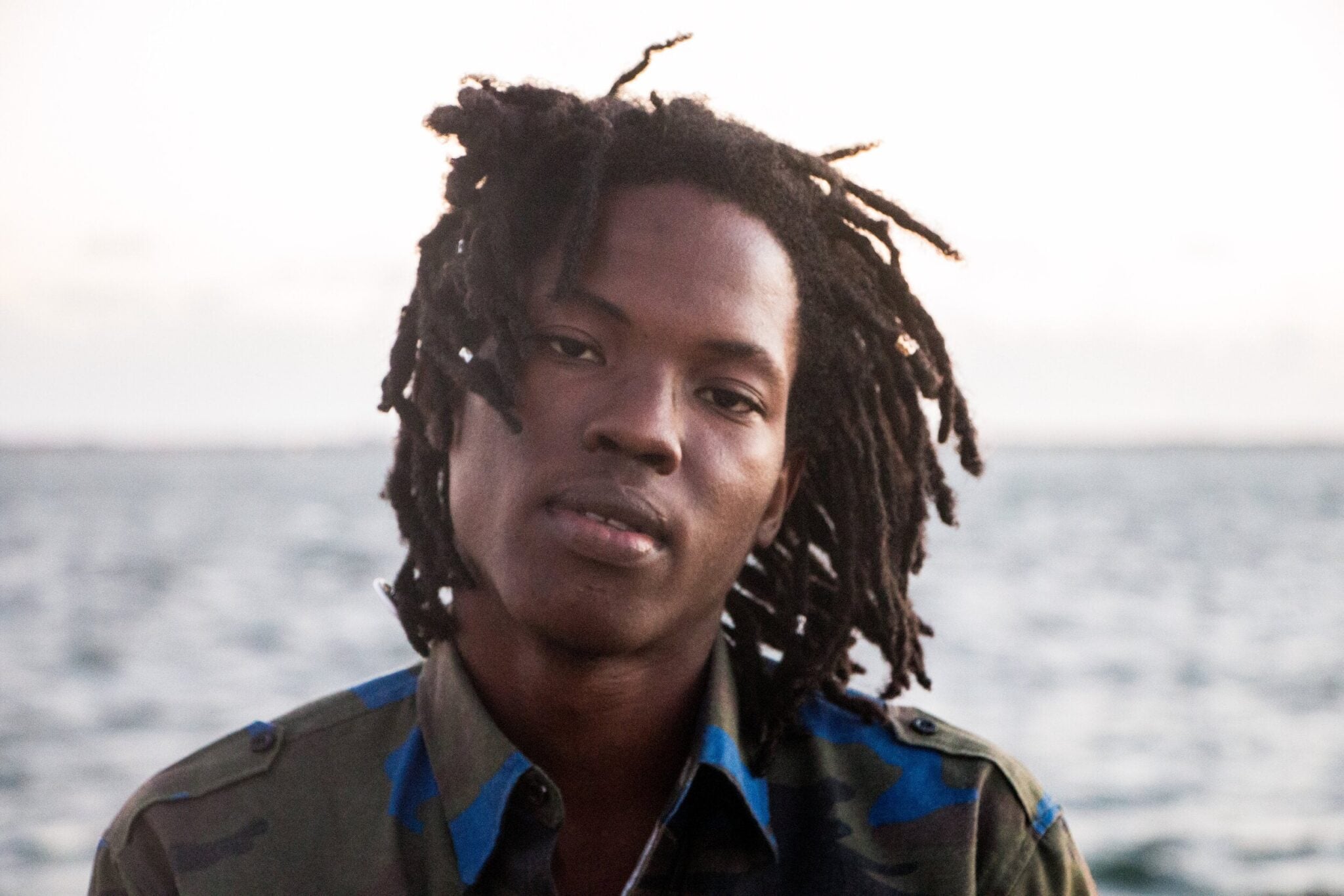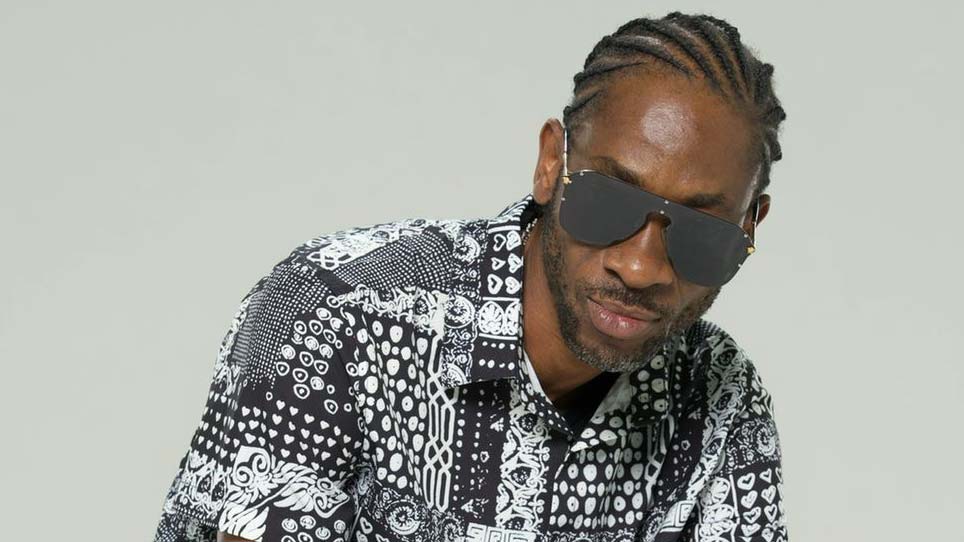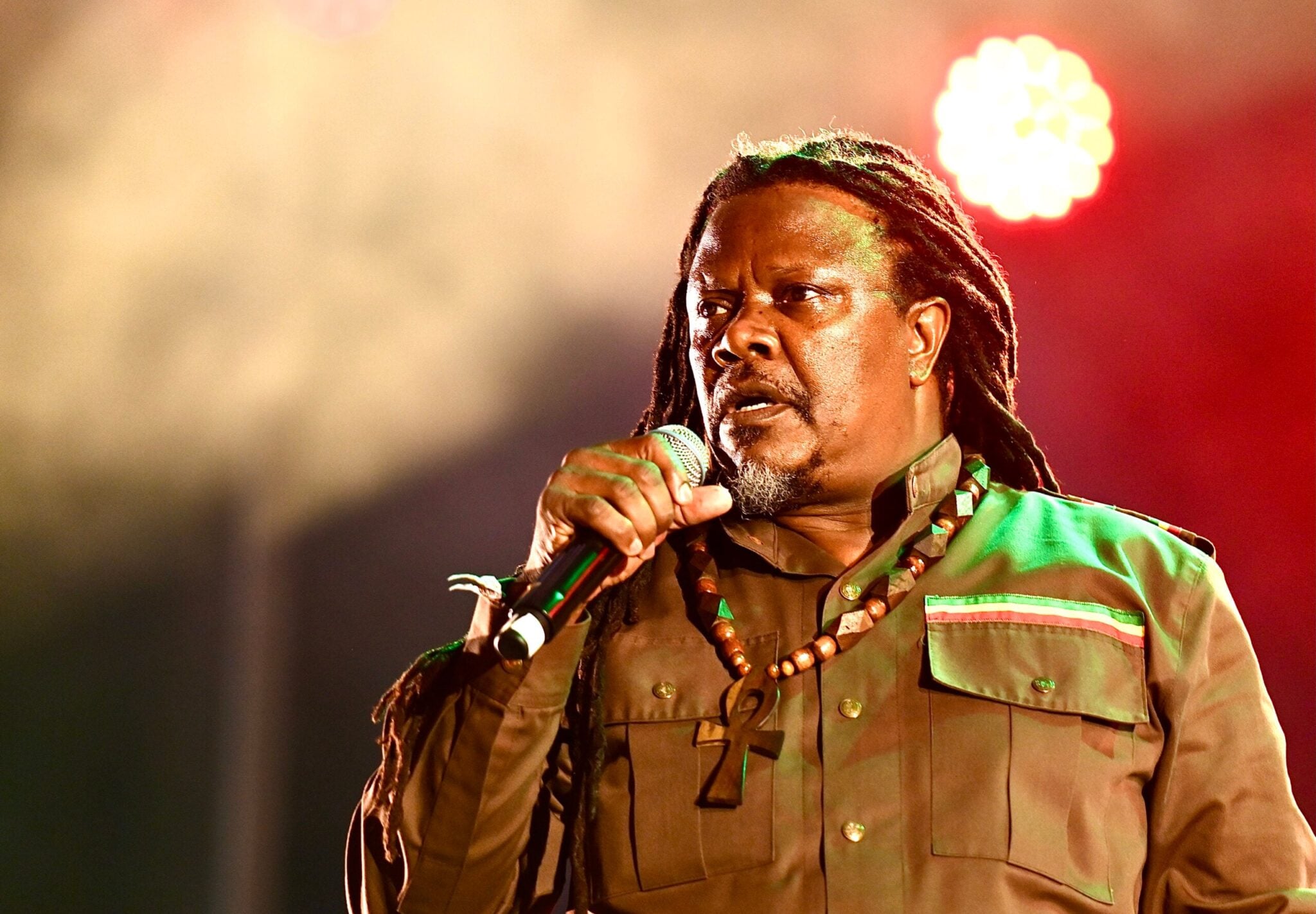
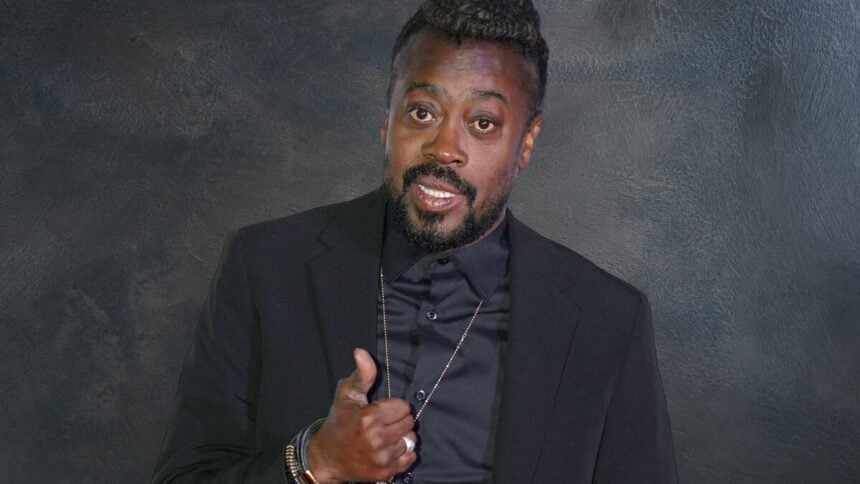

Here is something you might not expect from one of Dancehall’s most decorated veterans: Beenie Man says he has been kept off riddims, not because of his talent, but because of who the producer is loyal to.
In an exclusive conversation with AllHipHop, the King of the Dancehall laid out a frustration that goes well beyond his own career.
“Sometime the producer them have some artist not too like you,” Beenie told AllHipHop. “So you’re not going to get the riddim because the producer don’t want lose them artist.”
That is a candid admission from someone who has been in the game for over three decades and still has the profile to demand a spot on almost any beat.
Part of the issue is timing. Beenie spends significant stretches of the year touring Africa, Europe, and other markets, and by the time he returns home, the window on a particular riddim has already closed. But he is clear that timing is not always the problem, and that is where the conversation gets more interesting.
His deeper concern is about quality control and what has happened to the architecture of the riddim itself. He described a shift from the classic model, where a single beat might host ten or fifteen artists and produce ten genuine hits, to a bloated version where fifty songs land on one riddim and only a handful say anything worth hearing.
“Now you have one beat with 50 song and it don’t make no sense,” he said. “When you have 40 song and 30 song say nothing and 10 song say everything, then everybody try play the 40 song.”
That critique is not about nostalgia for its own sake. The riddim format was never just a production choice, it was a competitive mechanism.
Artists had to carve out their own identity over the exact same instrumental, and selectors and sound systems would ultimately decide which versions connected with crowds. The strongest records survived because the format demanded it.
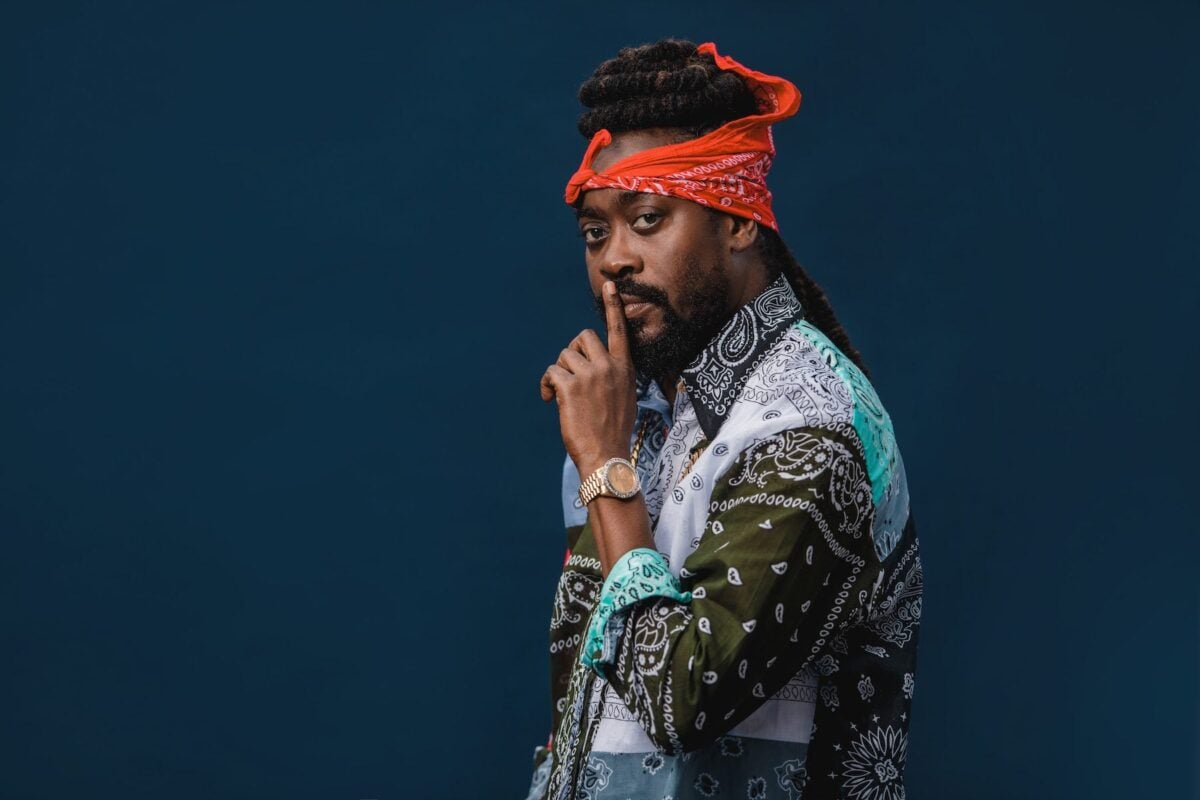
Beenie’s argument is that producers have stepped back from that curatorial role, and the music is suffering for it. The new music can make, no problem with that,” he said. “
But you need to get back to what Dancehall is, where a producer actually produce.” That is a pointed distinction, separating the act of making a beat from the work of building a riddim with intention.
What makes his position harder to dismiss is that he is not rejecting the new generation at all. He told AllHipHop that staying connected to younger artists and new sounds is essential to surviving in music as long as he has.
“The greatest thing in music is to adjust and adapt,” he said. “Evolution is a must.” That is not the language of someone who wants the clock turned back.
He also made his own position in the culture clear, with the kind of confidence that has always been part of his brand. “Me and you cannot have a competition because I’m here before you,” Beenie said. “You come here and see me.
Me never come here and see you.” It is a line that doubles as both personal statement and broader argument, that competition only works when everyone in the room respects the history they are stepping into.
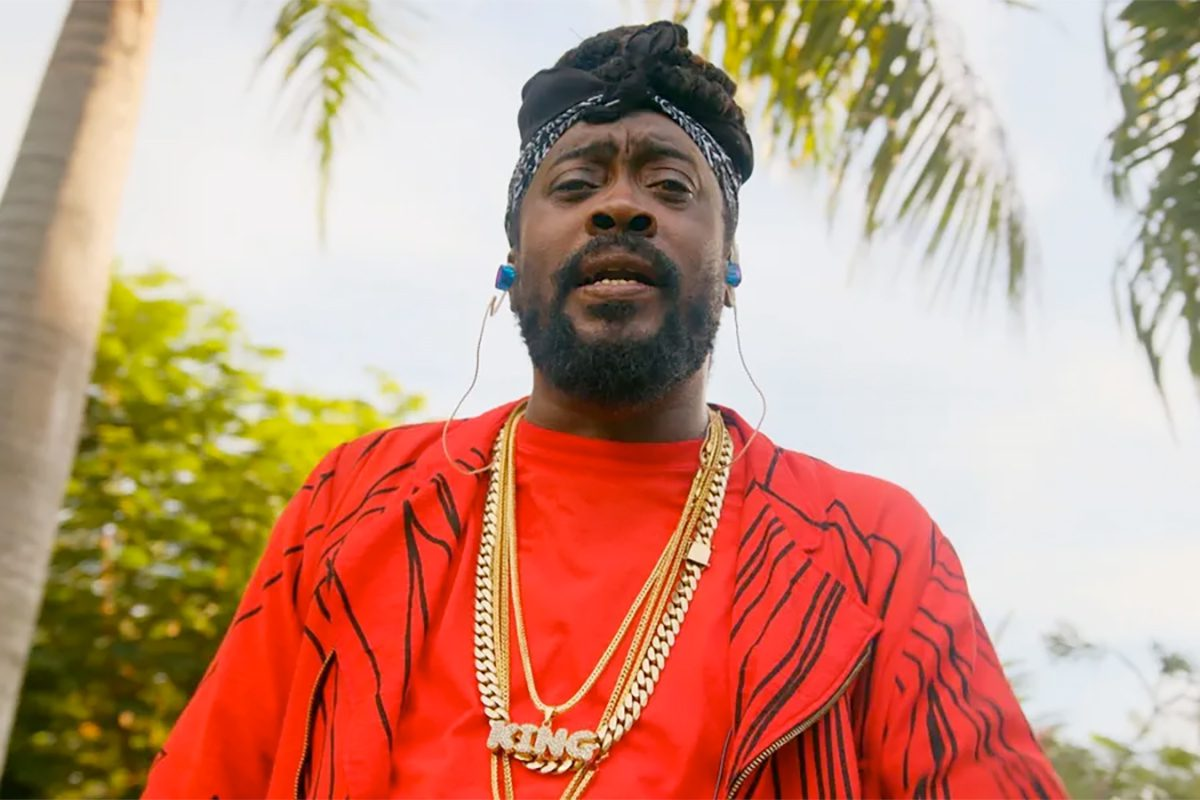
The conversation around Dancehall’s direction is not new, but hearing it framed through the specific lens of producer politics and riddim economics adds a layer that goes beyond the usual generational debate.
If the gatekeepers of the beats are choosing loyalty over quality, the format that made Dancehall one of the most competitive musical cultures on the planet starts to hollow out from the inside.
Beenie Man is still touring, still recording, and still watching closely.