

Few songs in conscious reggae cut as directly to the heart as Sizzla’s “Thank U Mamma.”
The track is an unguarded tribute to motherhood, set to a warm, melodic arrangement, and its meaning is exactly what the title promises: gratitude, reverence, and love for the woman who bore the weight of childbirth and raised a child through hardship.
For anyone searching for the “thank u mamma meaning,” the short answer is this Sizzla uses the song to speak directly to his mother, to reach out to every mother in the world, and to place maternal sacrifice at the center of a Rastafarian value system that has always elevated the role of Black womanhood.
The long answer requires understanding the man, the album, and the tradition the song belongs to.
Who Is Sizzla?
Miguel Orlando Collins, born April 17, 1976, is known by his stage name Sizzla Kalonji and is a Jamaican reggae musician. He was born in St. Mary and was raised in the community of August Town. Like his parents, Sizzla follows the Bobo Ashanti branch of the Rastafarian movement.
That spiritual grounding is not incidental to his music. His Rastafarian parents shaped his worldview from childhood his mother “Mama Lou” instilled a love of literacy that would feed his prolific songwriting, while his father ran a garage where young Miguel both learned mechanics and first practiced his craft.
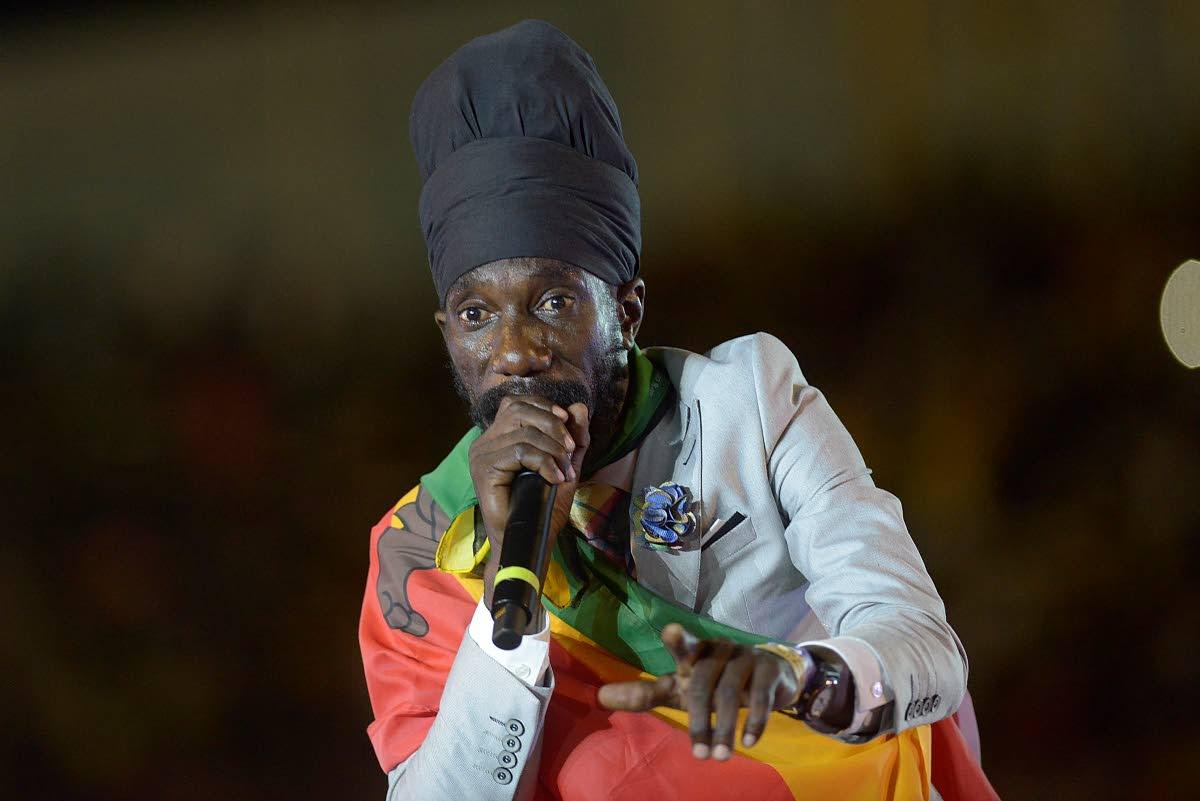
The real-world presence of a devoted, literate mother in Sizzla’s life gives “Thank U Mamma” a biographical weight that purely imagined tributes rarely carry.
Emerging during the latter half of the 1990s, the enormously prolific Sizzla was one of the leaders of the conscious dancehall movement.
Along with Buju Banton and Capleton, he helped lead dancehall back to the musical and spiritual influence of roots reggae, favoring organic productions and heavily Rastafarian subject matter.
Overall, his music is generally positive, advocating faith, compassion for poor Black youth, and respect for women.
He is one of the most commercially and critically successful contemporary reggae artists and is noted for his high number of releases. As of 2018, he has released 56 solo albums.
The Album: Da Real Thing (2002)
“Thank U Mamma” appears on Da Real Thing, Sizzla’s seventeenth studio album, released on November 19, 2002. The album is a mix of dancehall and reggae, with the singles “Solid as a Rock,” “Thank U Mamma,” and “Just One of Those Days (Dry Cry).
The album is Sizzla’s most successful commercial album to date, and was ranked No. 32 on Complex Magazine’s 100 Best “Albums of the Complex Decade” list in 2012.
The album’s production is the work of Bobby “Digital” Dixon, the same man responsible for Sizzla’s breakthrough record. Sizzla joined forces with legendary producer Bobby Digital for Black Woman and Child, a classic credited with “catapulting Sizzla into the reggae stratosphere.”
By 2003, the conscious Sizzla of Black Woman and Child returned to the spotlight with Da Real Thing, a Bobby Digital-produced roots and reggae album. The reunion of artist and producer on that project was deliberate, and the chemistry is audible.
The album is pretty solid all the way through. Sizzla manages to mash roots reggae with dancehall, and his multi-range vocals give the tunes a left-field uniqueness that kept listeners coming back. The spirituality is felt throughout as Sizzla proclaims his faith.
Production and Credits
The song credits Bobby Dixon and Miguel Collins as composers and Paul Crosdale as songwriter. Producer Bobby “Digital” Dixon oversaw the recording, with Paul Crosdale on keyboards, Dalton Brownie on guitar, Donald Dennis on bass, Keith Maroghini on percussion, and Kirk Bennett on drums.
The song was released on April 10, 2003, by VP Records as part of the album Da Real Thing. This places the single release slightly after the album’s November 2002 US debut, which was standard label practice for VP Records during that era allowing a strong catalog cut to find its audience as radio support built.
Bobby Digital’s production approach on the album is worth noting. Dixon was a graduate from King Jammy’s hit-making studio, and at a turning point in reggae music, where digital sounds and “slackness” had completely taken over, he led the charge alongside other producers creating riddims that incorporated real instrumentation and modern sounds, all mixed impeccably with a heavyweight but crystal-clear sound.
On “Thank U Mamma” specifically, that philosophy translates into a warm, understated arrangement built around live percussion and keyboard tones that hold space for Sizzla’s vocals rather than compete with them.
The Lyrics: A Section-by-Section Breakdown
The song’s meaning comes through clearly in its structure. Rather than narrating a story or carrying a social argument, it is organized as direct address Sizzla speaking to his mother, and then widening the lens to speak on behalf of all children to all mothers.
The song opens with a simple, tender greeting the repeated calls of “Hey mamma, hi mamma,” followed immediately by the plea “Oh mamma, don’t cry / Gonna keep you ‘pon a plane so high.” This is the child reassuring the mother.
The lyrics reach out to all the mothers in the world, acknowledging that “sometimes it’s just the way things ought to be.”
The phrasing is gentle and conversational, more like a spoken vow than a performance, and it sets the emotional register for everything that follows.
The chorus is where the song’s central meaning lives. The chorus reads: “Thank U mama for the nine months u carried me through / All those pain and sufferin / No one knows the pressure you bare, just only you / Give you all my love.”
The specificity of “nine months” is deliberate and important. Sizzla is not offering a vague, sentimental thank-you; he is grounding his gratitude in the biological reality of pregnancy the discomfort, the risk, the months of physical toll that no one who was not inside that body can fully measure.
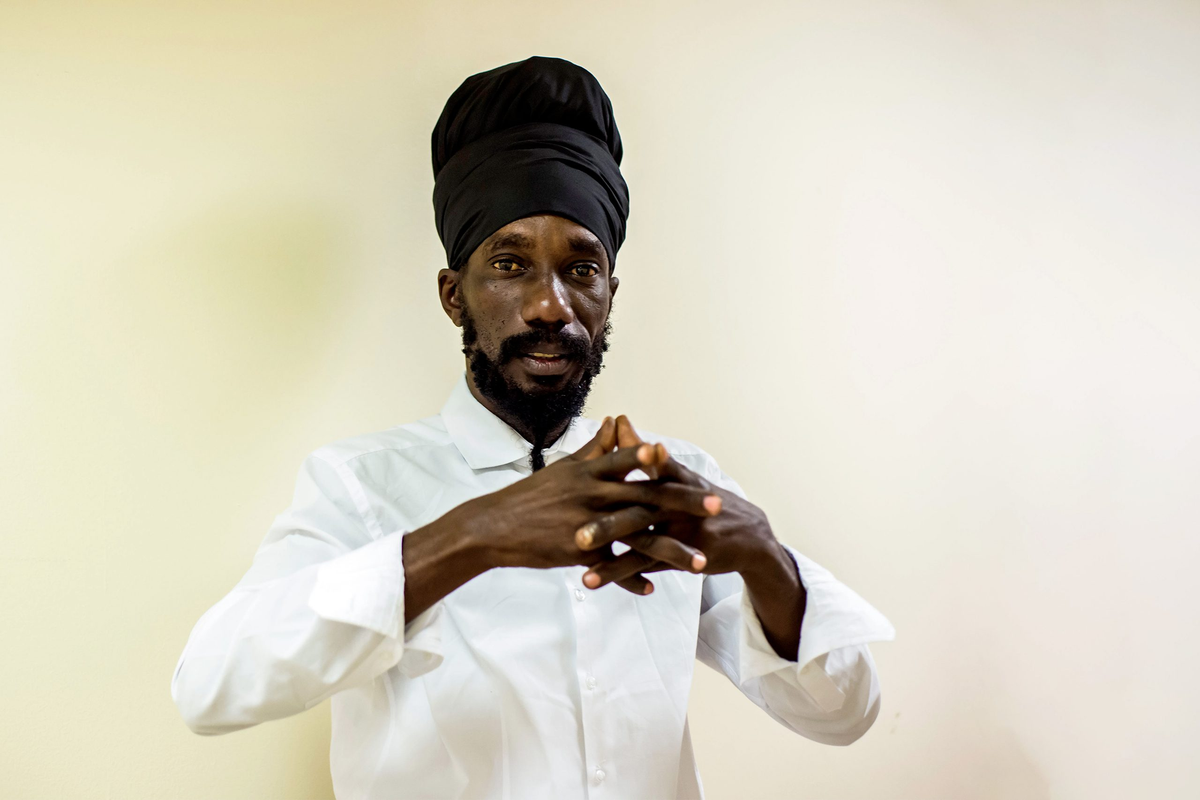
The line “no one knows the pressure you bare, just only you” acknowledges a fundamental truth that sits at the intersection of Rastafarian theology and plain human empathy: the experience of a mother is singular and cannot be borrowed or fully imagined by anyone else.
Later verses carry the son’s pledge: “I’m gonna make you so proud, such good son you have / You are the one who teaches me all the good from the bad / Even when the system keeps pressurin my dad.”
This verse expands the scope of the song significantly. The reference to “the system” pressuring his father is a direct nod to the structural inequalities that Rastafarian and conscious reggae philosophy consistently addresses state power, economic marginalization, and the forces that fracture Black Jamaican families.
Within that context, the mother becomes not just a personal figure of love but a stabilizing force against social disruption.
She is the one who teaches right from wrong even when external pressures threaten to unmoor the family. The gratitude in the song is therefore both personal and political.
The Rastafarian and Cultural Context
To understand the full meaning of “Thank U Mamma,” it helps to understand where the song sits within Sizzla’s broader ideological framework.
Sizzla, along with reggae recording artists such as Capleton, Norris Man, Turbulence, Buju Banton, and Anthony B, are credited with leading a movement toward a re-embracement of Rastafarian values in contemporary reggae music by recording material concerned primarily with spirituality and social consciousness, exploring themes such as Babylon’s corrupting influence, the disenfranchisement of ghetto youth, oppression of the Black nation, and Sizzla’s abiding faith in Jah and resistance against perceived agents of oppression.
Within Bobo Ashanti Rastafari the branch to which Sizzla belongs the reverence shown to women, and specifically to mothers, is doctrinal as well as cultural.
The woman is seen as a queen, and the mother is a figure of sacred creative power. This tradition connects “Thank U Mamma” directly to Sizzla’s earlier landmark, Black Woman and Child (1997), whose very title makes the same elevation of womanhood central to its identity.
Sizzla was just twenty-one years old when he recorded Black Woman and Child, yet he showed such maturity and depth in his songwriting that the album kickstarted a conscious dancehall revolution across Jamaica and the world.
“Thank U Mamma” continues that lineage five years later, but in a more intimate register. Where the earlier album announced a political position, this song makes a personal confession.
Chart Performance and Legacy
On Jamaican airplay charts, “Thank U Mamma” reached a peak position of number 8. That figure, modest by international pop standards, reflects the realities of conscious reggae radio at the time rather than the song’s cultural footprint, which has proven considerably larger.
In 2002, Sizzla garnered even more fans with Da Real Thing, which contained some of his most successful songs to date: the never-say-die rally cry “Solid as a Rock,” the sincere ode “Thank You Mama,” and the massive “Dry Cry (Just One of Those Days),” one of the singer’s most heartfelt performances.
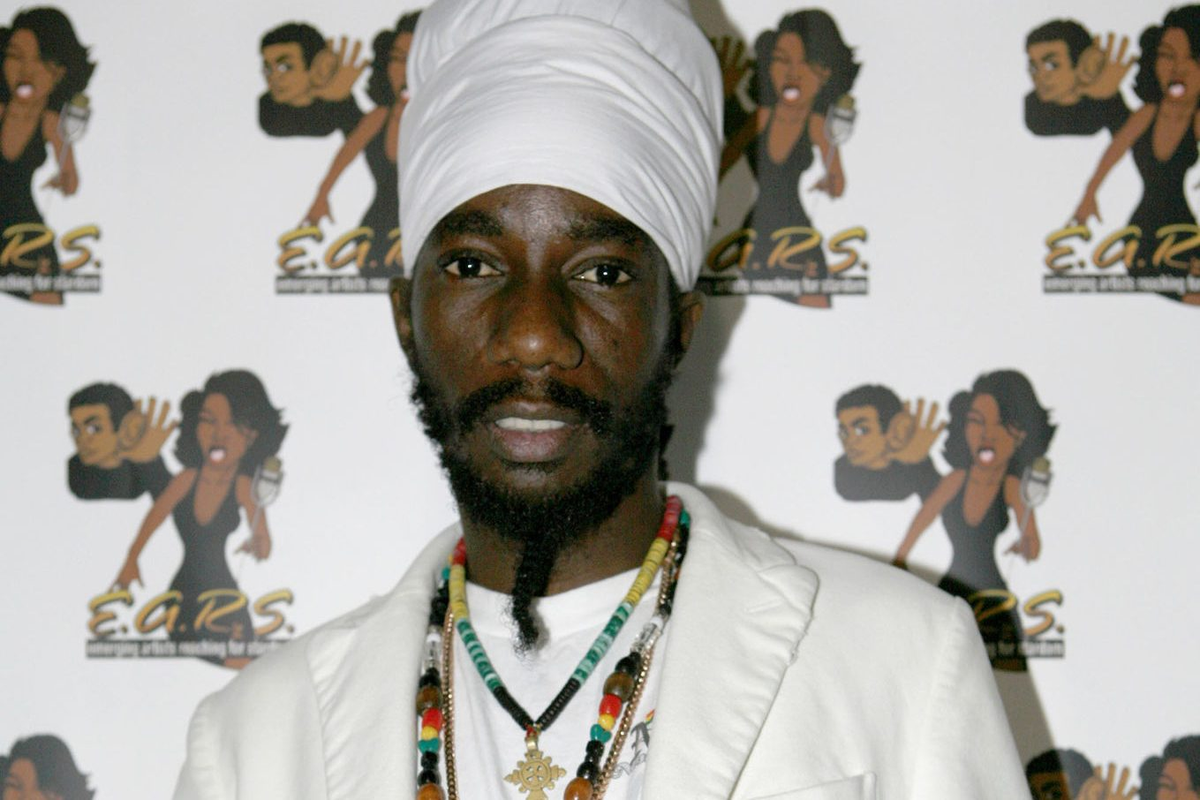
The pairing of “Thank U Mamma” and “Dry Cry” on the same album gave Sizzla two of his most emotionally direct performances in a catalog otherwise defined by spiritual fire and social critique.
The Overstanding, a later album, included updated versions of some of his biggest hits, among them “Thank You Mama” and “Black Woman and Child,” confirming the song’s enduring status within his own catalog and his audience’s attachment to it.
The song has continued to find new listeners across streaming platforms, where it has accumulated over 10,000 lyrics views on Letras.com alone and maintains an active presence on Spotify and Shazam — numbers that speak to an ongoing audience reaching for the song’s simple, uncomplicated emotional core.
Why the Song Still Resonates in 2026
Songs about mothers are common in popular music. What separates “Thank U Mamma” from the genre’s lesser examples is precision and sincerity. Sizzla does not generalize sentiment into abstraction.
He points to nine months of pregnancy, to the unwitnessed private pressures of a mother’s life, and to the specific social forces the system, the pressure on the father, the difficulty of raising children in the ghetto that make a mother’s labor not just biological but political and spiritual.
Across a prolific catalogue that has stretched for decades, Sizzla has remained a constant presence in reggae, with a body of work that reflects both his Rastafarian beliefs and his instinct for direct, crowd-moving songs.
“Thank U Mamma” represents the meeting point of those two qualities: a song rooted in theology and lived experience, but built for immediate emotional recognition by anyone who has ever owed a debt they cannot fully repay.
That is the “thank u mamma meaning” in its most essential form: acknowledgment of a sacrifice no one fully sees, offered by someone who knows he cannot repay it but intends, at minimum, to make her proud.