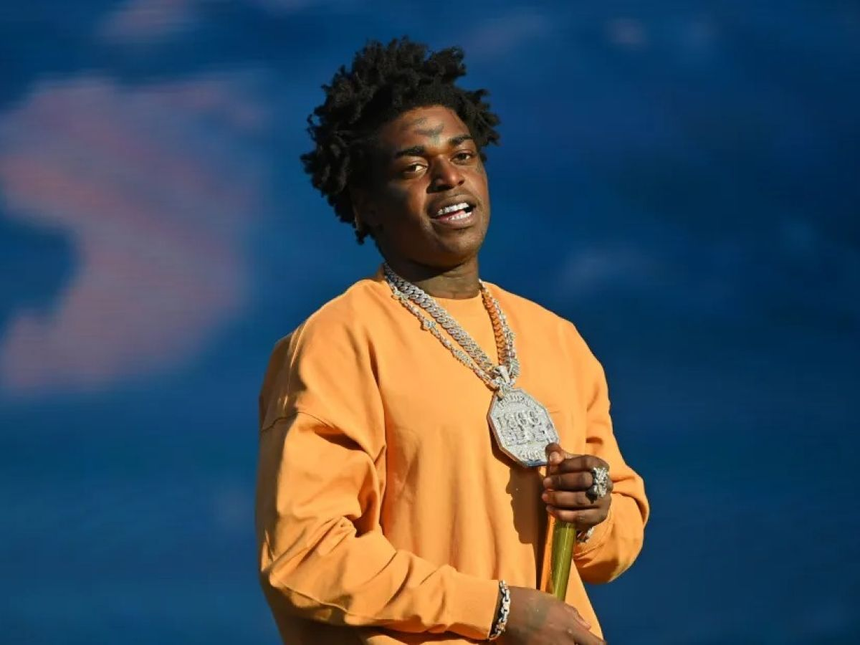

Prosecutors in Orange County quietly dropped the MDMA trafficking case against Kodak Black, and the reason they gave was pretty straightforward: they just didn’t have enough to make it stick.
The Orange County State Attorney’s Office filed a no information notice, which is essentially the legal way of saying the evidence wasn’t there to prove possession of contraband beyond a reasonable doubt.
The arrest happened back in May, and at the time it looked like another serious legal chapter in a career that has seen more than its share of courtroom drama.
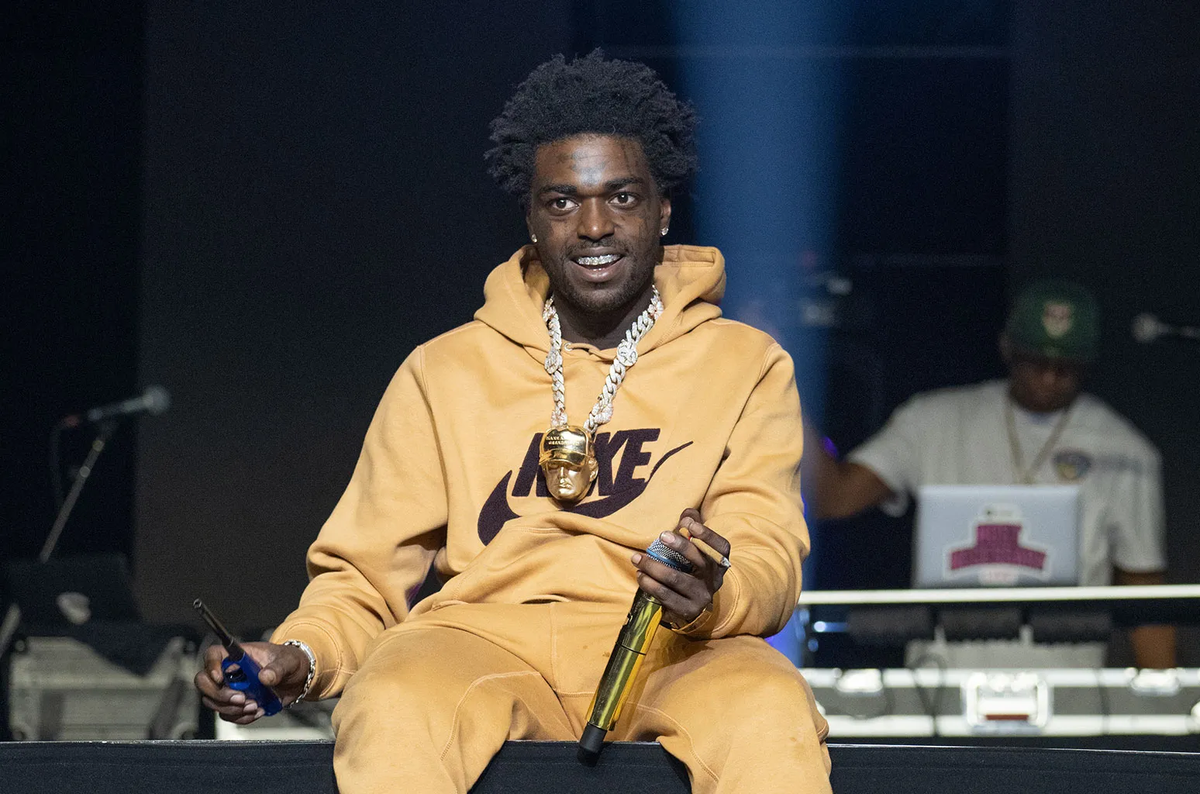
Kodak has been navigating the criminal justice system for years now, with charges ranging from weapons violations to drug offenses, so news of a new trafficking charge landing on his record felt familiar to anyone who follows his story closely.
But a trafficking charge is a different level of serious than most of what he’s faced before. MDMA trafficking in Florida carries mandatory minimum sentences depending on the quantity involved, so walking away from this one without a conviction is a genuinely significant outcome for him and his legal team.
The no information filing means the state is not pursuing the case, but it doesn’t necessarily mean the situation is fully resolved in the court of public opinion.
Critics who have followed Kodak’s legal history will point out that charges being dropped due to insufficient evidence is not the same as being cleared, and that distinction matters to a lot of people.
On the other side, his supporters and people within the rap community who have rallied around him before will likely see this as vindication, or at least as proof that the system doesn’t always get it right the first time when it comes to charging artists.
There’s a long and well-documented history of high-profile rappers facing charges that later fall apart, and that context is hard to ignore here.
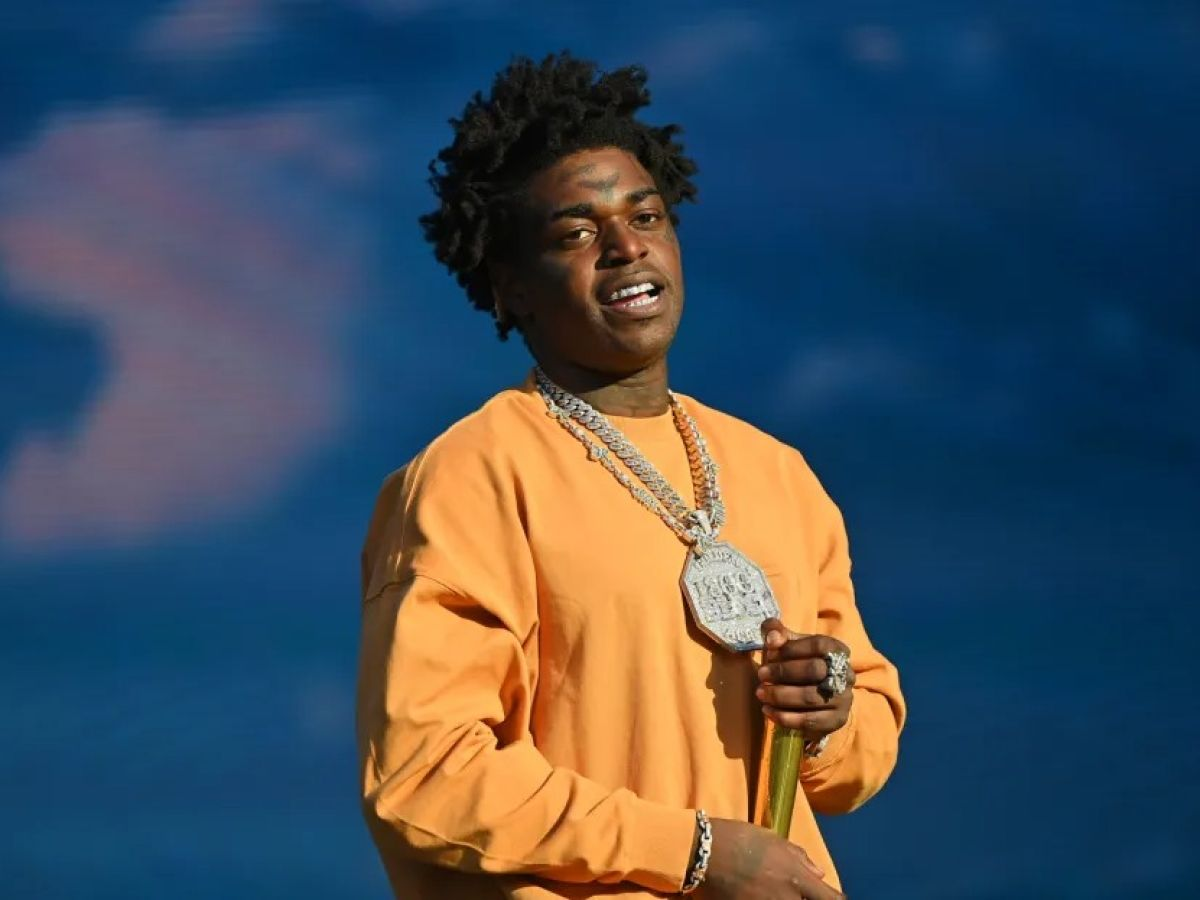
Kodak himself has not made a major public statement about the dismissal yet, which is somewhat surprising given how active he tends to be online.
Whether he addresses it directly or simply moves forward without comment will probably say something about where his head is at right now.
What’s clear is that his legal situation remains something fans and observers are watching closely, because this is far from the first time a charge against him has taken an unexpected turn.
The May arrest was one of several incidents that kept him in the headlines this year, and the broader pattern of his run-ins with law enforcement continues to generate debate about accountability, targeting, and the treatment of Black artists in the American legal system.
The Orange County case may be closed, but Kodak Black’s relationship with the courts is a story that rarely stays quiet for long.