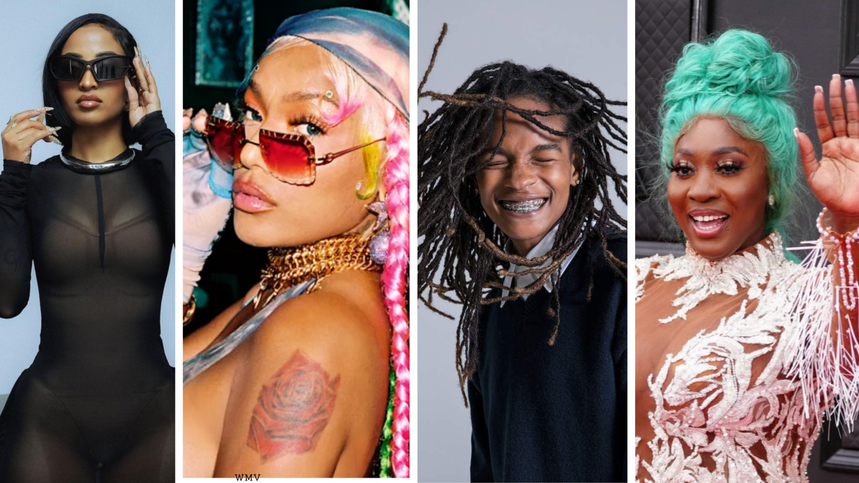

When the conversation turns to the best female dancehall artists in history, a handful of names have consistently shaped the genre’s trajectory, from the sound-system dances of Kingston in the early 1980s through to the global streaming era of the 2020s.
This list ranks the 25 greatest female dancehall artists of all time, weighing longevity, chart impact, cultural influence, and the barriers each woman broke in a genre that has never made space easily.
Whether you are new to the genre or a seasoned scholar of Jamaican music, this is your definitive reference.
The Pioneers: Who Laid the Foundation
1. Lady Saw
Marion Hall, widely recognized by her stage name Lady Saw, is a Jamaican singer-songwriter whose dynamic career has spanned over three decades.
Celebrated as the “Queen of Dancehall,” she broke barriers in a male-dominated genre with her bold lyrics and commanding presence.
No ranking of the best female dancehall artists begins anywhere else. She teamed up with No Doubt for the Grammy-winning, triple-platinum single “Underneath It All,” which appeared on No Doubt’s 2001 record, Rock Steady, and climbed to number 3 on the Billboard Hot 100.
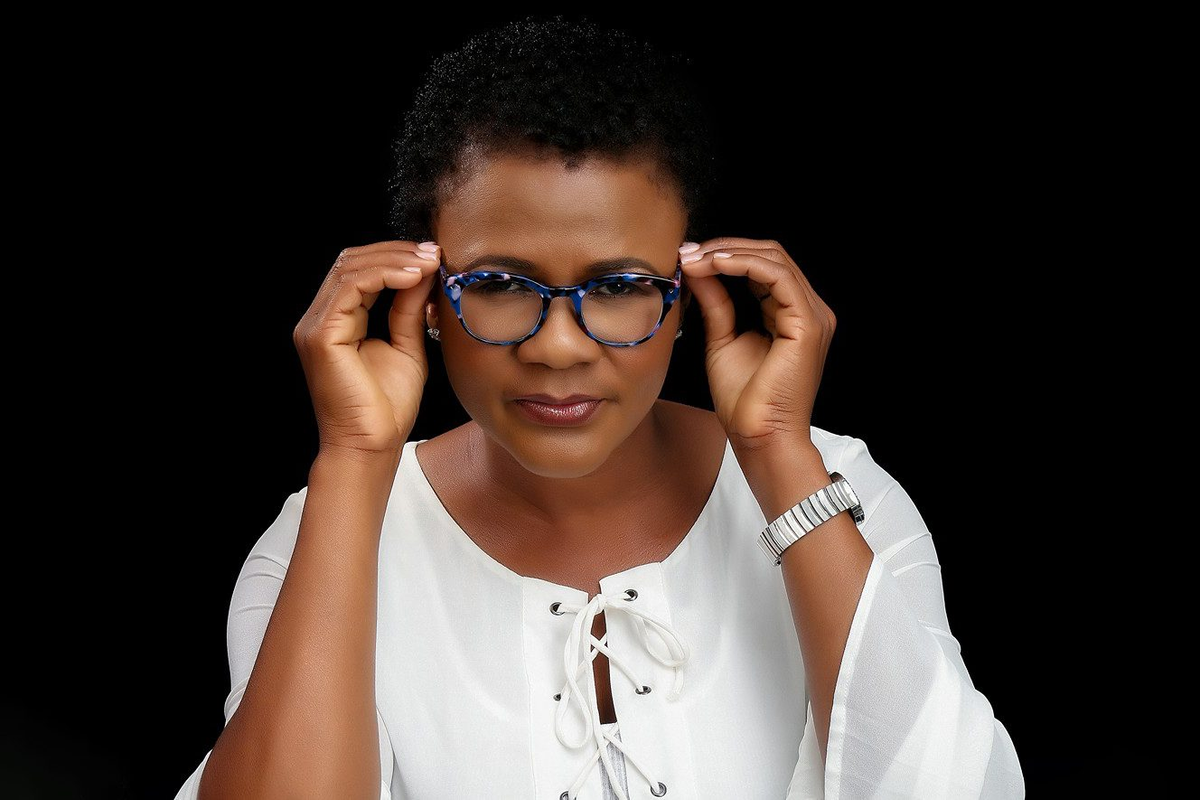
It won a Grammy Award for Best Pop Performance by a Duo or Group with Vocal at the 46th Grammy Awards, and Lady Saw’s guest verse marked her as the first female dancehall artist to claim the honor.
Lady Saw’s studio album catalog includes Lover Girl (1994), Give Me The Reason (1996), Passion (1997), 99 Ways (1998), Strip Tease (2004), Walk Out (2007), My Way (2010), and Alter Ego (2012).
Her album Passion reached number 8 on Billboard’s Top Reggae Albums chart.
Artists like Spice, Shenseea, and Jada Kingdom cite Lady Saw as a key inspiration.
In 2015, Lady Saw left dancehall behind and devoted her life to Christianity, and she was baptized and now performs gospel music under her birth name, Minister Marion Hall.
2. Sister Nancy
Ophlin Russell, born 2 January 1962 and better known as Sister Nancy, is a Jamaican dancehall deejay and singer known as the first female dancehall DJ, described as a “dominating female voice for over two decades” on the dancehall scene.
In addition to her status as a rare female voice in a sea of male performers at the dawn of dancehall, Sister Nancy is recognized for her influential, highly sampled single “Bam Bam,” which she recorded in 1982 when she was just 20 years old as a last-minute addition to her debut album, One, Two.
“Bam Bam” has since become one of the most sampled songs in music history, appearing in commercials, films, television, and video games.
At only 16 years old, she entered the DJ scene and would eventually become the first female Jamaican DJ to tour internationally.
Sister Nancy’s impact extends far beyond her catalogue, as she helped open doors for generations of female artists in dancehall.
3. Spice
Grace Latoya Hamilton was born on 6 August 1982, in Spanish Town, Jamaica, and raised in Portmore.
Known for her numerous risque hit singles, creative videos, bawdy stage shows, social media savvy, and bold fashion sense, Spice became the first hardcore female dancehall artist to receive a Grammy nomination in the Best Reggae Album category.
In 2009, Spice’s career accelerated with her feature on Vybz Kartel’s “Ramping Shop.”
With its catchy refrain, raunchy patois lyrics, and the undeniable chemistry between Spice and Kartel, it became one of the biggest and most controversial dancehall hits.
Jamaica’s Broadcasting Commission issued a directive to halt its play on the island’s airwaves, but the ban only increased its popularity; “Ramping Shop” spent 15 weeks on Billboard’s Hot R&B/Hip Hop Songs chart.
Spice’s first full-length project, the mixtape Captured (2018), was released independently and debuted at number one on the Billboard Reggae Albums chart.
Her debut studio album 10 was nominated for Best Reggae Album at the 64th Grammy Awards in 2022, making Spice the first “hardcore” female dancehall artist to be nominated in the Best Reggae Album category.
On the streaming and digital side, Spice is the first Jamaican female dancehall artist in her genre to collectively reach 1 billion views on YouTube.
During the 2016 MOBO Awards, Spice became the first woman dancehall artist to ever be nominated for Best Reggae Act, as well as the only woman to be nominated for the category overall.
4. Koffee
In 2020, Koffee’s debut EP Rapture won the Grammy Award for Best Reggae Album, making her the youngest artist ever to win in the category and the first Jamaican female artist to do so.
Born in Spanish Town, Koffee first gained attention with a tribute to Usain Bolt, a moment that quickly propelled her into the spotlight.
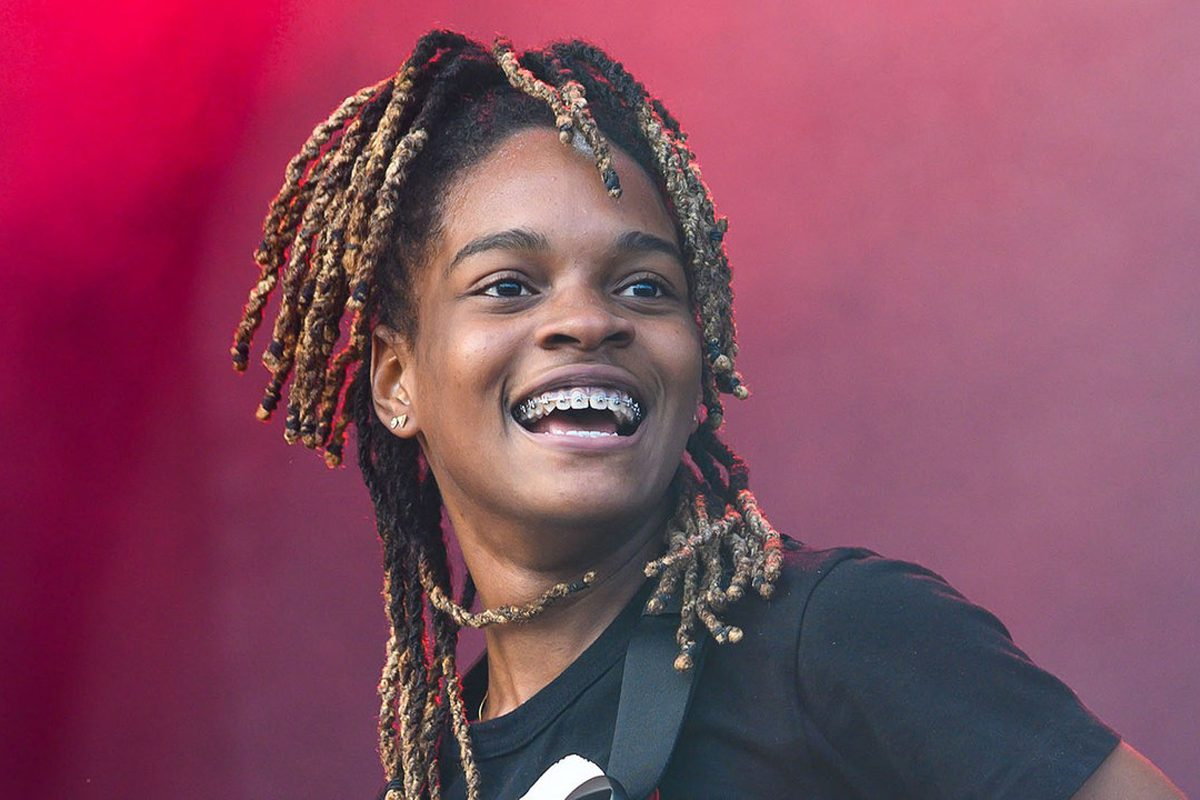
Her breakout hit “Toast” in 2018 brought international acclaim, landing placements across television, film, and major playlists, including that of former U.S. President Barack Obama.
Koffee has since released her first full-length album, Gifted. Her Grammy win at such a young age represents one of the most significant milestones in the history of female dancehall artists.
5. Patra
Born Linda Shaw, Patra is a Jamaican-American singer who was one of the first female dancehall artists to achieve international success.
Her debut album “Queen of the Pack” exploded on the charts in 1993, with “Worker Man” as one of her leading hit singles, and her blend of lyricism combined with hot videos struck gold for audiences within and outside of the Caribbean.
One of the first female dancehall artists to gain international fame, Patra’s fusion of reggae, dancehall, and R&B led to hits like “Romantic Call” and “Worker Man,” bringing a unique and powerful female presence to the genre and contributing significantly to its mainstream popularity.
Her follow-up album “Scent of Attraction” (1995) continued to build on her success.
The 1990s Architects
6. Tanya Stephens
Vivienne Tanya Stephenson, born 2 July 1973 from St. Mary, Jamaica and known by her stage name Tanya Stephens, emerged in the late 1990s as a reggae singer and deejay.
She is most known for her hits “Yuh Nuh Ready Fi Dis Yet,” later featured on the Reggae Gold 1997 compilation album, and “It’s a Pity,” for which Stephens achieved international recognition.
Stephens teamed with Warner Music Sweden in 2004 and eventually gained international recognition for her Gangsta Blues album.
Her album Rebelution was released in August 2006, and the first single “These Streets” was a number one hit in the Caribbean, staying on Tempo’s Chart at number 1 for more than four weeks.
Known for her powerful voice, she brought feminist perspectives to dancehall lyrics that set her apart from contemporaries.
7. Lady Ann
Lady Ann, whose real name is Barbara Ann Smith, rose to fame in the mid-1970s and is considered one of the first female dancehall DJs, along with Sister Nancy.
Her second album in 1982, entitled Informer, earned her two honors: the first female DJ to top the singles chart as well as the albums chart.
Lady Ann paved the way for female dancehall artists in a time when it was difficult to be taken seriously as a woman in the genre.
8. Nadine Sutherland
Nadine Simone Theresa Sutherland, born 15 March 1968 in Kingston, Jamaica, is a Jamaican reggae singer whose early career was nurtured by Bob Marley, and she went on to become a successful dancehall artist in the 1990s.
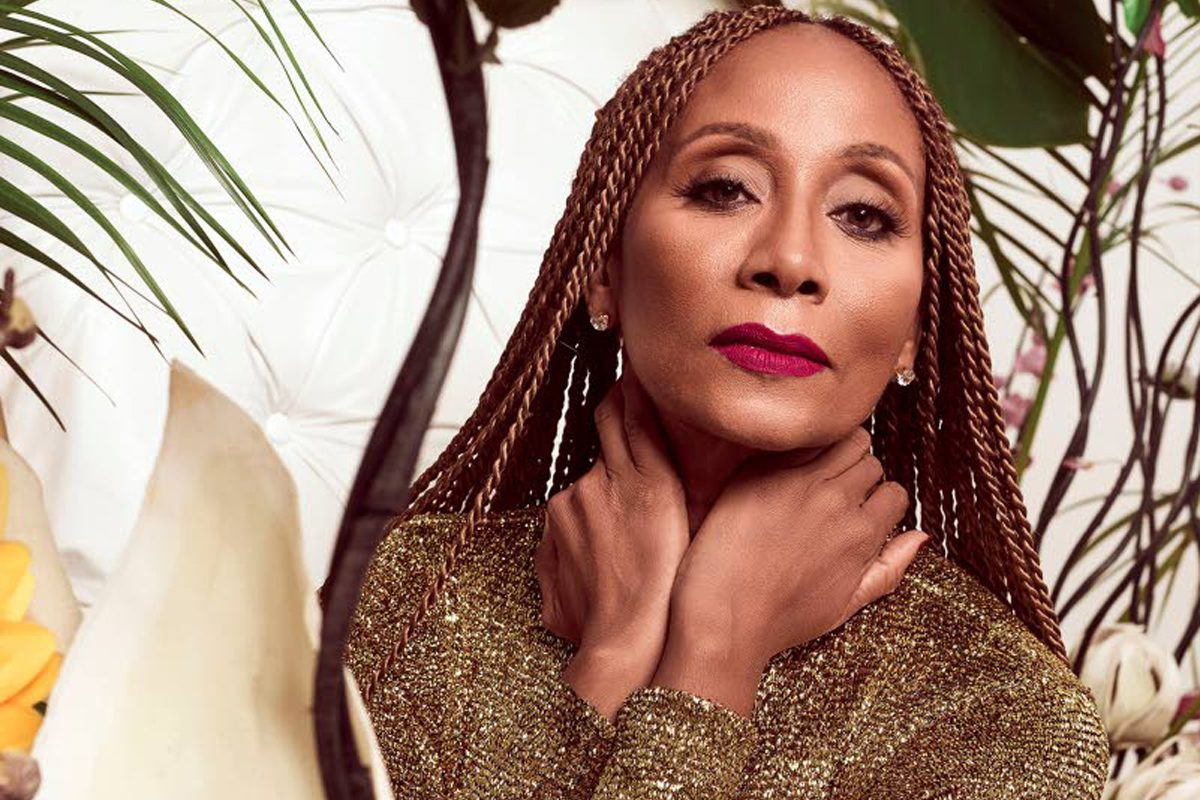
She gained early recognition as a child performer, winning the Tastee Talent Contest at the age of 11, which led to her working with Bob Marley at Tuff Gong Studios.
Nadine transitioned into a powerhouse artist with classics like “Action” and “Babyface,” seamlessly blending reggae and dancehall.
9. Ce’Cile
Cecile Claudine Charlton, known as Ce’Cile, got her big break in 1995, when Steven Ventura, the owner of Celestial Sound Recordings, discovered her.
She started out singing back-up vocals for various bands while also finding the time to write and produce songs with other artists.
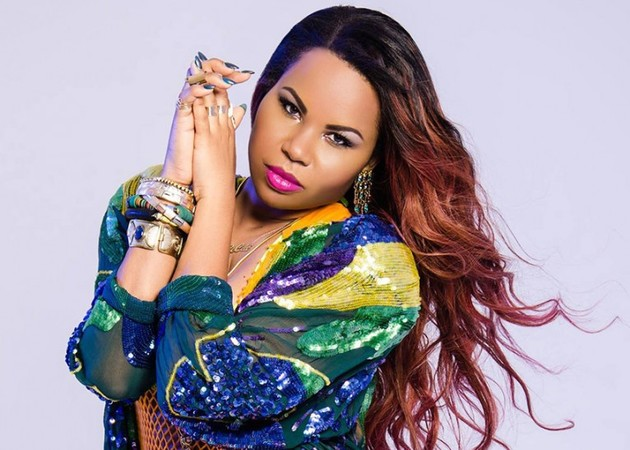
Her hard work paid off when she found success in 2001, collaborating on the single “Can You Do the Work” with dancehall artist Sean Paul.
Ce’Cile is a prominent figure in the dancehall scene, particularly known for her singjay style, which rose to popularity in the 2000s. She carved out a space for herself with her melodic deejaying style and boundary-pushing lyrics.
Ce’Cile continues to release music, with 8 albums delivering themes of love, relationships, and female empowerment.
10. Lady G
Lady G is a veteran in reggae and dancehall, known for her hits like “Nuff Respect” and collaborations with top producers.
With her versatility, she has embraced R&B and electronic influences, making her one of the most dynamic female artists in reggae history.
The 2000s Wave
11. Queen Ifrica
Queen Ifrica, born Ventrice Morgan on March 25, 1975, in Montego Bay, Jamaica, is a reggae singer and DJ known for her socially conscious lyrics and powerful voice.
The daughter of ska legend Derrick Morgan, Queen Ifrica began her career in the early 2000s and quickly became known for her insightful and thought-provoking music.
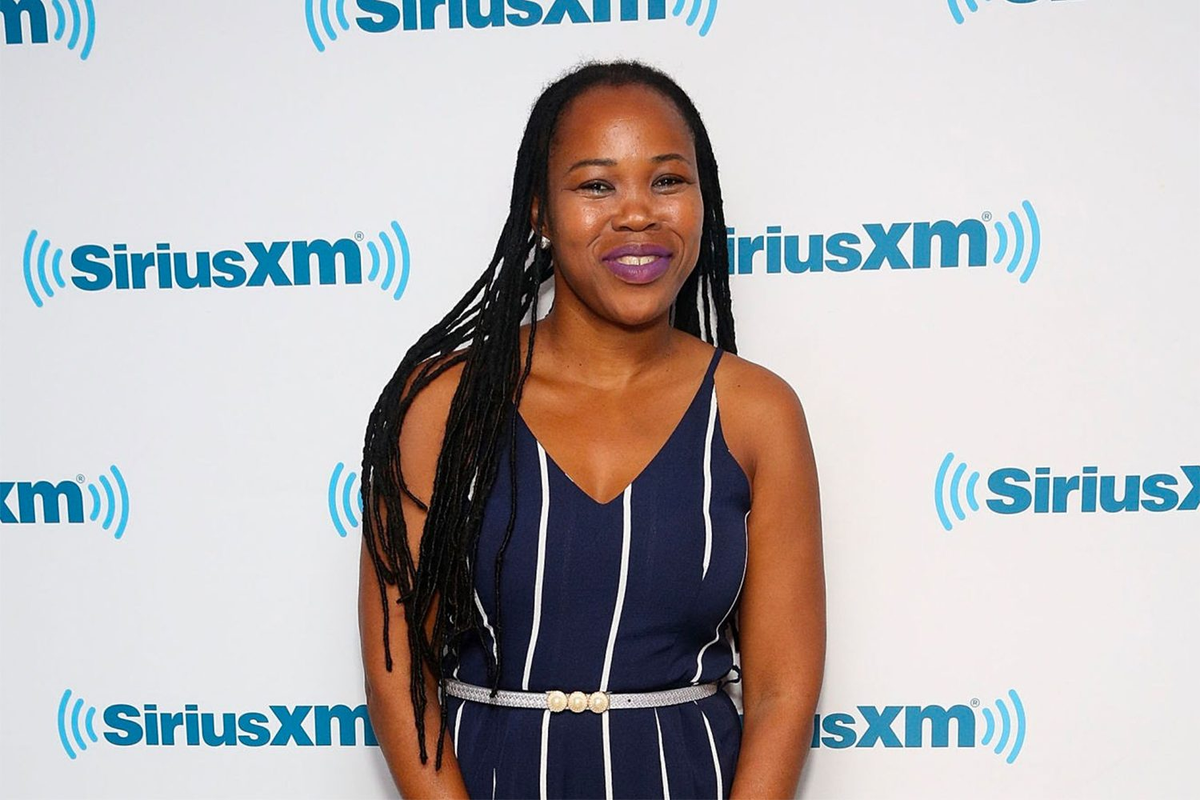
With her socially conscious lyrics and powerful vocals, Queen Ifrica has made an impact with hits like “Below the Waist,” “Daddy,” and “Lioness on the Rise.”
Her album Climb (2017) features tracks like “Black Woman” and “Trueversation” (featuring Damian Marley), highlighting her lyrical depth and commitment to positive messages.
12. Macka Diamond
Macka Diamond, whose real name is Charmaine Munroe, became one of the most consistent female deejays of the 2000s, known for her commanding delivery and a string of dancehall riddim appearances across the decade. She is widely cited alongside Lady Saw and Ce’Cile as one of the genre’s most durable women of her era.
13. Alaine
Alaine Laughton emerged as one of dancehall and reggae’s most accomplished vocalists, celebrated for her smooth crossover between lovers rock, reggae, and dancehall.
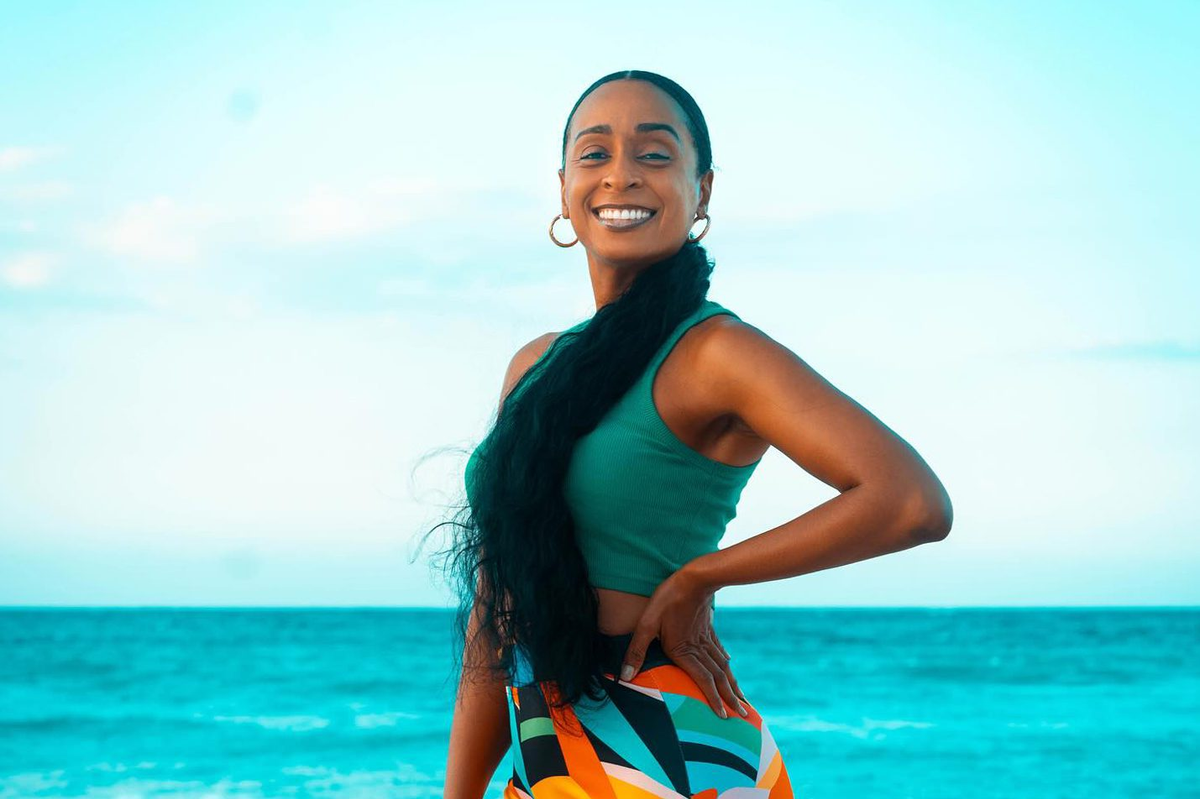
Alaine is renowned for her smooth voice and soulful reggae ballads and has maintained a strong presence in the Caribbean charts for well over a decade.
14. Sasha
Sasha, born Xanya Hutchinson, is a Jamaican dancehall singer-deejay who built a formidable following in the 2000s dancehall scene, earning her place among the best female dancehall artists of that era with riddim appearances and solo projects that spoke directly to the dancefloor.
15. Diana King
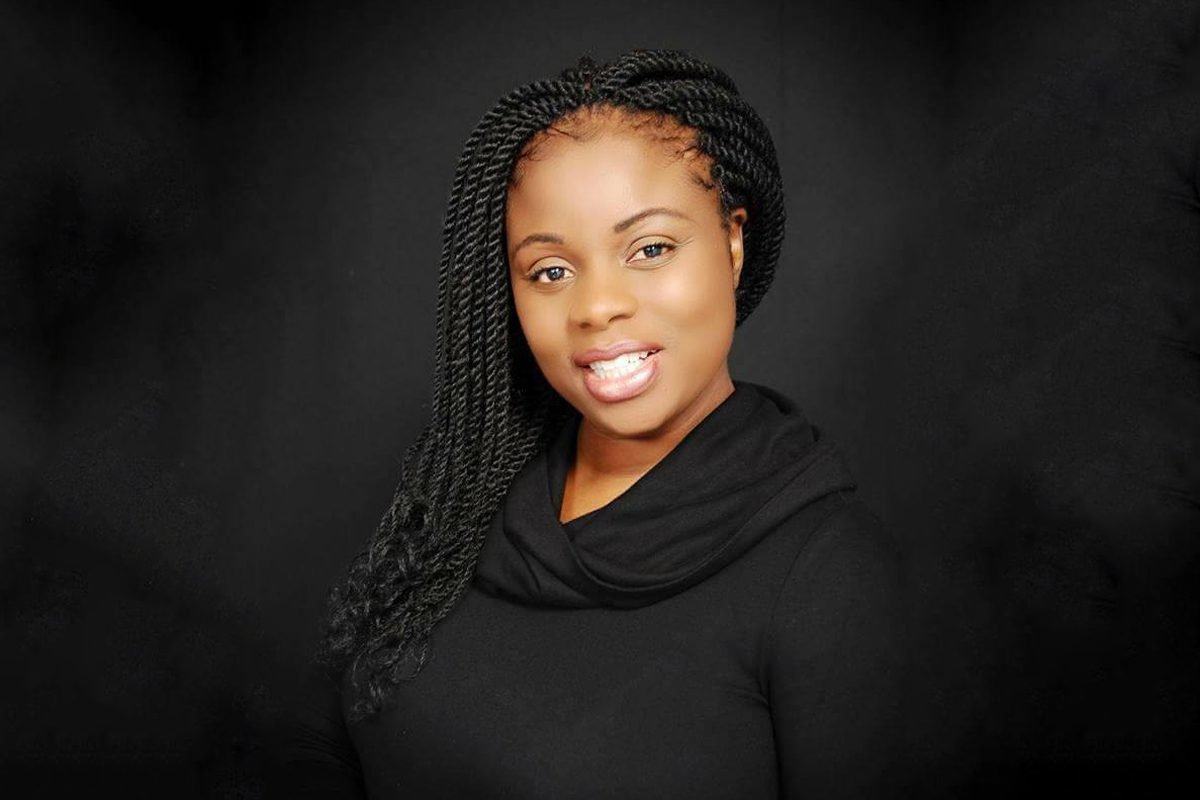
Diana King crossed the boundary between dancehall and international pop with remarkable precision in the 1990s and 2000s.
From the soulful melodies of Marcia Griffiths to the iconic anthems of Sister Nancy to the international hits of Diana King, female reggae singers have left an indelible mark on the music world.
King is best known for her international crossover hit “Shy Guy,” which brought Jamaican popular music to mainstream audiences well before the streaming era.
The Modern Era
16. Shenseea
Chinsea Lee, known as Shenseea, made headlines when she collaborated with the iconic dancehall artist Vybz Kartel on his hit single “Loodi” in 2015.
After signing with Interscope Records in 2019, she released the hip-hop/dancehall track “Blessed,” featuring American rapper Tyga, which became her most successful track to date.
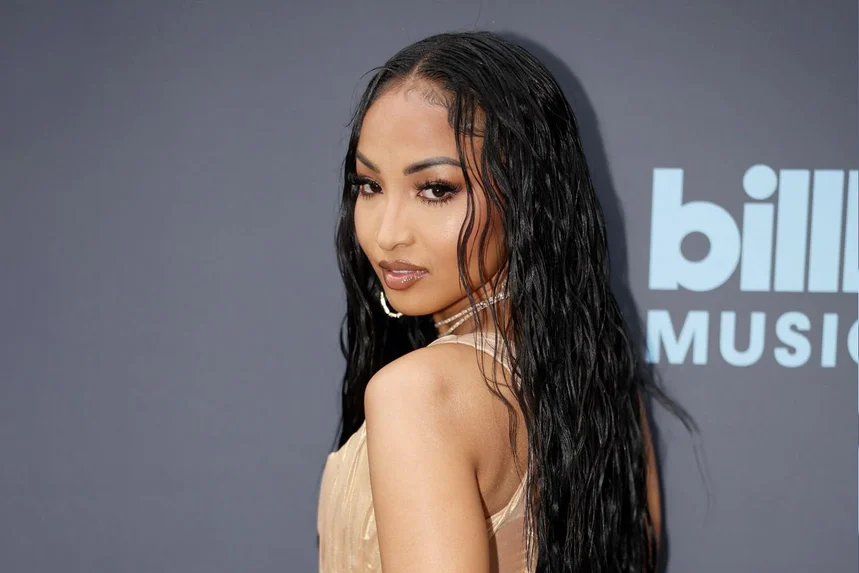
Known for her versatility, Shenseea seamlessly blends reggae and dancehall with rap and pop influences.
Her collaborations with global stars like Kanye West and Megan Thee Stallion have pushed her into the mainstream spotlight while keeping her roots in reggae and dancehall intact.
17. Jada Kingdom
Kingston native Jada Kingdom first appeared in 2017 with her standout hit “Love Situations.” With songs like “WiN,” “Tek It,” “Banana,” “Dickmatized,” and “GPP,” Jada Kingdom has transitioned into becoming one of the faces of modern dancehall music.
She represents a newer generation of female dancehall artists who have found footing in the digital age without the infrastructure of major labels.
18. Stefflon Don
Dancehall artist, rapper, and R&B singer Stefflon Don began her voyage into becoming one of the world’s top dancehall artists during the mid-2010s.
Raised within the U.K.’s music scene, she would eventually become a standout artist by 2017 with several hit singles, including “Real Ting,” “Envy Us,” “Hurtin Me” with French Montana, and “16 Shots.”
Her success represents how diaspora artists have extended the reach of the best female dancehall artists well beyond Jamaica.
19. Tessanne Chin
After winning The Voice, Tessanne Chin brought reggae fusion to a U.S. mainstream audience that had little prior exposure to Jamaican music in that format.
Her victory on Season 5 of NBC’s The Voice in 2013 made her one of the most recognized Jamaican women in international popular music during that decade.
20. Etana
Known as “The Strong One,” Etana has brought soul, roots, and consciousness to the modern reggae landscape. Her Grammy-nominated album Reggae Forever marks a milestone for women in reggae.
Etana’s artistic commitment to roots-driven songwriting has made her a touchstone figure for fans who want substance alongside rhythm.
Honorable Mentions: Nos. 21 to 25
The depth of talent among the best female dancehall artists extends far beyond the top 20. These five names complete the picture.
21. Chevelle Franklyn
Chevelle Franklyn is a Jamaican singer and songwriter whose work on major riddims in the 1990s and 2000s earned her a loyal regional following and placed her among the genre’s most reliable voices.
22. Vanessa Bling
Vanessa Bling holds one charted entry on the Billboard Reggae Albums Chart, reflecting a recording career that brought a distinctly street-level, dancehall-first energy to a genre constantly pulled toward crossover.
23. Marcia Griffiths
Marcia Griffiths has two albums on the Billboard Reggae Albums Chart, and her role as one of the original I-Three backing vocalists for Bob Marley places her at the crossroads of reggae and dancehall history.
Her enduring classic “Electric Boogie” has found new global audiences across generations.
24. Tami Chynn
When you think of standout female dancehall stars, Tami Chynn belongs on the list alongside Lady Saw, Tanya Stephens, Patra, and Ce’Cile.
Tami Chynn’s versatility as a singer-deejay allowed her to carve out a distinctive sound that appealed to both hardcore dancehall fans and the reggae-pop crossover market.
25. Dovey Magnum
Dovey Magnum is among the new wave of female deejays who have sustained dancehall’s street credibility into the mid-2020s, consistently placing records on Jamaican charts and building a streaming presence that keeps her relevant among the current generation.
Why Female Dancehall Artists Deserve Their Own Conversation
Lady Saw’s emergence in the 1990s was nothing short of revolutionary. At a time when dancehall was predominantly male-driven, she broke through, establishing herself as a formidable force.
Her ability to thrive in that challenging environment signalled a significant shift, opening doors for women in dancehall and challenging societal norms that limited female expression in music.
That opening bore fruit. When Spice received her Grammy nomination, 2022 marked the first year two women had been nominated in the Best Reggae Album category.
Before that, Koffee’s Rapture won the Grammy Award for Best Reggae Album in 2020, making her the youngest artist ever to win in the category and the first Jamaican female artist to do so.
These are not isolated milestones; they are the cumulative result of decades of work by every artist on this list.
The best female dancehall artists have never simply followed the genre’s rules. They have rewritten them, one riddim at a time.