

Yellowman net worth is a subject where published estimates vary significantly, ranging from a conservative $500,000 to as high as $10 million depending on the source.
The most widely cited figure, from Celebrity Net Worth, places his wealth at approximately $500,000, while a cluster of aggregator sites offers estimates as high as $1 million to $10 million without transparent sourcing methodology.
Given that disparity, this page presents the full range, attributes each figure to its source, and examines the verifiable career milestones that underpin the King of Dancehall’s financial story.
Who Is Yellowman?
Winston Foster OD, born 15 January 1956, is better known by the stage name Yellowman and also known as King Yellowman. He is a Jamaican reggae and dancehall deejay.
Born in Negril, Jamaica, he grew up as an early target for abuse because of his albinism, spending his formative years in an institution in Kingston, with little to keep him company besides music.
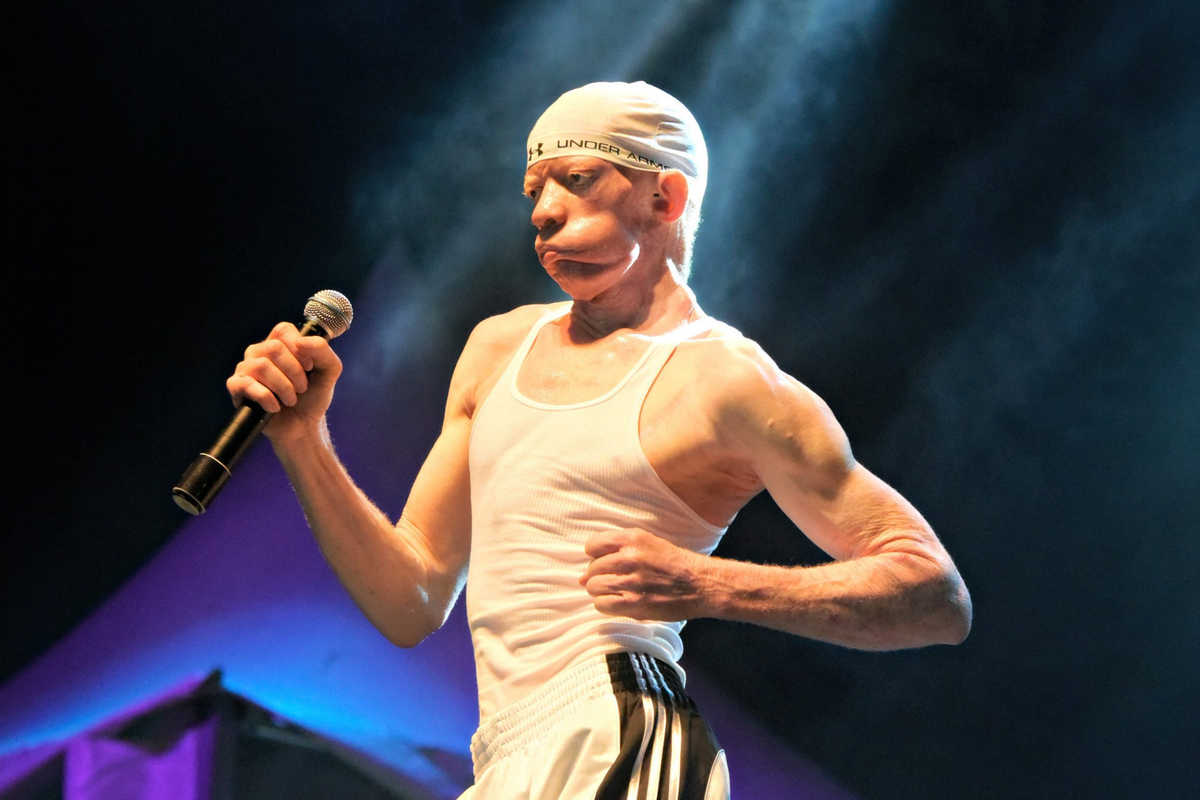
Yellowman is considered to be one of the genre’s pioneers and has been credited with “almost single-handedly [creating] the coarse, crude and fearlessly direct sound of today’s dancehall,” spearheading the first generation of dancehall deejays and bringing the genre to an international audience.
Yellowman Net Worth 2026: What the Sources Say
Published net worth estimates for Yellowman vary widely and should be treated with caution. Here is what the most frequently cited sources report:
- Celebrity Net Worth places Yellowman’s net worth at $500,000.
- A separate aggregator estimates his net worth at somewhere between $1 million and $5 million, noting he has faced financial challenges.
- A third cluster of sites estimates his net worth at around $10 million, citing a combination of album sales, touring, merchandise, and collaborations.
None of these sources discloses a verified audited methodology.
The $500,000 figure from Celebrity Net Worth is the most conservative and the most frequently replicated by fact-checking-oriented outlets. Readers should treat the higher figures as unverified.
No publicly available financial disclosures, tax records, or label revenue breakdowns exist to independently confirm any single number.
Editor’s note: This page will be updated annually as new verified information becomes available.
Key Income Streams Across a Four-Decade Career
Yellowman recorded prolifically in the early 1980s, at one point flooding the Jamaican market with more than 40 singles.
The 1982 LP Mister Yellowman kicked off his collaboration with producer Henry “Junjo” Lawes.
Released internationally by Greensleeves, it started to break him in the UK and US, and is still often acclaimed as his best album. The album was recorded at Channel One Studios and produced by Lawes.
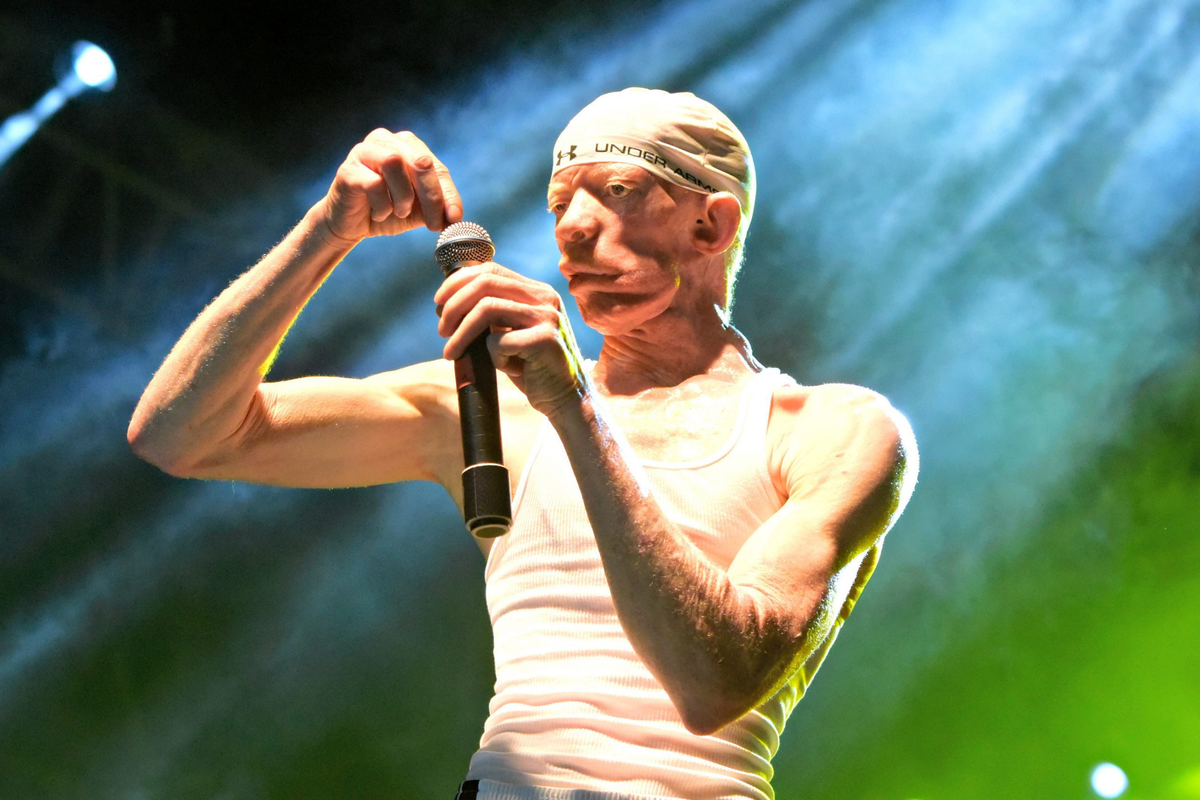
After 1983’s Zungguzungguguzungguzeng album, Yellowman signed a major-label deal with CBS Records, which encouraged him to maintain the stylistic versatility of his previous work.
In 1981, after becoming popular throughout Jamaica, Yellowman had become the first dancehall artist to be signed to a major American label, Columbia Records.
That deal represented a landmark moment for the entire dancehall genre, opening royalty streams and distribution channels that had previously been unavailable to Jamaican deejay artists.
The CBS signing led to a genuine cultural landmark: a team-up with Run-DMC on “Roots, Rap, Reggae,” off their King of Rock album.
Live performance has consistently been Yellowman’s most durable revenue source.
Following the death of reggae icon Bob Marley in 1981, Yellowman became the most popular recording artist in Jamaica, turning in his “finest hour” performance at Montego Bay’s Reggae Sunsplash a year later.
That level of concert draw commanded significant fees on the Jamaican and international festival circuit.
Despite age and health challenges, Yellowman has continued to perform at reggae festivals, private events, and online livestreams.
Videos and audio from performances in 2023 and 2024 appear on official channels and event recordings, showing him actively engaging with audiences.
One of the most financially significant elements of Yellowman’s catalog is the enduring sampling value of his 1983 track “Zungguzungguguzungguzeng.” Released in 1983, the track turned into a genuine dancehall anthem, its vocal melody later lifted and sampled across hip-hop and pop for years afterward.
Artists who have sampled the track include Sublime, Tupac Shakur, KRS-One, Notorious B.I.G., Mos Def, Talib Kweli, and Blackstar.
Each confirmed sample represents a licensing and mechanical royalty event, making this single track a long-tail income generator that has outlasted the peak commercial years of his recording career.
Following the 2003 release of New York, Yellowman entered a lengthy recording hiatus, though he continued to perform live. In 2019, 16 years after his last album, he returned with No More War.
The LP was the inaugural release on Yellow Baby Records, a label launched by Yellowman’s daughter K’reema, with whom he also collaborates.
Operating a family-owned label rather than licensing through a major adds a layer of rights ownership and backend income that artists on major deals typically do not retain.
Career Timeline and Earnings Milestones
Influenced by early toasting DJs like U-Roy, Yellowman practiced rhyming and got a job with the Gemini Sound System as a substitute DJ, christening himself Yellowman and dressing in a bright yellow suit.
In 1979, he won a landslide victory at the well-known Tastee Talent Contest, and within months he had become one of Jamaica’s top concert draws.
Jamaica’s first dancehall superstar, Yellowman ushered in a new era in reggae music following Bob Marley’s death.
His early-1980s success brought the popularity of toasting, the reggae equivalent of rapping, to a whole new level, and helped establish dancehall as the wave of the future.
In 1982 Yellowman hooked up with legendary reggae producer Henry “Junjo” Lawes, and with Lawes as producer, Yellowman released a number of his best records between 1982 and 1985 on the UK Greensleeves label.
He has been credited with helping reggae artists become embraced by the hip-hop community. This crossover influence was commercially meaningful: it exposed his catalog to a new buying demographic in the United States.
Yellowman’s earnings trajectory was interrupted by a severe health crisis. In 1982, Yellowman was diagnosed with skin cancer. After several surgeries, Yellowman was able to continue his career, and the cancer went into apparent remission.
Between late 1984 and 1986, it was diagnosed that the cancer had spread to his jaw, and Yellowman underwent invasive jaw surgery to remove a malignant tumour.
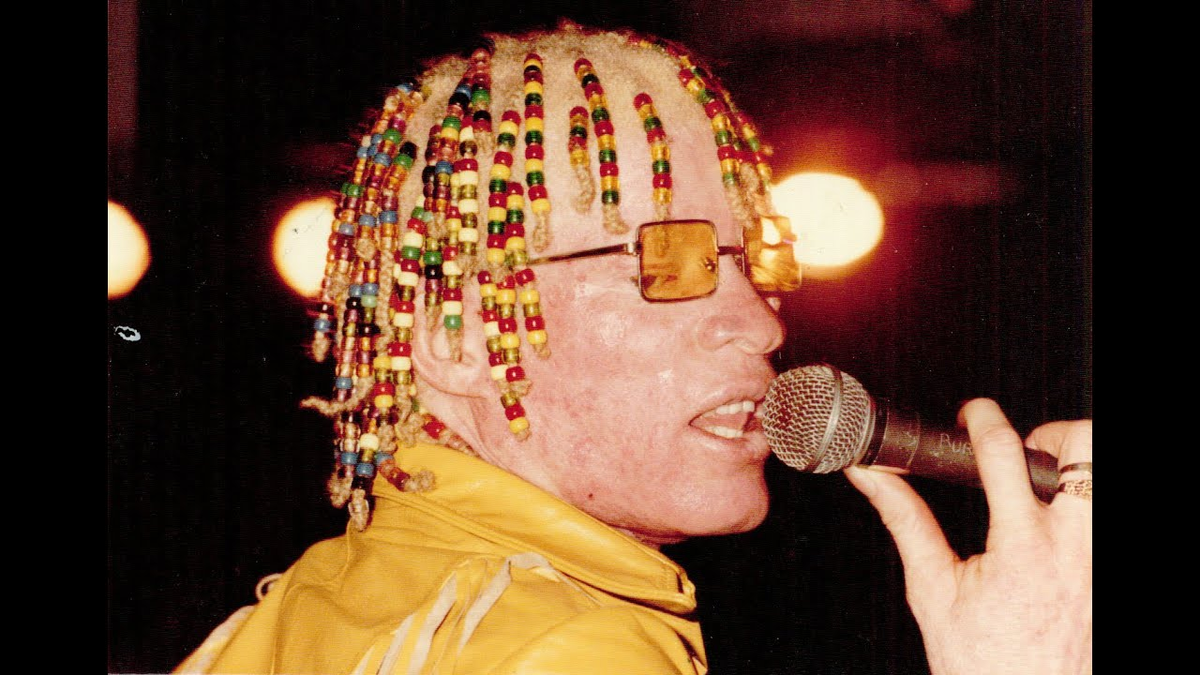
This surgery permanently disfigured Yellowman’s face, as a large portion of the left side of his lower jaw had to be removed to successfully remove the tumor.
He spent some time in convalescence before returning to music and performing live shows again in 1987.
Just as his career was taking flight, he was diagnosed with skin cancer, told by doctors he had just a few years to live.
That prognosis proved to be inaccurate, but a surgery to remove a malignant abscess from his jaw left his face partially disfigured.
After an early-1990s bout with skin cancer, greatly shaken by this second life-threatening illness, Yellowman completely rethought his approach to music, and thereafter devoted himself almost exclusively to spiritual and social concerns.
His 1994 Prayer album was the first effort in this new direction, followed quickly by Message to the World in 1995. Freedom of Speech in 1997 continued in a similar vein.
The Return: 2019 to the Present
In 2019, 16 years after his last studio album, he returned with No More War, the inaugural release on Yellow Baby Records, a label launched by Yellowman’s daughter K’reema.
The move back into active recording while operating under a family-owned imprint suggests a deliberate strategy to retain more of the commercial and creative upside of his remaining output.
In 2020, he underwent prostate surgery, which was reported by Jamaican outlets but did not halt his ability to work.
Awards, Honours, and Cultural Capital
Yellowman holds the Jamaican Order of Distinction (OD). While specific monetary values attached to awards are not publicly confirmed, recognition at the national honours level typically enhances an artist’s booking rates and legacy licensing value.
Yellowman won the Tastee Talent Contest in Jamaica and became the first dancehall artist signed to a major American label when he joined Columbia Records.
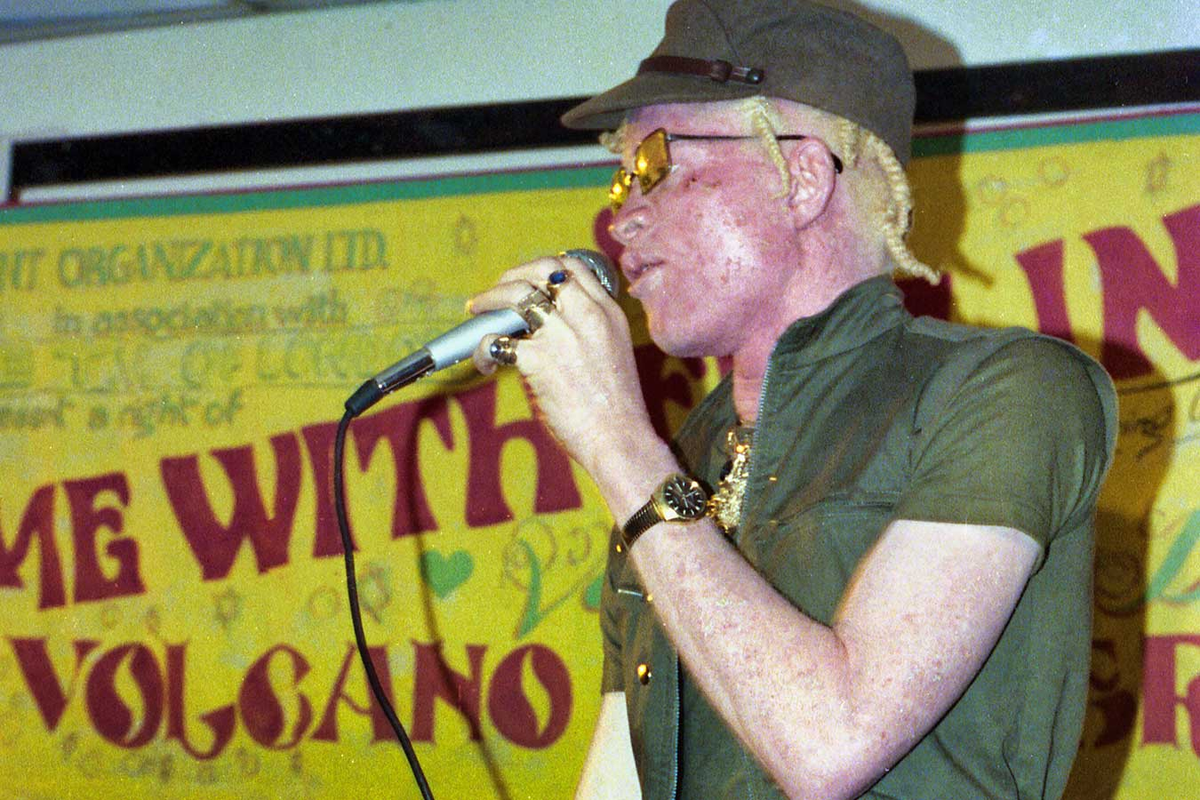
Both milestones carry lasting commercial significance: the contest established his domestic profile, while the Columbia signing opened the North American market to his music.
His cultural footprint in hip-hop via “Zungguzungguguzungguzeng” also constitutes a form of intangible but financially material cultural capital.
He has been credited with helping reggae artists become embraced by the hip-hop community, with his signature track sampled by artists including Sublime, Tupac Shakur, KRS-One, Notorious B.I.G., Mos Def, Talib Kweli, and Blackstar.
Assets and Lifestyle
Detailed public reporting on Yellowman’s specific property holdings, investments, or luxury assets is not available. What is known is that he resides in a house in uptown Kingston, Jamaica.
His lifestyle is reportedly modest: his daily routine includes push-ups, free weights, work with a punching bag, and runs through the hills near his home.
He keeps a mostly Ital diet, preferring local produce like soursop and mango to processed foods. No verified reports of major property portfolios, significant business ventures outside music, or substantial investment positions have appeared in credible outlets.
Why Estimates Vary So Widely
The broad net worth range for Yellowman, from $500,000 to $10 million, reflects several structural realities:
1. Catalog complexity. Yellowman released music across multiple labels, Greensleeves, CBS/Columbia, RAS, VP, Artists Only, and Yellow Baby Records, making it difficult to consolidate royalty streams from public sources.
2. Sampling income opacity. Sampling deals are privately negotiated, and royalty distributions to original artists are not publicly disclosed.
3. Aggregator methodology. Many net worth websites use unverified formulas based on social media metrics and broad industry comparables rather than verified income data.
4. Jamaican entertainment economics. The reggae and dancehall industry has historically generated significant cultural value that does not always convert to documented financial wealth, particularly for foundational artists who pre-dated streaming era royalty standardisation.
Bottom Line
Yellowman net worth in 2026 is most conservatively estimated at approximately $500,000 according to Celebrity Net Worth, with broader aggregator estimates ranging up to $10 million. The true figure is not publicly verifiable.
What is beyond dispute is that Yellowman built his wealth across a career spanning more than four decades, anchored by a landmark CBS Records deal, an internationally sampled catalog, sustained live performance revenue, and a late-career move into family-owned label infrastructure through Yellow Baby Records.
He remains an active artist and an enduring architectural figure in the dancehall canon.