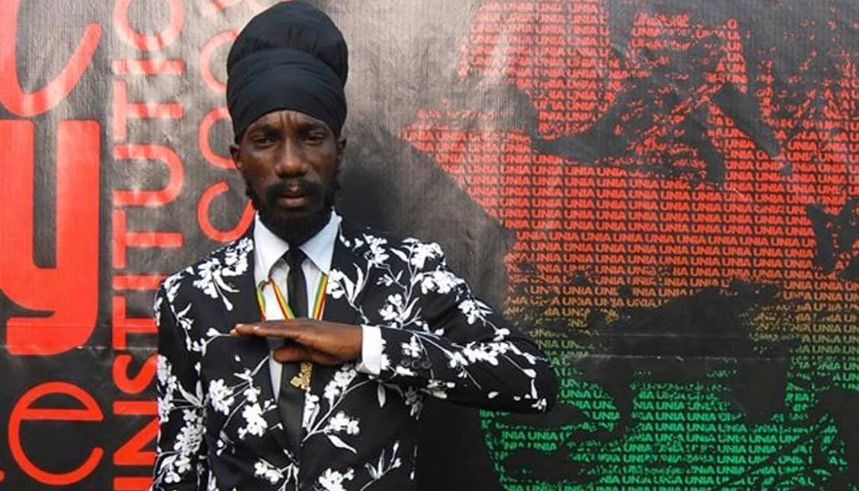

Sizzla net worth is estimated at between $500,000 and $1 million as of 2026, according to multiple entertainment finance trackers, with at least one outlier source placing a significantly higher figure.
Given that the artist has never publicly disclosed his finances, all figures circulating online are estimates drawn from public data rather than audited accounts.
What is not in dispute is the foundation behind whatever wealth Sizzla has built: a career spanning more than three decades, a catalogue of well over 70 albums, a Grammy nomination, Billboard chart appearances, a functioning record label, and a community compound in Kingston that doubles as a professional recording facility. This page is updated annually as new information becomes available.
Who Is Sizzla? A Brief Profile
Miguel Orlando Collins, born April 17, 1976, and known by his stage name Sizzla Kalonji, is a Jamaican reggae musician. He was raised in the community of August Town.
A follower of the Bobo Ashanti branch of the Rastafari movement, he studied mechanical engineering at Dunoon High School before music claimed his full attention.
Sizzla Kalonji is one of the most prolific leaders of the conscious reggae dancehall movement, emerging in the latter half of the 1990s and helping to lead dancehall back to the musical and spiritual influence of roots reggae and heavily Rastafarian subject matter.
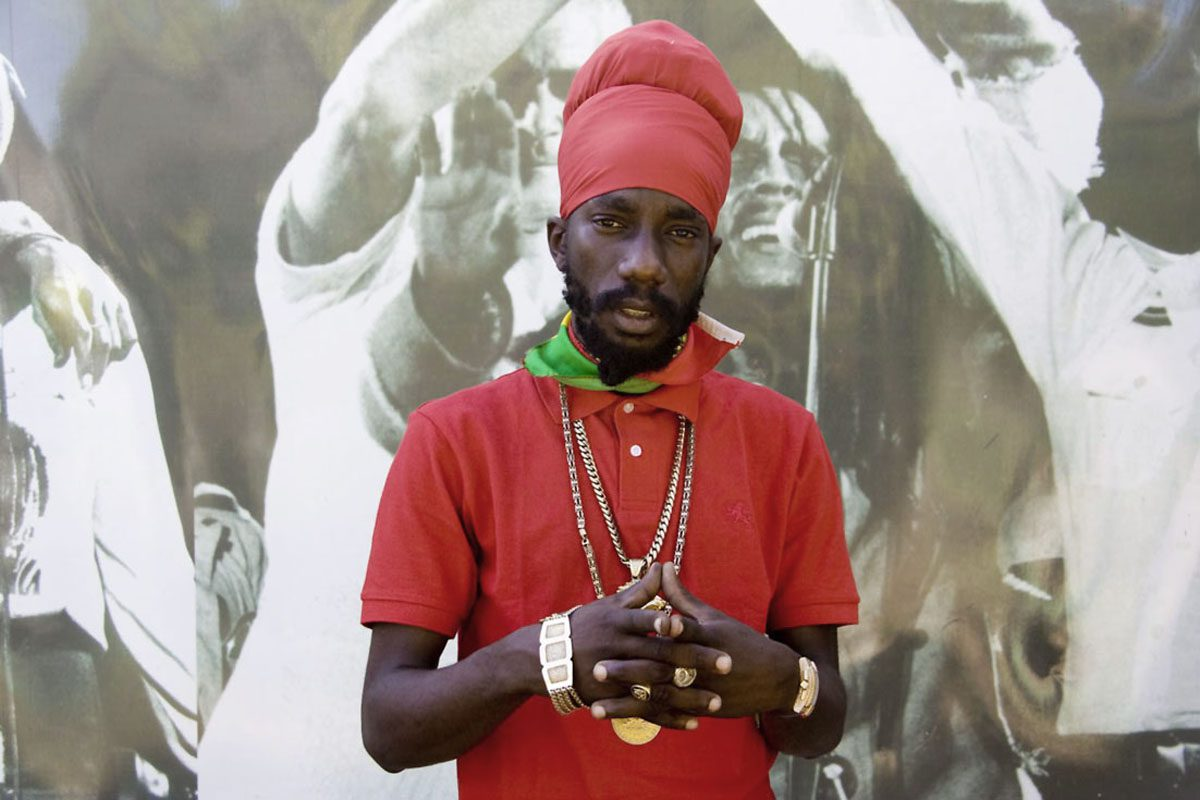
Along with Buju Banton and Capleton, he helped steer the genre back toward organic productions and deeply spiritual themes.
Sizzla Net Worth 2026: The Estimates
Published net worth figures for Sizzla diverge considerably depending on the source, which is typical for artists who do not file public financial disclosures.
- Celebrity Net Worth places his net worth at $500,000.
- Kahawatungu independently arrives at the same figure, describing it as a reflection of his decades-long career, worldwide tours, and enduring fan base.
- NetWorthDatabase estimates a slightly higher $1 million.
- RichestLifestyle takes a more bullish position, estimating Sizzla’s net worth at approximately $5 million for 2026, with a likely range of $4.5 million to $5.5 million, reviewed as of July 30, 2026. However, the site notes that its net worth estimates are compiled from public sources and comparable transactions, are not audited, and are not confirmed by the subject.
DancehallMag editorial note: The wide spread between these estimates, from $500,000 to $5 million, reflects the difficulty of valuing the income streams of an independent artist who controls his own label, owns real estate, and operates outside the major-label system where revenue data is more accessible.
The $500,000 figure from Celebrity Net Worth is the most widely cited and methodologically transparent of the conservative estimates.
The higher figures may account for real estate and business assets but are not independently verified. Readers should treat all figures as informed approximations.
Career Earnings: The Income Streams Behind the Estimate
Album output is the bedrock of Sizzla’s financial profile. As of 2014, he had released over 70 solo albums, and as of 2025 the Grammy organization notes he has more than 90 albums to his name.
His earnings come primarily from album sales, royalties, live performances, and international tours. Key titles in that commercial catalogue include his 1997 breakthrough: widely considered one of the top conscious dancehall albums of its time, “Praise Ye Jah” was quickly followed by the Dixon-produced “Black Woman and Child” that same year, whose title track became something of a cultural reggae anthem.
In his 70-album body of work, 21 of his albums have made it onto the Billboard Top Reggae Albums music chart. That is a measure of sustained commercial relevance across multiple decades, not a single hit-driven peak.
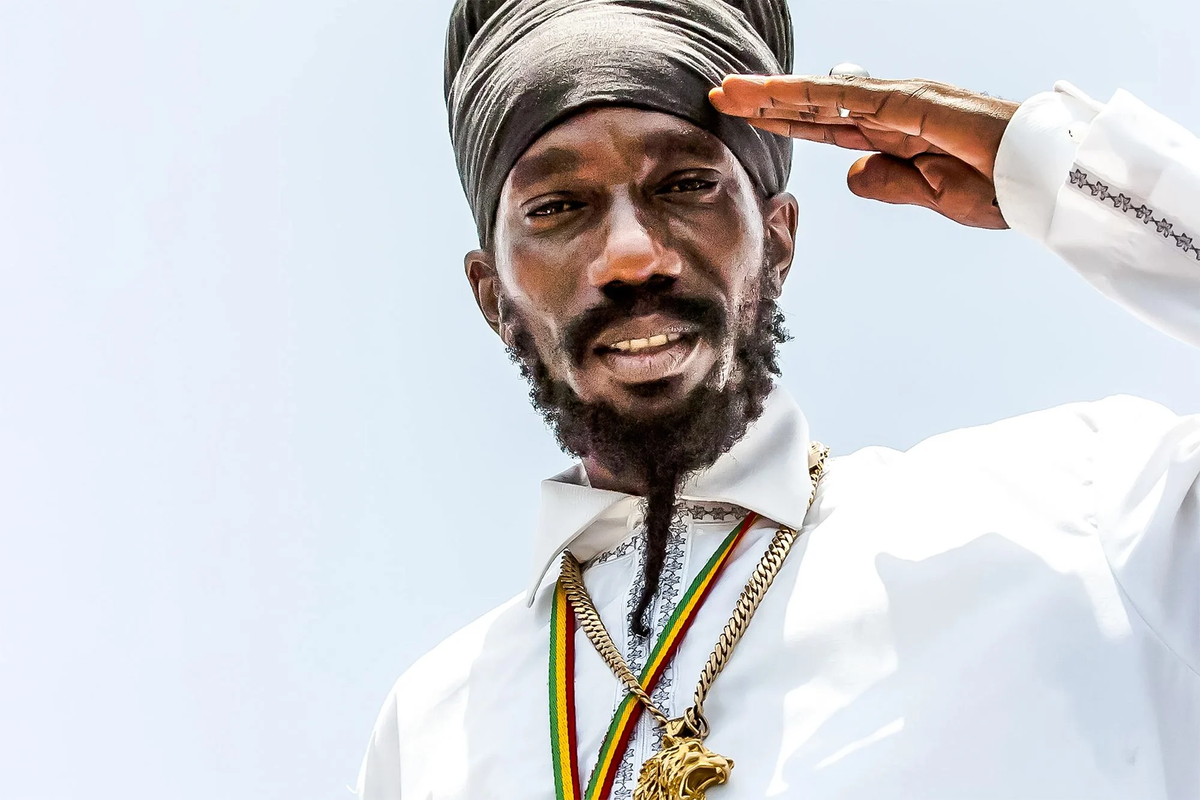
The Messiah, described as roughly his 70th effort, was mostly written and executive produced by Sizzla himself, showcasing his full scope of talents on a 15-track collection. The Messiah peaked at number one on the South Florida Reggae Chart and the New York Reggae Chart.
Live performance has been a consistent, if selectively deployed, revenue source. Sizzla rarely appeared in public and rarely granted interviews, keeping concert appearances to a minimum, yet maintained his status as one of the most popular conscious reggae artists of his time thanks to a consistently high standard of quality control.
In 2023, Sizzla Kalonji announced a new album and a 13-show tour of Japan, signaling that he remains an active touring commodity with international demand.
Live performances have significantly contributed to his income, with concerts and international tours providing substantial revenue through ticket sales and merchandise.
One of the most durable and underappreciated pillars of Sizzla’s financial position is his ownership of Kalonji Records and the publishing that flows from self-produced work.
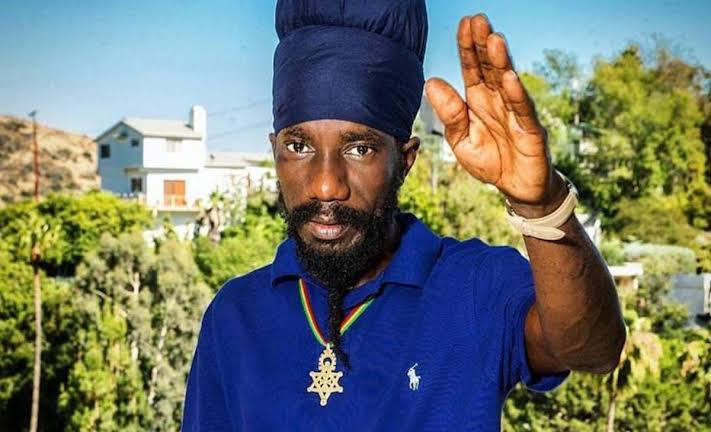
He started his own company, Kalonji Records, which marked his growth not only as a great reggae artist but also as a record label executive and businessman.
In a joint venture with Kalonji Records, his album “The Overstanding” was released in November 2006 with Damon Dash Music Group and Koch Records.
That distribution deal with a major hip-hop affiliated imprint illustrated his ability to negotiate cross-genre partnerships.
The Messiah, which brought Sizzla his first Grammy nomination for Best Reggae Album at the 2014 GRAMMYs, was released through his Kalonji Music label with Sizzla as executive producer.
Controlling both the master and the executive producer credit on a Grammy-nominated project has significant long-term royalty implications, particularly as streaming platforms continue to pay out on legacy catalogues.
Key Assets and Business Interests
Beyond music income, one of Sizzla’s most tangible and publicly documented assets is Judgement Yard in August Town, Kingston.
Judgement Yard was established as a community centre in August Town, an eastern suburb of Kingston, Jamaica, by Sizzla Kalonji.
It is a geographic location at 41 August Town Road, where Sizzla maintains one of his residences, and it is the home of his state-of-the-art studio, as well as his record label, Kalonji Records.
It was out of this studio that he produced the album “Life,” which is Sizzla’s first self-produced album, a production effort that signals a dimension in his career as a producer and record label proprietor.
The August Town-based artist rarely grants interviews and makes only select live performances, but on any given day he can be found in the community centre he established, milling around with locals and mentoring young artists in the facility’s state-of-the-art studio.
The compound represents both a real estate holding and a production infrastructure that reduces his reliance on third-party studios, lowering operating costs and increasing the profit margin on self-produced albums.
The aggregate value of Sizzla’s self-owned masters and publishing rights is not publicly disclosed but represents a potentially significant asset.
Independent catalogue acquisitions have become a major market in recent years, and artists who retained ownership of their masters during the pre-streaming era hold considerably more leverage than those who signed those rights away to major labels early in their careers.
Sizzla’s move to establish his own label infrastructure relatively early in his career positions that catalogue as a long-term asset, though no acquisition or valuation of it has been publicly reported.
Career Milestones That Shaped His Earnings
He cut his first single for the small Zagalou label in 1995, then moved on to Philip “Fattis” Burrell’s Xterminator label. Extensive touring with fellow roots and culture artist Luciano followed, earning Sizzla critical acclaim.
Universal praise brought Sizzla’s first nomination for Best International Reggae Artist of the Year at the 1998 MOBO Awards and a place in various magazines’ top 100 albums of the year. 1999 also saw him receive his second MOBO nomination.
No less than three albums, “Be I Strong,” “Good Ways,” and “Royal Son of Ethiopia,” appeared in 1999, with “Be I Strong” achieving the highest profile among them.
That volume of output in a single calendar year illustrates both his prolificacy and the challenge of tracking per-album sales figures individually.
The clearest single marker of mainstream industry validation in Sizzla’s career came in late 2013. The 56th Annual Grammy Award nominees for Best Reggae Album included Beres Hammond, Ziggy Marley, Sizzla for “The Messiah” (VP Records), Sly and Robbie and The Jam Masters, and Snoop Lion.
The Messiah earned Sizzla his first Grammy Award nomination in the Best Reggae Album category before eventually falling to Ziggy Marley.
Grammy nominations in the reggae category reliably generate a sales spike and increased international booking fees, reinforcing the commercial value of critical recognition even without a win.
On August 24, 2011, Sizzla was hit by a bus while riding his motorcycle along the Salem main road near Runaway Bay in St. Ann, Jamaica, leading to many false reports of the singer’s death. He resumed recording by the beginning of the following year.
The incident represented a potential interruption to touring income that year but did not derail his long-term output.
The most recent public milestone confirming his stature came in August 2025. Sizzla Kalonji, celebrating 30 years in the entertainment industry, was presented with the Key to the City of Lauderhill, Florida, during a ceremony at the Lauderhill Performing Arts Centre and received a special citation from the United States Congress, acknowledging his impact beyond music and his role as a cultural ambassador.
Mayor of the City of Lauderhill, Denise Grant, presented Sizzla with the key, while Congresswoman Sheila Cherfilus McCormick read the citation.
Such civic and congressional recognition carries no direct financial value but materially reinforces booking power and brand equity for an artist whose profile remains strong in the Caribbean diaspora market across North America.
Family, Legacy, and Cultural Capital
His sons Raheem Collins and Melech Collins have followed him into a career in music, working under the names Reemus K and Skorcha.
The intergenerational transfer of musical craft within the Kalonji family is consistent with the artist’s broader mission, articulated publicly and through Judgement Yard, of mentoring young talent from August Town and beyond.
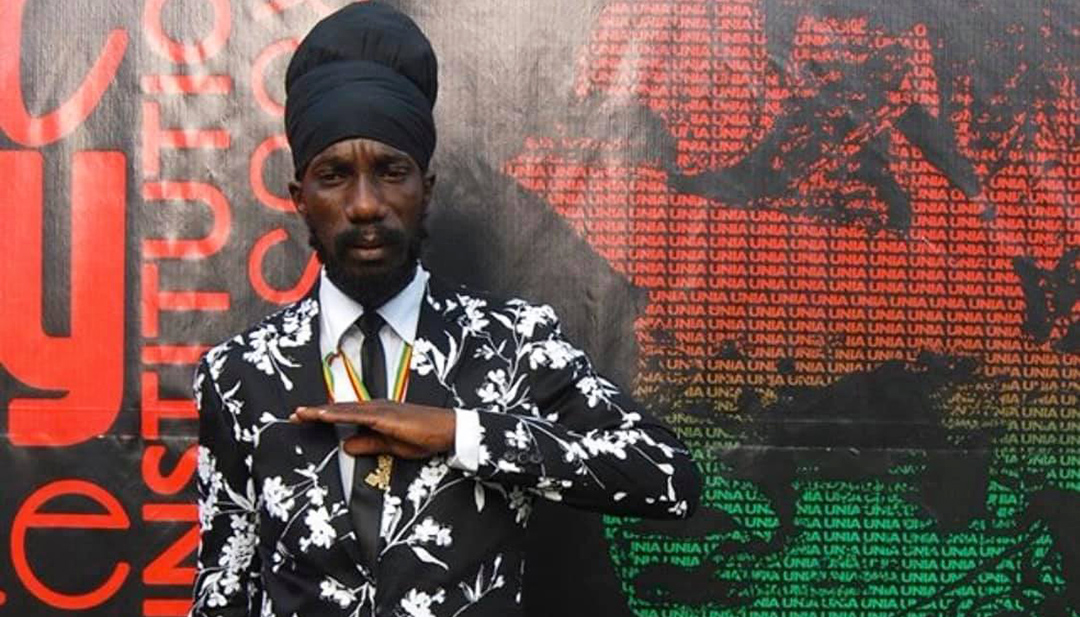
Sizzla, along with reggae recording artists such as Capleton, Norris Man, Turbulence, Buju Banton, and Anthony B, is credited with leading a movement toward a re-embracement of Rastafarian values in contemporary reggae music.
That cultural capital, while difficult to quantify in dollar terms, underpins the durability of his touring draw and catalogue value.
Summary Table: Sizzla Net Worth at a Glance (2026)
| Data Point | Figure / Detail |
| Estimated Net Worth (conservative) | $500,000 (Celebrity Net Worth; Kahawatungu) |
| Estimated Net Worth (higher range) | Up to $1M (NetWorthDatabase) |
| Estimated Net Worth (outlier) | ~$5M (RichestLifestyle, unaudited) |
| Primary Income Sources | Album sales, royalties, live performance, Kalonji Records |
| Solo Albums Released | 70+ (as of 2014); 90+ (Grammy.com, 2025) |
| Billboard Top Reggae Albums appearances | 21 chart appearances |
| Grammy Nominations | 1 (Best Reggae Album, 2014, “The Messiah”) |
| MOBO Nominations | At least 2 (1998, 1999) |
| Key Business Asset | Kalonji Records; Judgement Yard studio compound, August Town, Jamaica |
| Notable 2025 Honor | Key to the City of Lauderhill + U.S. Congressional Citation |
Bottom Line
Sizzla net worth in 2026 most credibly sits somewhere in the range of $500,000 to $1 million based on the most frequently cited and methodologically grounded public estimates, with the important caveat that those figures may undervalue privately held assets such as real estate and catalogue rights.
An artist who owns his masters, operates his own label, runs an in-house recording studio, and has sustained a 30-year career with over 90 albums and 21 Billboard chart entries is not a straightforward case to value from the outside.
This page will be updated as new public financial data becomes available.