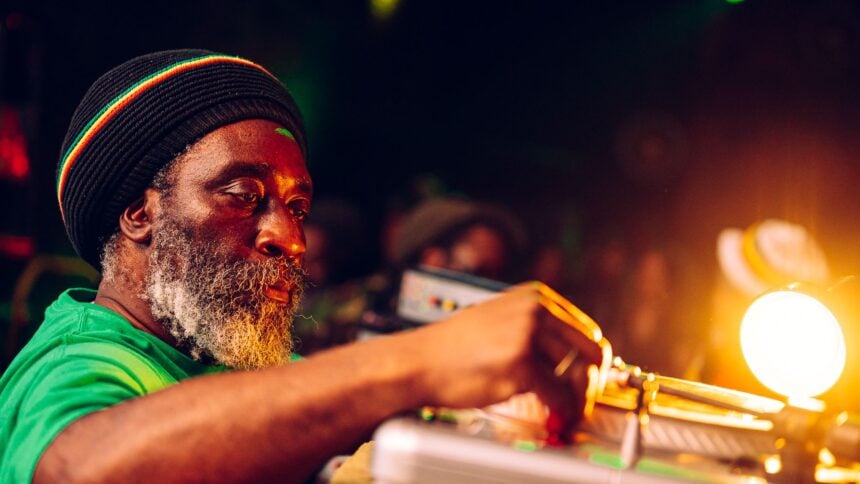

Mikey of Channel One Soundsystem has been playing Notting Hill Carnival every single year since 1982, and the way he talks about it, you get the sense he’d struggle to explain why he’d ever stop.
“You can see people who’ve actually grown up with Channel One,” he says. “You see the elders saying my son was like 3 or 4 when he first came; now he’s 20.”
This year marks 60 years since Rhaune Laslett and the London Free School launched what was essentially a street party in Notting Hill back in 1966.
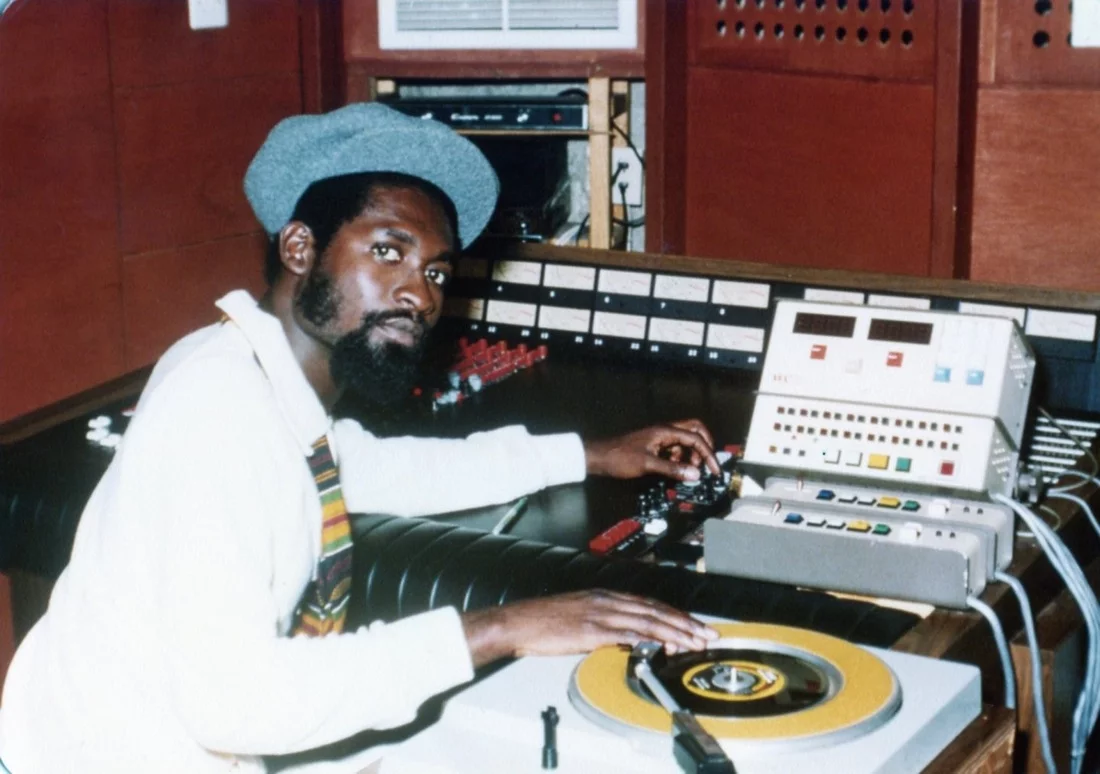
What started as a celebration rooted in Caribbean community life, a way for the local Black community to remember the streets they left behind back home, has grown into one of the biggest cultural events in the London calendar.
The shift really started in the 1970s, when London Sound Systems entered the picture and began pulling the event in a new direction.
That’s the era that shaped what Carnival looks and feels like today, and it’s the tradition that Channel One has been carrying forward for over four decades.
Sound system culture itself goes back even further, tracing its roots to Jamaica in the 1950s and 60s before making its way to England around the 1970s.
Mikey is clear that not everyone wanted it to travel beyond the Jamaican community, but he had other ideas. Some people wanted to keep sound system in the Jamaican community, and some wanted to take it out nationally, like me,” he says. “I used to take it to the polytechnics, and they were excited because they’d never seen anything like it.”
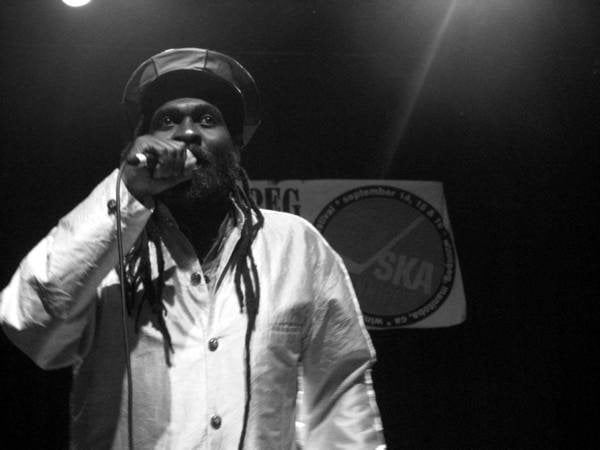
One thing that sets Channel One apart is the discipline of playing on a single turntable, no mixing, just one tune at a time with MCs filling the space in between.
Mikey describes it almost like storytelling, starting the evening with familiar classics and gradually moving into newer material. “If you really do your homework, it works,” he says, and given the crowd that keeps showing up to their corner of Carnival, it clearly does.
There’s a tune called Natty Dreadlocks by Colour Red that Mikey keeps returning to, a staple from Carnival in the 80s and 90s that still gets a reaction. He pushes back gently on the idea that sets should only look forward. “Sometimes people will say play new music, but you can’t keep playing new music all the time.”
It’s a small but telling detail about how Channel One thinks about its role, not just as a party starter, but as a keeper of something.
The Red Bull Culture Clash win in 2010 was a moment that caught a lot of people off guard, a roots reggae sound system walking into that kind of competitive arena and taking it.
Mikey says the reaction went well beyond Channel One itself. “It not only lifted up Channel One; it lifted up Sound System because they wouldn’t expect a sound system to go in that arena and win the damn thing.” He was getting messages from around the world, people framing the win as a victory for the whole culture.
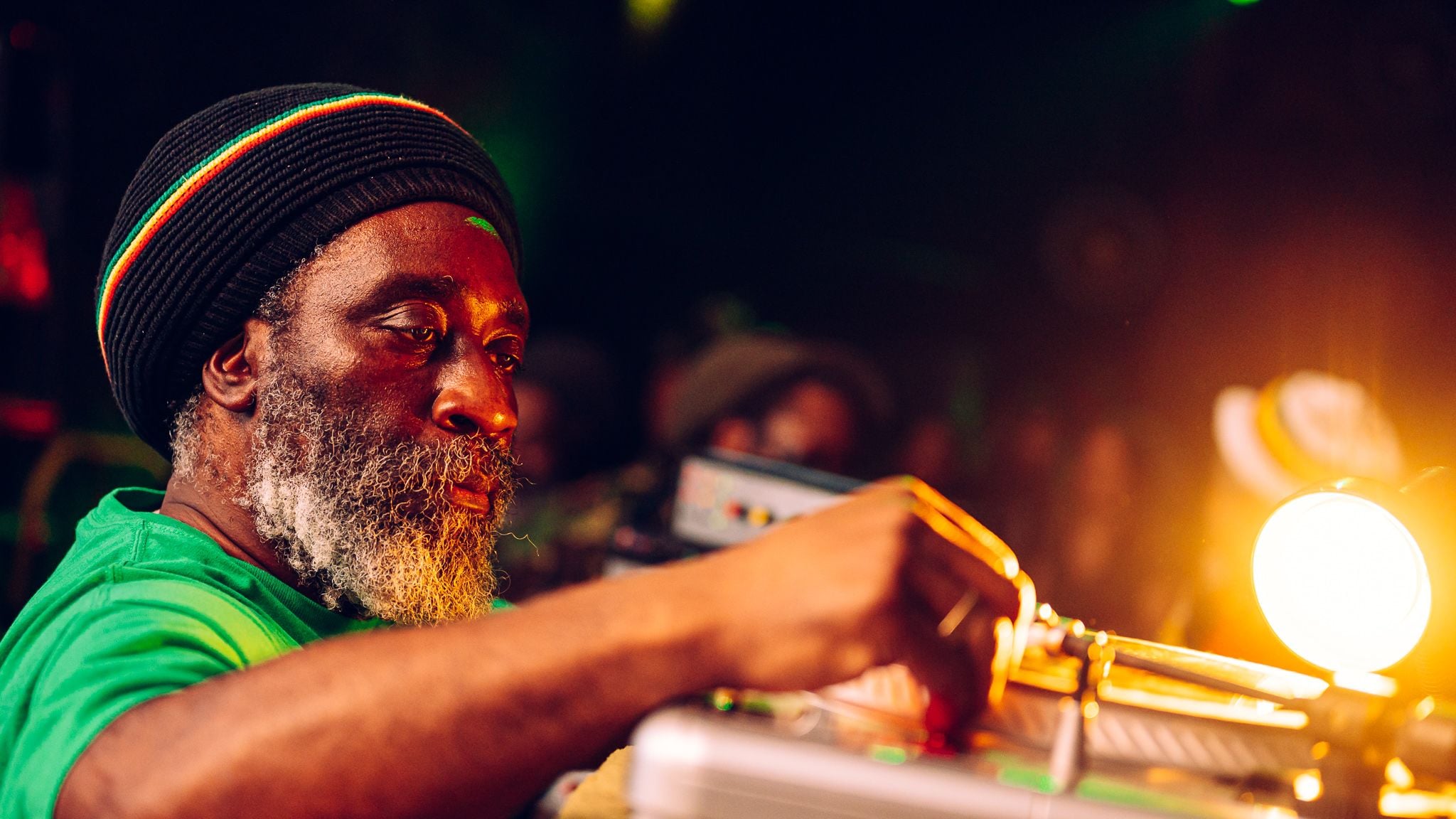
Channel One has since taken reggae to Nepal, Dubai, Colombia, and beyond, and when asked if the music lands differently depending on where you are, Mikey’s answer is pretty much instant. “I think it lands the same everywhere.”
That kind of quiet confidence says a lot about how he sees the music, not as something regional or niche, but as something that simply connects.
At 60 years old, Carnival is still growing, still shifting, still pulling in new people while holding onto the ones who’ve been there since the beginning.
Mikey frames it simply: “It’s a cross between all cultures, not just black or white, but everyone. Carnival is a meeting point for all these sound systems.”
People don’t just come to Carnival, they come to Channel One’s corner specifically, using it as a landmark, a home base, a place to find each other in the crowd.