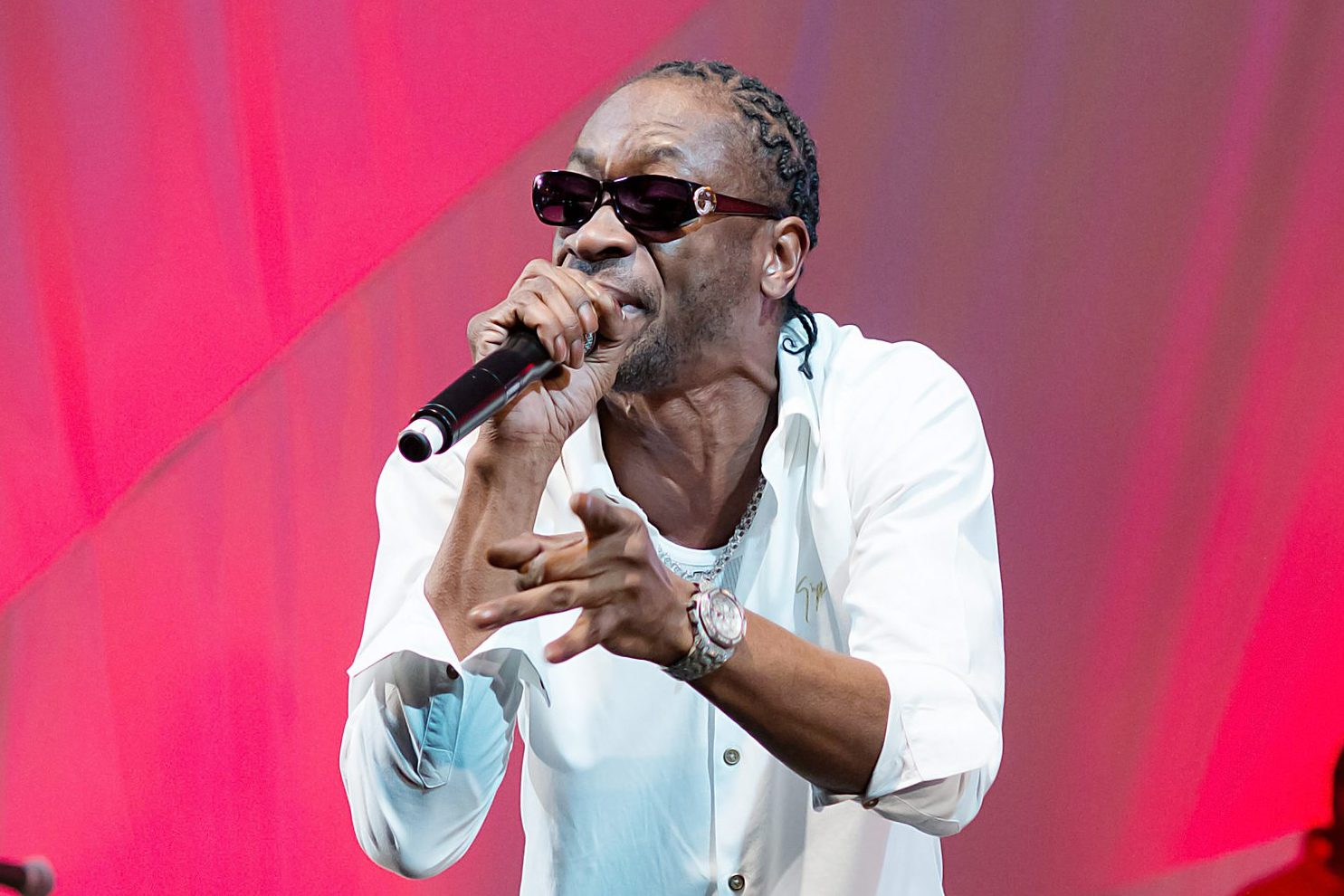
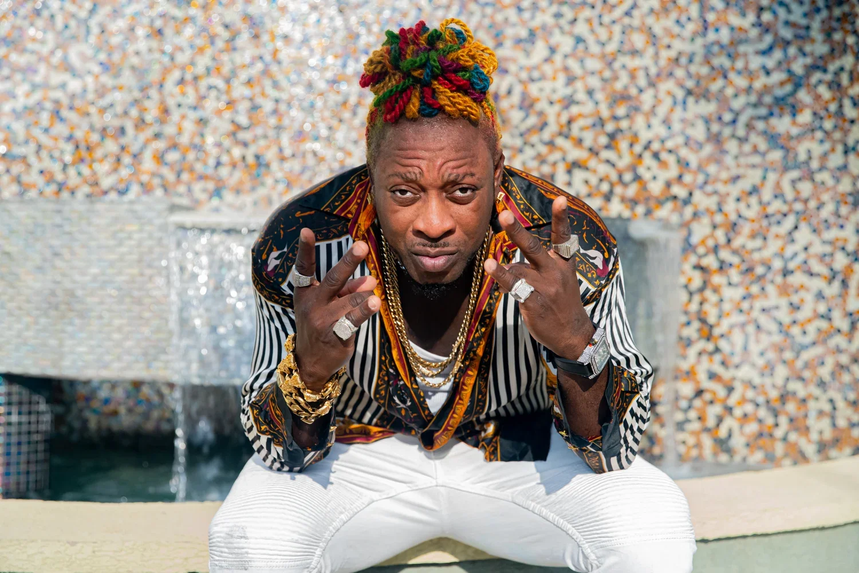

Elephant Man net worth is estimated at between $2 million and $3 million as of 2026, according to multiple entertainment and music finance trackers.
That range reflects a career spanning more than three decades, built on album royalties, international touring, brand partnerships, and a streaming catalog that continues to generate passive income.
For any definitive figure, it is worth noting that no audited financial disclosures exist for the artist, and all estimates are approximations drawn from publicly available industry data.
Who Is Elephant Man?
O’Neil Norman Bryan, born 11 September 1975, is better known by his stage name Elephant Man. He is a Jamaican dancehall musician who formerly was a member of the dancehall group Scare Dem Crew prior to his solo career.
Born in Kingston, Jamaica, his early years were shaped in Seaview Gardens, a community well-known for producing dancehall legends like Shabba Ranks and Bounty Killer.
He earned the nickname “Elephant Man” due to his large ears, but he turned this playful moniker into a brand that would later resonate globally.
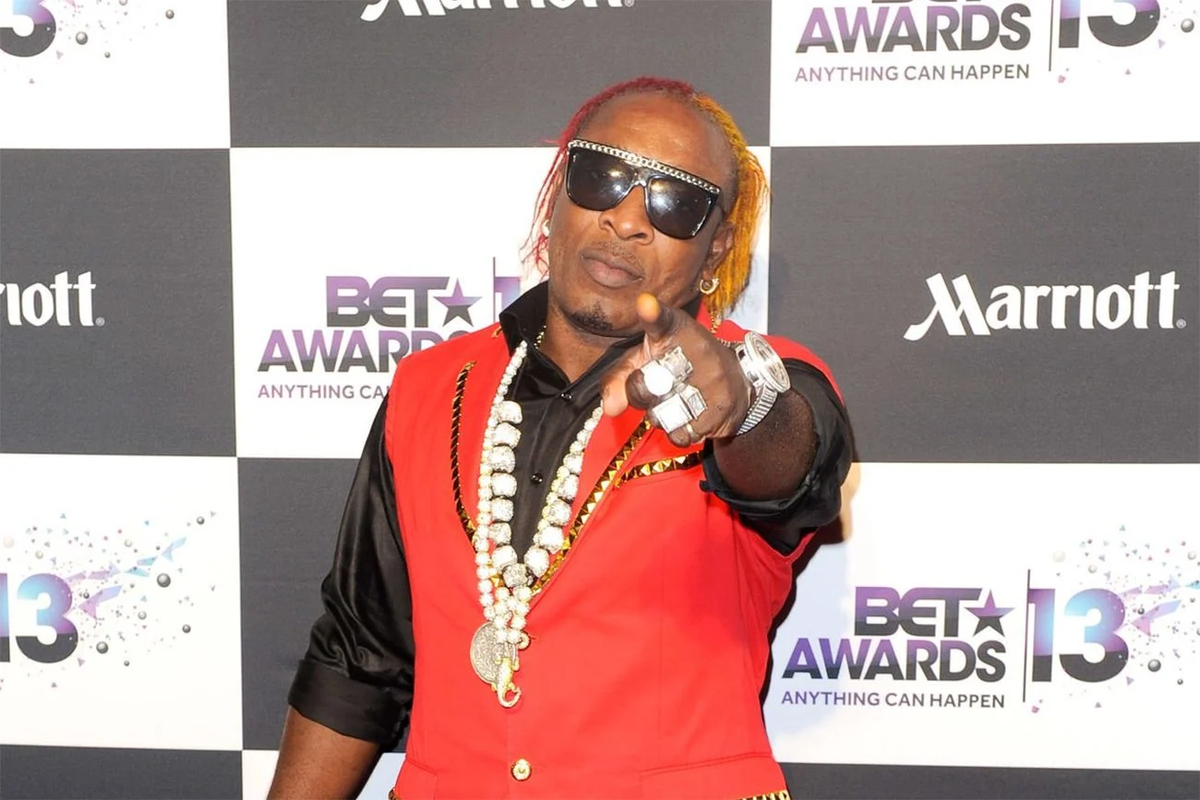
While singing at the gates of Ranks and Jammy’s studios, Bounty Killer heard him and suggested forming a group with other Seaview teens.
The group was originally called the Seaview Family, but after Bounty Killer had a massive hit with “Big Guns Scare Dem,” the name changed to Scare Dem Crew.
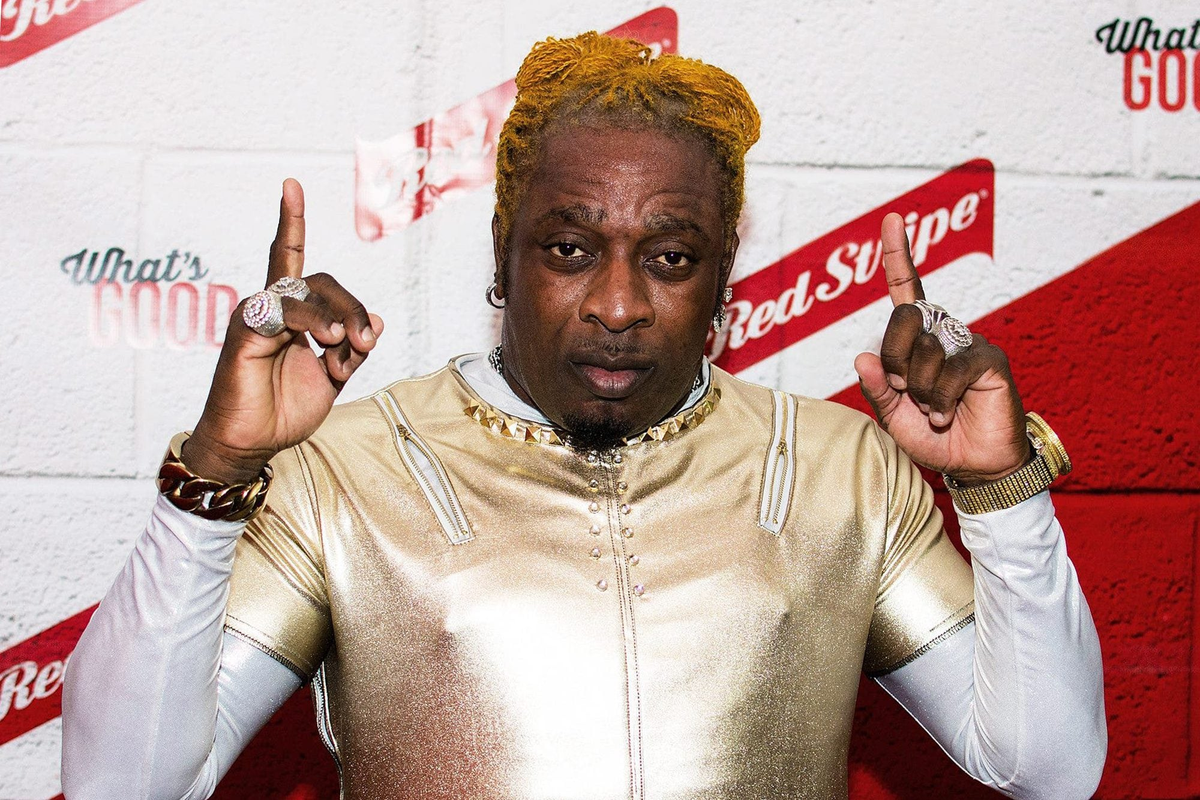
He was later characterised by several trademarks, such as his dyed yellow-orange hair, his unique low-key voice, and his stage performance, which included jumping and running, or even climbing on stage props and monitors. These traits earned him his second, enduring alias: the Energy God.
Career Timeline and Key Commercial Milestones
Scare Dem Crew only released one album but played multiple festivals around Jamaica, giving Elephant Man a chance to refine his on-stage persona.
Elephant Man’s memorable performance at Reggae Sumfest in 1998, where he performed atop a camera crane, marked a key moment in his career.
After leaving Scare Dem Crew due to disagreements, Elephant Man launched a successful solo career, blending dancehall with hip-hop influences in his debut album, Comin’ 4 You, released in 2000.
After one album the crew disbanded, and Bryan went on to forge a solo career with hip-hop infused into his heavy riddims.
This melding of influences was exemplified by his 2001 breakout hit, “Log On,” from the album of the same title.
The album Log On reached number 32 on the Top Independent Albums chart and number 2 on the Top Reggae Albums chart upon its 2001 release.
Elephant Man released three albums for independent label Greensleeves, beginning with 2000’s “Comin’ 4 You.” The three albums sold about 47,000 units in the U.S., according to Nielsen SoundScan.
Atlantic Records took note of his growing popularity and released his major-label debut, Good 2 Go, in late 2003 while his “Pon di River, Pon di Bank” single was taking urban radio by storm.
Good 2 Go reached number 1 on the Top Reggae Albums chart and number 14 on the Top R&B Albums chart.
A duet with one of Elephant Man’s favorite rappers, Busta Rhymes, appeared on a remix of Lil Jon’s “Get Low,” and Mariah Carey recruited the DJ for an appearance on her Charmbracelet album. These collaborations significantly elevated his international profile.
Bryan first received international attention when he and Puma agreed to use his single “All Out” in the 2004 Olympics advertising campaign. This corporate partnership represented a meaningful early brand deal for the artist.
Bryan signed with New York-based label Bad Boy Records and released Let’s Get Physical in 2007. The first single was called “Five-O” and featured Wyclef Jean.
Another track on the album featured Diddy and Busta Rhymes, and it was produced by Cipha Sounds and Solitair.
Let’s Get Physical reached number 1 on the Top Reggae Albums chart and number 38 on the Top R&B Albums chart.
One of the most widely shared cultural moments tied to Elephant Man’s brand came without a record label budget behind it. The “Gully Creeper,” a dance associated with Elephant Man, took off thanks to its crouched, creeping movement echoing the energy of Kingston’s streets.
The dance went international when Usain Bolt performed it after winning gold at the 2008 Beijing Olympics, solidifying its place in both sports and pop culture history.
He created the song for the Gully Creeper dance, which was danced to by Usain Bolt at the 2008 Summer Olympics. The moment generated immeasurable exposure for the artist’s catalog at zero marketing cost.
In 2011, he released Dance and Sweep! That album reached number 14 on the Top Reggae Albums chart. His 2018 project, The Animal Instinct, extended his studio discography to eight solo albums in total. He has been active since 1997, spanning more than two decades in the industry.
O’Neill was named the Dancehall Icon of Dance at Magnum Big 20, a recognition that underscores his lasting cultural relevance.
Elephant Man Net Worth: The Estimates
As noted at the outset, there are no published financial statements or verified earnings disclosures for Elephant Man.
The figures below are drawn from third-party entertainment trackers and should be treated accordingly.
- Elephant Man possesses an estimated net worth of $2 million. His financial foundation stems from decades of international concert touring fees, extensive song publishing royalties, and digital streaming revenue.
- The estimated net worth of Elephant Man is $3 million United States dollars, according to RichestLifeStyle.com.
Taking both figures together, a reasonable working range for Elephant Man’s net worth as of 2026 is $2 million to $3 million, with the variance reflecting differences in methodology across estimating platforms and the difficulty of valuing an independent artist’s publishing catalog.
Revenue Streams Breakdown
Elephant Man’s catalog, which spans several albums and numerous singles, continues to generate income through various platforms.
With the rise of streaming services, Elephant Man’s music has found a new revenue channel. Platforms like Spotify, Apple Music, and Tidal pay artists for streams, contributing to Elephant Man’s annual income.
Popnable, which tracks publicly available streaming and digital data, estimates his music-related revenue in recent years as follows: approximately $293,400 in 2025, within a forecast range of $290,600 to $376,600.
In 2024, the estimated figure was $162,400, within a range of $160,900 to $208,500. The platform estimated $498,000 in 2022, within a range of $490,400 to $635,200.
Popnable notes that these are approximations derived from songs in its repository and may not correspond to real figures.
A significant portion of his earnings comes from relentless touring. He rose to international prominence in the early 2000s with hits like “Willie Bounce” and “Five-O,” which opened doors for lucrative performances worldwide. These royalties, coupled with performance fees from major festivals, form the bulk of his active income.
In addition to public performances, private gigs and special appearances also form a part of Elephant Man’s income. These exclusive events often command higher fees, boosting his overall net worth.
Bryan had his first international recognition when he and Puma settled a contract for using his single “All Out” for its Olympics commercial campaign in 2004.
Additional income streams from music licensing, brand endorsements, and business investments in Jamaica continue to bolster his earnings. No other specific brand deals or sponsorship values have been publicly confirmed.
Many of Elephant Man’s tunes can be found on VP Records’ Riddim Driven and Greensleeves Records’ Rhythm Album series. He sang on popular riddims like “Diwali,” “Coolie,” “Stepz,” and “Bubble Up.”
Placement across dozens of riddim compilation albums means his publishing and master royalty tail is broad, generating recurring income from a large body of work that predates the streaming era.
Record Label History and Deal Structure
Elephant Man’s label history spans Bad Boy, Atlantic, VP, and Greensleeves. He has three albums on VP and four on the sister label Greensleeves.
His signing to Atlantic for Good 2 Go and subsequently to Bad Boy for Let’s Get Physical placed him within major label ecosystems during the peak commercial years of his career. The specific financial terms of those deals have not been made public.
Controversies and Their Commercial Impact
Elephant Man’s career has not been without significant controversy. Bryan has been criticised for his lyrics calling for violence against gay people.
In 2003, British LGBT group OutRage! called for the arrest and prosecution of several dancehall stars including Elephant Man, Bounty Killer and Beenie Man for violation of hate crimes statutes.
In 2004, he was dropped from the MOBO awards. Since then, pressure from his record company and agreement with gay rights groups to avoid songs with lyrics deemed to incite homophobic violence have allowed him to perform in the UK.
In 2009, his scheduled appearance at Toronto’s Caribana festival was cancelled for similar reasons. A concert in Munich was cancelled in February 2015 after LGBT rights groups had asked the police to make sure he would not perform such songs.
These episodes represent direct losses of touring income and have at various points affected his ability to access key markets in Europe and North America.
Personal Life and Assets
Elephant Man is a father to at least 38 children. Residing in Kingston, Jamaica, he remains actively involved in community development initiatives in Seaview Gardens and supports local youth arts programs.
No specific real estate holdings, vehicle assets, or investment portfolios have been publicly confirmed or reported by verified sources.
Key Figures at a Glance
| Category | Detail |
| Real Name | O’Neil Norman Bryan |
| Born | September 11, 1975, Kingston, Jamaica |
| Active Since | 1995 |
| Studio Albums | 8 solo, plus 1 collaborative |
| Peak Chart Position | No. 1, Billboard Top Reggae Albums (twice) |
| Labels | Greensleeves, Atlantic, Bad Boy, VP Records |
| Net Worth Estimate (2026) | $2 million to $3 million |
| Estimated Music Revenue (2025) | $290,600 to $376,600 (Popnable) |
Bottom Line
Elephant Man net worth in 2026 is most reliably estimated in the range of $2 million to $3 million, built over a 30-year career defined by high-energy live performances, a chart-topping discography across multiple major labels, and a catalog that retains genuine streaming and licensing value.
The Gully Creeper’s global moment at the 2008 Olympics stands as one of the most commercially significant organic marketing events in dancehall history, and his riddim contributions remain embedded in the genre’s foundational library.
For an independent dancehall artist operating largely outside mainstream pop markets, that is a durable financial foundation by any reasonable industry measure.