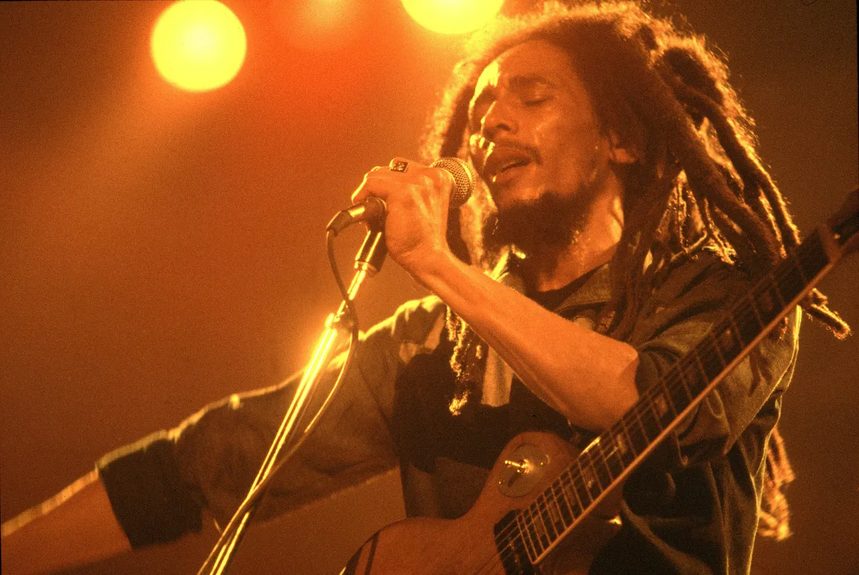

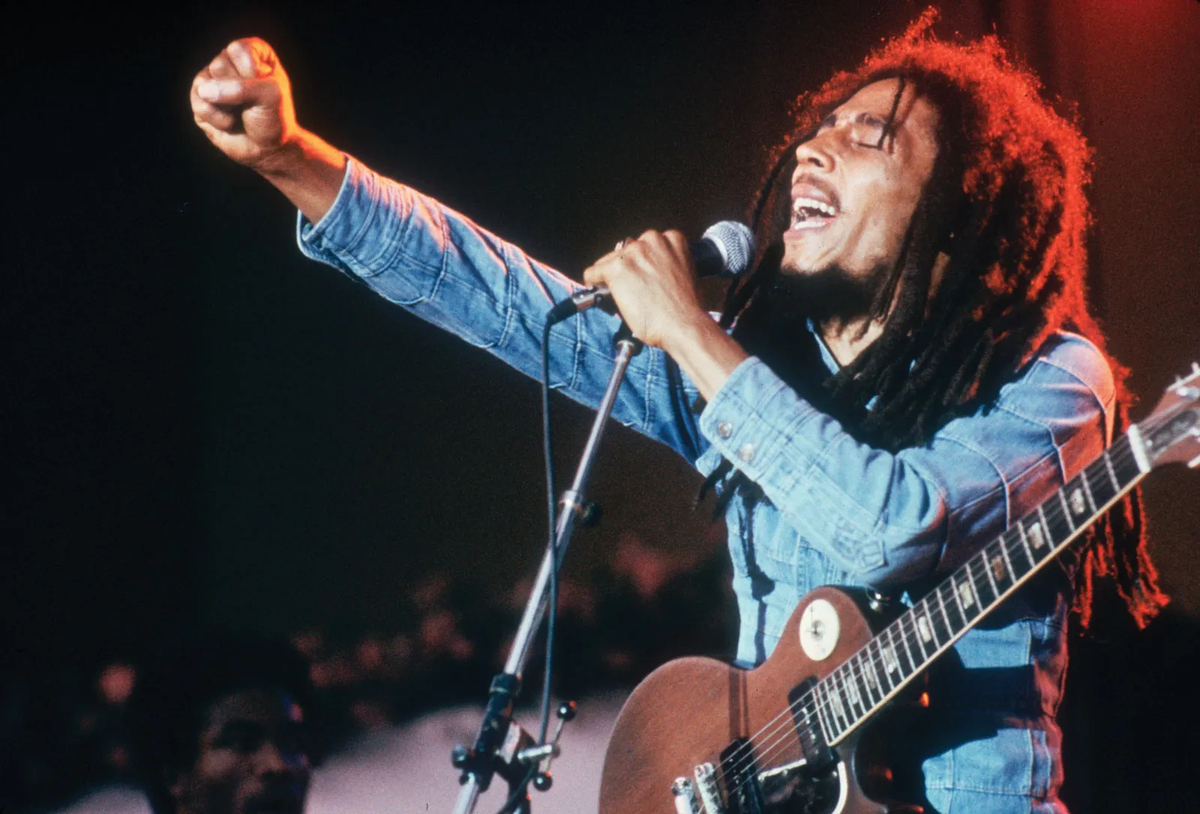
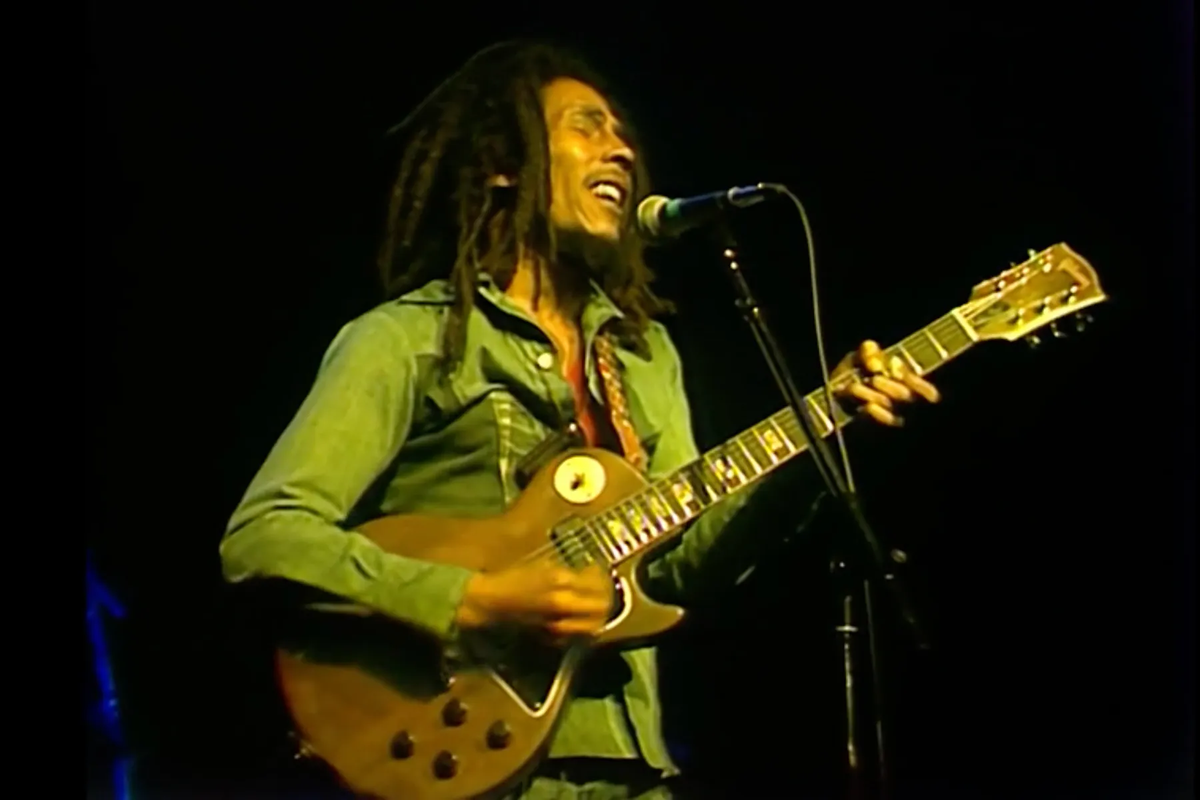
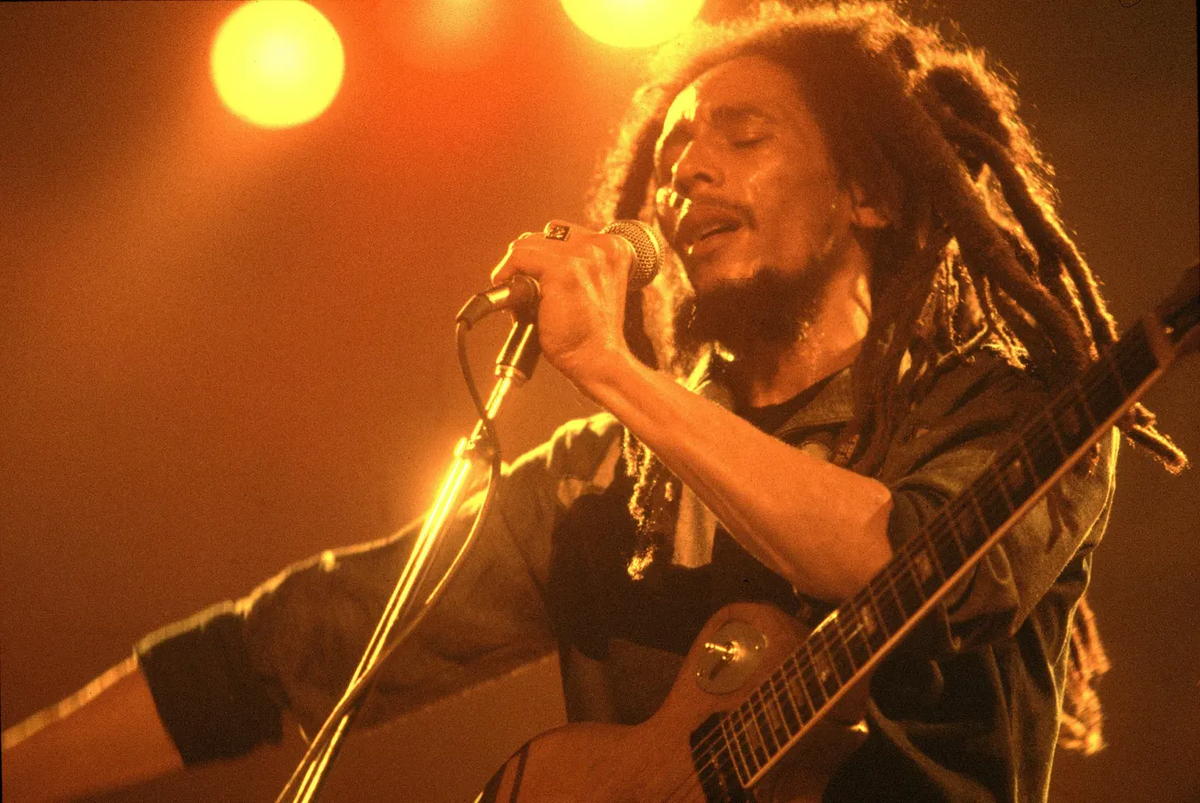
A live recording that sat in the vault for almost half a century is now moving units like a fresh release. “Roots, Rock, Reggae: Live at the Hammersmith Odeon” dropped on August 14 and immediately became a bestseller, capturing four nights Bob Marley and the Wailers played London’s Hammersmith Odeon back in June 1976.
The 18-track collection was built from the original multitrack recordings and put out across vinyl, CD, and digital formats.
For fans who have spent decades with Marley’s studio work, this is genuinely new listening territory, not a remaster or a remix, but performances that were never publicly heard before.
What makes this story stranger and more interesting is the context around it. Marley’s 1984 compilation “Legend” just hit 950 weeks on the Billboard 200, putting it in rare company alongside Pink Floyd’s “The Dark Side of the Moon.” That is not a catalogue coasting on goodwill, that is a catalogue actively competing.
Earlier this year, “Legend” returned to No. 1 on Billboard’s Reggae Albums chart, and “Exodus” and “Kaya” were sitting on the same chart at the same time.
Three Marley and the Wailers titles in a 10-album ranking is a number that most living artists would struggle to match.
In 2025, “Legend” was also the best-selling reggae album in the United States for the sixth year running.
The release of the Hammersmith recordings lands at an interesting moment for how the music industry thinks about archives.
Labels and estates have become increasingly willing to treat vault material as front-line product, and when the artist is Marley, the commercial logic is obvious.
But the response to this record suggests it is not just a business calculation playing out, people are actually buying it.
There is a generational angle here worth sitting with. Marley died in 1981 at 36, meaning anyone under their mid-fifties has only ever known him through recordings.
The Hammersmith album gives younger listeners something that feels closer to a live experience, a room, a night, a specific moment in 1976 London, rather than a polished studio version they have heard a thousand times.
The broader picture for reggae is hard to ignore. Marley’s catalogue has functioned for decades as the genre’s most visible calling card internationally, introducing listeners in countries far from Jamaica to music rooted in Rastafari, resistance, and everyday Jamaican life.
The fact that a previously unheard live set from 1976 can chart in 2025 says something real about how deep that connection runs.
What the Hammersmith release does not answer is how much more is still sitting in the archive. The estate has been deliberate about what it puts out and when, and this record’s commercial performance will almost certainly shape what comes next.