

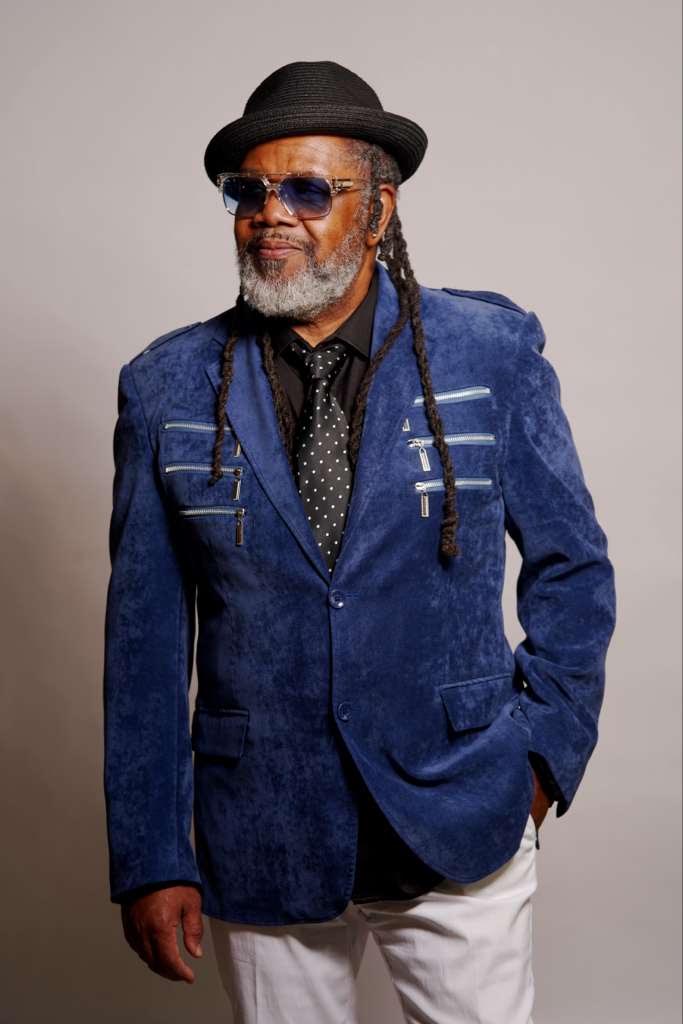
Producer Anastas “Pupa Nas-T” Hackett is pushing back against reports that Drake or his OVO team brokered a settlement between him and soca star Denise Belfon over historical royalties connected to the recording “Work.”
In a detailed statement issued on August 18, Hackett confirmed that he participated in negotiations surrounding Drake’s use of “Work” and ultimately approved the use of rights under his control. However, he insisted that the sample-clearance deal was separate from any dispute over Belfon’s past royalties.
“The Drake matter was a separate sample-clearance and licensing transaction concerning the use of ‘Work,’” Hackett said. “I participated in negotiations concerning the rights under my control and ultimately authorized that use.”
“What I did not participate in was a Drake- or OVO-brokered settlement between Denise Belfon and myself concerning historical royalties,” he continued. “A new sample clearance and the settlement of historical royalty claims are two fundamentally different matters.”
According to Hackett, discussions had previously taken place between Belfon and representatives for the respective parties about royalties and how certain arrangements would operate going forward. He said historical royalty issues were raised during one meeting, but he rejected any attempt to characterize the talks as a retroactive settlement.
“I made it clear that we could come to terms prospectively and move forward, but I was not participating in a settlement of historical claims or accepting retroactive liability,” he said. “No such settlement resulted from that meeting.”
Hackett also sought to clarify reports about when Belfon began receiving royalties. He said the Trinidadian singer had already been earning performer-related royalty income before Drake or his representatives became involved.
What changed following the discussions, he explained, was the addition of a prospective master-rights royalty arrangement that allowed Belfon to participate in another revenue stream going forward.
Regarding the precise amounts, accounting periods and royalty categories involved, Hackett said he would allow the financial records to speak for themselves.
The producer boiled his position down to one central distinction: a sample-clearance agreement, a forward-looking royalty arrangement and a settlement of historical claims are three separate transactions.

“A prospective royalty arrangement is not a settlement of historical claims,” he said. “A Drake sample-clearance transaction is not a settlement of historical claims. And neither should be publicly characterized as evidence that Drake or his representatives brokered a historical royalty settlement between Denise Belfon and me.”
Hackett said he has not contacted Belfon about the recent reports. Instead, he has documented his recollection of the events, preserved the relevant records and supplied information to legal counsel and media professionals.
He also declined to speculate about the identity or motives of the unnamed source reportedly behind the disputed claims.
“My concern is much simpler: Are the statements attributed to that source supported by the documentary record?” he said. “The underlying communications, agreements and accounting records should answer that question.”
The matter is now being reviewed by Hackett’s attorneys, with a possible request for a correction or retraction—and the prospect of further legal action—still under consideration.
“My immediate objective is to ensure that the public record accurately reflects what actually occurred,” he said.
Belfon had not responded to Hackett’s latest statement in the information provided. His account represents his recollection of the negotiations and has not been independently verified against the agreements, communications or accounting records he referenced.