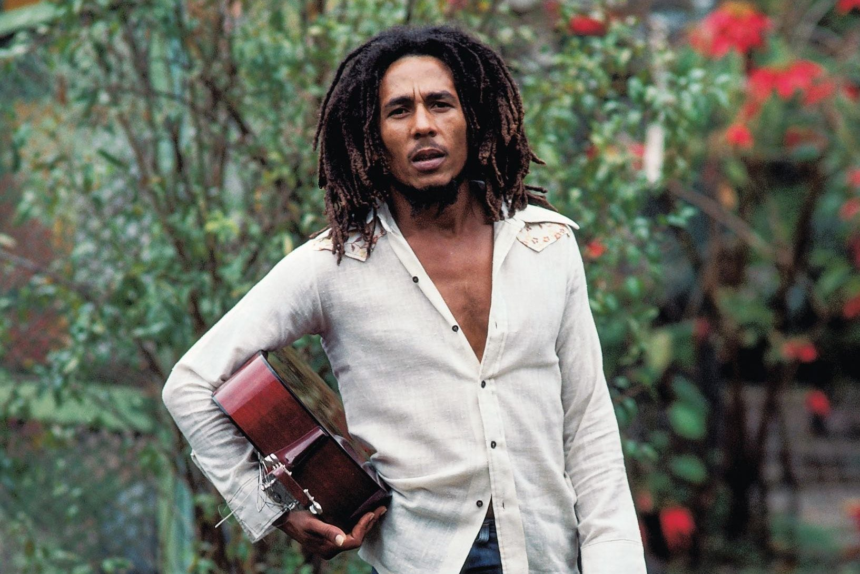

Few songs in the canon of popular music carry as much emotional weight as “No Woman No Cry.” The no woman no cry meaning is widely misunderstood, yet once unpacked, it reveals one of the most tender, community-rooted, and musically generous acts in reggae history.
In short, the title is not a statement about the absence of women. The line is “No, Woman, Nuh Cry,” where “nuh” is Jamaican patois for “don’t,” making the true meaning simply: “No, woman, don’t cry.”
Everything that follows in the song, its ghetto memories, its warmth, its quiet defiance of sorrow, flows from that single act of comfort.
What Does “No Woman No Cry” Actually Mean?
The lyric has been misunderstood by those outside of Jamaica to mean something like “if there is no woman, there is no reason to cry,” or as having secret feelings towards women. Neither interpretation is correct.
The meaning of the song is summed up in the title, which is also the song’s chorus. It is a song of sympathy. Times are tough. The world can be crushing. Modernity takes no prisoners. But we have each other, and the simple things.
Wailers bassist Aston “Family Man” Barrett addressed this directly. Barrett told NME in 2012: “The song is about the strength in the mama of course, strength in the ladies.” He added that women have to be strong, “not depending on the man.”
The Origins: Trenchtown and the Government Yard
To understand the no woman no cry meaning fully, you have to understand where Bob Marley came from. In the song, Marley mentions the Government Yards of Trench Town, a public housing project in Kingston where he grew up.
He recalls sitting in the government yard in Trenchtown, Jamaica, the ghetto where he grew up, watching out for dishonest people and spending time with genuine ones.
The verses paint a vivid, autobiographical picture of communal poverty. The lyrics include references to cornmeal porridge, a popular breakfast in Jamaica.
A friend named Georgie tends a fire through the night; the narrator shares what little he has. Feet are the only carriage. These are not romantic images of island life. They are honest dispatches from a hard upbringing.
The song is about Marley’s upbringing and his stories in his hometown, with lyrics that are both political and personal, mentioning the “government and the hypocrites which he really hated,” as well as talking to a woman who is crying and telling her not to cry and to forget the past.
Marley recalls sitting in the government yard, watching out for dishonest people and spending time with genuine ones.
Many of the dearest friends he had have since been lost, but rather than dwell in sadness, Marley suggests we remember them fondly, because the future is bright.
The bridge amplifies that forward-looking spirit. The repetition of “everything’s going to be alright” later served as the basis for Marley’s 1977 hit song “Three Little Birds,” which is built around that same message of reassurance. The connection between the two songs is not coincidental; it reflects the spiritual consistency at the core of Marley’s work.
Recording and Release: Natty Dread (1974)
The song was recorded in 1974 and released on the Wailers’ seventh studio album, Natty Dread. It was first released on October 25, 1974.
The studio version of the song used a drum machine, which gave it a somewhat clinical texture compared to what would come later.
The studio recording was produced by Bob Marley and the Wailers alongside Chris Blackwell and Steve Smith, and released on Island Records.
The Live Version That Changed Everything
The studio cut, while significant, was not the recording that lodged the song in global consciousness. That honor belongs to the live version recorded in London during Marley’s landmark Natty Dread Tour.
It was recorded at the Lyceum Theatre in London on 17 July 1975 as part of his Natty Dread Tour.
The band’s concerts at the Lyceum Theatre on 17 and 18 July 1975 were recorded by Island Records employee Danny Holloway, using the Rolling Stones Mobile Studio.
The timing of those performances was pivotal. The Natty Dread Tour was a breakthrough for Marley and the Wailers. Their previous tour went poorly, as audiences outside of Jamaica did not appreciate pure reggae.
He polished and tightened his sound to compete with the slick arena acts popular at the time, and got a great response. Glowing reviews led to sold-out shows in the US, and by the time the tour hit London, they were a huge success.
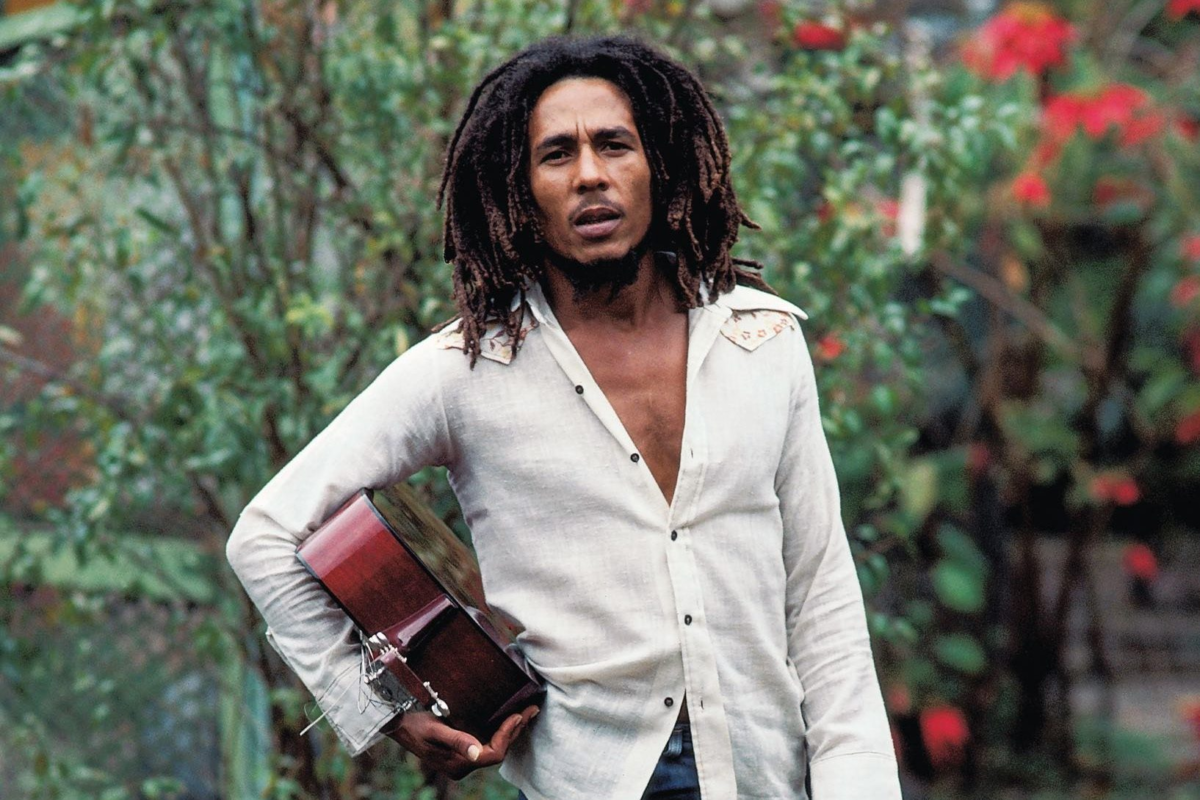
A live recording of the track from the album Live!, taken from the Lyceum Theatre concert during Marley’s Natty Dread Tour, was released as a single. It spent nine weeks on the UK Singles Chart, peaking at No. 22, and became the best-known version of the song.
It was included in several compilation albums, including the Diamond-selling Legend in 1984. The live recording runs over seven minutes and builds with a crowd-driven energy that the studio version, with its drum machine, could never replicate.
The song’s live legacy has continued into the streaming era. A 1979 live performance of the song at the Amandla Festival at Harvard Stadium in Boston has amassed over 165 million views on YouTube.
The live version was honored by its induction into the Grammy Hall of Fame in 2005 and ranked No. 37 on Rolling Stone’s 500 Greatest Songs of All Time.
The Vincent Ford Credit: Generosity, Royalties, and Legal Dispute
Perhaps the most remarkable dimension of “No Woman No Cry” is the story behind who officially wrote it. Although Bob Marley is assumed to have written the song on his own, as its lyrics are highly personal, it was actually credited to Vincent Ford, a friend of Marley’s who ran a soup kitchen in Trenchtown, the ghetto area of Kingston, Jamaica, where Marley grew up.
Vincent Ford (10 November 1940 to 28 December 2008), known as “Tata” or “Tartar,” was a Jamaican songwriter who received a writing credit for “No Woman, No Cry,” as well as three other Bob Marley songs.
Ford suffered from diabetes for most of his life, and was wheelchair-bound after both of his legs had been amputated from complications.
Marley’s reasons for assigning the credit were layered. In 1972, Bob Marley and the Wailers were signed by Chris Blackwell to Island Records, but Marley was concerned about a previous songwriting contract he had signed with the producer Danny Sims at Cayman Music.
He did not want his new songs to be associated with Cayman and so, in all probability, put them in the names of his wife, Rita, the Wailers, or other close friends to find a way around tight publishing restrictions.
The act was also an explicit act of charitable intent. Marley’s decision to attribute writing credits to Ford would serve the community as a whole, because it meant all the royalty checks would benefit the soup kitchen and ensure that it ran smoothly even long after both Marley and Ford were gone.
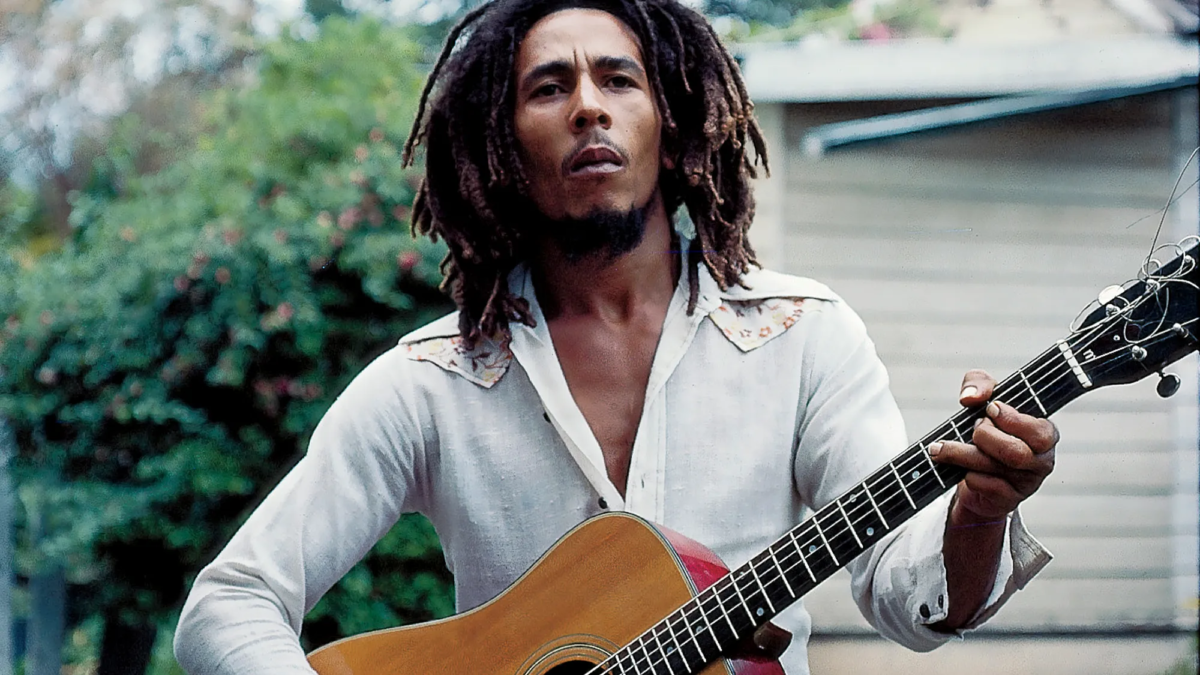
Bob Marley is reported to have told the Jamaica Broadcasting Corporation in 1975 that he had written the song himself, while tuning his guitar in Tata’s yard. When Ford himself was asked directly in the 1970s whether he had written the song, he replied not-too-cryptically: “Well, what do you think?”
The arrangement eventually led to litigation. After Marley’s death, his former manager Danny Sims sued the estate, claiming that Bob Marley had actually written the song but assigned credit to Tata to avoid meeting contractual obligations.
While Marley reportedly acknowledged in a 1975 Jamaica Broadcasting Corporation interview that he had written the song, a court decision in 1987 sided with the estate. Ford died at age 68 in 2008 in Kingston.
Verse-by-Verse Breakdown of the Lyrics
The chorus: The title “No Woman, No Cry” means “Woman, don’t cry.” It is a reassurance directed at a woman in pain, asking her to hold on because the hardship will pass.
The first verse: Marley transports the listener to the government yard in Trenchtown. He observes the “hypocrites” in the crowd, mingles with the good people, and mourns the good friends lost along the way. The line “in this bright future, you can’t forget your past” is both a warning against historical amnesia and a call to use memory as fuel for hope rather than grief.
The second verse: Here the song becomes most intimate. A friend named Georgie builds a fire from logs that burn through the night. The lyrics include a reference to cornmeal porridge, a popular Jamaican breakfast, cooked and shared despite scarcity. The narrator’s “feet is my only carriage” is one of reggae’s most quietly devastating images of poverty, followed immediately by the defiant determination to “push on through.”
The bridge: The repeated phrase “everything’s gonna be alright” transforms the song from personal elegy into collective uplift, the moment when audiences worldwide stop listening and start singing.
Cover Versions and Cultural Legacy
The song has been covered by over 50 known artists and many more worldwide. Contemporary reggae artist Jimmy Cliff included a cover on his 1975 album Follow My Mind.
The Fugees released a cover of “No Woman No Cry” on their 1996 album The Score, replacing the lyric “in a government yard in Trench Town” with “in a government yard in Brooklyn,” cementing the group’s connection to Jamaican culture.
The Fugees’ version was produced by Wyclef Jean and Lauryn Hill, with Jean on lead vocals. An official remix of the track, featuring Stephen Marley, was included on the group’s third release, Bootleg Version
In 2022, the song was covered by Nigerian singer Tems for the Marvel soundtrack for the film Black Panther: Wakanda Forever.
Each generation finds a new reason to reach for it, proof that the no woman no cry meaning transcends the specific geography of 1970s Kingston and speaks to anyone who has ever needed to be told that things will, somehow, be alright.
Why the Song Still Resonates
The song’s message of comfort and resilience is rooted in Bob Marley’s upbringing in Trenchtown. Its legacy endures through global recognition, covers, and continued cultural impact. The genius of “No Woman No Cry” is that its specificity is the source of its universality.
The Government Yard, the cornmeal porridge, Georgie’s fire, the lost friends; none of these are abstractions. They are the coordinates of one man’s hardest years.
And yet the emotions they unlock in listeners from Lagos to London to Los Angeles are identical: grief acknowledged, resilience summoned, hope restored.
Bob Marley died in 1981 of cancer at the age of 36. He left behind a body of work that has never gone quiet, and at its emotional center sits this song: a Trenchtown lullaby for the whole world.