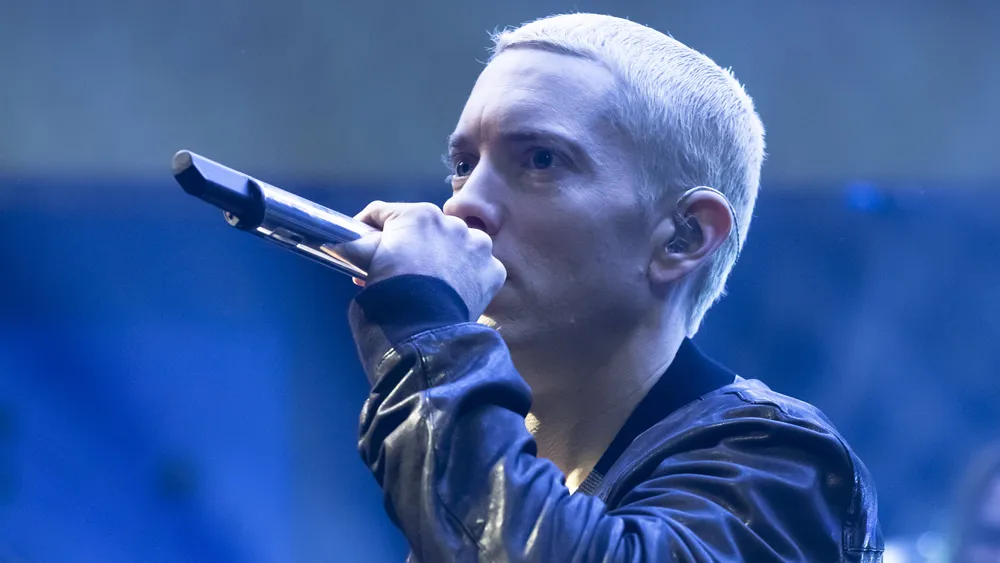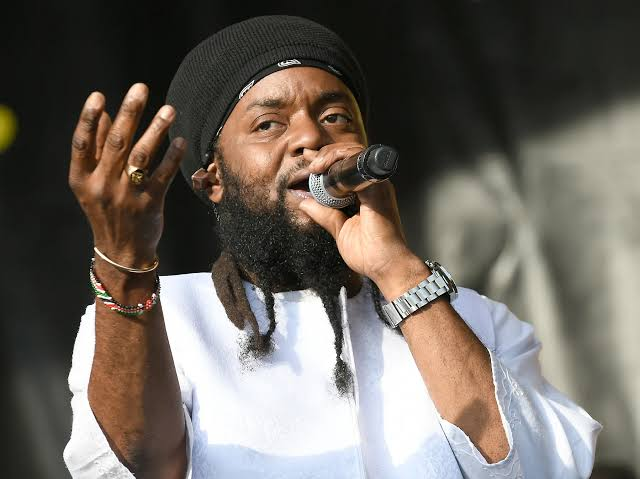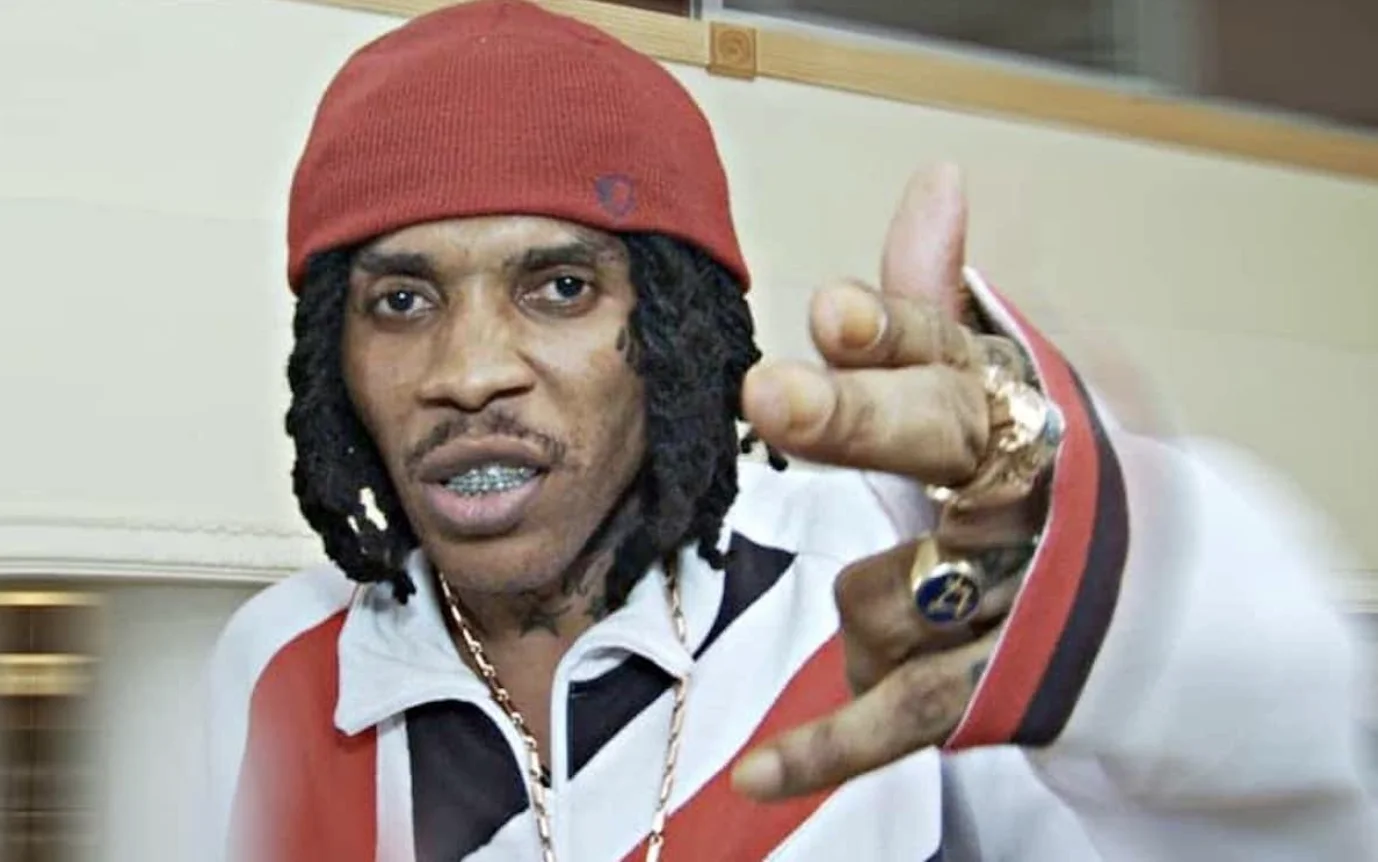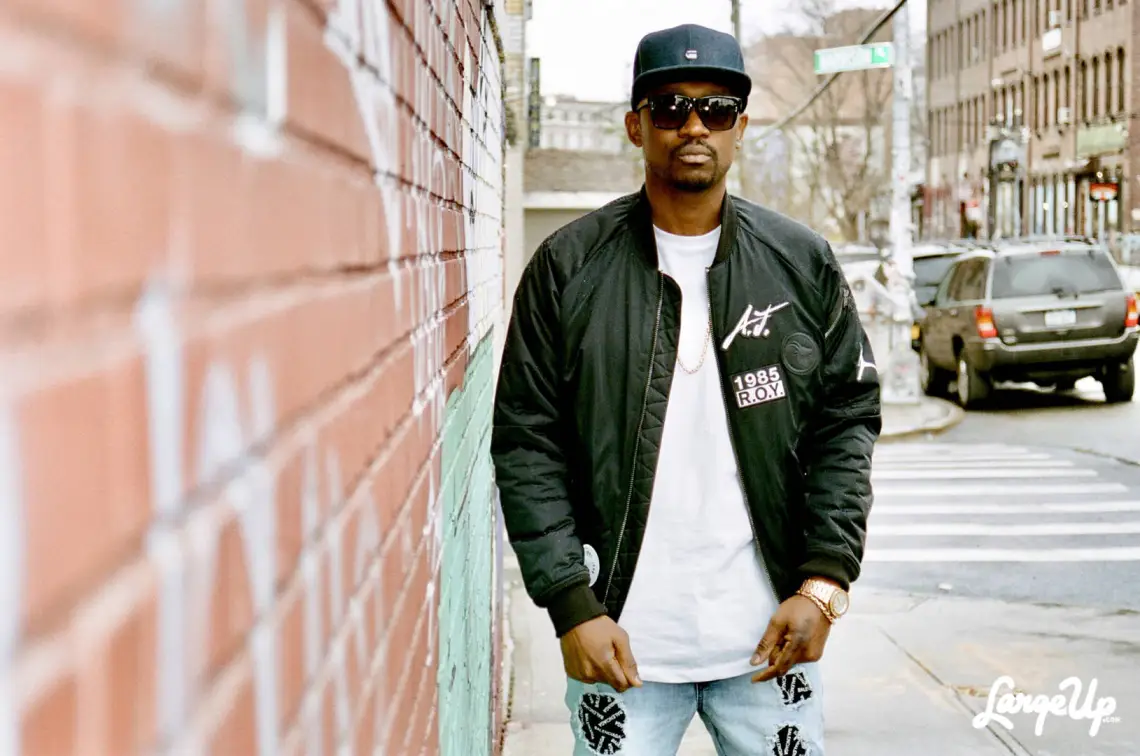

On a December night in 2009, the most commanding voice in Jamaican music went quiet.
The Buju Banton case began with an arrest in Miami and ended almost nine years later with a flight home to Kingston.
In between were two trials, a Grammy he could not collect, a long fight in the courts, and a country that never stopped waiting for him.
What followed his release is one of the great second acts in reggae. There was a stadium homecoming, a US visa, sold-out arenas in New York, and in 2026 a new album and a summer tour beside the Marley family member who stood with him in court. This is the full story, from the sting to the stage.
Before the Case: Who Buju Banton Is
Born Mark Anthony Myrie on 15 July 1973 in Kingston, the youngest of 15 children, Buju broke through in 1992 with Stamina Daddy and Mr. Mention.
His gravel voice and fearless delivery made him the defining deejay of early 90s dancehall. He went on to pass Bob Marley’s record for number-one hits in Jamaica.
His rise also carried controversy. He was widely condemned over “Boom Bye Bye” and later issued a public apology.
As the decade turned, his music leaned harder into Rastafari and roots reggae, and that turn shaped the artist who would walk into a Florida courtroom years later.
December 2009: The Arrest and the Sting
On December 10, 2009, Banton was arrested in Miami and charged with conspiracy to distribute and possession of more than five kilograms of cocaine.
The case grew out of a chance meeting on a flight from Spain, where a convicted drug trafficker working as an informant struck up a conversation and tried to set up a cocaine deal. That informant pursued him for more than a year.
The evidence was hard to watch. Prosecutors had audio of Banton and the informant discussing drugs, prices and smuggling.
They also had video, recorded on December 8, 2009 in a police-controlled warehouse in Sarasota, Florida, of Banton tasting cocaine from a kilo bag. To his supporters, the tapes showed a man being steered by a paid informant.
Reporter Chris Sweeney of the Miami New Times reviewed the evidence and concluded Banton was likely set up by a corrupt informant.
By 2018, nearly 5,000 people had signed online petitions questioning the case and calling for his freedom.
2010 to 2011: Two Trials and a Grammy
The first trial, in September 2010, ended in a hung jury. Stephen Marley testified on his behalf and put up his own home as bond.
Out on bail late that year, Banton played a fundraising concert to cover his legal costs. His last major show before prison came on January 16, 2011 at Miami’s Bayfront Park Amphitheater.
Then came a bittersweet twist. On February 13, 2011, Before the Dawn won the Grammy for Best Reggae Album. Banton was not in the room, because his retrial opened in Tampa the next day.
On February 22, the jury found him guilty of conspiracy to possess cocaine with intent to distribute and of illegal firearm possession.
On June 23, 2011, he was sentenced to 10 years, the mandatory minimum for the conviction.
2012 to 2018: The Fight From Inside
The legal battle continued while he served his time. In 2012 a juror told the Miami New Times she had researched Banton online during the case. A Tampa judge declared a mistrial on the gun charge and threw it out.
A 2014 bid for early release under revised sentencing guidelines ran into the problem of the mandatory minimum, but on August 20 that year he was granted a new appeal hearing.
The breakthrough came on May 14, 2015. Prosecutors agreed to drop the firearms charges, Banton waived his right to appeal, and two years came off his sentence. The end was now in sight.
December 2018: Release and Homecoming
On Friday, December 7, 2018, Banton walked out of McRae Correctional Institution in Georgia and was flown to Jamaica.
Fans gathered outside Norman Manley International Airport in Kingston, but he was secretly whisked away, which left the crowd disappointed and the moment even more mythic.
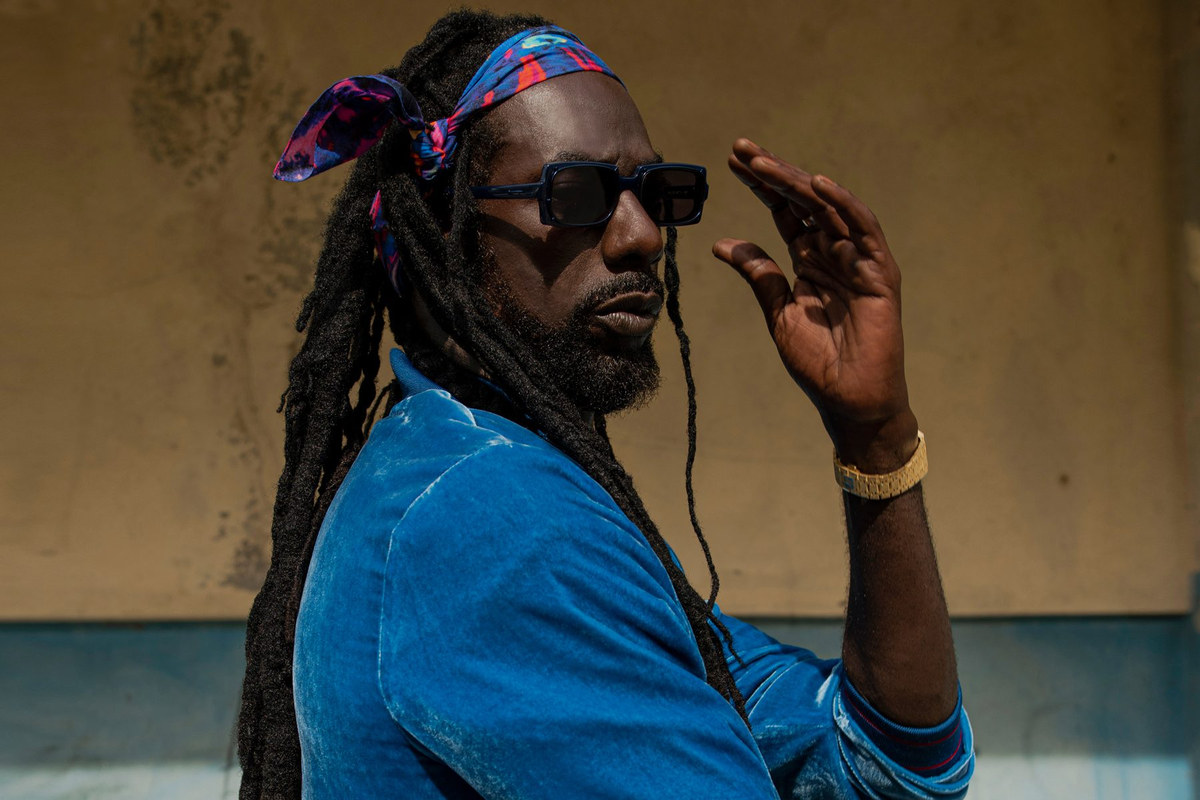
The reaction ran from the island’s halls of government to American hip hop royalty. Culture minister Olivia “Babsy” Grange put it plainly: “There’s no getting over the fact that he was convicted, but Buju was loved long before he was convicted…” Diddy posted a simpler message: “Buju is free.
2019 to 2024: The Comeback
Banton let the music speak first. On March 16, 2019, he played “Long Walk to Freedom” at the National Stadium in Kingston, a title borrowed from Nelson Mandela’s autobiography.
Backed by the 10-piece Shiloh Band, with a 90-minute set planned, he drew a crowd of more than 30,000 for his first show since release.
At the time he still had not spoken publicly about his conviction or his years inside, and that silence only made the night feel heavier.
The studio work followed. Upside Down 2020 arrived that year, and he also won the Jamaica Festival Song competition.
In September 2023 came Born For Greatness, a 17-track set. “The very thought of making music has always been a thrill,” he said of his process at the time.
The last missing piece was America. In May 2024 he announced he had been granted a US visa.
On July 13 and 14, he played two sold-out shows at UBS Arena in New York, his first US performances in 13 years, with the second date added because of demand.
In August he launched The Overcomer Tour, a 14-date run billed as his first US arena tour. Few titles have ever fit so well.
2026: Too Too Bad and the Road With Stephen Marley
This year has felt like a full-circle moment. In April he released “Butterflies,” a lead single produced by Supa Dups.
On April 24 he announced the Roots and Rhymes tour with Stephen Marley, 21 dates starting in June, with $2 from every ticket split between the Ghetto Youths Foundation and the Buju Banton Foundation.
The man who testified for him and put his house on the line in 2010 is now sharing his stage. “I’m looking forward to sharing this experience with fans, friends, and well-wishers,” Banton said.
On July 17, Too Too Bad arrived through Gargamel Music and VP Records, his return to VP after 23 years.
The 13-track digital edition features DJ Khaled on “Wild Woman” and Gramps Morgan on “Power.”
The next night he headlined UBS Arena again, joined by Stephen Marley, Gramps Morgan, Lila Iké and Skillibeng, two generations of Jamaican music on one bill in New York.
Why the Story Still Matters
The Buju Banton case still divides opinion. The tapes are real, the conviction stands, and so do the questions about the informant and the jury.
What nobody disputes is what came after. He came home without a speech and without an apology tour, and he rebuilt his career through stadiums and studios rather than interviews.
He also has the record to back it up. Billboard counts 12 of his projects in the top 10 of its Reggae Albums chart, along with that Grammy he could not collect in person.
Few artists in any genre have lost a decade and come back this strong. The long walk to freedom turned into a long walk back to the top, and in 2026 he is still on that road.