
Fifty years after Peter Tosh released Legalize It in June 1976, the words of Rastafari’s elders, prophets and singers still echo through reasoning sessions and late night sound system sets.
The best rasta quotes are not slogans for a T-shirt. They are compact lessons in livity, the Rastafari idea of righteous, everliving life, built on the belief that a life force from Jah flows through every person and every living thing.
Livity is lived, not worn. Locks can carry meaning, but they never replace character, and the voices below say so plainly.
They run from Bob Marley and Haile Selassie I to Mutabaruka and Jah9, and they speak on herb, prayer, peace, history and the daily discipline of walking right.
Here are 12 sayings that capture the way of life, ranked by how deeply they cut.
1. Bob Marley, “Rastafari is not a culture, it’s a reality”
Few lines sum up the faith so neatly. Far Out Magazine says Marley “famously” said it, and the sentence works as a thesis for this whole list. A culture can be collected, copied and sold, but a reality has to be faced every morning.
For Marley, Rastafari was never a look he picked up on the road to world fame. It was the ground he stood on, a truth he lived rather than a set of ideas to admire from a distance.
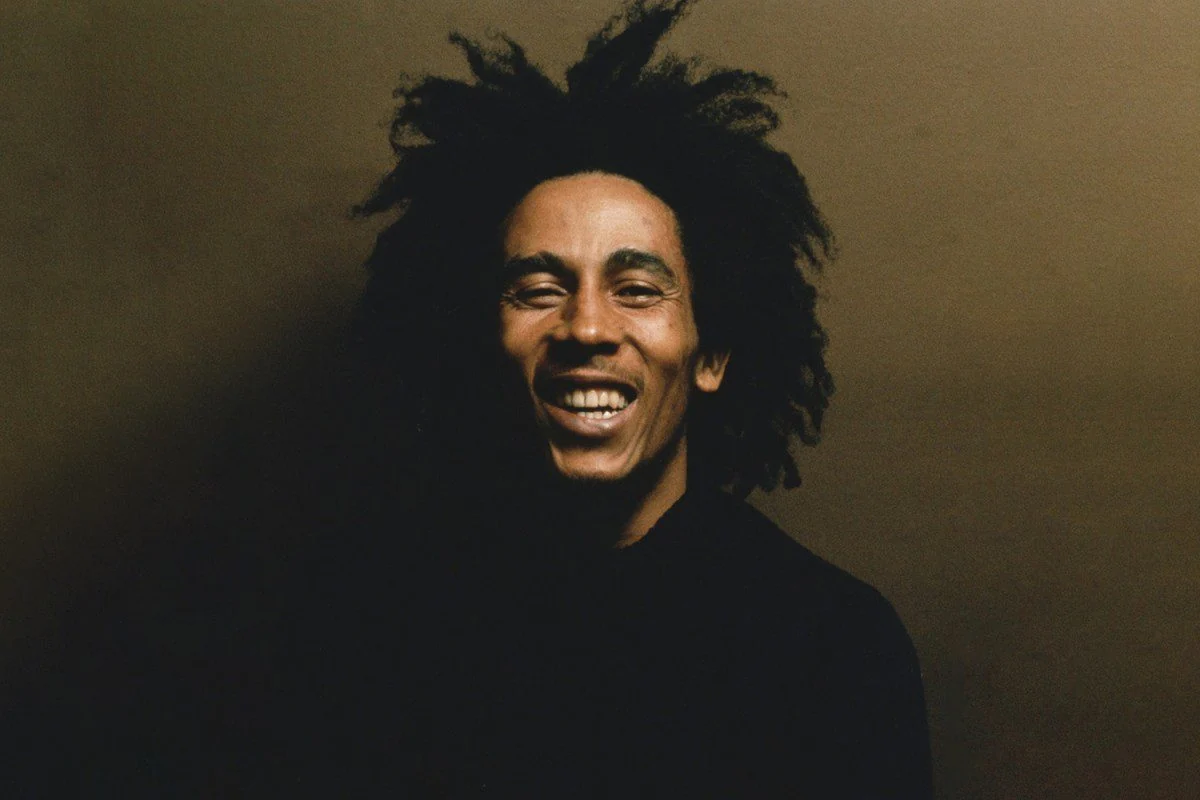
The line also carries a quiet warning to outsiders who borrow the colours and cadence of the movement without its discipline.
Decades later, elders still say some version of it to curious youth: this is no costume.
2. Jah9, “Liberation of the mind and body”
The Reggae Revival’s most searching voice frames Rastafari, as a cultural expression, as more about livity and the liberation of mind and body from colonization and materialism than about religion.
That is a bold position, and Jah9 has faced pushback from stricter orthodox voices for describing Rastafari as a mindset rather than a religion. Her vision is practical and humble.
In 2013 she spoke of people who adopted a livity of simplicity and humility, “the highest form of livity.”
By 2016, talking about eating raw, she pointed to the full commitment involved: “Your whole livity has to be conducive to it.” She treats livity as an ecosystem, and you cannot change one part of it while ignoring the rest.
3. Haile Selassie I, “Peace is not an ‘is’, it is a ‘becoming'” (1963)
When the Emperor addressed the United Nations in October 1963, he described peace as a day to day problem, the product of a multitude of events and judgments.
The sentence sounds like a diplomat’s, but Rastafari hear it as a description of livity. Righteousness is never finished and has to be renewed with every choice.
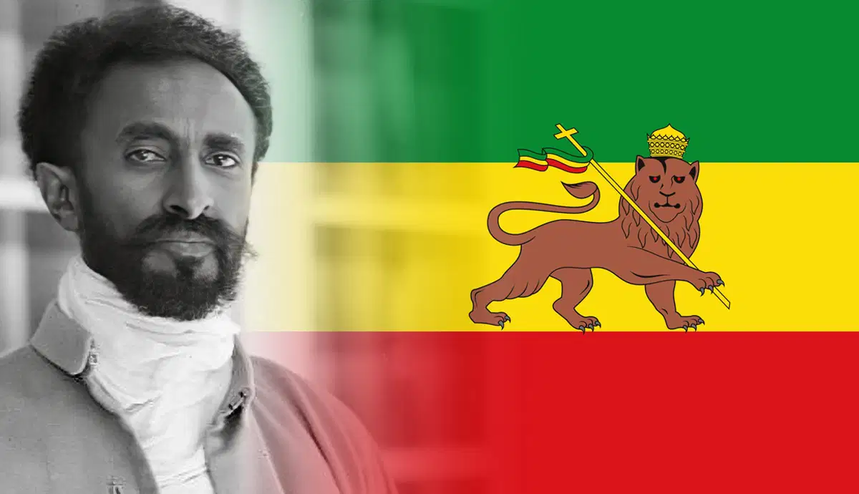
Elsewhere in the speech, he warned that the Charter’s noble phrases were only words, worth as much as our will to honour them. Principle has to become practice.
The address found a second life when Bob Marley built the lyrics of “War” almost entirely from it, which carried His Majesty’s words onto stages and turntables around the globe.
4. Mutabaruka, “If you can’t love when you are alive, who you gonna love when you dead?” (2012)
Trust the dub poet to put the whole matter in one question. Speaking to UnitedReggae in June 2012, Mutabaruka cut through any idea of holiness that waits for the afterlife. Livity happens now, in how you treat people while you are breathing.
Immersed in the movement since the late 1960s, he has long argued that Rastafari began as resistance to imperialism and colonialism.
He also cautions against confusing spirituality with religion, and he warns that binding Rastafari to rigid religious thinking breeds fundamentalism.
His question is funny, blunt and impossible to dodge, which is exactly why it travels from radio call-ins to university lecture halls.
5. Peter Tosh, “A mango tree cannot bear apple”
The Stepping Razor never wasted an image. In a High Times interview, Tosh explained that the destruction of the world did not distract him because he knew its evils and what they were for.
Then came the orchard metaphor: your nature shows in your fruit. A tree rooted in righteousness will not suddenly produce something else.
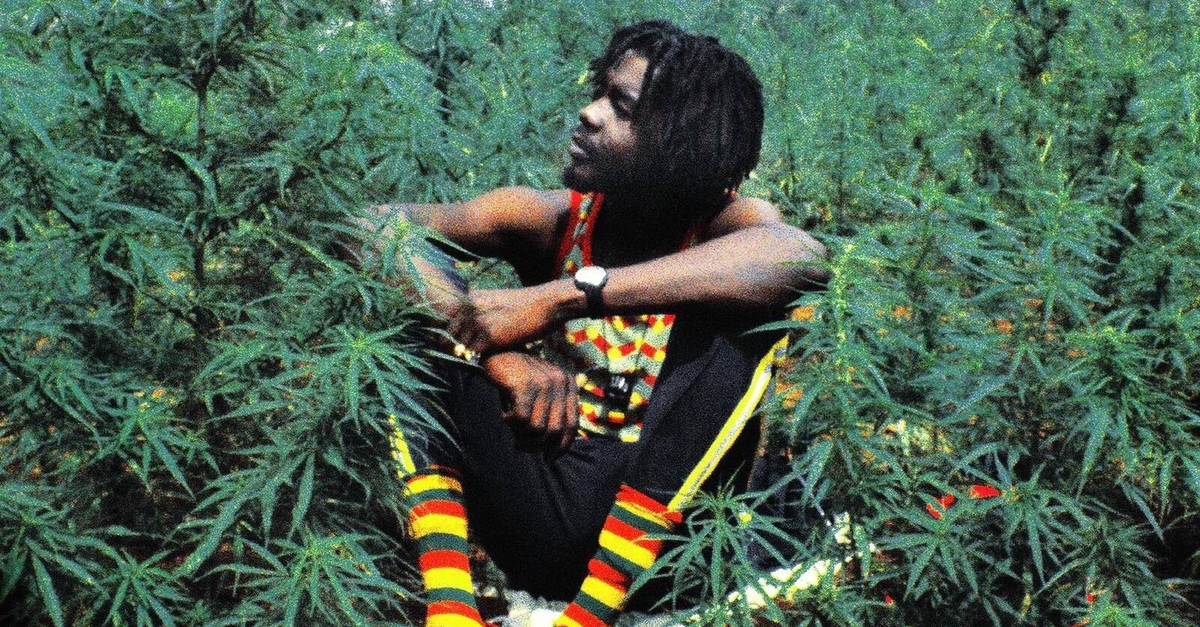
In the same conversation he drew a sharp line between dreadlocks and Rastas, calling them two different things. That distinction still matters.
Hair can be grown by anyone, while livity shows in character, conduct and consistency. Tosh, as always, said out loud what others only whispered.
6. Bob Marley, “The more you accept herb, the more you accept Rastafari” (1979)
Recorded for New Zealand television in 1979, in reporter Dylan Taite’s “Come A Long Way” segment for the show Good Day, this line frames ganja exactly as Marley understood it, as sacrament rather than recreation.
For Rastafari, the herb is used in ceremony for meditation and spiritual focus, a way of quieting Babylon’s noise so a person can reason clearly.
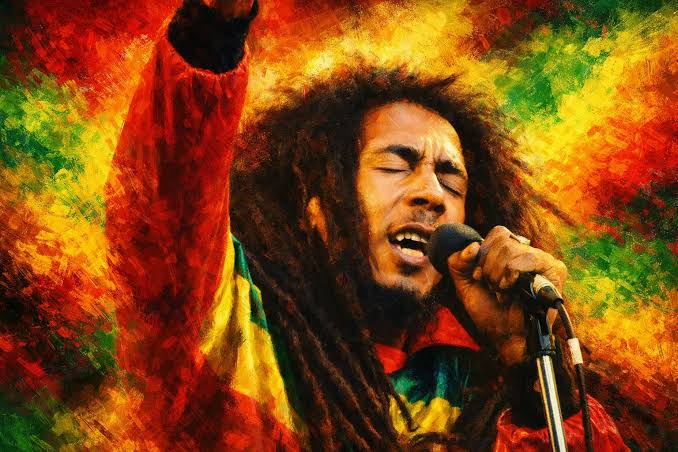
In another interview Marley called herb “the healin’ of the nation”, tying it to a wider plan of living in harmony with nature.
Today legal weed shops sell the leaf with Rasta colours on the packaging. Marley’s words are a reminder that the sacrament came first and the market came much later.
7. Marcus Garvey, “The way of life and peace” (1923)
Rastafari regard Garvey as a prophet, and this dated passage shows why. Writing in the UNIA paper The Negro World in 1923, Garvey imagined a new Ethiopia and a new Africa stretching her hands of influence across the world, teaching humanity “the way of life and peace.”
Seven years later, Ras Tafari was crowned emperor, and many people proclaimed Haile Selassie as Jah.
Garvey’s vision of Africa as a source of moral leadership rather than a place to be exploited sits at the root of Rasta thought.
His words also explain why repatriation, African history and self-knowledge remain central to livity today.
8. Burning Spear, “Marcus Garvey is our hero”
Winston Rodney has spent a career keeping Garvey’s name in the music, and in a GRAMMY.com interview he put it simply: “Marcus Garvey is our hero, he stood firm, he opened the gate for Jamaica.” He has also insisted that “Marcus Garvey’s record should be set free.”
His 1975 album Marcus Garvey, the first he recorded for producer Lawrence Lindo, turned that devotion into rolling, hypnotic roots music.
Spear has said his songs tell of culture, roots, history, livity, love and oneness, and that “the message is in the music.”
Two Reggae Grammys followed, for Calling Rastafari in 2000 and Jah Is Real in 2009. Few artists have carried a message so faithfully for so long.
9. Bob Marley, “I’m a revolutionary Rastaman”
Asked by a TV interviewer to define himself, Marley gave this answer without hesitation. The revolution he meant was spiritual before it was political.
He predicted that everyone on earth would come to know about Rastafari because reggae would carry it everywhere, so that everyone would have a chance.
Elsewhere he described the mission plainly: “We make everybody know about Rastafari, that is our job.”
Asked about prayer, he said Rastas pray “daily, minutely, hourly.” That is livity as constant practice rather than a Sunday ritual.
When you see Rasta flags at festivals from Tokyo to Johannesburg, the prophecy looks less like hope and more like fact.
10. Peter Tosh, “I was born a Rasta”
“Yes mon, I was born a Rasta.” Tosh did not describe conversion or discovery. He described identity, something present before he had words for it.
The same interview shows his famous gift for remaking language, describing Kingston as the same ghetto life with people trapped in the “shitstym” and its “politricks.”
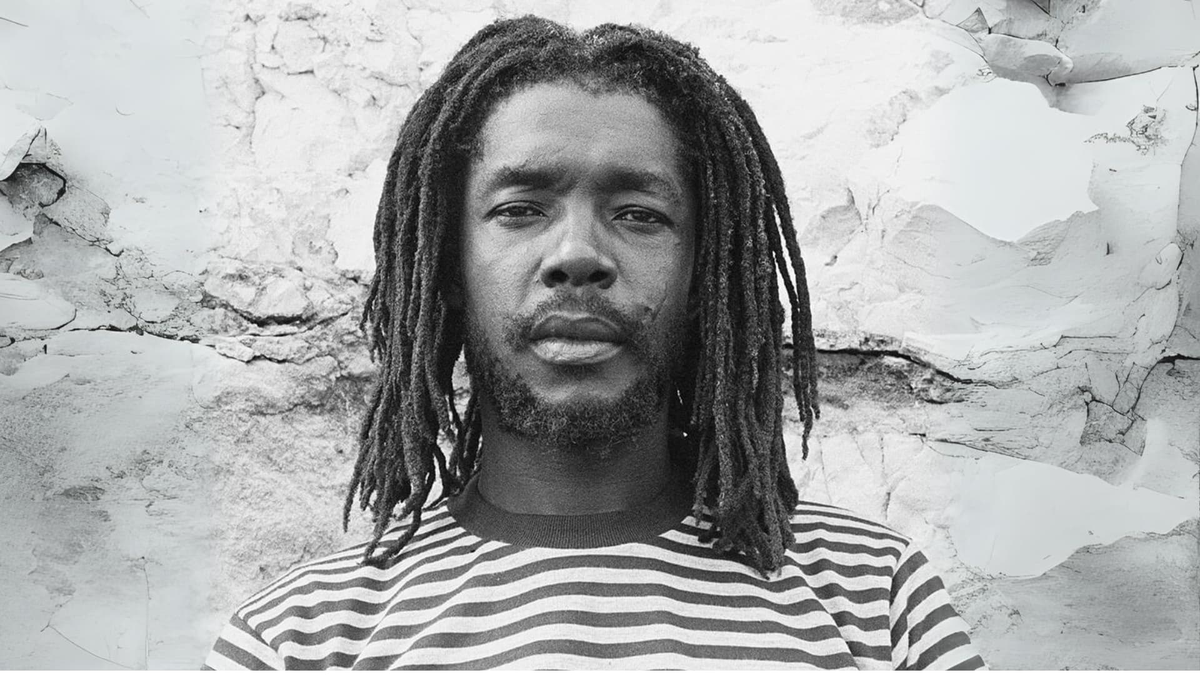
That wordplay comes straight from the Rasta tradition of reshaping English so that words tell the truth about what they name.
For Tosh, being Rasta meant seeing through the system as well as praying, and saying what you saw no matter who was offended.
11. Bob Marley, “Head Creator” (1978)
In a 1978 interview, Marley broke the name down for listeners. “Rasta” means head and “fari” means creator, so Rastafari means head creator, which in a natural sense is God.
He followed with a pointed question: would anyone know Rastafari without Haile Selassie? His answer was that no one would.
That same year he told Hot Press that there is one God who made all people, a theme of shared origin he returned to again and again.
The definition and the unity message fit together. If the Creator is one, humanity is one family, which is also the logic behind I and I.
12. Peter Tosh, “Scientific and spiritual”
Tosh insisted that herb was created “scientific and spiritual” by the Creator for the use of man, and that the devil invented the cigarette to keep people on a “death trip.” It is classic Tosh, part scripture and part street sermon.
The conviction behind it drove Legalize It, his debut studio album, which he produced himself and released in June 1976. Attempts to suppress the title song failed and instead launched him to international fame.
In 1978 he told NME, “Herb will become like cigarettes.” Half a century later, with legal cannabis spreading worldwide, that prediction looks like prophecy.
Why Livity Still Speaks
These voices span more than a century, yet they agree on one point: Rastafari is something you live.
That is why a new generation, including Chronixx, Protoje, Kabaka Pyramid and Jah9, keeps returning to livity as the heart of the Reggae Revival.
The language itself teaches it. In Iyaric, people “overstand” instead of understand and speak of “downpression”, reshaping words to push out hate and death and bring in love and life.
“I and I” places the Almighty first and the self second, and it signals unity rather than ego.
Even Ital, which comes from “vital” with the v removed, has few universal rules. Marley avoided pig, lobster, crab and shrimps, while Buju Banton has eaten fish for years.
Ital is not a diet trend to strip for parts. It is one thread in a whole way of life.