

Nobody in reggae talked like Peter Tosh. Bob Marley sang about one love. Tosh walked onto a stage in the middle of Jamaica’s political war and lectured the prime minister to his face.
The best Peter Tosh quotes still land like a rimshot: half scripture, half yard philosophy, all defiance.
Most of them cost him something. He called the system the “shitstem,” turned politics into “politricks,” and would not say “oppression” when “downpression” sounded truer to the experience.
2026 marks fifty years since Legalize It, and the Stepping Razor’s words feel as sharp as ever.
These twelve lines run from the One Love stage to late-night interviews in California, ranked by how hard they still hit.
1. Peter Tosh, “Peace is the diploma you get in the cemetery” (1978)
On 22 April 1978, more than 32,000 people packed the National Stadium in Kingston for the One Love Peace Concert, a show meant to cool the gun war between the parties.
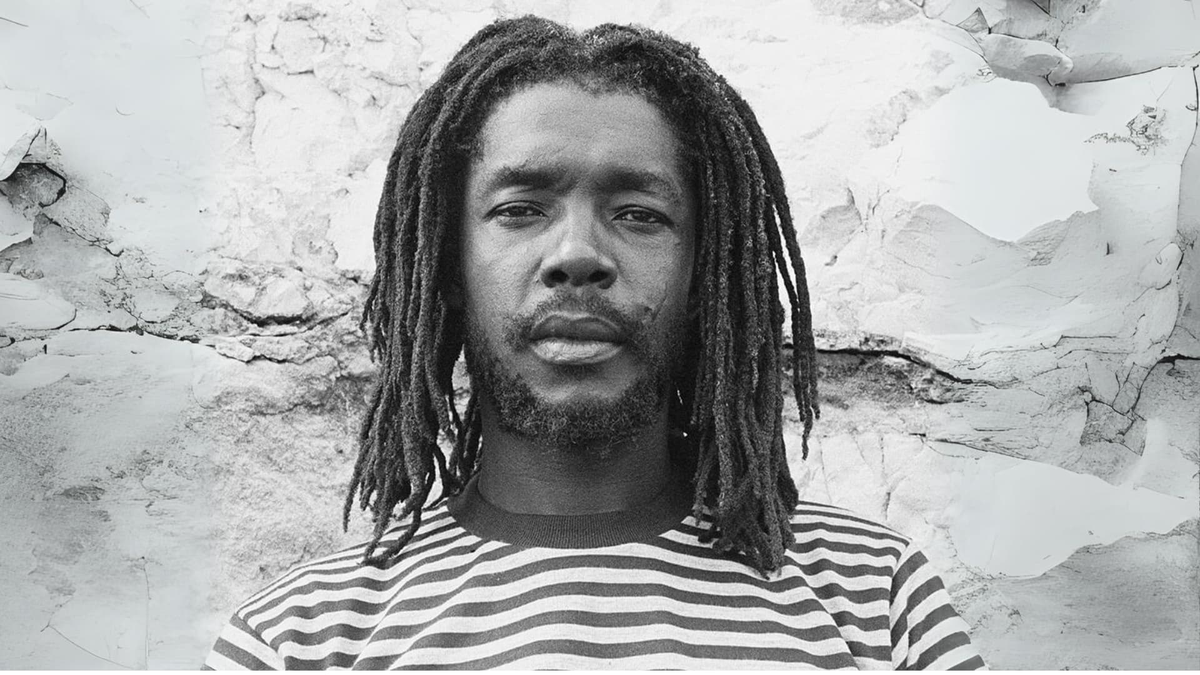
Tosh, backed by Word, Sound and Power, spent almost half his set preaching. Prime Minister Michael Manley was sitting in the second row when Tosh declared that peace is “the diploma you get in the cemetery on top of your grave.”
Marley would later bring Manley’s and Seaga’s hands together onstage. Tosh saw the whole truce as a photo opportunity.
Five months later he was arrested and savagely beaten by Jamaican police. Nearly fifty years on, it remains the bluntest thing anyone has said from a reggae stage.
2. Peter Tosh, “Four hundred years an de same bucky maasa bizniz” (1978)
It came from the same night and the same sermon, and it may be the deeper cut. Tosh addressed “Mister Manley” directly and reached back through slavery to explain the bloodshed around him: “Four hundred years an de same bucky maasa bizniz.”
To him, emancipation and independence had not changed who held the whip. The line tied his speech to “400 Years,” the Wailers-era song Tosh had a hand in writing, and his 1978 performance of it rode on Sly Dunbar’s masterful drumming.
Mick Jagger was in the crowd, and a deal with the Rolling Stones followed. The speech transcript first ran in Jah Ugliman in October 1978.
The full set finally surfaced in 2000 as Live at the One Love Peace Concert on JAD Records, with manager Herbie Miller helping on the liner notes.
3. Peter Tosh, “Herb will become like cigarettes” (1978)
Tosh told NME in 1978 that “herb will become like cigarettes.” Anyone who has walked past a licensed dispensary lately knows how that prophecy turned out.
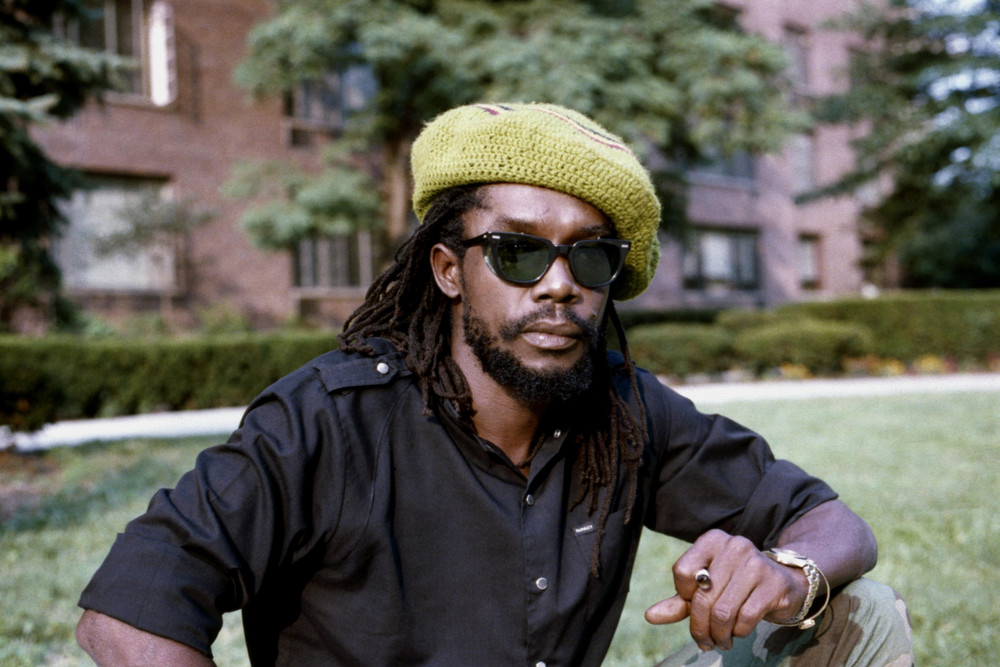
He had already put his body and career on the line for the plant. Legalize It arrived in June 1976, and its title track was banned on Jamaican radio. Tosh answered by printing the lyrics in a local newspaper.
The attempt to bury the song backfired and catapulted him to international fame, and the album cracked the US Top 200.
Even the financing had an outlaw flavour, since a Miami pot dealer was approached to invest.
In 2026 the Tosh family marked the record’s fiftieth anniversary with “A Touch of Tosh,” a celebration of an album that sounded like a policy paper ahead of its time.
4. Peter Tosh, “I am not no king of reggae” (High Times interview)
Crowns never interested him. In a High Times conversation, Tosh rejected the title outright: “I am not no king of reggae.” He described himself instead as a man who lived the Bible daily.
He called the police attacks on him political, the price of preaching truth and unity under a “shitstem” that would not tolerate either.
He also recounted the 1978 beating in grim detail, telling how about ten officers took him into a cell and beat him on the head.
The title he did wear was Stepping Razor, after the Joe Higgs composition he cut for Equal Rights in 1977.
The song later turned up on the Rockers soundtrack, and the New York Times ranked it among the year’s best. A razor, not a crown, and that was the point.
5. Peter Tosh, “How can you compare the teacher with the taught?” (1983)
In August 1983, at the Greek Theater in Berkeley, interviewer Eric Olsen asked the question every journalist eventually put to Tosh. He got the answer every journalist hoped for.
“How can you compare the teacher with the taught?” Tosh replied, casting himself as the man who schooled Marley.
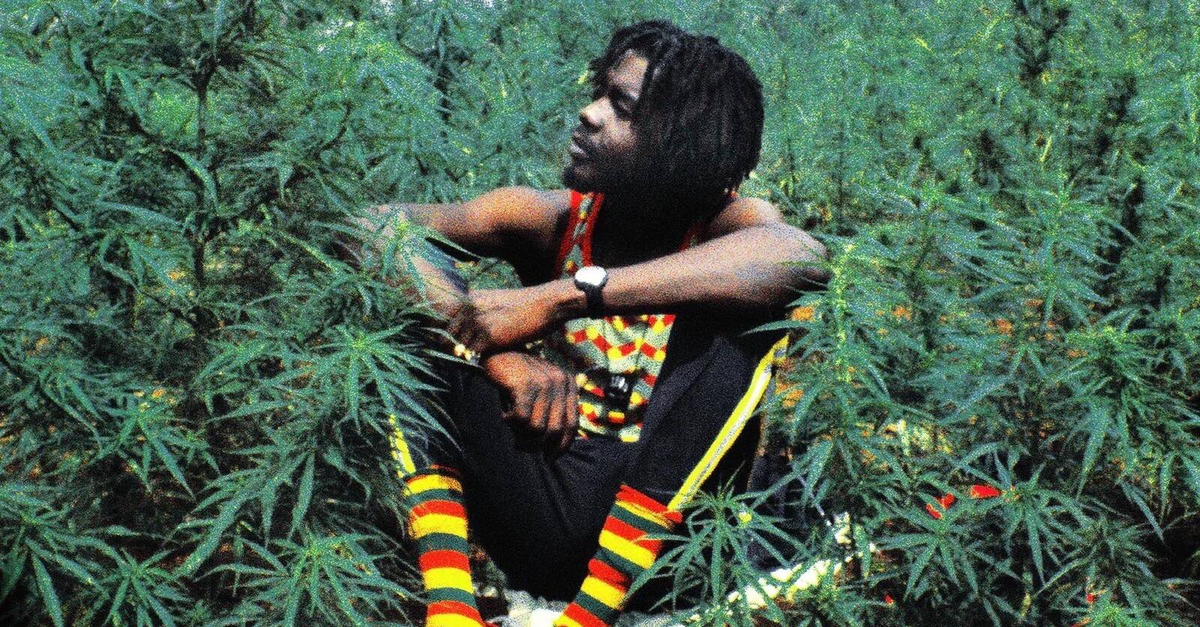
It sounds like ego until you recall Bunny Wailer’s account that the early Wailers learned to play their instruments from Tosh.
In the same talk he insisted reggae “must be lived, not played,” which is about as good a creed as the genre has.
This was also the man who nicknamed Island boss Chris Blackwell “Whiteworst.” The rivalry stung, but the line endures because it asks who really gets credit for building a sound.
6. Peter Tosh, “Paper will come and paper will go” (1983)
Later that same August, on 17 August 1983, Tosh sat down with Midnight Dread on Nob Hill in San Francisco and delivered one of his most quotable riffs on money: “paper will come & paper will go but my ability & my integrity is here forever.”
He said he was born a millionaire, that he did not count papers, that he was “more than a zillionaire.” The bravado had a bitter backdrop.
Tosh complained of being robbed “Peter to pay Paul,” and before No Nuclear War he spent four years protesting elements of his record contract.
Plenty of artists since have fought labels over masters and royalties. Few have framed it so defiantly, treating the cheque as temporary and the gift as permanent.
7. Peter Tosh, “Vampires don’t come out and bite your neck anymore” (1987)
By 1987, Tosh had updated his demonology. “Vampires don’t come out and bite your neck anymore,” he said that year.
He went on to describe the modern bloodsucker, who works by causing destruction so that blood spills. It is the “Downpressor Man” theme in a darker key, and it fits the record he released that August.
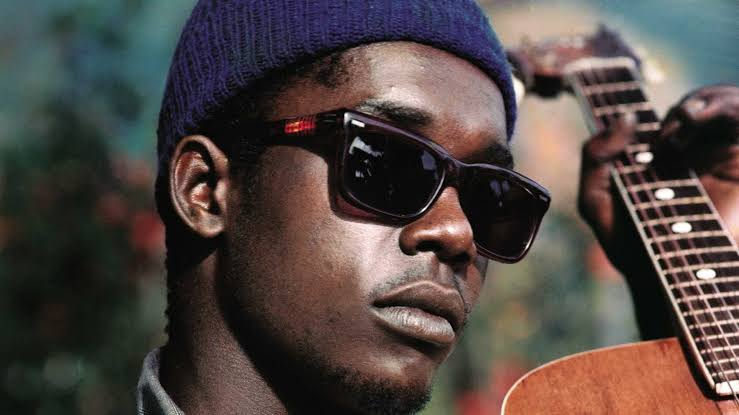
No Nuclear War, his final studio album, was produced by Peter and Marlene Tosh for EMI. It carried “Fight Apartheid” alongside its antiwar title track. Tosh never saw what came next.
The album won the Grammy Award for Best Reggae Album in 1988, after his death. The quote reads now like a man describing a world of arms dealers and proxy wars with frightening clarity.
8. Peter Tosh, “New Government? Same government. Same t’ing” (Keith Sterling interview)
Jamaicans who have lived through enough election cycles will feel this one in their chest. Speaking with Keith Sterling, Tosh waved off the promise of political change in eight words: “New Government? Same government. Same t’ing.”
He described Kingston as the same ghetto life it had always been, with the people trapped in the “shitstym” and its “politricks.”
In that interview he also called himself the architect of the music and complained that people only saw reggae one way.
He said he was “born a Rasta,” not converted, which explains why he never bent to fashion or party.
The line works as a protest slogan and a weary shrug at once, and it has outlived every government it was aimed at.
9. Peter Tosh, “EQUAL RIGHTS is ALL of man’s rights, seen” (On Equal Rights)
Tosh explained his second album with a line that is half mission statement, half reasoning session: “Well, EQUAL RIGHTS is ALL of man’s rights, seen.” The first LP, he said, was about legalising herb.
The second was about universal justice. Self-produced and released in 1977, Equal Rights is the more focused record, centred on the plight of Black people, particularly in South Africa and Rhodesia.
It also carried his solo take on “Get Up, Stand Up,” the song he wrote with Marley and originally sang lead on for the Wailers’ Burnin’ in 1973.
One story captures the politics of the era: Tosh handed Manley sixty copies of Equal Rights to distribute, reportedly after Manley had helped get “Legalize It” onto the airwaves.
10. Peter Tosh, “I see no reason why man should be incriminated” (New York interview)
During an interview in New York, Tosh made his case for the herb with courtroom logic and Rastafari conviction: “I see no reason why man should be incriminated for a thing dat man cannot make.”
He placed ganja alongside trees, birds and bees as part of creation, something no lawmaker could claim to have invented and therefore had no right to outlaw. It is the theological backbone of “Legalize It,” stated more plainly than any lyric could.
In that conversation he also set the record straight on the Wailers split, saying it was Marley who left him, not the other way around.
The incrimination line is the more lasting of the two, and you can still hear its argument at every legalisation rally.
11. Peter Tosh, “Something within me that is called determination” (Undated interview)
Not every Tosh quote is a grenade. This one is a foundation stone: “there is something within me that was born inside me that is called determination.” He spoke of it as an inheritance rather than a choice, something he arrived with.
You can hear that spirit across his catalogue, most clearly on “Not Gonna Give It Up” from 1983, a statement of resistance to slavery, imperialism and apartheid.
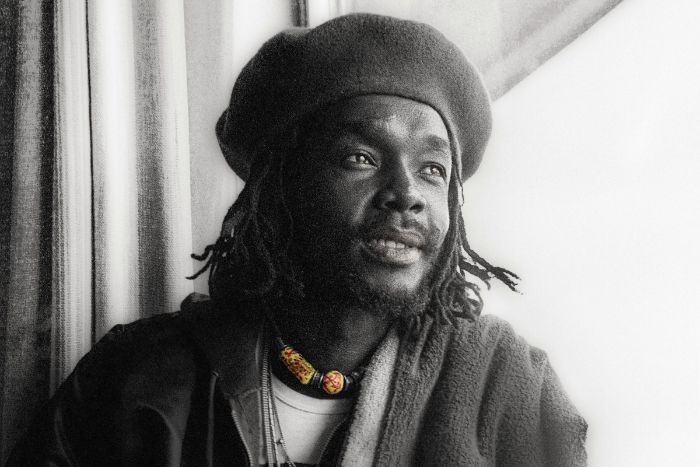
South Africa eventually returned the respect. Tosh was posthumously awarded the Order of the Companions of O.R.
Tambo for his contribution to the fight against the apartheid regime, and his daughter Niambe received it. Determination, for Tosh, was never motivational poster material. It was the quiet engine under all the noise.
12. Peter Tosh, “We are the victims of Rasclot circumstances” (1977)
Only Tosh could slip a Jamaican curse word into a sociological diagnosis and make it sound like a verdict. “We are the victims of Rasclot circumstances,” he said in 1977, the year Equal Rights landed.
The line belongs alongside “Downpressor Man,” his retribution anthem rebuilt from the old spiritual “Sinner Man.”
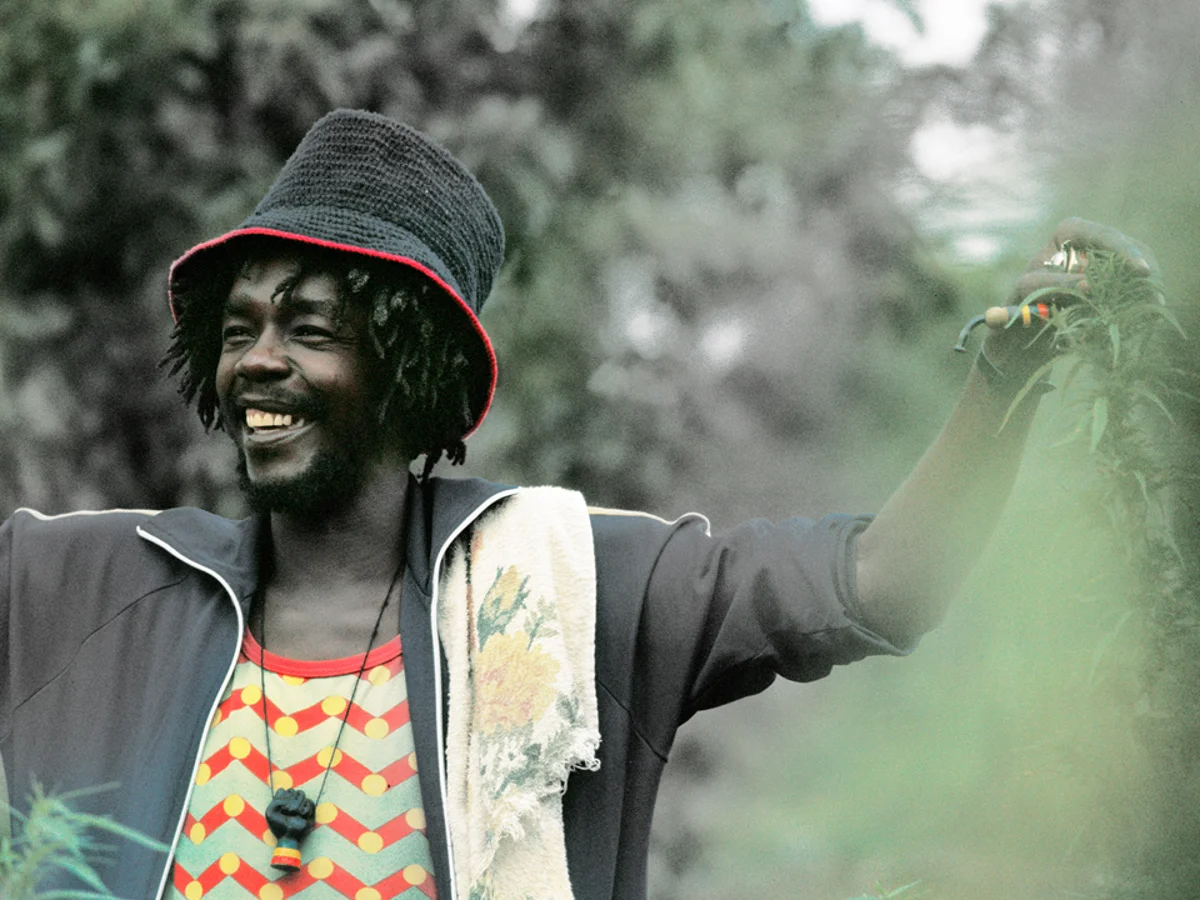
The song had lived through Wailers-era versions as “Sinner Man,” “Oppressor Man” and “Downpresser,” and Tosh favoured the word “downpression” because of how it sounded. Oppression, after all, presses people down.
The quote is profane and funny, and it is also precise. It refuses the polite vocabulary of the powerful, which was always Tosh’s method.
Why Peter Tosh Still Hits Hard
Tosh paid for every word. On 11 September 1987 he was murdered at his home in Barbican, St Andrew, along with disc jockey Jeff “Free I” Dixon and Wilton Brown. He was 42.
Jamaica took its time catching up, awarding him the Order of Merit in 2012, but the culture never stopped quoting him.
In October 2026, Andrew Tosh and Anthony B led Tosh Fest at Woodstock Beach in Negril. A McGill professor is now writing Here Comes the Judge: Peter Tosh a Pan-African Revolutionary, a title that would surely have made the man grin.
Strip away the mythology and the rivalry, and what remains is a voice that refused the comfortable answer every single time.
“Shitstem” is still in the dictionary of the street, and the circumstances he named have not gone anywhere.