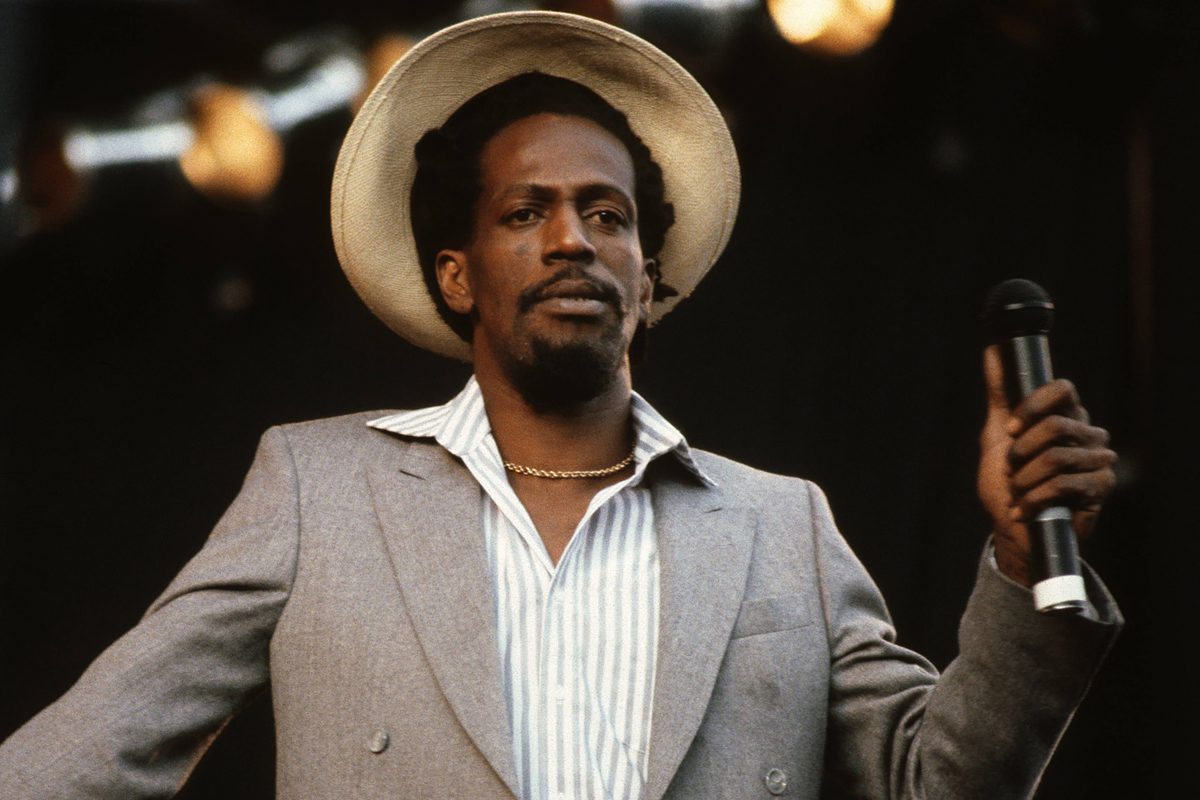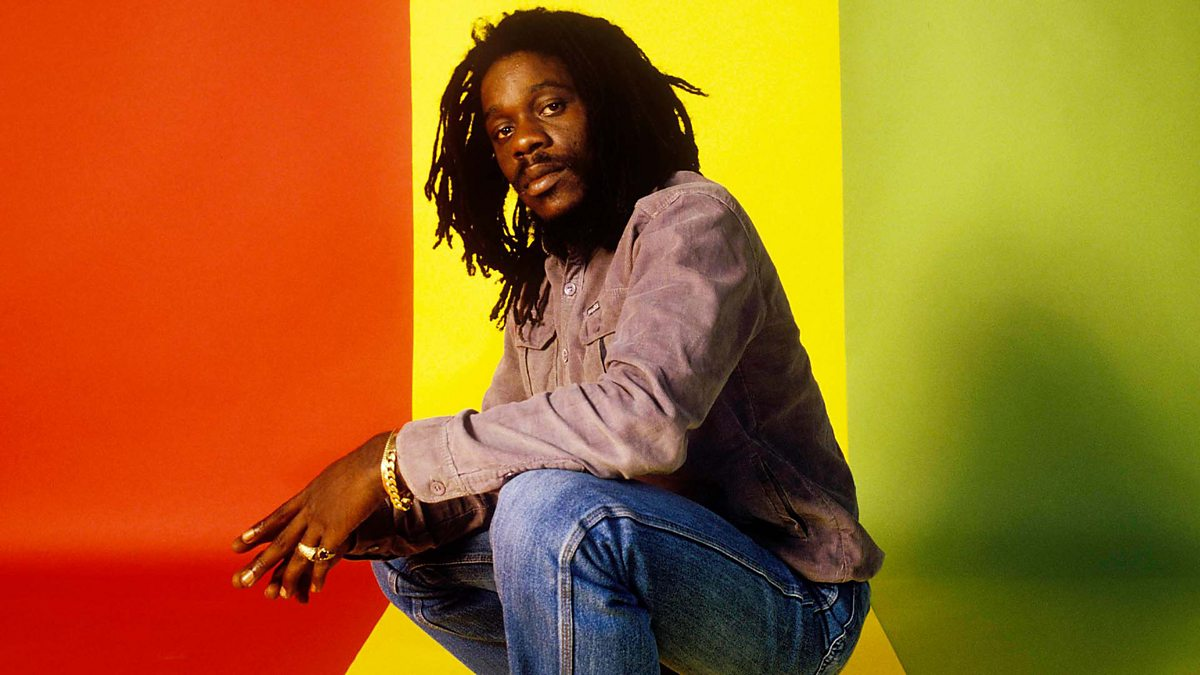


After more than 25 years in music, IBlack Lion is taking charge of his next chapter—one rooted in reggae, creative ownership and an independent album that has earned a foothold on the U.S. iTunes chart.
The Montego Bay-born singer, whose given name is Kenroy Williams, released his 13-track album, Roots & Reality, on July 31, 2026. Distributed through Ditto Music under the Kenroy Williams label name, the project brings his cultural convictions into focus while keeping control of the release in his hands.
According to music analytics platform Chartmetric, the album reached No. 36 on the U.S. iTunes Reggae Daily Chart on August 20. Its chart history also records a subsequent position of No. 89, offering a measure of visibility for an independent artiste competing in a crowded marketplace.
Now, IBlack Lion is seeking a hearing on another stage.
His representatives say Roots & Reality has been submitted for consideration in the Best Reggae Album category at the 69th Annual Grammy Awards in 2027. Submission is a step in the awards process; it does not constitute a nomination.
Working with K Luv Culture Talent Agency, the singer has launched a grassroots For Your Consideration campaign built around the album’s conscious themes, cultural identity and independent release.
At its centre is a question that reaches beyond awards season: “What do you give thanks for?”
The campaign highlights gratitude, survival and spiritual awareness—ideas that run through a catalogue shaped by Rastafari spirituality, Nyabinghi influences and the daily business of overcoming hardship.
Those foundations were laid in Montego Bay, where Williams developed the musical identity that would carry him through several recording names. Previously known as Black Mice and Black Lion, he eventually adopted IBlack Lion as his artistic outlook evolved.
On Roots & Reality, that outlook makes room for both conviction and tenderness.
“Don’t Know Your Story” examines the damage caused by judging people without understanding their experiences. Including both the original recording and an a cappella version gives its lyrical message added prominence.
Elsewhere, “Give Thanks for Life”, “Get What’s Mine”, “Memories Can’t Erase” and “True Love Don’t Fade Away” move through appreciation, determination, reflection and relationships.
Together, the songs frame an artiste drawing on long experience while pursuing new opportunities. Chart recognition and Grammy consideration offer visibility, but the album’s central ambition is closer to home: preserving his roots while owning the direction of his career.