

The meaning of “Mr. Loverman” is simple. Shabba Ranks presents himself as the ultimate ladies’ man. He tells a woman looking for love that she has found the right man, and the female chorus answers by daring him to prove it.
Songfacts says Shabba built an image of a smooth ladies’ man, which he called his “slackness”, and that the song is where he embodies it. Below is how the song’s story developed, from a lovers rock record in London to a worldwide hit in 1993.
The Lyrics Explained
In the verses, Shabba describes a woman who has travelled from England looking for a man. He boasts that she has run into Shabba Ranks, and he keeps returning to the line that people call him Mr. Loverman. The female voice turns the chorus into a challenge.
She calls him a “champion lover,” tells him not to ease up, and asks him to come on strong. This back and forth between the boasting deejay and the demanding singer is the core of the song.
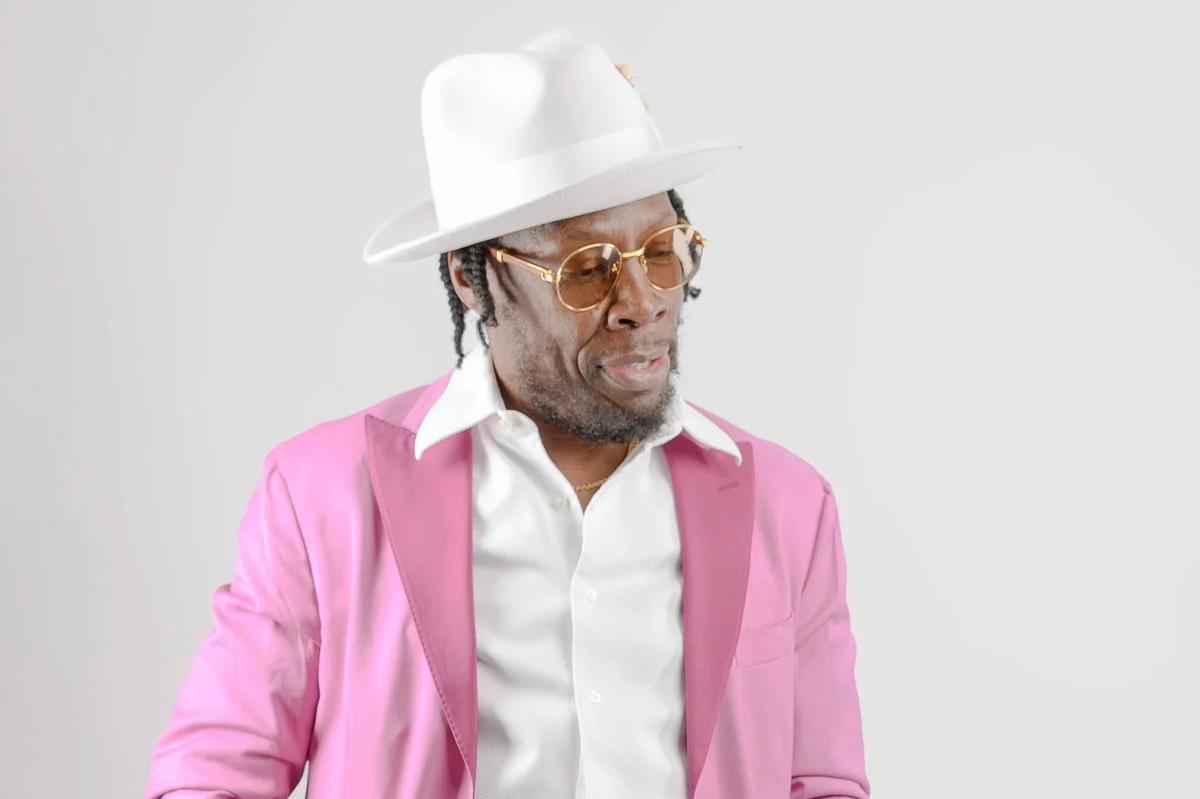
The song fits the persona Shabba was known for at the time. Encyclopedia.com’s profile notes that his music became associated with sex and X-rated lyrics, or “slackness.”
It also cites a USA Today interview in which Shabba said, “Love is what made me. If it wasn’t for love, I wouldn’t be here.” In the same interview he explained that he had once recorded cultural lyrics, “But I wasn’t recognized for it. I was recognized for ‘slackness.'”
The Origin: Deborahe Glasgow’s “Champion Lover”
The song started life as “Champion Lover” by the London singer Deborahe Glasgow. Gussie Clarke produced Glasgow’s self-titled album, which included “Champion Lover”, the track that later formed the basis for Shabba Ranks’ “Mr. Loverman”.
Sources disagree on the year. Songfacts and WhoSampled date “Champion Lover” to 1988, while Glasgow’s album is dated 1989 by Shazam, which lists it as released January 1, 1989 by Greensleeves Records.
According to Wikipedia, Glasgow’s version showed an uncharacteristically hard-edged sound, and its lyrics were less innocent than her other recordings.
Shabba then made his own version with Glasgow singing the female part. The year of that version is also disputed. One Wikipedia entry places it on Rappin’ with the Ladies in 1988, and Songfacts calls that a 1990 album.
Wikipedia’s page for the album lists it as LP:1988, CD:1990, which may explain why the dates differ. Shabba shares the writing credit on this song with Mikey Bennet and Hopeton Lindo, the composers of “Champion Lover.”
The 1992 Re-Recording With Chevelle Franklyn
The famous version features the Jamaican singer Chevelle Franklyn. AllMusic says Shabba’s success led to a major label signing and a decision to re-record versions of his earlier hits, and that Franklyn was brought in to match Glasgow’s vocals.
Wikipedia also gives Glasgow’s illness as a reason for the re-recording. Glasgow died on 25 January 1994, at 28.
According to Discogs, the 1992 version was produced by Clifton Dillon and taken from the album Rough & Ready Vol.1.
The US CD single also lists Mikey Bennett as a producer and says the song was recorded at Penthouse Studios & Music Works Studios, Kingston Jamaica. Shazam gives the album’s release date as July 14, 1992 by Epic.
The song was also part of the soundtrack to Bill Duke’s 1992 film Deep Cover. Songfacts notes that the version on the soundtrack is a different mix of the song.
According to Songfacts, the “Shabba!” shout heard throughout the song came from his song “Housecall,” where Maxi Priest shouts out his name.
Wikipedia adds that the track also contains a sample of the 1973 single “Impeach the President” by The Honeydrippers. The accompanying music video was directed by Fab 5 Freddy.
Chart Performance
The song charted twice in the UK. According to the Official Charts Company, the 1992 release first charted on 8 August 1992 and peaked at 23. The 1993 reissue first charted on 13 March 1993, peaked at 3 and stayed on the chart for 11 weeks.
Wikipedia says it reached number 40 on the US Billboard Hot 100 and was a top 20 hit in France, Germany and Ireland. Songfacts places the US peak in the summer of 1992.
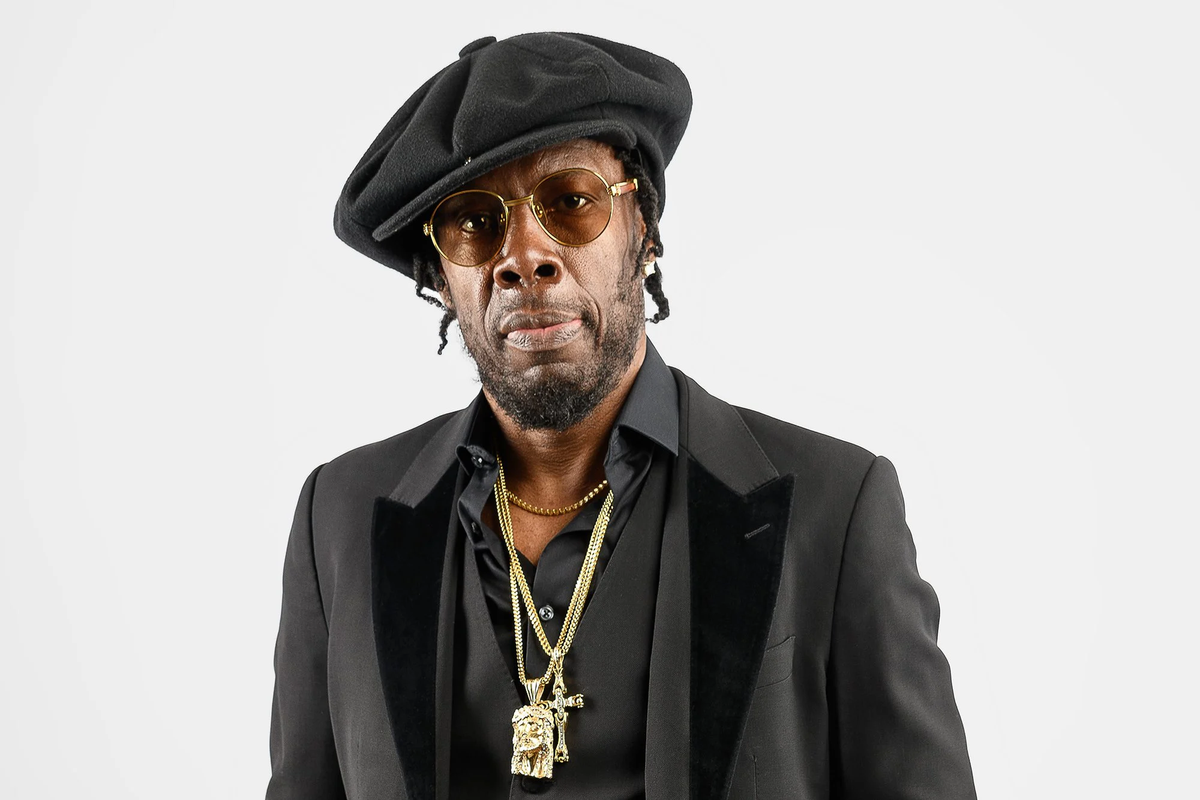
Sources also disagree on when the single first came out. Wikipedia lists 1991, but marks that date as needing a citation. Discogs lists the Epic singles as 1992.
Legacy
Wikipedia calls “Mr. Loverman” his biggest hit single outside of Jamaica. The song was named on critics’ lists: German Spex included “Mr. Loverman” in their “The Best Singles of the Century” list in 1999, and Q Magazine featured it in their list of the “1001 Best Songs Ever” in 2003.
Songfacts also links the song to Shaggy, writing that his “Mr. Lover” persona was a clear homage to Shabba’s “Mr. Loverman.”
The Shabba persona has also shown up in hip hop. Songfacts points out that on A$ap Ferg’s 2013 track “Shabba,” he rhymes about wearing eight gold rings like Shabba.