

The meaning of “Here I Come” surprises many listeners. Barrington Levy’s dancehall classic, often called “Broader Than Broadway,” tells a story about a young mother who doesn’t want the duties of raising a child. The bouncy hook makes it sound like a party song.
AllMusic’s Jo-Ann Greene pointed out that the line most people remember, “I’m broad, I’m broader than Broadway, extra size,” a personal jibe at the singer’s own heft, sits on top of a song that in fact addresses a serious subject.
The Story in the Lyrics
The verses follow a woman named Rosie. She calls the narrator on the intercom to say she has given birth to his son.
She tells him the lift is broken and he should hurry up the stairs, so he grabs some roses and runs. That is where the title line comes from.
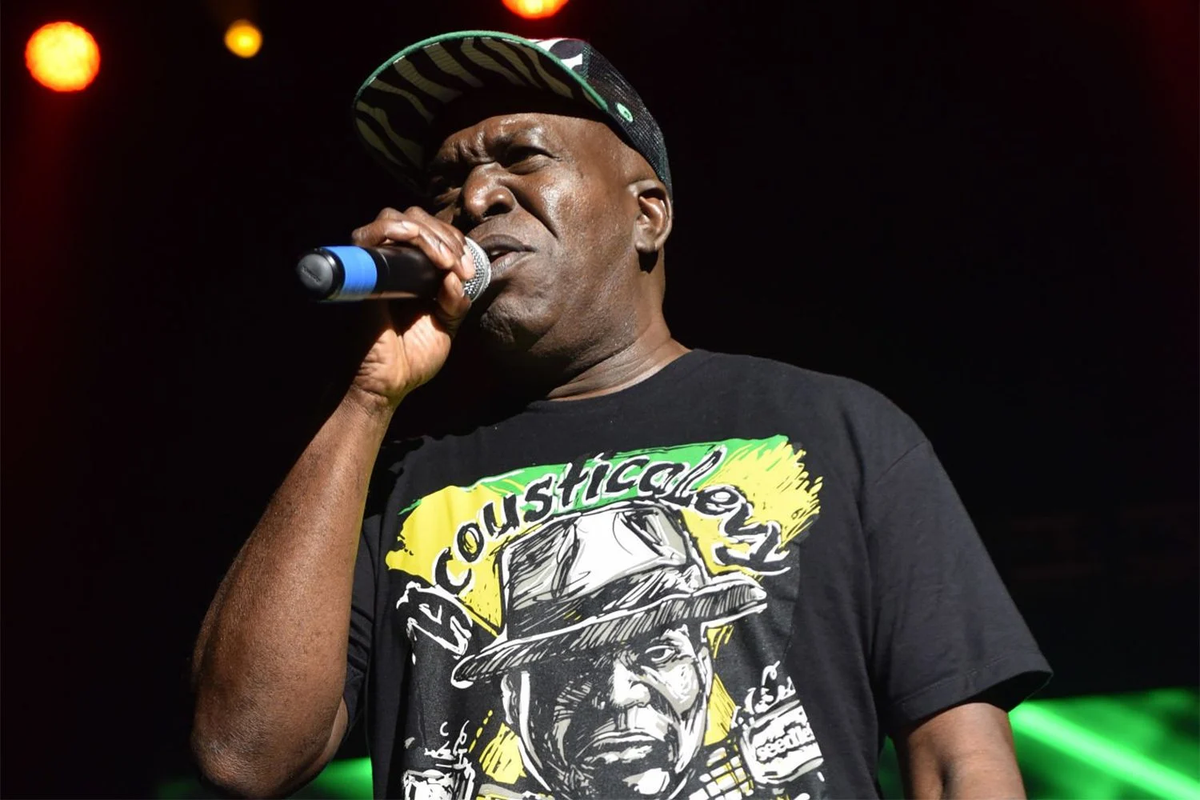
Two months later, she tells him to come and take the boy. She says she doesn’t want the baby tying her down, because he is old and she is young and wants to enjoy herself.
The New Zealand reggae site NiceUp, writing in early 2026, called it a reality based love story concerning himself and what appears to be his ex-girlfriend, ‘Rosie’.
AllMusic’s review says Levy broadened the story into a potent warning of the pitfalls of motherhood, and by extension fatherhood, as the young mom realizes her carefree days are over and rebels against the responsibilities now confronting her.
What Barrington Levy Said About the Song
In an interview republished by Reggae Vibes in 2020, Levy described it this way: “‘Here I Come’ is a reality song.” He said it reflects young women who “want to have fun, they want to have boyfriend, but when they get pregnant, they don’t want no kids to tie them down.
Levy said the idea came from something he saw in real life. He was out walking with a friend when the friend ran into a woman and asked why she wasn’t at home looking after their baby.
She answered that she was still young and didn’t want to stay home while he went out having fun. “And that is how the idea came to me, and I make the song from that,” Levy said.
The accounts differ a little. AllMusic says the lyrics were initially inspired by a friend whose girlfriend was suffering from postpartum depression. Levy’s own telling in the Reggae Vibes interview doesn’t mention depression.
The song also contains what the interviewer called a song within a song: a passage about the Volcano sound system.
Levy explained that “when you come to Volcano it’s like a stage show, you have man that sing, deejay and blow.” He credited Henry “Junjo” Lawes with starting the practice of horn players performing at dances over live rhythms.
Production and Release
Paul “Jah Screw” Love produced the song, and Levy is credited as its writer, according to Discogs credits for a 1990 Time 1 Records 12-inch.
The parent album was recorded at Channel One Studios in Kingston, Jamaica. WhoSampled lists the track as using elements of “Revolution” by Dennis Brown.
Sources disagree on the timeline. In a 2021 interview with The Gleaner, Levy said the song was recorded in 1983, while Wikipedia’s album entry gives 1984 as the recording year.
Discogs lists 1984 single pressings on London Records in the UK and Thunder Bolt in Jamaica. AllMusic puts the hit in the following year after 1984’s “Under Me Sensi,” which would make it 1985.
Chart Performance
Official Charts Company data shows “Here I Come” entering the UK Singles Chart on February 2, 1985, on London Records. It peaked at number 41 and stayed on the chart for four weeks.
AllMusic calls it Levy’s first international chart hit. Levy also received the Best Vocalist prize at the British Reggae Awards in 1984.
A new version by Levy and Talisman P, “Here I Come (Sing DJ),” reached number 37 on the UK Singles Chart in October 2001.
Samples and Later Life
The song became a major source of samples. NiceUp notes that it became one of the significant samples appropriated by the rising British Jungle culture.
On June 20, 1991, Levy appeared on Top of the Pops with Rebel MC and Tenor Fly, as his track “Here I Come” was sampled by Rebel MC, with the record becoming the UK Top 40 hit “Tribal Base”.
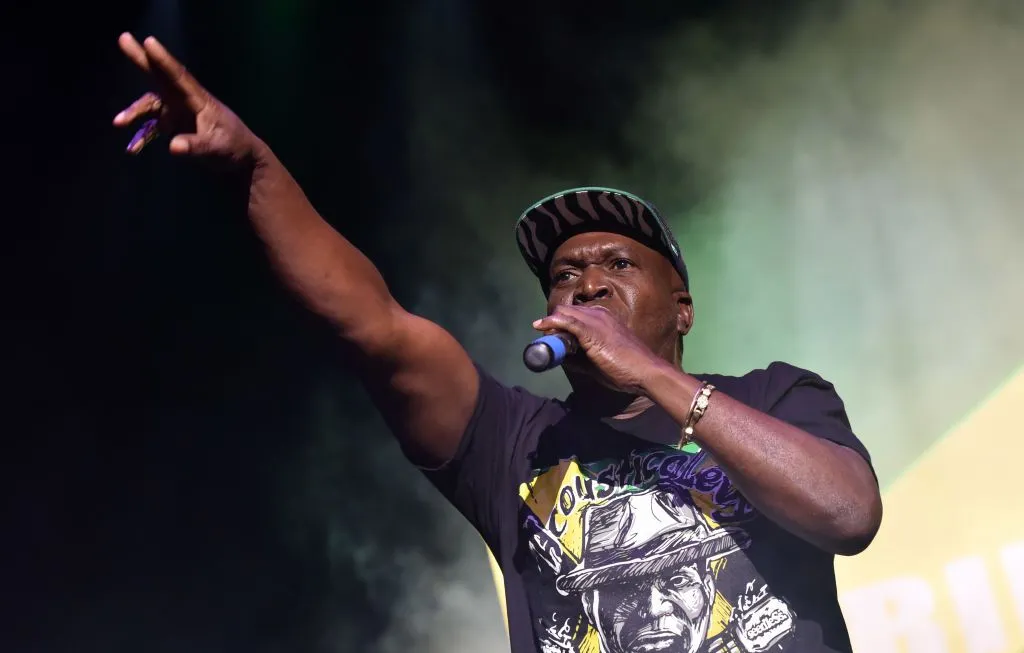
WhoSampled counts 39 songs that sample it, including Shyne’s 2000 single “Bad Boyz” featuring Levy, Shaggy’s 2005 “Broadway” featuring Levy, and R. City’s 2015 “Broadway.”
In June 2021, Netflix’s teaser for the Western The Harder They Fall opened with the song, and DancehallMag reported that by mid-afternoon Barrington Levy was trending on the social media website.
Levy told The Gleaner that month: “I went into the studio and voice that song (Here I Come) from the heart with love and love has paid off.”
The film’s director, Jeymes Samuel, used a remix in the finished movie. Variety wrote that it was remixed with long silent stretches between drum beats, to make Rufus’ reunion with his gang feel iconic. Samuel later told the BFI: “As a kid I listened to Barrington Levy’s ‘Here I Come’, and I could hear galloping horses.”