
The meaning of “Heads High” has two layers. Mr. Vegas’s 1998 dancehall hit tells young women to keep their dignity.
It also carries a message against oral sex that was hard to miss in the Jamaica of that time. DancehallMag has called the record the 1998 anti-oral sex anthem by Mr. Vegas. The artist has pushed back on that label being the whole story.
In a February 2024 interview with DancehallMag, he said “Heads High was never just about the lyrics and the lyrics was never just about anti oral sex lyrics.” He added that “Heads High is more of an uplifting tune.”
The Story Behind the Song
Mr. Vegas has told the same origin story in several interviews over the years. In a 2017 interview with AudioFuzz, he said his nieces came from school one day and told me about a girl that got caught giving a guy head in class. His response, he said, was that he told them to hold their heads high and work hard for what they want.
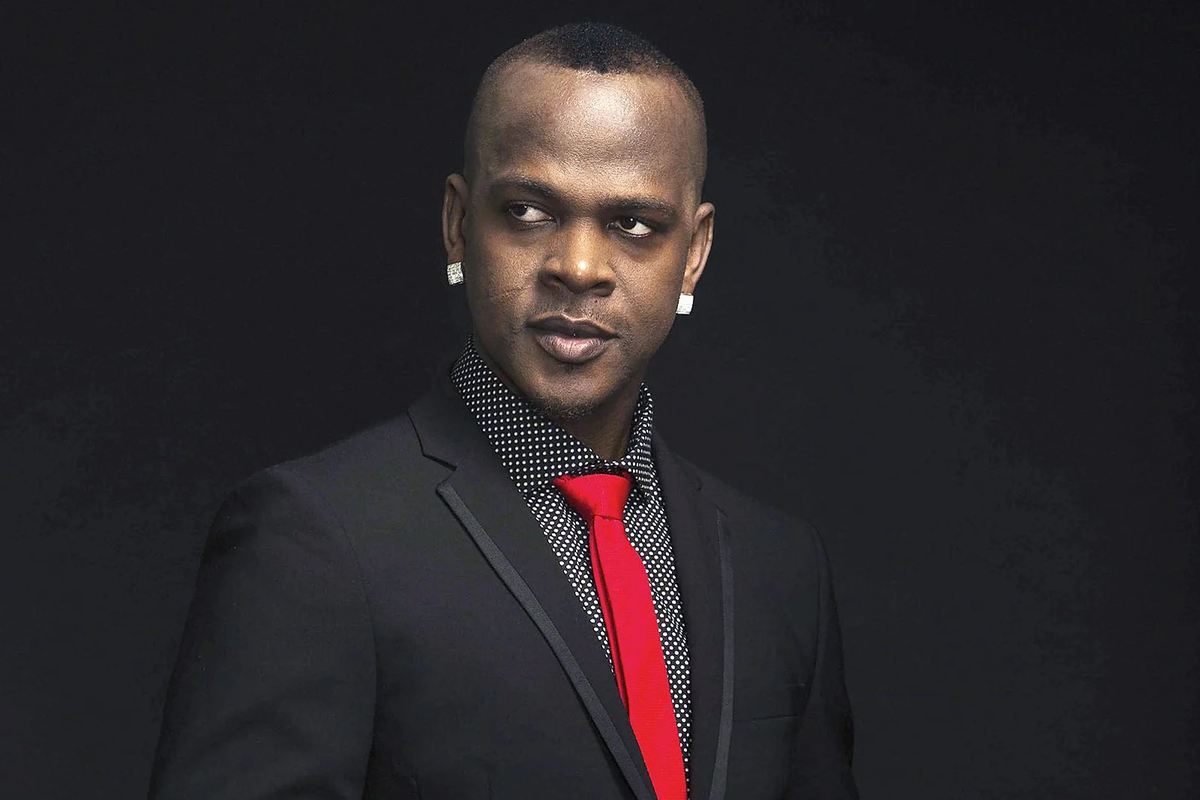
He told the Jamaica Observer much the same thing around the song’s 2020 UK certification. He said the phrase stuck with him after that talk with his nieces, and he recalled that “Somehow, the words ‘heads high’ rang and I started singing, ‘Heads high, kill dem wid di no…,'” He repeated the story to DancehallMag in 2024, saying the song came about when one of his nieces came home from school and told him about a girl and a guy who did some things under a school desk.
Mr. Vegas has said openly that women were his audience. An interview posted to an online lyrics forum and credited to Rice University’s radio station quotes him saying “my songs mainly targets the women.” Later explainers read the song the same way.
Songtell, writing in 2023, described it as promoting themes of self-respect, empowerment, and confidence, particularly for women.
A 2026 analysis from Lyreka argued that it celebrates refusal, pride, and posture, while also reflecting older ideas about respect and sexuality.
The Lyrics Explained
The hook repeats the title, telling the listener to “kill dem wid di no.” That means shutting men down with a firm refusal.
The verses praise a woman who stays with one partner and doesn’t give in to pressure. Songtell’s reading is that the lyrics reinforce the idea of loyalty and commitment, with references to maintaining a single partner and the importance of mutual respect in relationships.
The delivery matters as much as the words. Lyreka notes that Mr. Vegas uses sharp, rhythmic phrasing and a chant-like delivery, which turns the hook into a command the crowd can repeat.
Mr. Vegas has said attitudes in dancehall have moved on since 1998. In the 2024 DancehallMag interview, he explained that he had stopped performing another hit, “Hands Up,” “because most of the people I will stand up before to perform are now open to oral pleasures so that I had to retire but Heads High is more than just saying don’t give oral pleasures”.
In a 2025 interview with VladTV, he reflected on his controversial track “Heads High,” and recalled how discussing the act in music was once shocking and sometimes met with backlash.
He also observed a shift over time, with younger generations becoming more open and accepting of the topic.
Production and Riddim
Danny Browne produced “Heads High” for his Main Street label on the Filthy riddim. According to DancehallMag, the song was first released by Main Street Records before licensed to British label Greensleeves Records. Mr. Vegas told the Jamaica Observer that the song was recorded at Main Street studio, then one of the hottest camps in dancehall.
A 1998 riddim compilation shows the Filthy riddim also carried tracks by Hawkeye, Lady G, Spragga Benz, Tanya Stephens, Goofy, Red Rat, Chrissy D and Degree.
DancehallMag adds that it spawned other hit tracks such as Beenie Man’s Let Him Go and Lady G’s Breeze Off. In a 2019 Jamaica Observer interview, Browne said “Heads High was possibly the biggest song” on the riddim.
There is also a remix. A Discogs listing for a 1998 seven-inch shows “Heads High Remix” on the Filthier riddim, written by H. Browne. WhoSampled lists that version, “Heads High (Kill ‘Em With It Re-mix),” as built on Danny Browne’s “Filthier Riddim.
Official credits and public claims don’t fully agree. The Discogs entry for the original single credits H. Browne. Lyreka says the song is widely credited to Haldane Wayne Browne and Clifford Smith, the artist’s given name.
In January 2021, DancehallMag reported that Mr. Vegas labelled Tyrical a liar, after the artiste claimed that he had helped Vegas to pen his Danny Browne-produced 1998 breakout hit Heads High. Tyrical stood by his claim.
Chart Performance and Sales
Figures reported by DancehallMag (2021) and the Jamaica Observer:
- Jamaica: It spent several weeks at number one on Jamaican charts.
- United Kingdom: It scored on the British pop chart, peaking at No.16 in November 1999.
- United States: It reached No. 69 on the Billboard Hot R&B/Hip-Hop Chart and No. 59 on R&B/Hip-Hop Airplay.
- UK certification: The song was certified silver in 2020 by the British Phonographic Industry for sales of more than 200,000 copies. Mr. Vegas showed the plaque on Instagram in July 2021.
- Worldwide sales: Mr. Vegas says the song remains his biggest hit, has sold more than 500,000 copies worldwide. That figure comes from the artist himself.
- Streaming: In February 2024, Mr. Vegas told DancehallMag the song had 41 million all-time Spotify streams on the Hits of Mr. Vegas release. This is also his own figure.
The song opened his debut album. Per DancehallMag (2026), the album was released on March 14, 1998, under Greensleeves Records.
It reached number five on the Billboard Top Reggae Albums chart. Mr. Vegas told the Jamaica Observer that he won the MOBO [Music of Black Origin] Award for Best Reggae Act in 1999.
Where the Song Fits in Mr. Vegas’s Career
“Heads High” came right after his first hit. According to the booking agency Persona Music, his first hit, “Nike Air” (1997), recorded on the Playground Riddim for Jeremy Harding, only came about because Mr. Vegas successfully demanded that doctors removed the wiring in his jaw after a serious injury.
When he received the Silver plaque in 2021, he said: “This is the song that really set the stage for Mr. Vegas’ career, you understand,”
Samples and the “Megatron” Dispute
As of January 2021, DancehallMag reported that the song has also been sampled 12 times by artistes worldwide according to WhoSampled.com, among them the likes of Nicki Minaj ( MEGATRON ), Black Eyed Peas ( Get Original ), Canadian rapper Tori Lanez ( Number One ).
Nicki Minaj released “Megatron” as a standalone single on June 21, 2019. Its songwriting credits include Haldane Wayne Browne.
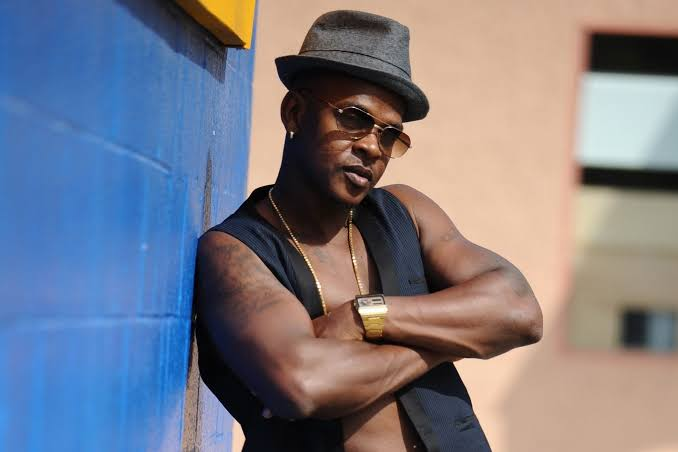
Urban Islandz reported in 2021 that Browne had disclosed that he gave clearance for the rapper to use his work, and he is now credited as a co-writer for “Megatron.”
In October 2021, Mr. Vegas publicly accused Minaj’s side of denying him what he says is his publishing rights on her song.
Urban Islandz noted it was unclear, however, what rights Mr. Vegas holds in relation to the rights for the original riddim and whether his grouse is actually with Browne rather than Nicki Minaj.
Plans to Re-Record “Heads High”
In February 2024, DancehallMag reported that Mr. Vegas planned to re-record his 1998 hit Heads High, aiming to take control of the song’s masters.
He explained that “most of the songs that I did in the earlier part of my career were licensed out to record labels overseas, who in turn paid the producers for the masters.” He said the new version would come out that year. This article could not confirm whether it was released.
Legacy
In August 2026, Mr. Vegas was appointed to the Order of Distinction in the Rank of Officer (OD) as part of Jamaica’s 2026 National Honours and Awards, and “Heads High” was listed among his international hits.
A September 2026 DancehallMag guide for new listeners called the song a standard of this period and one of the most beloved dancehall anthems ever recorded.