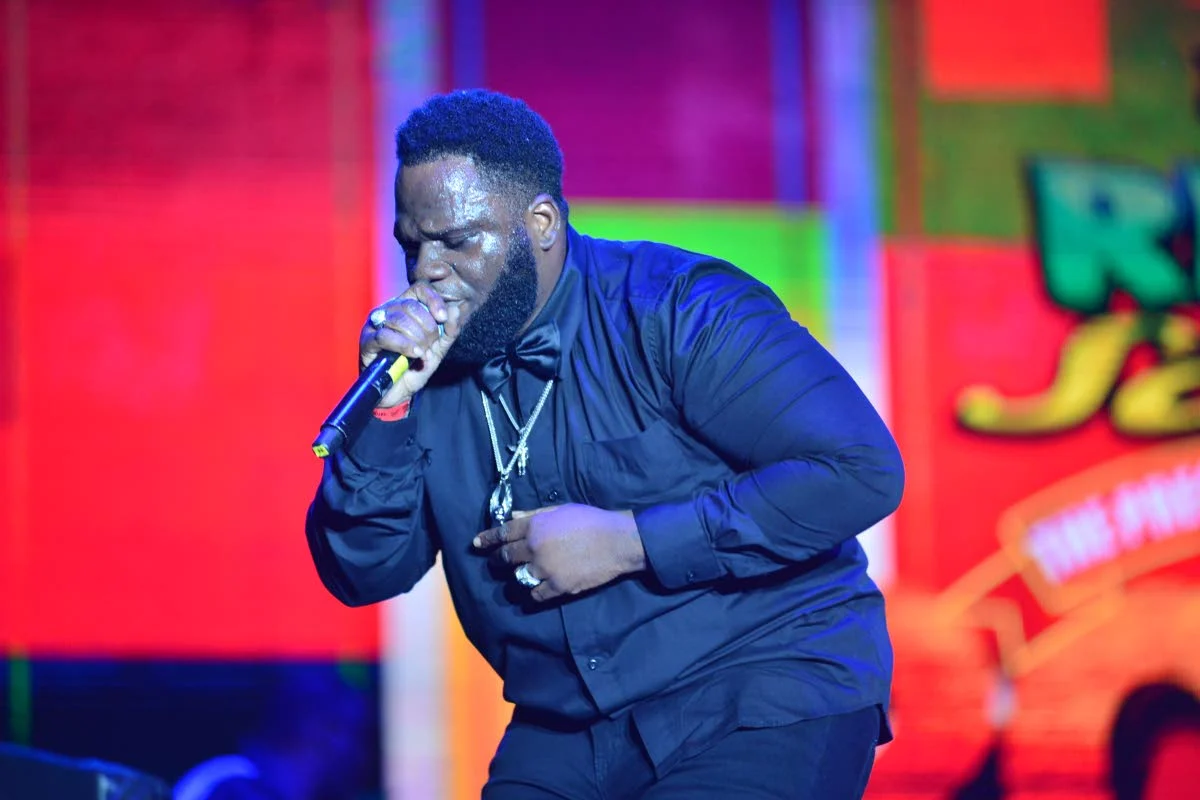
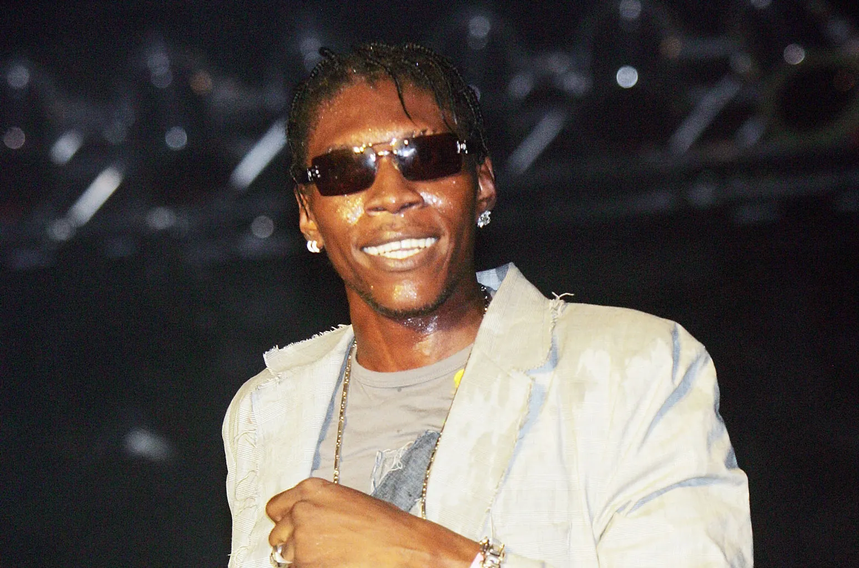

The last time Vybz Kartel and Mavado shared a Sting stage was 2008, and dancehall fans have not stopped talking about it since.
That single night is still one of the most debated performances in the genre’s history, which tells you everything about how much weight it carries.
With Sting 2026 approaching and December closing in, a growing wave of fans is pushing hard for the two deejays to bring the Gully Gaza rivalry back to the event that arguably made it famous.
The argument is simple: if the reunion is happening anyway, Sting is the only stage that truly makes sense for it.
Kartel and Mavado have already taken their reconciliation global, performing together in the UK, Malta, and at Reggae Sumfest in Jamaica.
Those shows proved the demand is real and that audiences across the world are hungry to see them on the same stage again.
But for a section of the fanbase, those performances, as well as the goodwill they generated, still feel like a warm-up to something bigger.
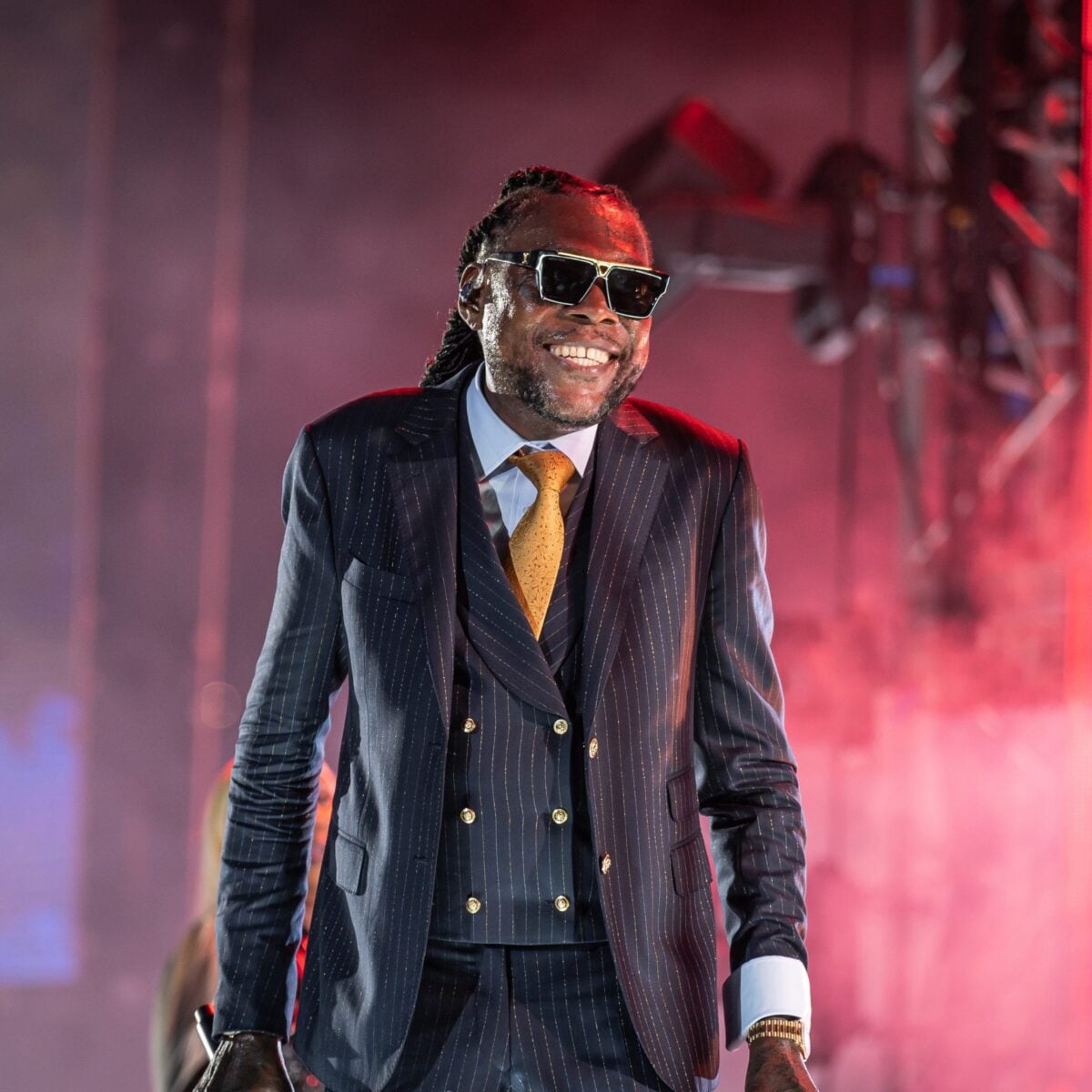
Industry figure Foota Hype has been vocal about it, making the case that Sting deserves Mavado and Vybz Kartel because the event gave both artists a platform that helped shape their careers in the first place.
That point carries some weight when you consider the list of artists Sting helped elevate over the years, names like Ninja Man, Super Cat, Shabba Ranks, and Beenie Man all built serious credibility through the show.
Promoter Isaiah Laing has already confirmed he is open to working with both artists following Kartel’s release from prison, which is not a small statement to make publicly.
The uncertainty, though, is on the artists’ side, and no one has confirmed anything close to a deal being in place.
That gap between promoter willingness and artist confirmation is where the conversation gets complicated.
Laing putting himself out there publicly is a signal that the logistics are not the main obstacle, but what Kartel and Mavado actually want to do with their reunion is still their call to make.
There is also a broader question sitting underneath all of this, which is whether Sting itself makes a comeback at all.
The event has not run consistently in recent years, and fans who grew up watching it in its prime are already nostalgic for what it represented in Jamaican culture.
The prospect of a Kartel and Mavado appearance is, for many, tied directly to hopes that the event gets revived in a meaningful way.
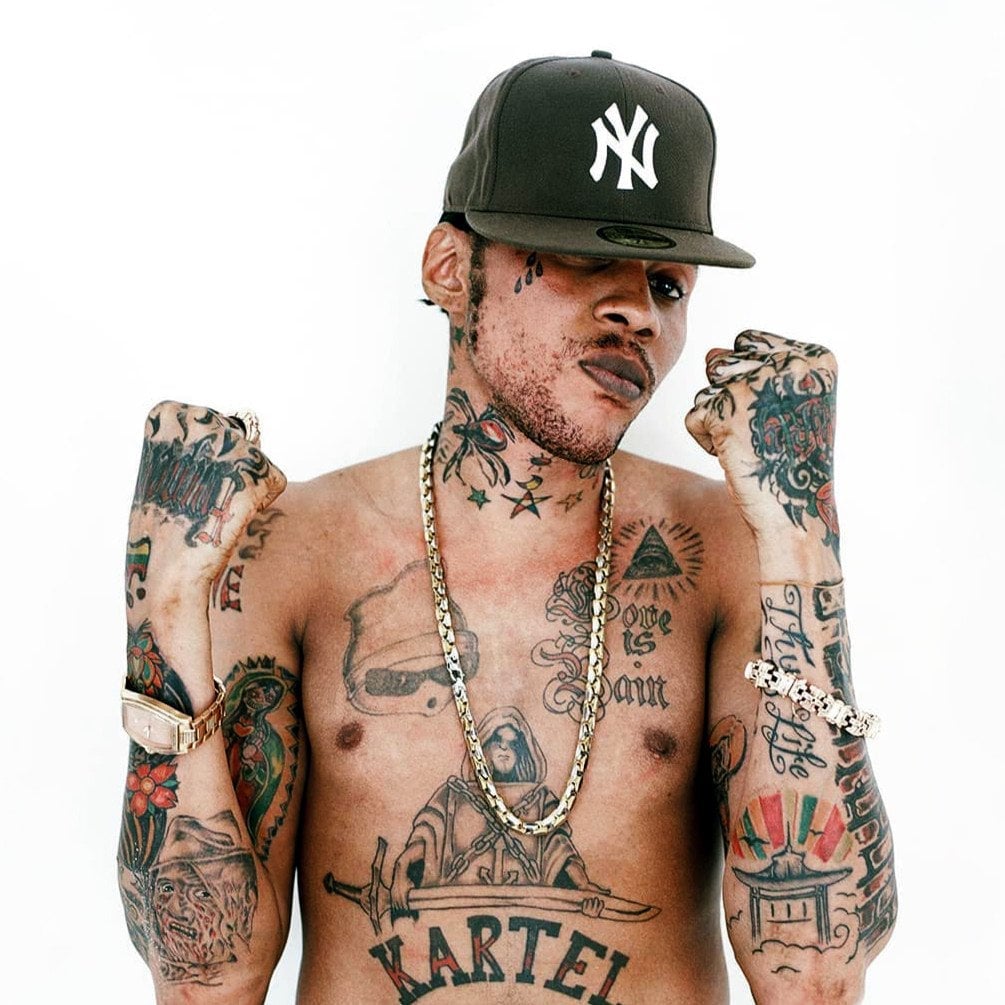
Sting was never just a concert. It was the place where rivalries got settled, careers got launched, and dancehall history got written in real time. The 2008 clash between these two still gets replayed and dissected by people who were not even old enough to watch it live.
Whether the 2026 version of the event materialises, and whether Kartel and Mavado are part of it, remains genuinely open.