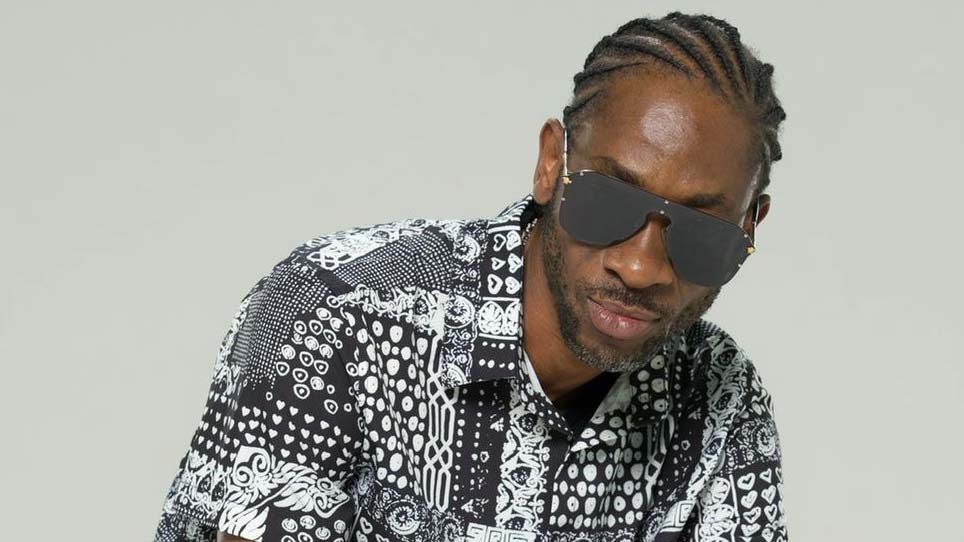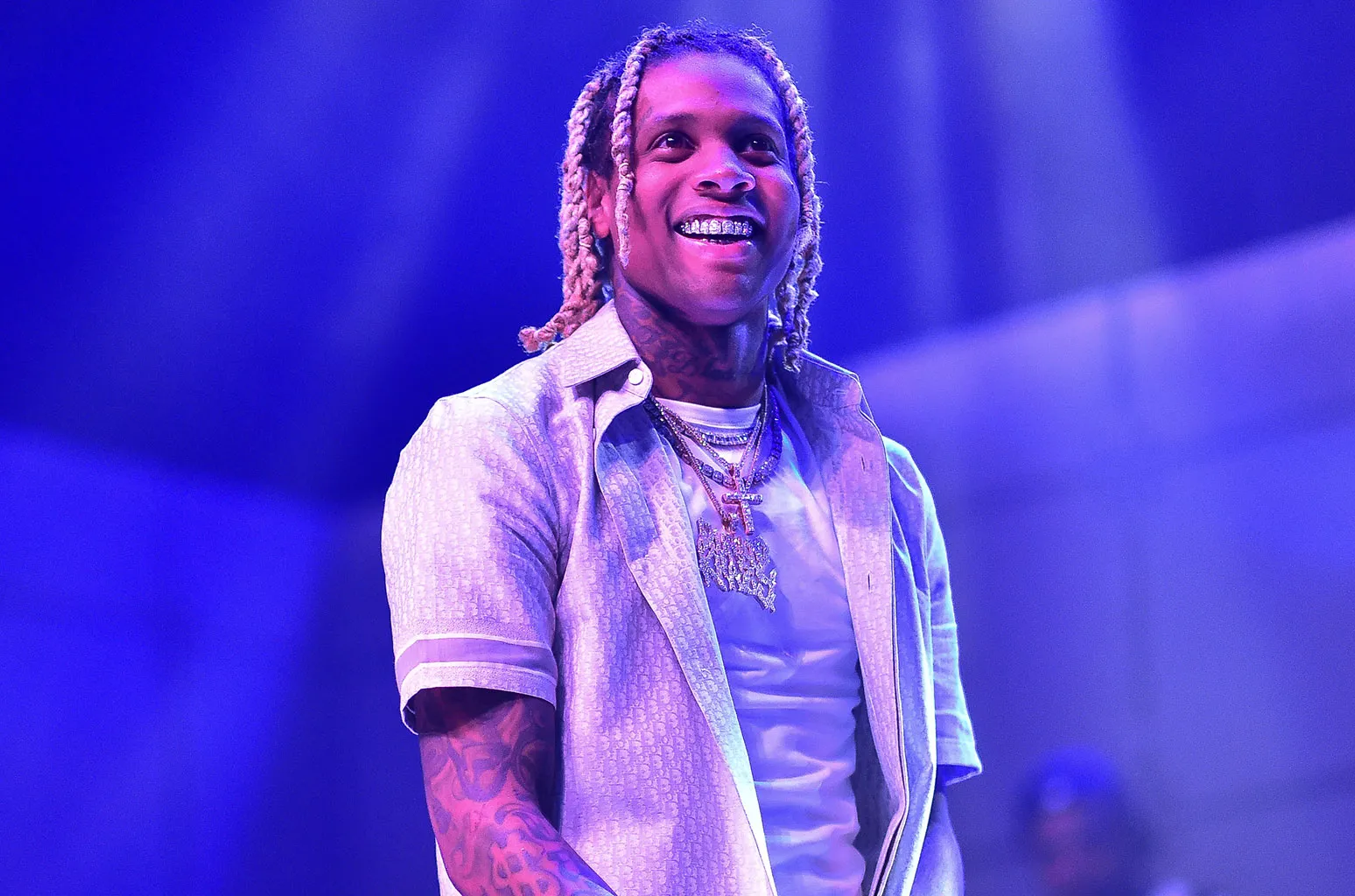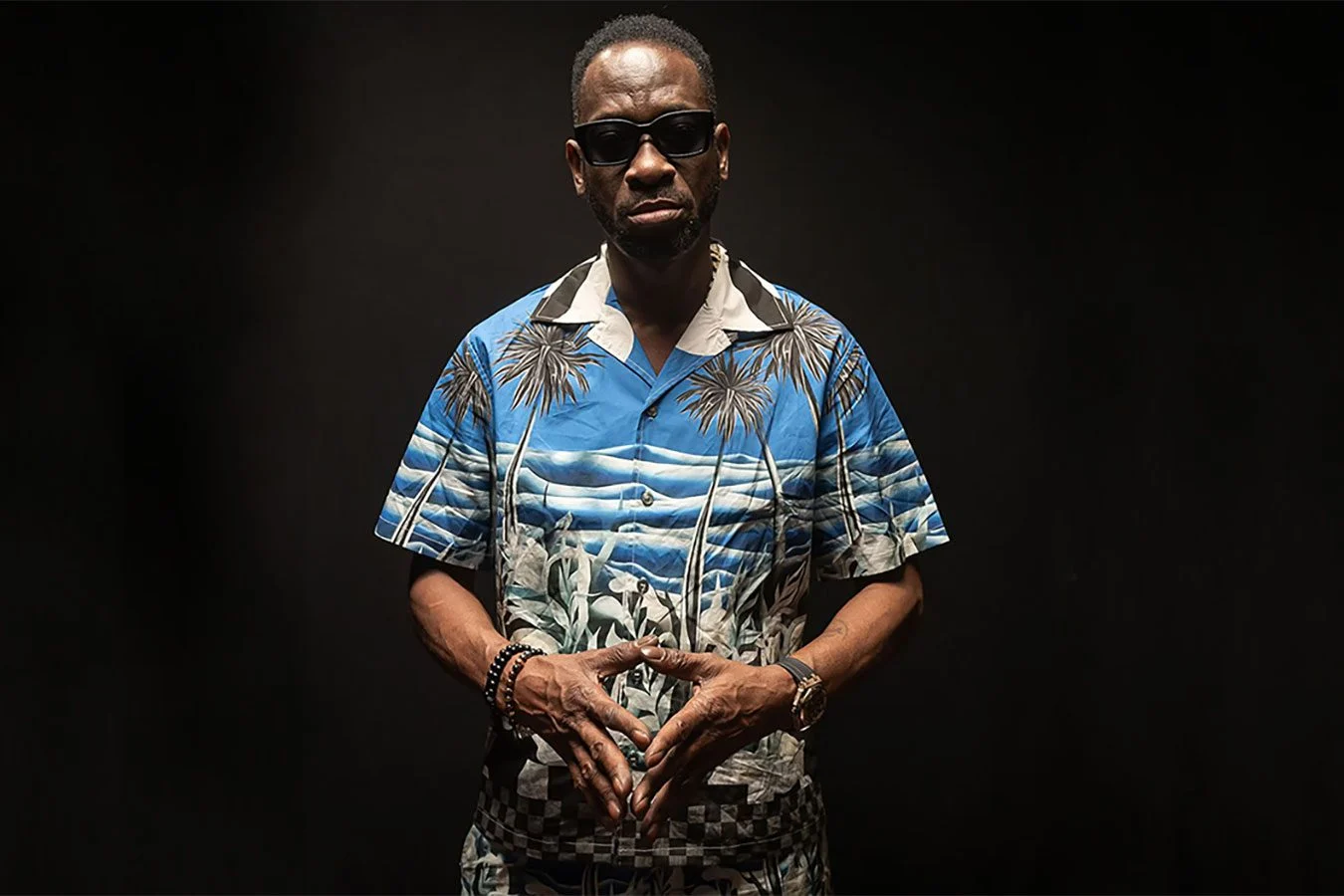
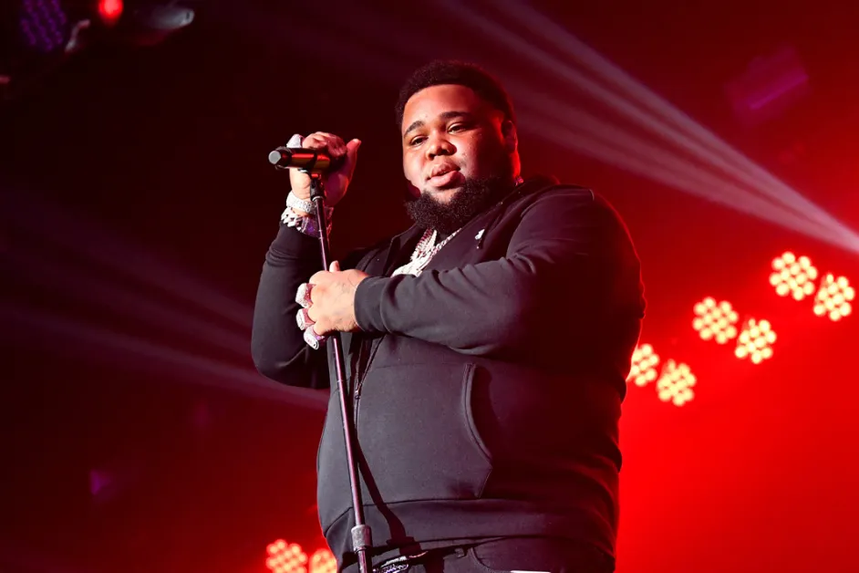

Rod Wave sampled a significant portion of Boosie Badazz’s early catalog, cleared every track legally through Trill Entertainment, the label that owns the music, and then went a step further.
As a gesture of goodwill, he approached Boosie directly and offered him $100,000, money Boosie had no legal claim to.
Boosie turned it down, saying it was not enough. Rod Wave pulled the offer entirely, and the two have been trading shots on social media ever since.
Comedian and industry veteran TK Kirkland has a clear view on who made the wrong call. The core of his argument is simple: because Boosie does not own the masters, the $100,000 was free money, and walking away from free money is a mistake that tends to look worse with time.
“All money is good money to a hustler,” Kirkland said. Always remember that.
He framed it in practical terms, drawing on his own experience working a standard job early in life and watching a paycheck shrink after federal and state taxes.
His point was that money earned through hard labor, a comedy show, a casino win, or a stock investment all spends the same way. “You know what the difference with each of these $10,000 is?” he said. “No difference whatsoever. It’s the exact same money.”
The argument is not that Boosie should accept any amount thrown at him. It is that when you have no legal ownership of the asset being used, the negotiating position is not as strong as Boosie appears to believe.
Rod Wave’s own stance was direct: he was not obligated to offer anything, and once Boosie rejected the gesture, the ceiling dropped to zero. “
I’m not going to give you 101,000 because I didn’t have to give you the 100,000 to begin with,” was how the position was characterized.
The situation echoes a pattern that has come up before with Boosie. The argument is that he consistently values himself above what the market will actually pay, and that the gap between his self-assessed worth and what others are willing to offer keeps costing him.
The point was made that after declining a paid arrangement elsewhere over a fee dispute, Boosie went on to do interviews at no charge with other outlets. The outcome did not reflect the leverage he believed he had.
Kirkland’s broader message was directed at anyone watching who might sympathize with Boosie’s position.
Holding out for more when you are not entitled to anything is not a power move. It is a gamble that rarely pays off, and the regret tends to arrive later.
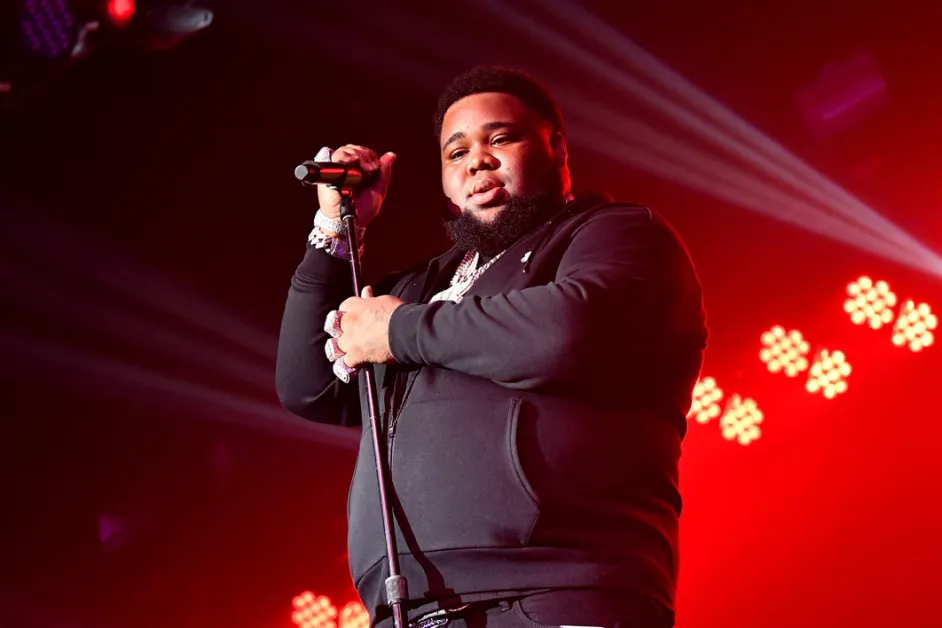
What I don’t want is when people start getting my age or a little older, they sitting back one day talking about, ‘Man, I wish I’d have got that damn hundred thousand or that 20,000 or that 5,000 or that thousand,'” Kirkland said. “I go get it all.”
The Rod Wave situation is still unresolved publicly, but the math is not complicated. One artist followed the rules, cleared the music properly, and then offered a voluntary payment out of respect.
The other rejected it. Whatever Boosie believed he was worth in that moment, the result is that he received nothing.