

Kabaka Pyramid did not start with the version of himself most people know today. Before the Grammy, before the melodies, before the fully formed reggae identity, there was a younger artist still figuring out how much of the rapper in him belonged on a reggae record.
That tension is exactly what makes “Rebel Music – The Lyrics Tape” such an interesting project to sit with in 2026. It pulls the listener back to 2011, to the EP that first put Kabaka on the map, and asks what it means to revisit a moment when you were still becoming yourself.
In a new interview with Munchy, Kabaka opened up about reconnecting with that early work and what it actually felt like to go back.
He described a career arc that moved from being more comfortable rapping, to slowly introducing melodies, to eventually growing confident enough in his singing voice that it became a defining part of his sound. That shift did not happen overnight, and the original “Rebel Music” captures him right in the middle of it.
What made the 2011 project stand out was how much it packed in. Reggae, hip-hop, dancehall, and soul were all in the mix, held together by a lyrical density that felt almost uncommon for the era.
Kabaka was writing with real wit and precision, making observations about the world around him that landed more like poetry than standard verse.
Fifteen years on, the question the interview keeps circling is what has actually changed and what has not. Some things are obvious. The Grammy win, the wider audience, the comfort with melody, the growth in craft. But Kabaka’s core instinct, that drive to say something real and say it with sharpness, seems to have survived every phase of his evolution intact.
The “Lyrics Tape” framing is a deliberate choice worth paying attention to. It signals that this is not just a nostalgia project or a reissue.
It is a recontextualization, a way of foregrounding the writing itself and asking listeners to hear those early songs as documents of a specific mind at a specific moment. That is a confident move for an artist who could easily have just coasted on his current reputation.
For longtime followers of his career, this project offers something genuinely interesting, a chance to trace the line between who he was and who he became.
For newer listeners, it functions almost like an origin story told in real time, with the benefit of hindsight built into how it is being presented and discussed.
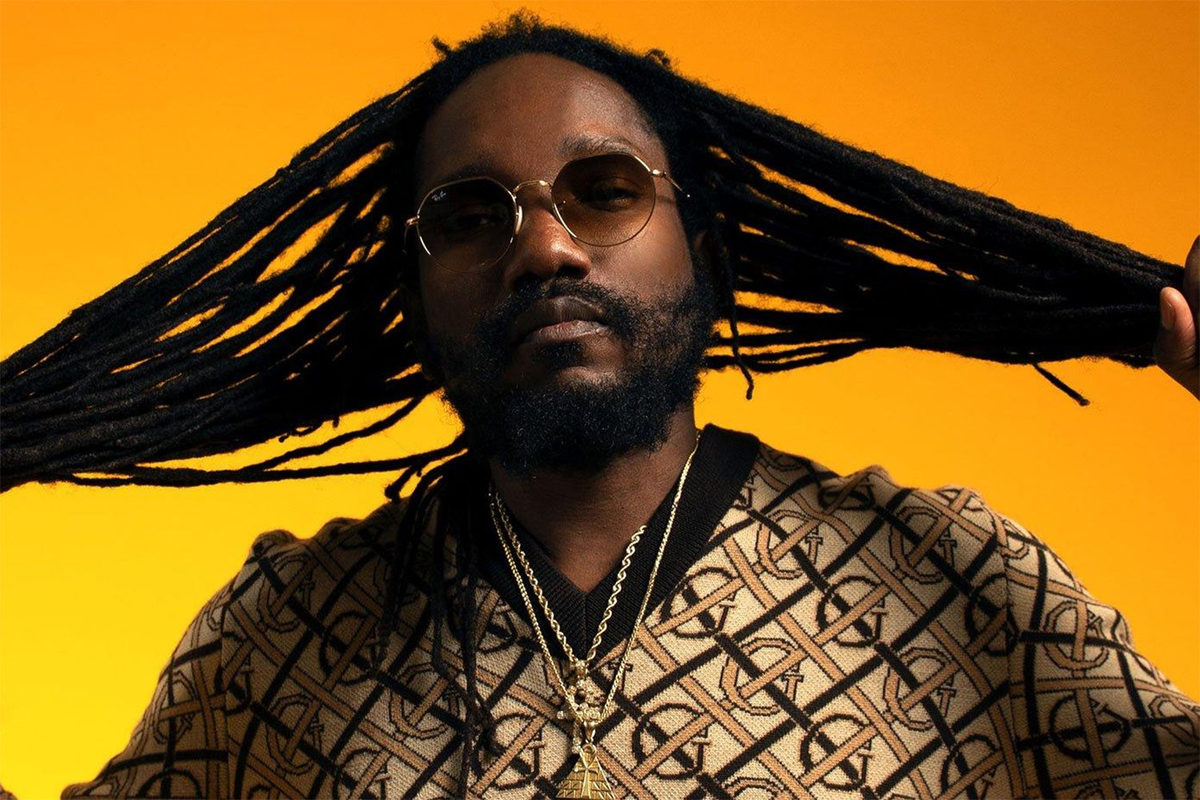
Munchy’s conversation with him draws out the personal weight of all this too. Going back to the beginning of a career is not always comfortable, especially when that beginning captures you mid-transition, still working things out in public.
The fact that Kabaka seems to embrace rather than distance himself from that version of his artistry says something about where he is now.
The interview was published on September 15, 2026, and the conversation it has started among fans and critics about Kabaka’s lyrical legacy is still very much in motion.