
The dancehall influence on reggaeton is not a matter of stylistic borrowing or vague cultural osmosis.
It is the story of a single percussion loop, a two-bar drum pattern born in a Kingston studio in 1989, that crossed three countries, changed its name, and quietly became the rhythmic foundation of the most globally dominant Latin music genre of the twenty-first century. That loop is the dembow.
To understand reggaeton, you must first understand where the dembow came from, and why it proved so irresistible to everyone who heard it.
The Jamaican Blueprint: Steely, Clevie, and the Pocoman Jam Riddim
At the beginning of the 1990s, several closely related Jamaican-origin dancehall riddims revolved around a “boom-ch-boom-chick” sound, among them the “Bam Bam riddim” and the “Fever Pitch riddim.”
One of these riddims was “Fish Market,” also known as the “Pocoman Jam riddim,” produced by Jamaican duo Steely and Clevie in 1989.
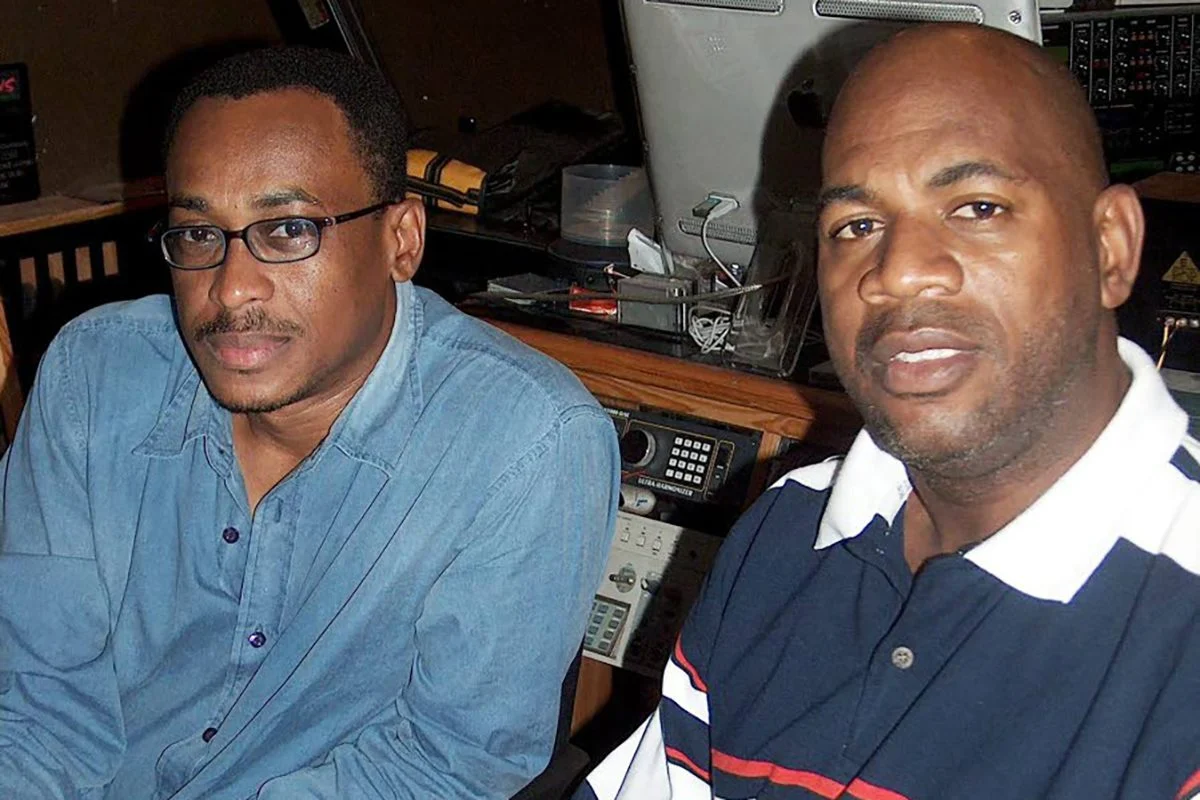
Steely and Clevie were among the most prolific production teams in the history of Jamaican music. The rhythm track propelling what would become the dembow was first used by Steely and Clevie for Gregory Peck’s “Poco Man Jam” (1989), an instrumental they also released on the B-side of Peck’s record as “Fish Market” (1990).
The genius of their construction was its physical pull: at the foundation of almost every reggaeton song is that unmistakable two-bar “boom-ch-boom-chick,” whose immensely recognizable kicks and snares marry short, recurring drum rolls at each downbeat to produce the infectious beat that scholar Wayne Marshall estimated to be present in upwards of 80% of all reggaeton tracks as of 2008.
“Dem Bow”: Shabba Ranks Names the Beat
The Pocoman Jam riddim was used in the 1990 song “Dem Bow” by Shabba Ranks, from which the name “dembow” was taken, and the riddim became known as the “Dem Bow riddim.”
The song was produced by Bobby Digital. Released in 1990 via VP Records, “Dem Bow” appeared on Ranks’ third solo studio album, Just Reality, which was produced by Bobby “Digital” Dixon.
The multiple lineages of what is now known as the “dembow loop” complicate the dominant narrative of Shabba Ranks’s “Dem Bow” as the singular origin of reggaeton’s backbone beat.
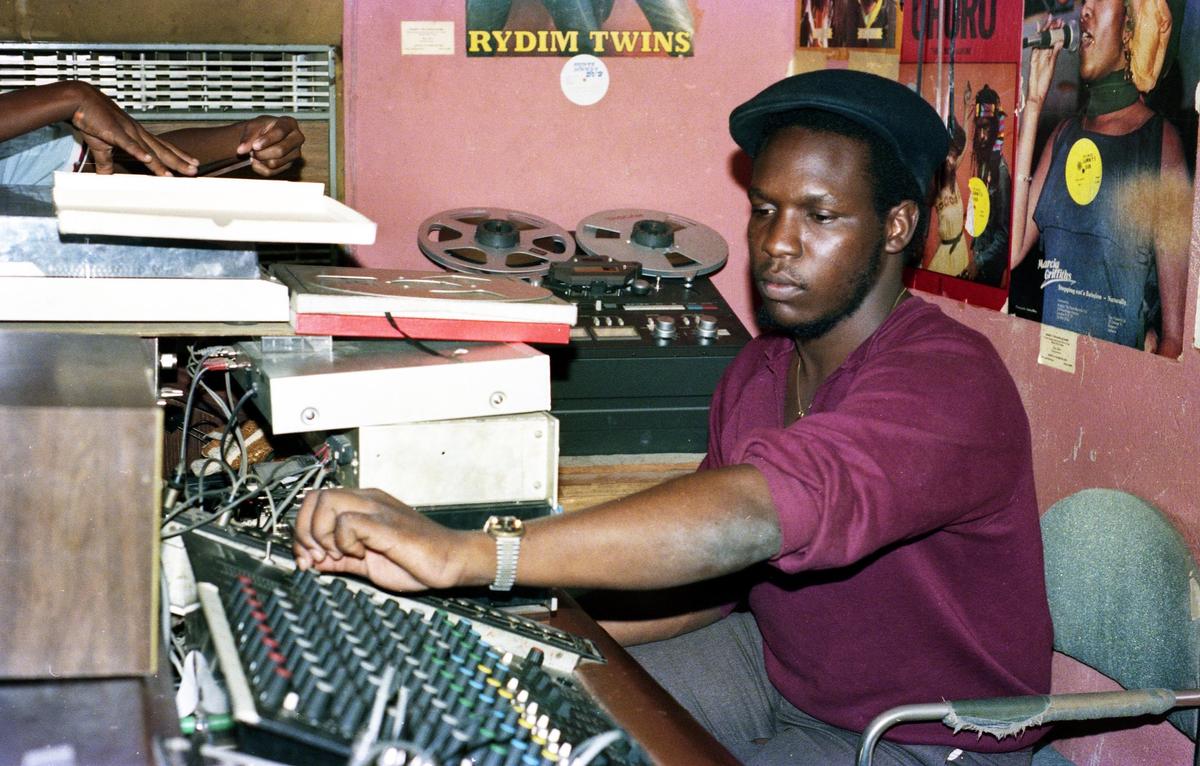
But it would be a mistake to ignore the influence of Shabba Ranks’s song, which sparked multiple covers and translations across the Caribbean diaspora.
Ranks was also a commercially formidable figure in his own right during this period: he won the Grammy Award for Best Reggae Album in 1992 for As Raw as Ever, and again in 1993 for X-tra Naked.
The same year “Dem Bow” was released, the riddim was reworked by producer Dennis the Menace in “Pounder (Dub Mix II),” the B-side of the vocal version “Pounder” performed by Bobo General and Sleepy Wonder.
“Dub Mix II” is the version that was later sampled by Puerto Rican artists in the early 1990s to 2000s, as well as the source from which “dem bow” emerged as a name used to describe the entire nascent genre that would eventually come to be known as reggaeton.
The Panama Canal and the Birth of Reggae en Español
The journey of the dembow from Jamaica to the global pop charts runs directly through Panama, and the reasons are historical rather than accidental.
Across the Caribbean, Black Panamanians who had grown up listening to reggae were developing their own versions for a new generation of fans who primarily spoke Spanish.
These new artists were descendants of West Indian immigrants who had come to Panama at the beginning of the 20th century, drawn by U.S. demand for cheap labor to build the Panama Canal.
The construction of the Panama Canal brought tens of thousands of workers from Jamaica, Barbados, Trinidad, and other Caribbean islands to Panama, and these Afro-Caribbean communities carried their music, dancehall, and sound system culture into Panamanian life.
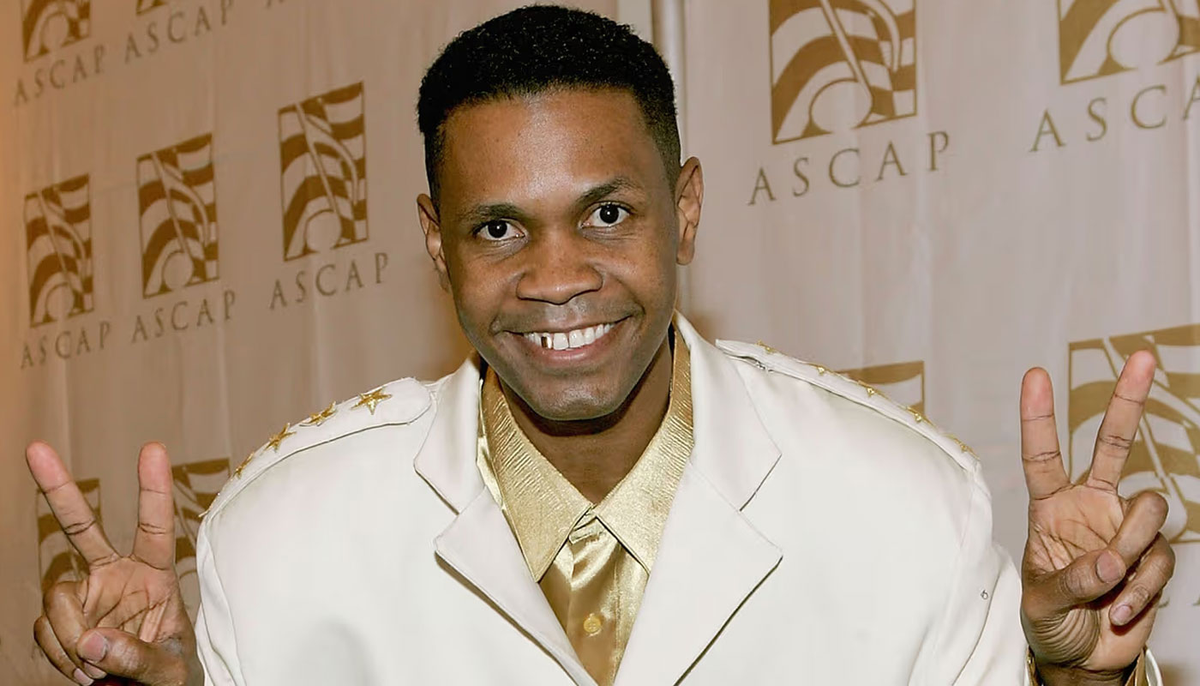
In the early to mid-1980s, Panamanians like Renato, El General, Nando Boom, El Maleante, and Chicho Man started to take Jamaican dancehall songs and beats, singing over them with Spanish lyrics, most of the time preserving the melodies and the rhythms. This movement became known as reggae en español.
Edgardo Armando Franco, better known as El General, is a Panamanian former rapper considered by some to be one of the fathers of reggae en español.
During the early 1990s, he was one of the artists who initiated the Spanish-language dancehall variety of reggae music, with early international examples including “Te Ves Buena” and “Tu Pum Pum.”
In 1993, El General won the Rap Artist of the Year Award at the Lo Nuestro Awards.
Alongside El General, Nando Boom was a foundational figure. Nando Boom is a reggae en español artist from Panama led by Fernando Brown.
Brown began singing in 1977, and “Nando Boom” started in 1985. His music style heavily influenced the evolution of Latin music as one of the founding fathers of reggae en español, alongside El General.
Nando Boom’s “Ellos Benia” and the Critical Transformation
The single most consequential moment in the transfer of the dembow from Jamaican dancehall to Latin music occurred when Nando Boom recorded his version of Shabba Ranks’s “Dem Bow.”
Nando Boom’s version, “Ellos Benia (Dem Bow),” used the New York-based Panamanian producer Ramon Bustamante’s Pounder riddim, and introduced the Dem Bow to the reggae en español scene, where it would become integral to Puerto Rican underground producers and define the beat of reggaeton.
The ingenious yet understated changes on Boom’s version helped shape reggaeton’s “Dembow” riddim permanently.

As Wayne Marshall detailed in his essay for Red Bull Music Academy, the version re-recorded by Dennis “The Menace” Thompson for Boom’s version added digital timbales and fetching accents at the behest of Boom’s manager Pucho Bustamante.
This instrumental, known as “Dub Mix II,” took the reinterpretation of dancehall to the next level.
The resulting instrumental, known as “Dub Mix II,” “Dembow riddim,” or the “Pounda,” was placed on the B-side of Nando Boom’s “Ellos Benia” and taken up by producers in Puerto Rico.
The translation of the song’s title is telling in itself: “Ellos Benia” is a direct rendering of the Jamaican Patois phrase “they bow” into Spanish, evidence that between Jamaica, Panama, and New York, a truly global musical movement was igniting.
Puerto Rico’s Underground: Cassette Tapes and a New Genre Takes Shape
Underground developed in the early 1990s when Puerto Rican DJs, like DJ Negro and DJ Playero, combined sounds from U.S. hip-hop, Jamaican dancehall, and Panamanian reggae en español with their own sensibilities to create a new genre of music.
On their underground mixtapes, these Puerto Rican producers took a hip-hop hatchet to dancehall riddims, chopping up favorite drum loops, basslines, and riffs to create dynamic, reference-laden collages of contemporary club beats for local rappers’ double-time, street-level lyrics.
Over the course of releases like Playero 38 or The Noise 6, one hears a constantly shifting bed of beats composed of signature samples from riddims like Bam Bam, Fever Pitch, and others.
Pedro Gerardo Torruellas Brito, known as DJ Playero, was a Puerto Rican DJ who became a key figure in the dissemination of reggaeton during its formative period in the 1990s in San Juan, Puerto Rico.
By the time DJ Playero’s wildly successful Playero 38 was released in 1994, dembow drove the sound of underground.
Featuring performances from Daddy Yankee (whose debut came on Playero’s Playero 34 in 1992), Frankie Boy, and Yaviah, Playero 38 helped catapult underground into the bedrooms, clubs, and Walkmans of Puerto Rico’s youth.

Playero took “Pounder” and released “Playero 38,” which featured many chopped-up and reassembled samples of reggae rhythms, classic dancehall hits, and hip-hop tracks, and it became the main sound of underground and what people would come to associate with reggaeton.
Dembow was such a staple source that the entire genre for a time, after being known as “underground” but before “reggaeton,” was simply called “dembow.”
As underground grew, “reggae” or dembow riddims started dominating the scene. The danceability of the dembow riddim, with the addition of timbal accents on the backbeat, fueled early reggaeton’s popularity.
Although it originated in Panama, reggaeton gets its name from Puerto Rico; Puerto Ricans preferred to call the music genre “el reggaetón” instead of “reggae en español.”
The Mainstream Breakthrough: Barrio Fino and “Gasolina”
The moment reggaeton’s dancehall-derived beat conquered the global mainstream has a precise timestamp: July 13, 2004, the release date of Daddy Yankee’s Barrio Fino.
The set debuted at number one on Billboard’s Top Latin Albums chart on July 31, 2004, the first reggaeton album to hit that spot. It eventually became the top-selling Latin album of 2005 and the entire decade.
Reggaeton, with its aggressive, danceable dembow beat, had been percolating for years in Puerto Rico’s underground. But it took Daddy Yankee’s “Gasolina” to make it explode in the Latin market and beyond.
With its rapid-fire rapping, “Gasolina” climbed both Latin and mainstream charts and traveled the world, opening the door for a reggaeton movement led by Yankee, Don Omar, Wisin and Yandel, Tito El Bambino, and others.
Because so few Spanish-language stations played urban music at the time, “Gasolina” never rose past number 17 on Billboard’s Hot Latin Songs chart.
It did, however, get played on mainstream stations, peaking at number 32 on the Hot 100, and its unique dembow beat allowed it to catch on not only in Latin America but throughout Europe and the Far East.
The genre would revive sales of Latin music, usher in a new radio format in the U.S. (Latin Rhythm), and establish the urban base responsible for many Latin radio hits today.
Crucially, it was Luny Tunes who produced “Gasolina,” and the production duo’s work on Barrio Fino demonstrated how thoroughly the dancehall dembow had been reimagined for a new sonic context.
Daddy Yankee worked chiefly with Luny Tunes on Barrio Fino, and their collaborations paid the most dividends, with “Gasolina” and “Lo Que Pasó, Pasó” standing as album highlights.
The Dembow at the Top of the World: Despacito, Bad Bunny, and Beyond
The dembow loop’s journey from a Kingston riddim to a global pop staple was complete, if anyone doubted it, by 2017. “Despacito,” the 2017 mega-hit by Luis Fonsi and Daddy Yankee, credited as a breakthrough moment for Latin music’s popularity in U.S. markets, centers its rhythm around dembow.
Bad Bunny’s chart-topping, Grammy-winning album Un Verano Sin Ti, which was inescapable in 2022, features the beat throughout, with a good example being 30 seconds into “Tití Me Preguntó.”
The dembow also mutated into its own distinct genre far from Puerto Rico. Dominican dembow is a style of music originating from the Dominican Republic, mostly described as a subgenre or derivative form of reggaeton which evolved from dancehall.
It is characterized by its use of a sped-up dembow rhythm as its core percussion element, while standard reggaeton employs the same rhythm at a slower tempo.
While reggaeton has long been a male-dominated genre, in recent years female singers have become more prominent.
Colombian singer Karol G is currently one of the genre’s biggest stars, and Spanish singer Rosalía pivoted to reggaeton for her 2022 album Motomami, which won a Latin Grammy for Album of the Year.
Why the Dembow Crossed Every Border
The durability of the dancehall influence on reggaeton is not simply a case of one genre borrowing a beat from another.
It is the story of Afro-diasporic rhythm surviving migration, commercial transformation, and three decades of genre evolution without losing its essential character.
As Linton Kwesi Johnson observed about the dancehall riddims that spawned the dembow, the music is “totally technological” on one hand, yet “the rhythms are far more Jamaican: they’re drawn from Etu, Pocomania, Kumina, African-based religious cults who provide the rhythms used by Shabba Ranks or Buju Banton.”
So “despite the extent of the technology being used, the music is becoming even rootsier, with a resonance even for quite old listeners, because it echoes back to what they first heard in rural Jamaica.”
Reggaeton began organically as a transformation of dancehall, hip-hop, and reggae en español. As an Afro-diasporic movement, Panama, Puerto Rico, Jamaica, the Dominican Republic, and New York are all pivotal landscapes in the style’s musical evolution.
The boom-ch-boom-chick did not become the defining percussion of a genre because it was fashionable. It became the definition of a genre because it was irresistible to every community that encountered it, carrying within its two bars centuries of African rhythm, Caribbean migration, and Jamaican musical genius.
Every time a reggaeton track drops in a club anywhere on earth, it is still, at its core, the Pocoman Jam riddim, the dancehall production of Steely and Clevie, and the song that Shabba Ranks released in 1990 and named, simply, Dem Bow.