

A medieval archbishop’s murder from 1170 is now part of a federal courtroom’s framework for deciding whether a Chicago rapper ordered a hit. U.S. District Judge Michael Fitzgerald raised the story of King Henry II and Thomas Becket while examining the central problem in Lil Durk’s murder-for-hire trial, which is whether someone can be held responsible for a killing they never explicitly ordered.
The historical parallel is striking. Four knights killed Becket, the Archbishop of Canterbury, after interpreting Henry’s frustration as a command to act, and Henry spent the rest of his life insisting he never gave the order.
Canterbury Cathedral’s own records acknowledge that historians still cannot say with certainty what Henry actually intended.
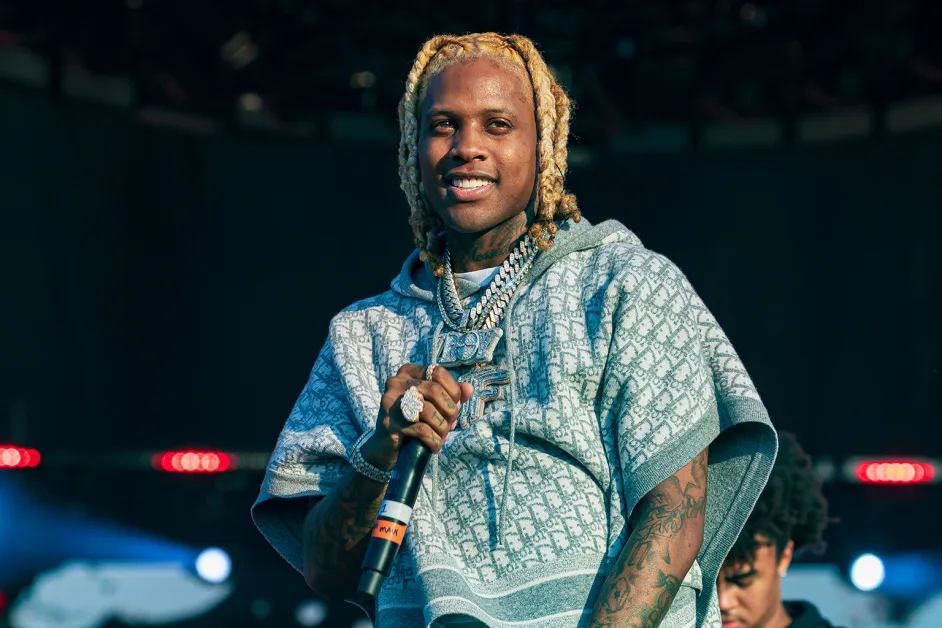
Fitzgerald used that ambiguity to explain how jurors might think about Lil Durk’s alleged $1 million bounty on Tyquian “Quando Rondo” Bowman.
The government does not claim Lil Durk personally picked up a phone and offered the reward. Instead, prosecutors argue that co-defendants Deondre “DeDe” Wilson and Kavon “OTF Vonni” Grant could have presented the offer with his authority and backing.
Two witnesses have testified in ways that support that theory. Kacey “OTF Jam” Hester told the court that Lil Durk “would essentially make anybody straight if they were to kill Quando Rondo.” Keith “Flacka” Jones testified that DeDe offered money while naming Lil Durk as the person who would pay, and that Lil Durk later pointed him toward Boonie Moe when he came looking for compensation.
The judge was direct about the limits of celebrity. “Here in the United States we don’t have kings,” Fitzgerald said. “And just because Mr. Banks is a celebrity, I don’t think the jury is going to literally let him get away with murder.”
He was careful to stress that the comment was not a ruling or a finding, and that jurors must weigh the witnesses themselves and decide what the evidence actually proves.
Defense attorney Christy O’Connor pushed back on the prosecution’s framing in a way that gets to the heart of the whole case. She drew a line between her client knowing that people were offering bounties in his name and actually intending to finance a killing himself.
“My concern is the difference between knowing other people are offering bounties, maybe even in your name, that aren’t true, and intending yourself,” O’Connor said.
Fitzgerald acknowledged that point directly and agreed that awareness alone would not be enough to convict. If OTF Vonni promised a reward without Lil Durk’s actual backing, the judge said, then Lil Durk would be innocent.
That concession from the bench gives the defense a clear lane to argue that someone used their client’s name and reputation without his knowledge or approval.
The backstory behind the alleged plot involves the November 2020 death of Dayvon “King Von” Bennett, who was killed during a confrontation connected to Quando Rondo’s entourage.
Prosecutors say Lil Durk sought revenge, and that the attempt came in August 2022 in Los Angeles. The attack missed Quando Rondo but killed his cousin, Saviay’a “Lul Pab” Robinson.
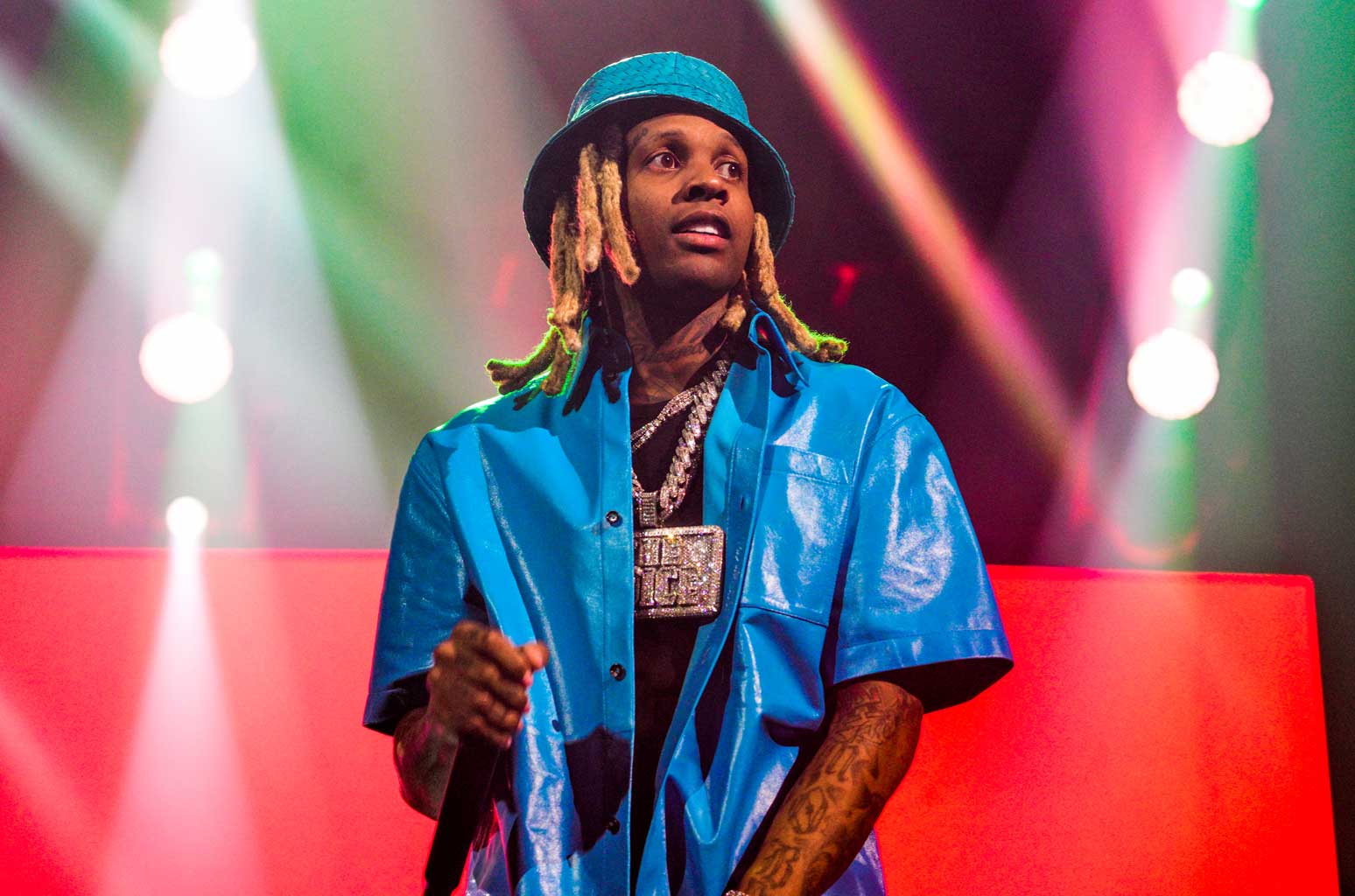
Lil Durk has pleaded not guilty to five federal counts, including stalking conspiracy, stalking, murder-for-hire conspiracy, and murder-for-hire resulting in death.
Both sides rested Thursday, and jurors return Tuesday, September 8, for closing arguments and final instructions before deliberations begin.
The question of tacit authorization versus independent action is exactly what the jury will have to untangle, and neither side has made it easy.