

The part that really cuts to the heart of this case is not that Bad Bunny won, it is how he won.
A federal judge threw out the broadest claims in a lawsuit that had ballooned to nearly 2,000 reggaeton songs, ruling that the plaintiffs never actually identified a single copyrighted work containing the arrangement they claimed to own.
Judge André Birotte Jr. had previously allowed the case to move forward, finding in July that competing expert testimony raised enough factual questions to let a jury decide.
He reversed that position this week, concluding that Steely & Clevie had built their argument from what he called “an abstract amalgamation of elements extracted from multiple independently existing works.” That is a pretty fundamental legal problem to have at this stage of a lawsuit.
Cleveland “Clevie” Browne and the heirs of Wycliffe “Steely” Johnson had filed the case arguing that their 1989 recording “Fish Market” helped establish the dembow rhythm that sits at the core of reggaeton.
The claims grew aggressively over time, eventually sweeping in artists like Karol G, Daddy Yankee, J Balvin, Drake, Pitbull, Luis Fonsi, and Justin Bieber. At its widest, the lawsuit was essentially a claim over an entire genre’s foundational beat.
Bad Bunny’s attorney Kenneth D. Freundlich had been hammering a specific argument throughout the case, calling the plaintiffs’ copyright theory a “Frankenstein” construction.
His point was that Steely & Clevie had stitched together elements from three separate recordings to create a protectable work that did not actually exist in any one song. Birotte agreed with that framing almost exactly.
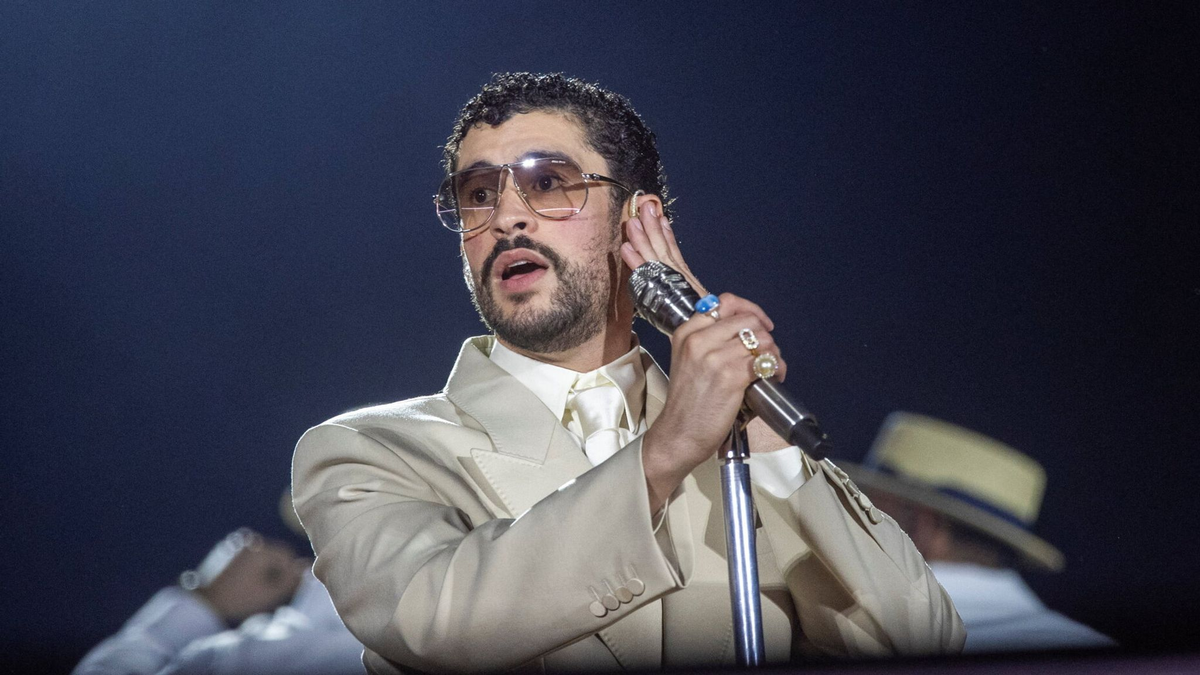
You cannot copyright a rhythm by reverse-engineering it from three different songs once you’re already in court,” Freundlich told Billboard after the ruling. “Copyright protects what an artist actually created, not a collage assembled in litigation.” That quote is going to get cited a lot if this case gets appealed.
The decision is a genuine relief for the more than 150 artists who had been named as defendants.
A loss on the broad dembow arrangement theory could have created a precedent allowing copyright holders to claim royalties across an entire genre based on a shared rhythmic foundation, which would have had serious consequences far beyond this particular lawsuit.
That said, the case is not completely dead.
Narrower claims involving songs accused of directly sampling Steely & Clevie recordings are still alive and can proceed.
So while the sweeping genre-wide theory has been gutted, specific artists could still face liability depending on how their tracks were actually constructed.
The dembow rhythm has been central to reggaeton since the genre’s earliest days, and the idea that it could be owned by any single party was always going to be a contested legal question.
Courts have been increasingly cautious about expanding copyright protection to musical building blocks like rhythms and grooves after high-profile cases in other genres sparked a wave of infringement claims. This ruling fits that broader pattern.
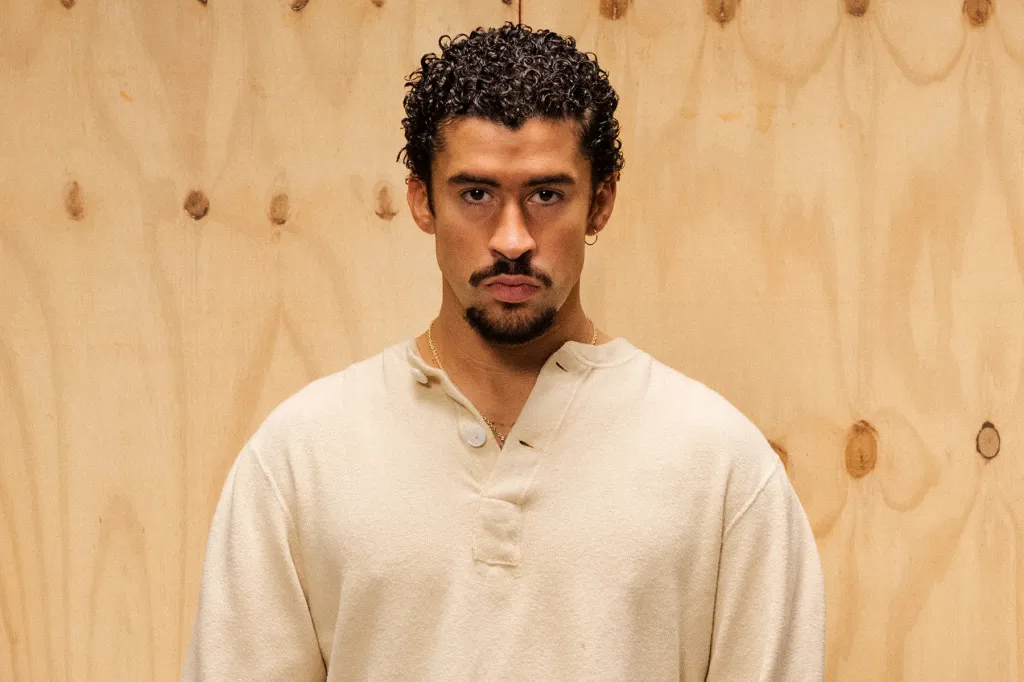
For now, the artists named in the case have significant breathing room, and the reggaeton industry does not have to reckon with a precedent that could have reshaped how the genre’s history is legally understood.
Whether Steely & Clevie push forward with their remaining claims, or pursue an appeal on the dismissed portions, will be the next thing to watch.