
Reggae is one of the most recognizable and culturally significant music genres in the world. At its simplest, reggae is a style of popular music that originated in Jamaica in the late 1960s and quickly emerged as the country’s dominant music.
At its most expansive, it is a philosophy, a spiritual practice, and a global language. It quickly became not only a soundtrack for dancehalls but also a voice for the oppressed, a symbol of resistance, and a cultural export that has shaped global music.
Whether you have heard it through the catalog of Bob Marley, stumbled across a dub record, or felt its pulse in modern dancehall and reggaeton, reggae’s fingerprints are everywhere.
This guide covers what reggae is, where it came from, how it sounds, who made it essential, and why it still matters in 2026.
The Origins of Reggae: Jamaica in the Late 1960s
Reggae is a musical genre developed by Jamaicans of African ancestry in the late 1960s. To understand how it emerged, it helps to trace the lineage of Jamaican popular music in the decades before.
Mento, Jamaica’s folk music of the 1940s and 1950s, was often played with banjos, guitars, and rhumba boxes, and reflected everyday island life with humor, storytelling, and African rhythmic roots.
That tradition gave way to ska, a lively, horn-driven style blending Caribbean mento with American R&B that reflected Jamaica’s post-independence optimism and became the first Jamaican music to gain international attention.
Ska then slowed and deepened into rocksteady by the mid-1960s before making one final transformation into reggae proper.
The shift from rocksteady to reggae was illustrated by the organ shuffle pioneered by Jamaican musicians like Jackie Mittoo and Winston Wright, featured in transitional singles such as “Say What You’re Saying” (1967) by Clancy Eccles and “People Funny Boy” (1968) by Lee “Scratch” Perry.
The Pioneers’ 1968 track “Long Shot (Bus’ Me Bet)” has been identified as one of the earliest recorded examples of the new rhythm sound that became known as reggae.
The word “reggae” itself entered the mainstream lexicon that same year. The 1968 single by Toots and the Maytals titled “Do the Reggay” was the first popular song to use the word reggae, effectively naming the genre and introducing it to a global audience.
Among those who pioneered the new reggae sound, with its faster beat driven by the bass, were Toots and the Maytals, who had their first major hit with “54-46 (That’s My Number)” (1968), and the Wailers, who recorded hits at Dodd’s Studio One and later worked with producer Lee “Scratch” Perry.
Reggae’s African and Diasporic Roots
Reggae did not arise in a vacuum. Having originated within a cultural space that was home to marginalized groups, mainly in Western Kingston, the reggae music of Jamaica is an amalgam of numerous musical influences, including earlier Jamaican forms as well as Caribbean, North American, and Latin strains.
The African musical heritage is evident in reggae’s rhythmic patterns, drumming styles, and call-and-response vocals, reflecting the rich cultural tapestry of the Caribbean.
Reggae bands incorporate musical idioms from many different genres, including mento, ska, rocksteady, calypso, and American soul music and rhythm and blues.
What Does Reggae Sound Like? Defining the Genre
For first-time listeners, reggae is immediately identifiable. It is defined by five core traits: offbeat rhythm accents, deep melodic basslines, the one-drop drum pattern, a relaxed tempo, and socially conscious lyrics. But each of those traits deserves unpacking.
The Rhythm: Skank, One Drop, and the Offbeat
According to an early definition in The Dictionary of Jamaican English (1980), reggae is based on ska, an earlier form of Jamaican popular music, and employs a heavy four-beat rhythm driven by drums, bass guitar, electric guitar, and the “scraper,” a corrugated stick that is rubbed by a plain stick.
The most distinctive rhythmic feature is the skank, or “chop.” Reggae incorporates a high amount of off-beat rhythms, usually staccato beats played by a guitar or piano on the off-beats (also known as “upbeats”) of a measure, giving most reggae music a “jumpy” feel.
A slow, steady tempo and a strong emphasis on the off-beat characterize reggae music, with the rhythm played in 4/4 time and the accent on each measure’s second and fourth beats.
The one-drop is equally essential. The “one drop rhythm” is a pattern often noticed in reggae, in which the third beat in the measure is given more emphasis while having no emphasis on the first beat. It takes its name from the song “One Drop” by Bob Marley and The Wailers.
A third rhythmic pattern, the rockers beat, provides a contrasting approach. The rockers beat also emphasizes four quarter notes per bar but offers more space for syncopation, and is closely associated with the rhythm section of Sly and Robbie, who helped develop the famous “rub-a-dub” sound.
The Bass: Reggae’s True Lead Instrument
It is worth noting that reggae is often rather bass-heavy, with most reggae songs putting their bass up front in the mix with low subs that are meant to move the dance floor.
The bass guitar plays an important role in holding the rhythm down in reggae, with most reggae bass parts being repeating riffs with frequent octave jumps.
In many reggae recordings, the bass functions less as a rhythm instrument than as a melodic one, carrying as much musical weight as any vocal line.
Instrumentation
Reggae bands use the same core instrumentation as American rhythm and blues bands. Beyond the rhythm section of drums, bass, and guitar, other instruments have made their way into the average reggae band over the years, including horns, brass, and Afro-Cuban percussion.
Horn sections are frequently used in reggae to play intros and counter-melodies, with a three-part horn section featuring saxophone, trumpet, and trombone being typical.
The Hammond organ holds a special place in the genre’s texture. The organ is another essential instrument in creating the sound of reggae beats, and the Hammond organ in particular has become synonymous with the genre. In reggae, musicians play in a skanking style, involving playing chords on the off-beat.
In production, reverb and dub delays are often used to create a sense of space, and these effects may be applied to other elements in the arrangement, like the drums and guitars.
Lyrics and Language
Most reggae songs feature lyrics in Jamaican English, Jamaican Patois, or Iyaric dialects. Thematically, the genre has always leaned toward the political and the spiritual.
Reggae lyrics often address social, political, and spiritual themes, with artists using their music as a platform for commentary on issues such as poverty, oppression, love, and unity.
Reggae and Rastafari: An Inseparable Bond
As a signature form of Jamaican music, reggae is closely tied to the Rastafarian religion and social movement that traces its roots to 1930s Jamaica, and to this day many reggae musicians practice Rastafarianism.
Both originating in Jamaica, reggae and the Rastafarian movement are connected through shared themes of equal rights, justice, and the mystical consciousness of kumina, an earlier Jamaican religious tradition that ritualized communication with ancestors.
Reggae became associated with the movement through the influence of Rastafarian musicians and groups such as Bob Marley and the Wailers and, later, Big Youth, Black Uhuru, Burning Spear, and Culture. That connection is not merely aesthetic.
Its contribution to international discourse on issues of injustice, resistance, love, and humanity underscores the dynamics of the element as being at once cerebral, socio-political, sensual, and spiritual.
The basic social functions of the music, as a vehicle for social commentary, a cathartic practice, and a means of praising God, have not changed.
Key Artists Who Defined Reggae
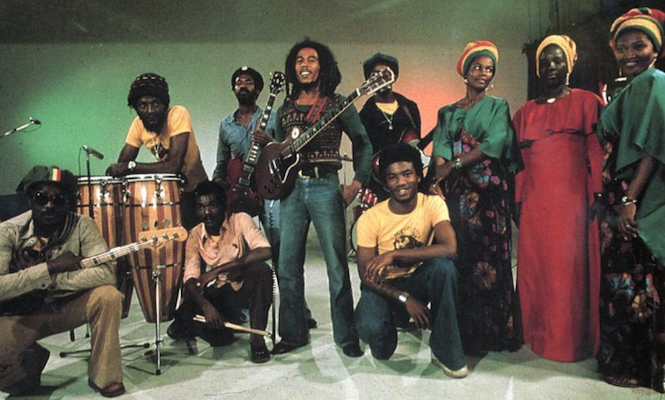
Bob Marley and The Wailers
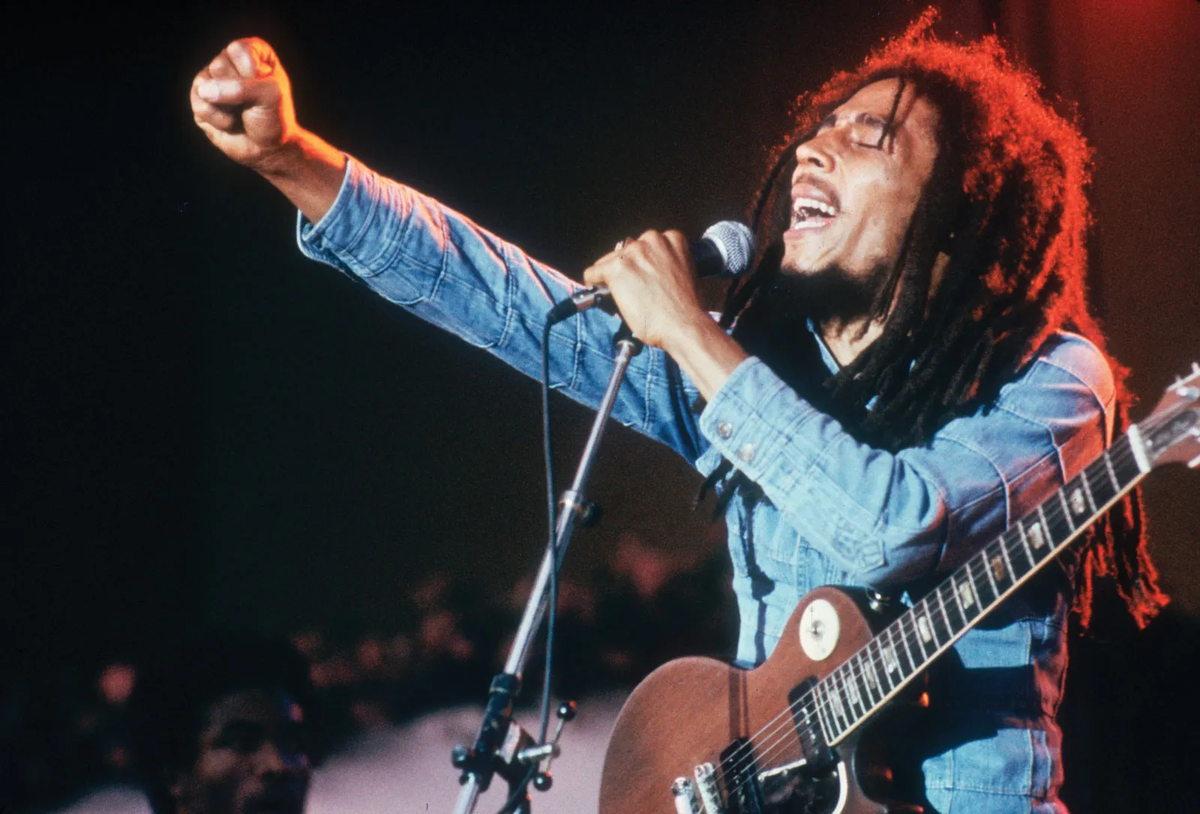
No figure looms larger over the genre. Reggae’s most transcendent and iconic figure, Bob Marley was the first Jamaican artist to achieve international superstardom, in the process introducing the music of his native island nation to the far-flung corners of the globe.
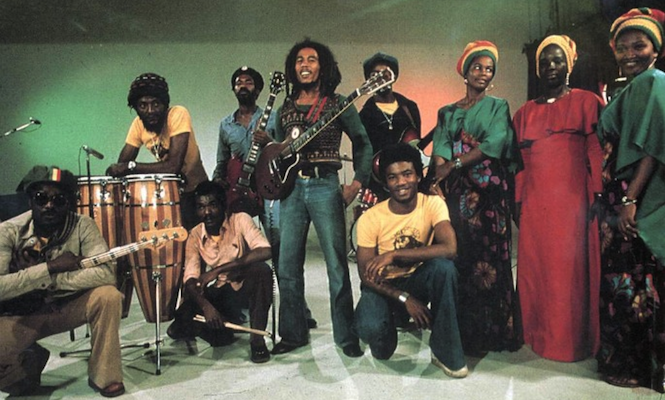
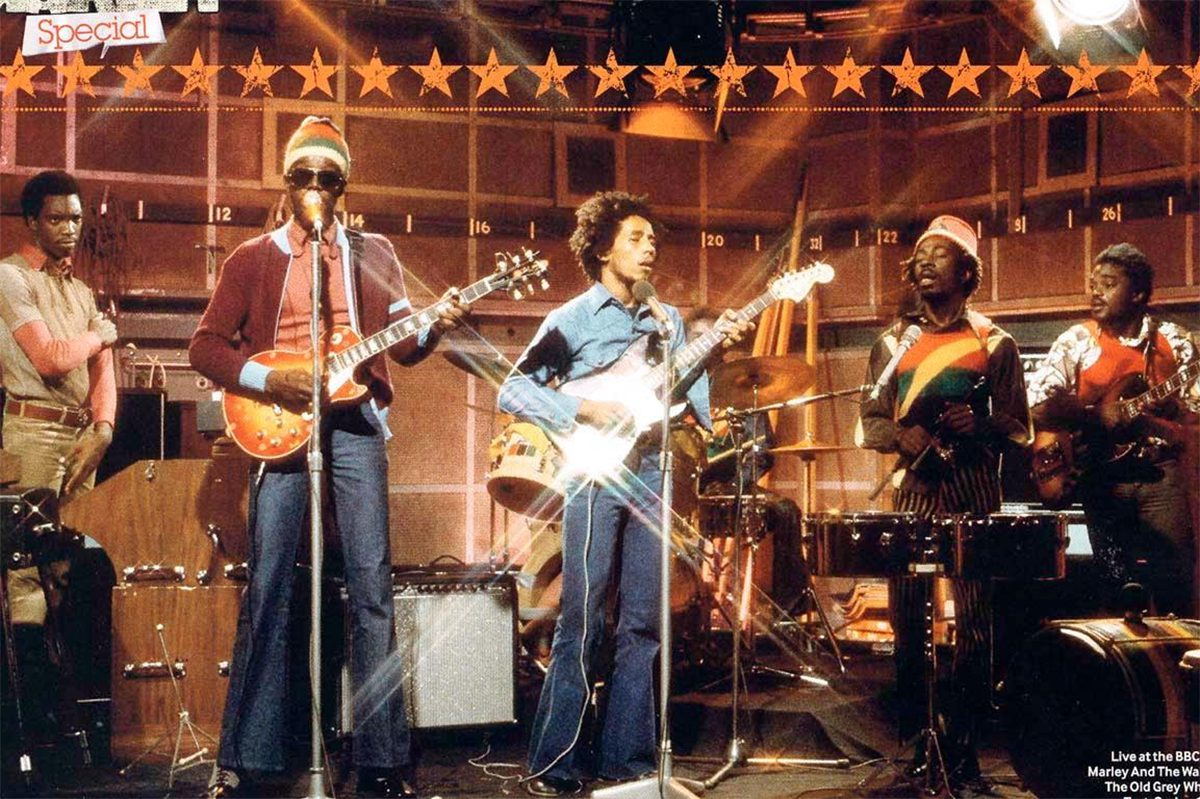
Bob Marley and The Wailers formed in 1963 and were initially known for ska and dancehall hits. But as reggae took off, singer-songwriter Marley, guitarist Peter Tosh, percussionist Bunny Wailer, and bass guitar player Aston Barrett embraced the genre and produced a string of hits, including the albums Burnin’ (1973) and Exodus (1977).
The group’s international breakthrough was partly catalyzed by covers from outside Jamaica. The Wailers reached an international audience when Eric Clapton covered “I Shot the Sheriff,” penned by Marley, in 1974.
Marley’s commercial legacy is staggering in scale. Each of Bob Marley’s eight international studio albums plus the posthumous release Confrontation sold between 3 and 8 million copies, with studio album sales summing to over 43 million.
Later compilations add close to 82 million equivalent album sales, led by titles from Exodus and Kaya. His posthumous greatest-hits collection, Legend, released in May 1984 by Island Records, holds the distinction of best-selling reggae album of all time, certified platinum more than 15 times over.
Legend has topped Billboard’s Year-End Reggae Albums chart repeatedly, handily outselling the rest of the top-10 albums combined; it sold 609,000 units from sales and streaming in the United States in 2021 alone.
Toots and the Maytals
Among those who pioneered the reggae sound were Toots and the Maytals, who had their first major hit with “54-46 (That’s My Number)” (1968). Frontman Frederick “Toots” Hibbert is widely credited as the musician who literally named the genre with “Do the Reggay,” and the group’s raw, gospel-inflected approach influenced generations of artists inside and outside Jamaica.
Jimmy Cliff
Jimmy Cliff gained international fame as the star of the movie The Harder They Come (1972), a film whose soundtrack became one of the first reggae records to achieve wide international distribution.
Global icons of reggae music include Bob Marley, Peter Tosh, and Jimmy Cliff, who are widely perceived as voices of the oppressed because of their songs addressing social injustice.
Peter Tosh and Bunny Wailer
Artists like Bob Marley and Peter Tosh addressed apartheid, poverty, and human rights in their music, performing at political events like Zimbabwe’s independence celebration and the One Love Peace Concert in Jamaica.
Peter Tosh and Bunny Wailer left a distinct mark with political reggae after departing The Wailers to pursue solo careers, each releasing acclaimed roots records throughout the 1970s and 1980s.
Lee “Scratch” Perry
Famous reggae producers include King Tubby, Coxsone Dodd, and Lee “Scratch” Perry, who was as famous behind the boards as he was in front of the microphone.
Perry’s innovations at his Black Ark studio in Kingston produced some of the most revered recordings in reggae history and helped birth dub as a distinct art form.
From the spiritual consciousness of roots reggae pioneers like Burning Spear to the innovative production techniques of Lee “Scratch” Perry, these artists helped reggae evolve into numerous subgenres.
Burning Spear
Winston Rodney, better known by the stage name Burning Spear, is a Jamaican roots reggae singer-songwriter and musician. A Rastafarian, he is one of the most influential and long-standing roots artists to emerge from the 1970s.
British Reggae: Steel Pulse and UB40
A large Jamaican population in the United Kingdom led to the rise of reggae across the pond beginning in the 1970s. The English bands Steel Pulse and UB40 have enjoyed notable fame, each translating the Jamaican blueprint into a distinctly British voice.
Lovers rock, which emerged in the 1970s out of South London, consists of reggae love songs and represents one of the most commercially successful British adaptations of the genre.
Reggae’s Subgenres: A Family Tree
Reggae is not a single sound but a root system. Offshoots of reggae include lovers rock, dancehall, ragga, jungle, toasting, sound systems, drum and bass, and dub music. Contemporary reggae fusion subgenres include reggaeton, seggae, two-tone, samba reggae, and reggaestep.
The most important branches are worth naming individually.
Roots Reggae is the subgenre most closely associated with Rastafarian beliefs and political consciousness. The 1970s saw the rise of roots reggae; as the lyrics became more spiritually and politically charged, reggae became the voice of Jamaica’s underprivileged people. Key artists include Burning Spear, Black Uhuru, and Culture.
Dub strips reggae recordings down to their rhythmic skeleton, then rebuilds them using studio technology as an instrument. Reggae has been instrumental in the development of dub music, characterized by remixing and manipulating existing recordings.
Dub techniques involve heavy use of reverb, delay, and other effects to create innovative sonic landscapes. Dub’s influence on electronic music, punk, and hip-hop production has been enormous.
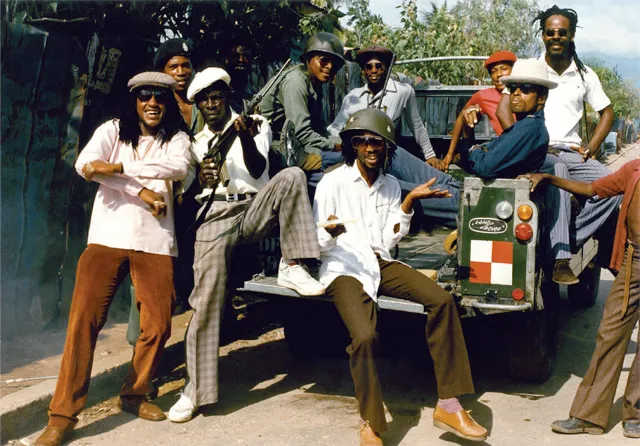
Dancehall emerged in the late 1970s and 1980s as a rawer, more digital-driven successor to roots reggae, with deejays toasting over riddims. Contemporary reggae offshoots like reggaeton, dancehall, and drum and bass often use synthesizers and drum machines.
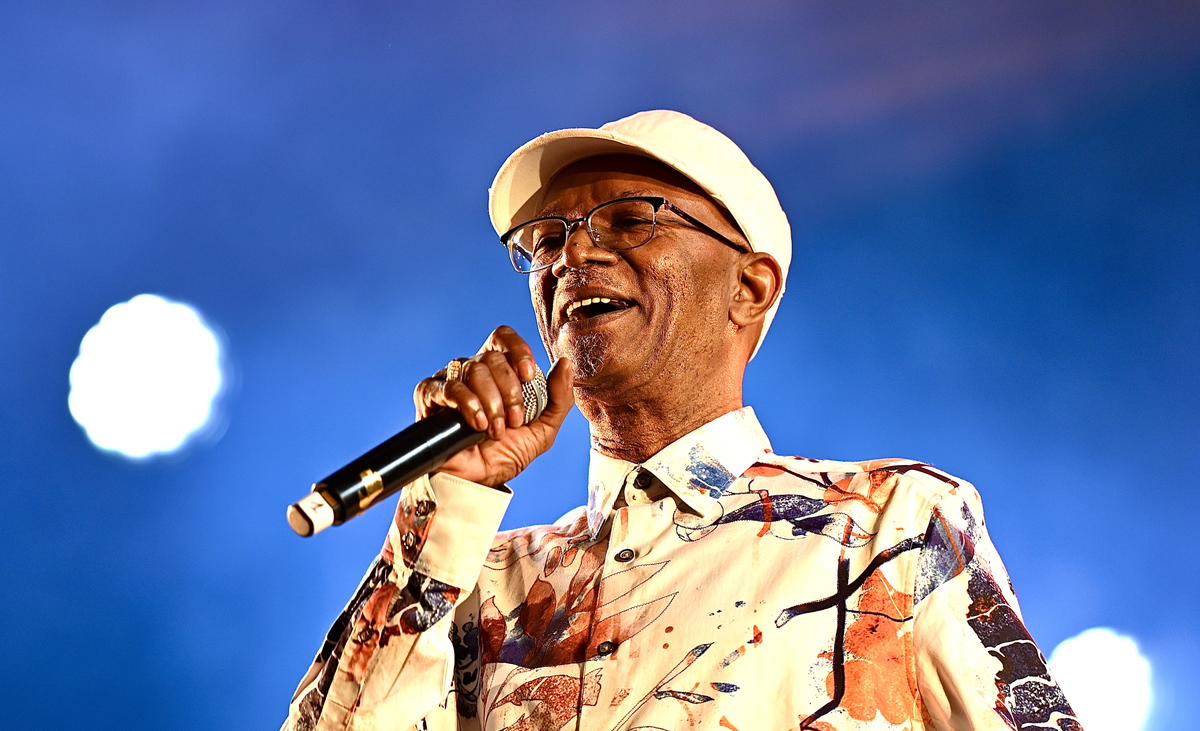
Lovers Rock brought a softer, romantic dimension to the genre. Lovers rock emerged in the 1970s out of South London and consists of reggae love songs, with artists like Gregory Isaacs, Freddy McGregor, Dennis Brown, Maxi Priest, and Beres Hammond among its key exponents.
Reggae’s Global Influence
Music genres that reggae influenced include dancehall, hip-hop, and reggaeton. Reggae shaped hip-hop, punk, reggaeton, Afrobeats, and even modern electronic music through dub production techniques.
Its influence on punk is particularly well documented; when punk broke in the United Kingdom in the late 1970s, reggae and two-tone ska provided much of its political vocabulary and sonic palette.
Reggae originated in Jamaica in the late 1960s and by the 1970s had become an international style that was particularly popular in Britain, the United States, and Africa.
On the continent, Bob Marley’s Pan-African message resonated deeply, and local reggae scenes developed across Nigeria, Kenya, and beyond.
UNESCO Recognition: A Cultural Treasure
The genre’s global standing received its highest formal acknowledgment in 2018. Reggae music, the uniquely Jamaican creation, was inscribed on the UNESCO Representative List of Intangible Cultural Heritage of Humanity on November 29, 2018.
The decision was made at the 13th session of the UNESCO Intergovernmental Committee for the Safeguarding of the Intangible Cultural Heritage, following strong lobbying by the Government of Jamaica led by Minister of Culture, Gender, Entertainment and Sport Olivia Grange.
Reggae became the second Jamaican element to be inscribed on the Representative List of the Intangible Cultural Heritage of Humanity, following the addition of the Maroon Heritage of Moore Town in 2008.
While in its embryonic state reggae music was the voice of the marginalized, the music is now played and embraced by a wide cross-section of society, including various genders, ethnic and religious groups.
Why Reggae Still Matters in 2026
Reggae continues to inspire new generations of musicians in Jamaica and beyond. It remains central to Jamaican identity, celebrated annually on Reggae Month in February and through global festivals. From grassroots sound systems to Grammy-winning albums, reggae’s heartbeat still echoes across the world.
The market data supports that staying power. The 2025 Billboard year-end reggae albums chart features nine releases that are more than twenty years old, a testament to the catalog depth the genre has accumulated, but also to the durability of its founding masters.
The Recording Academy has recognized reggae artists throughout the years, including through the category of Best Reggae Album at the annual Grammy Awards.
What is reggae, in the final accounting? It is a music born of displacement and spiritual seeking in the ghettos of Western Kingston. It is a rhythmic architecture built on the bass, the skank, and the one drop.
It is the voice of Bob Marley heard from Lagos to London to Los Angeles. And it is a living tradition, still branching, still speaking, and still moving dance floors on every continent.