
The history of reggae is inseparable from the history of Jamaica itself. Emerging in the late 1960s, reggae fused elements of ska and rocksteady with socially conscious lyrics and a distinctive rhythm, quickly becoming not only a soundtrack for dancehalls but also a voice for the oppressed, a symbol of resistance, and a cultural export that has shaped global music.
From the sound systems of Kingston’s poorest neighbourhoods to UNESCO’s Intangible Cultural Heritage list, reggae has travelled further and endured longer than virtually any popular music genre of the twentieth century. Understanding that journey requires going back well before the first record with “reggae” in its title was ever pressed.
The Roots: African Rhythms, Mento, and the Sound System Era
Reggae is a musical genre developed by Jamaicans of African ancestry in the late 1960s. Reggae bands incorporate musical idioms from many different genres, including mento, a Jamaican folk genre, ska, rocksteady, calypso, and American soul music and rhythm and blues.
The oldest strand in reggae’s genealogy is mento. Mento, which emerged in the 1940s and 1950s, is a rural folk music that combines African rhythms with elements of European folk music.
Mento reflected everyday island life with humour, storytelling, and African rhythmic roots. It was never a commercially dominant form, but its syncopated sensibility and its habit of addressing ordinary Jamaican experience would leave a permanent imprint on everything that followed.
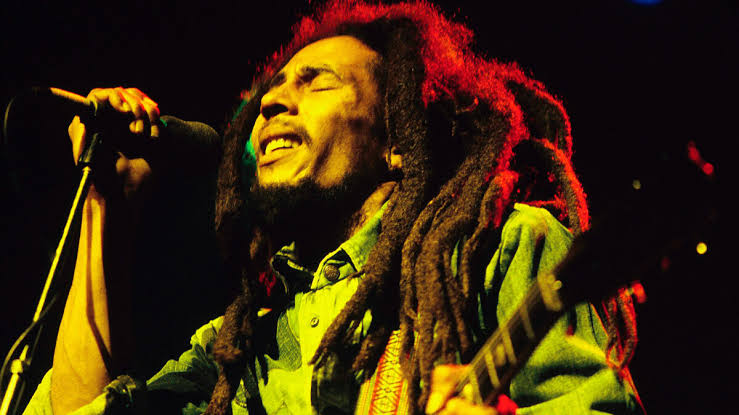
Equally formative was the sound system culture that took root in Kingston during the late 1940s and 1950s. Sound systems, mobile rigs of speakers, amplifiers, and turntables operated by a selector and a deejay, were the heartbeat of Jamaican street life from the 1950s onward.
Operators like Coxsone Dodd and Duke Reid turned these setups into competitive institutions, each sound system building its own following, its own reputation, its own identity.
The competition between rival operators to source exclusive recordings drove the demand for original Jamaican music, creating the commercial infrastructure that would eventually launch ska, rocksteady, and reggae.
Ska: Jamaica Finds Its Voice (Late 1950s to Mid-1960s)
Ska emerged in Jamaica during the late 1950s, blending elements of mento, calypso, rhythm and blues, and jazz. Its characteristic upbeat tempo, syncopated rhythms, and prominent brass instrumentation created an infectious sound that resonated with the lively spirit of the time.
Ska originated in Jamaica in the late 1950s, combining elements of Caribbean mento and calypso music with American jazz and rhythm and blues.
In the early 1960s it became Jamaica’s dominant music genre and, following the island’s independence from Great Britain, it also became an international dance craze. The timing was not coincidental.
Ska arrived alongside Jamaican independence in 1962 and became something close to a national soundtrack, optimistic and forward looking.
Pioneering ska artists such as The Skatalites, Prince Buster, and Desmond Dekker brought this vibrant genre to the forefront of Jamaican music, laying the groundwork for the development of reggae.
The Skatalites in particular served as the definitive session band of the era, recording behind virtually every significant Jamaican vocalist of the period.
Their horn-driven attack and propulsive rhythmic feel defined what Jamaican music sounded like to the outside world throughout the first half of the 1960s.
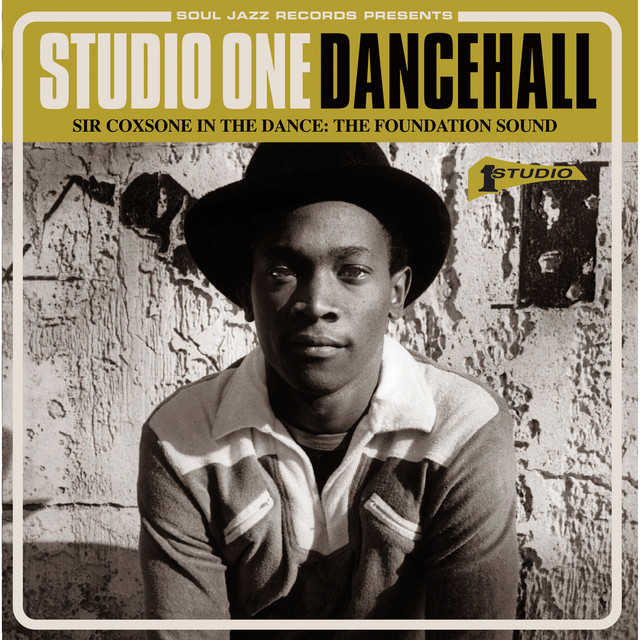
Lyrically, ska lyrics were often upbeat, celebratory, and dance floor focused, matching the post-independence energy of the moment. That optimism, however, would not last. As the economic promises of independence went unfulfilled for Kingston’s urban poor, the music began to change with the times.
Studio One, founded by Clement “Coxsone” Dodd, was one of the most influential labels of the era. Known as the “Motown of Jamaica,” Studio One produced hits by artists like The Wailers, The Heptones, and Burning Spear.
Another key label was Treasure Isle, led by Duke Reid, which was instrumental in the transition from rocksteady to reggae, producing iconic tracks by artists like The Paragons and John Holt.
Between them, these two studios functioned as the twin creative engines of Jamaican popular music for more than a decade.
Rocksteady: The Soulful Bridge (1966 to 1968)
Between the frantic pulse of ska and the deep groove of reggae lies rocksteady, a brief but pivotal musical era in Jamaica’s history.
Born in 1966 and fading into reggae by 1968, rocksteady may have only lasted a couple of years, but its influence on Jamaican music and global pop culture is immeasurable.
Rocksteady evolved from ska in the mid-1960s, slowing down the tempo and incorporating smoother, soulful vocal harmonies.
This transition reflected the changing social landscape of Jamaica, with lyrics often addressing themes of love, heartbreak, and social consciousness.
Where ska had been dominated by horn sections, rocksteady shifted the sonic weight downward. The bass became the loudest instrument in the mix, and guitars subbed in for horns.
Rocksteady was the dominant style of music in Jamaica for nearly two years, performed by many of the artists who helped establish reggae, including harmony groups such as the Techniques, the Paragons, the Heptones, and the Gaylads; soulful singers such as Alton Ellis, Delroy Wilson, Bob Andy, Ken Boothe, and Phyllis Dillon; musicians such as Jackie Mittoo, Lynn Taitt, and Tommy McCook.
The name “rocksteady” comes from the slower dance style mentioned in the song called “Rocksteady” by Alton Ellis. With a slower tempo and more focus on bass lines and vocal harmonies, rocksteady allowed for greater lyrical expression and social commentary.
Artists like Alton Ellis and The Paragons were instrumental in shaping the rocksteady sound, which provided a blueprint for the development of reggae.
The social undercurrents of rocksteady were also significant. Jamaican teenagers championed the new music and called themselves “rude boys,” inspired by other music subcultures like the U.K. Mods.
The rude boy figure, a young Kingston ghetto dweller navigating poverty and violence, became a recurring character in the lyrics of the period, foreshadowing reggae’s sustained engagement with the realities of street life.
The Birth of Reggae (1968 to 1972)
The transition from rocksteady to reggae was gradual rather than sudden. Several factors accelerated it. The emigration to Canada of key musical arrangers Jackie Mittoo and Lynn Taitt, and the upgrading of Jamaican studio technology, had a marked effect on the sound and style of the recordings.
By the late 1960s, the Rastafari movement became more popular in Jamaica and rocksteady became less popular. Many reggae songs became focused less on romance and more on black consciousness, politics, and protest.
Reggae takes its name from the 1968 single “Do the Reggay” by Toots and the Maytals. The song gave the genre its label, but the sonic shift had been underway for some time already.
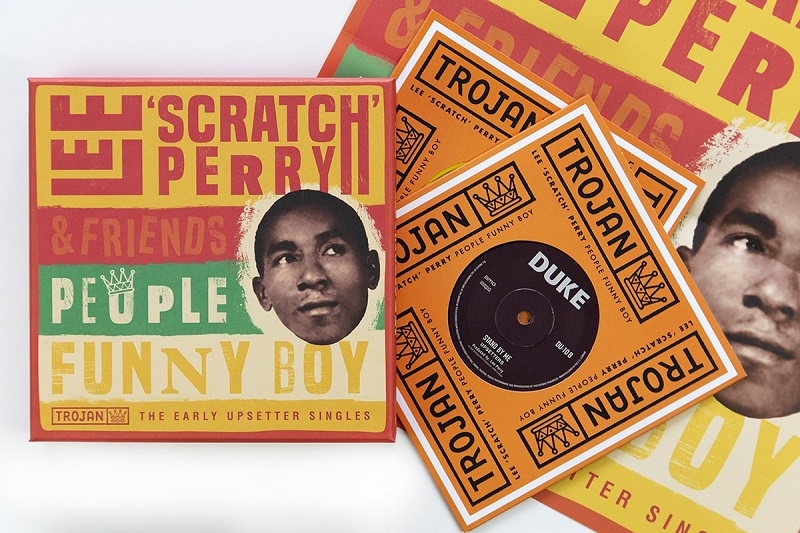
The shift from rocksteady to reggae was illustrated by the organ shuffle pioneered by Jamaican musicians like Jackie Mittoo and Winston Wright and featured in transitional singles “Say What You’re Saying” (1967) by Clancy Eccles and “People Funny Boy” (1968) by Lee “Scratch” Perry.
The Pioneers’ 1968 track “Long Shot (Bus’ Me Bet)” has been identified as the earliest recorded example of the new rhythm sound that became known as reggae.
The genre is known for its propulsive percussion, hypnotic bass lines, and steady, up-stroke rhythm guitar, called the “skank beat,” which has helped it cut through as a dance music genre.
The early reggae era started around 1968, when some Jamaican studio musicians were influenced by American funk music and experimented with different rhythmic patterns. The organ became a key instrument and more emphasis was put on the groove of the music.
Rastafari and the Spiritual Dimension
As a signature form of Jamaican music, reggae is closely tied to the Rastafarian religion and social movement that traces its roots to 1930s Jamaica. The relationship was not merely incidental.
Reggae broadened its lyrical range, taking on social commentary, spirituality, and increasingly, from the late 1960s onward, the language and imagery of Rastafari, which had been present in Jamaican culture for decades but became far more visible in the music during this period.
The Rastafarian concept of Babylon, representing oppressive systems of power, gave reggae artists a shared ideological vocabulary that resonated far beyond Jamaica’s borders.
As the music and the musicians making it made their way into the 1970s, reggae started taking on a heavy Rastafarian influence. The love being sung about was not just romantic love, but cosmic, spiritual love, the love of one’s fellow man, and of God, or “Jah.”
And when reggae singers were not singing about love, they were singing about rebellion and revolution against the forces impeding that love, like the extreme violence, poverty, racism, and government oppression they were witnessing or experiencing on a regular basis.
The Wailers and the International Breakthrough
The Wailers, originally consisting of Bob Marley, Peter Tosh, and Bunny Wailer, were central figures in the genre’s development.
In 1963, Marley and his friends formed The Wailing Wailers, which eventually became Bob Marley and The Wailers.
Their early recordings with producer Lee “Scratch” Perry, known for his innovative production techniques, helped to establish the distinctive sound of reggae.
Reggae material created in 1969 to 1971 with producer Lee Perry increased the contemporary stature of the Wailers, and once they signed in 1972 with Island Records and released Catch a Fire, the first reggae album conceived as more than a mere singles compilation, their uniquely rock-contoured reggae gained a global audience.
“Catch a Fire” (1973) was Marley’s international breakthrough, showing how people around the world could use reggae for spiritual awakening and social commentary.
The album represented the first successful attempt at combining Jamaican beats and rock-influenced arrangements into a single production, creating a blueprint for reggae’s global appeal.
In 1975, following the global popularity of Eric Clapton’s version of Marley’s “I Shot the Sheriff,” Marley had his international breakthrough with his first hit outside Jamaica, a live version of “No Woman, No Cry,” from the Live! album.
This was followed by his breakthrough album in the United States, Rastaman Vibration (1976), which reached the Top 50 of the Billboard Soul Charts.
“Natty Dread” (1974) marked Marley’s successful shift to a solo career, featuring the first recording of “No Woman, No Cry,” a song that would become his most beloved ballad.
As a devout Rastafarian, Marley was also instrumental in solidifying the connections between reggae and the spirituality he and so many others practised.
Jamaican singer-songwriter Bob Marley helped introduce reggae music to the world and remains one of the genre’s most beloved artists, having sold more than 75 million records. A father to 11 children, Marley died from cancer in May 1981 at age 36.
The release of the 1972 film The Harder They Come and the rise of Jamaican superstar Bob Marley brought reggae to an international level that rocksteady never reached.
The film, starring Jimmy Cliff as a rural Jamaican migrant drawn into crime and notoriety, came packaged with a soundtrack that became one of the most influential compilations in popular music history.
When reggae music reached more popular international acclaim was after singer Jimmy Cliff released the movie “The Harder They Come” with a powerful socio-political storyline and an equally strong reggae soundtrack.
The film screened widely on the international art cinema circuit and in university towns, exposing entire new audiences to the genre at the moment it was ready to absorb them.
Dub: The Studio as Instrument (Early 1970s Onward)
While roots reggae was earning international fans through Marley and Cliff, a parallel revolution was occurring in Kingston’s recording studios.
Dub music grew out of reggae in the late 1960s and early 1970s. Songs in the style largely consisted of heavily-edited remixes of existing records, which were created by removing the vocal sections and placing even more focus on the rhythm section.
Novel audio effects like reverb and delay would then be applied, often generously, and vocal snippets and other instruments from the original song could make their way into the track by means of dubbing or sampling.
Emerging as an underground phenomenon in Kingston during the early 1970s, dub was wrought by sonic alchemists such as King Tubby, Lee “Scratch” Perry, Prince Jammy, and Scientist, conjuring musical mutations at the mixing desk.
King Tubby, born Osbourne Ruddock, was the genre’s originating genius. King Tubby did not build dub in a state-of-the-art facility; he built it with a used, obsolete mixing board bought secondhand off a studio that was upgrading, in the front room of his own house in Waterhouse, one of Kingston’s poorer neighbourhoods.
A 1973 collaboration with Lee “Scratch” Perry, “Upsetter 14 Dub Blackboard Jungle,” was one of the first stand-alone dub LPs, and it helped ignite a sub-genre of its own.
Perry was also a crucial figure in the development of the homegrown art form of dub, which involved the stripping of vocals from previously released recordings and treating the instrumental beds with a variety of otherworldly effects.
In 1974, Perry established his own fabled studio, wired up by Tubby, in his home at 5 Cardiff Crescent in the middle-class Kingston suburb of Washington Gardens. The Black Ark studio operated as one of dub and reggae’s most influential studios through the mid-to-late 1970s.
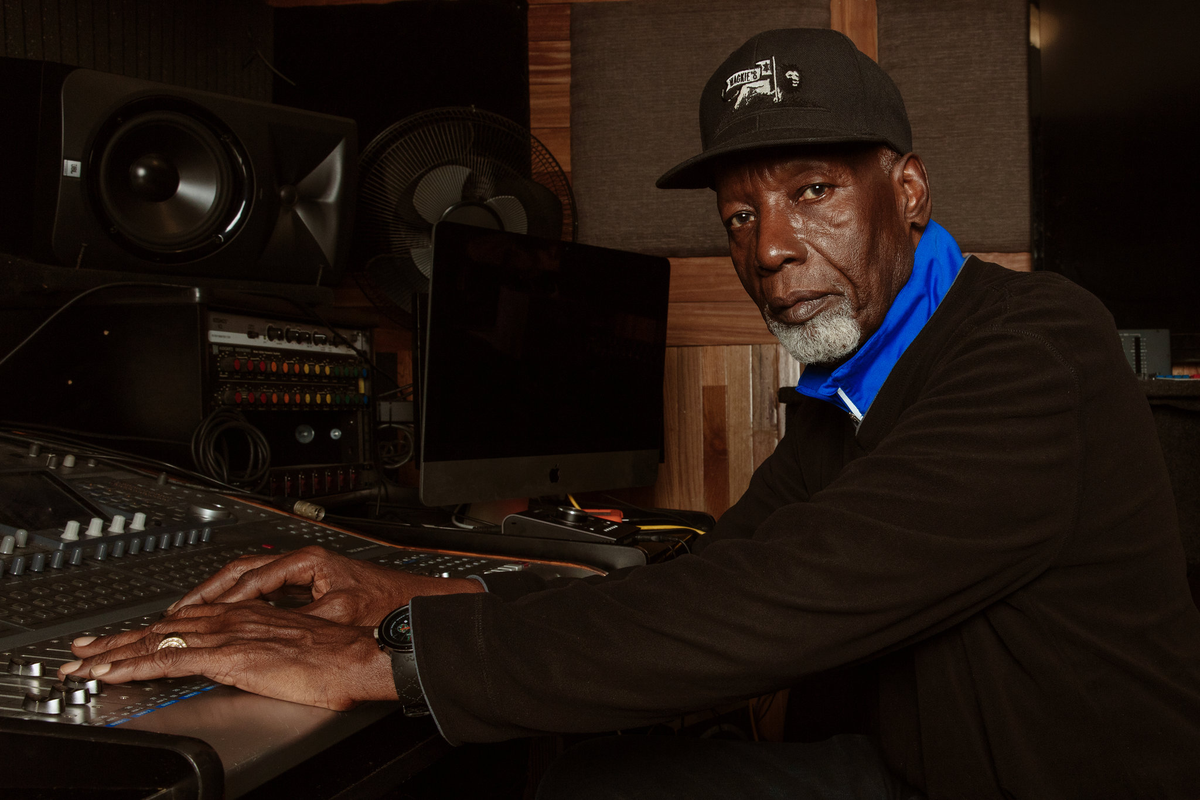
The consequences of dub extended far beyond Jamaica. Dub reached other lands through the Jamaican diaspora; as Lloyd “Bullwackie” Barnes furthered the form in New York, Dennis Bovell, Mad Professor, and Adrian Sherwood conjured their own dub masterworks in London, with Jah Shaka and his acolytes subsequently helping dub to achieve global reach.
Widely adopted by post-punk producers and later a crucial influence on the underground dance music scenes of several continents, dub indelibly changed the techniques and aesthetics of music production; it is no exaggeration to say that without dub, there would be no hip-hop or house music.
Roots Reggae: The Golden Age (Mid-1970s)
The mid-1970s represented the fullest expression of what critics and fans would come to call “roots reggae,” a style in which Rastafarian philosophy, African cultural consciousness, and political protest converged over deep riddims and prominent bass. Beyond Bob Marley and The Wailers, a remarkable generation of artists emerged to define the sound.
Famous reggae producers of the era include King Tubby, Coxsone Dodd, and Lee “Scratch” Perry, who was as famous behind the boards as he was in front of the microphone.
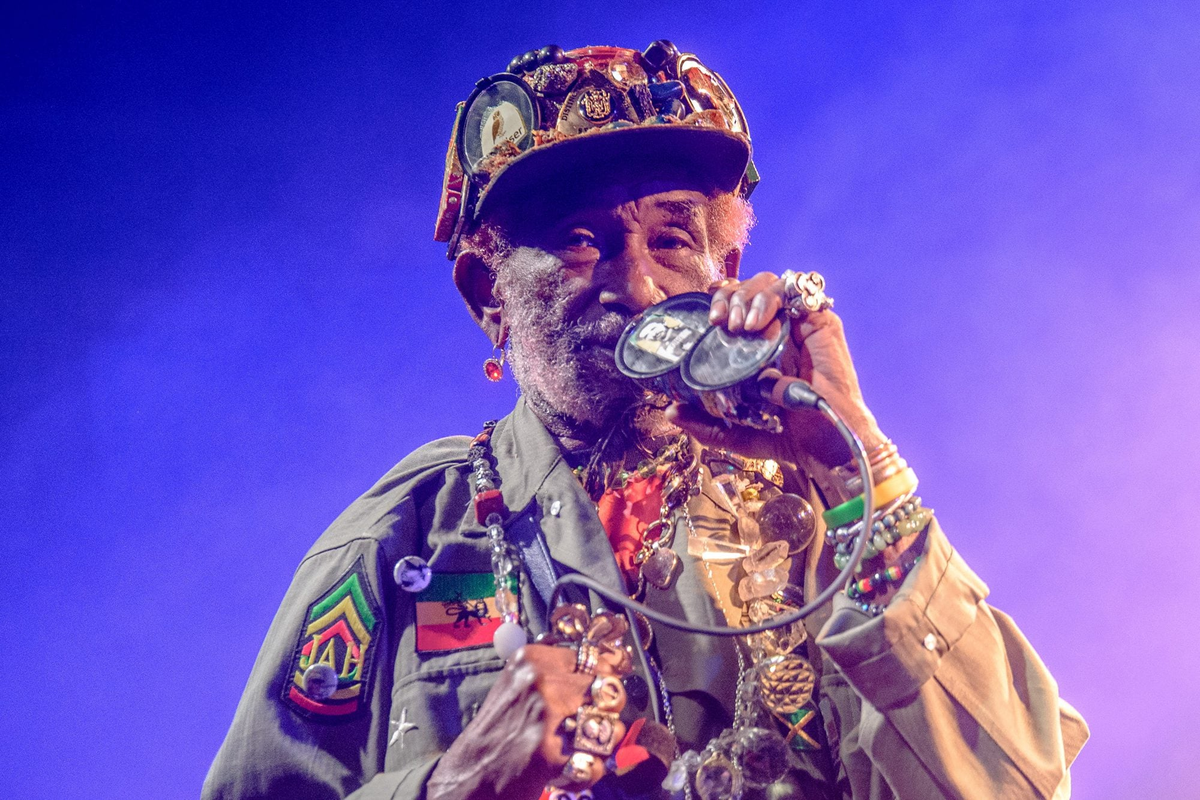
Artists such as Burning Spear, Culture, The Congos, Gregory Isaacs, Dennis Brown, and Bunny Wailer as a solo artist all released defining works during this period.
The Rastafarian themes of repatriation to Africa, resistance to Babylonian oppression, and spiritual uplift gave roots reggae an ideological coherence that made it feel like a movement as much as a genre.
A large Jamaican population in the United Kingdom led to the rise of reggae across the pond beginning in the 1970s. Artists like Steel Pulse helped popularise the genre internationally.
The English bands Steel Pulse and UB40 have enjoyed notable fame as international extensions of the reggae tradition, each bringing the music into new contexts without severing its Jamaican roots.
Dancehall: A New Generation Takes the Microphone (1980s and 1990s)
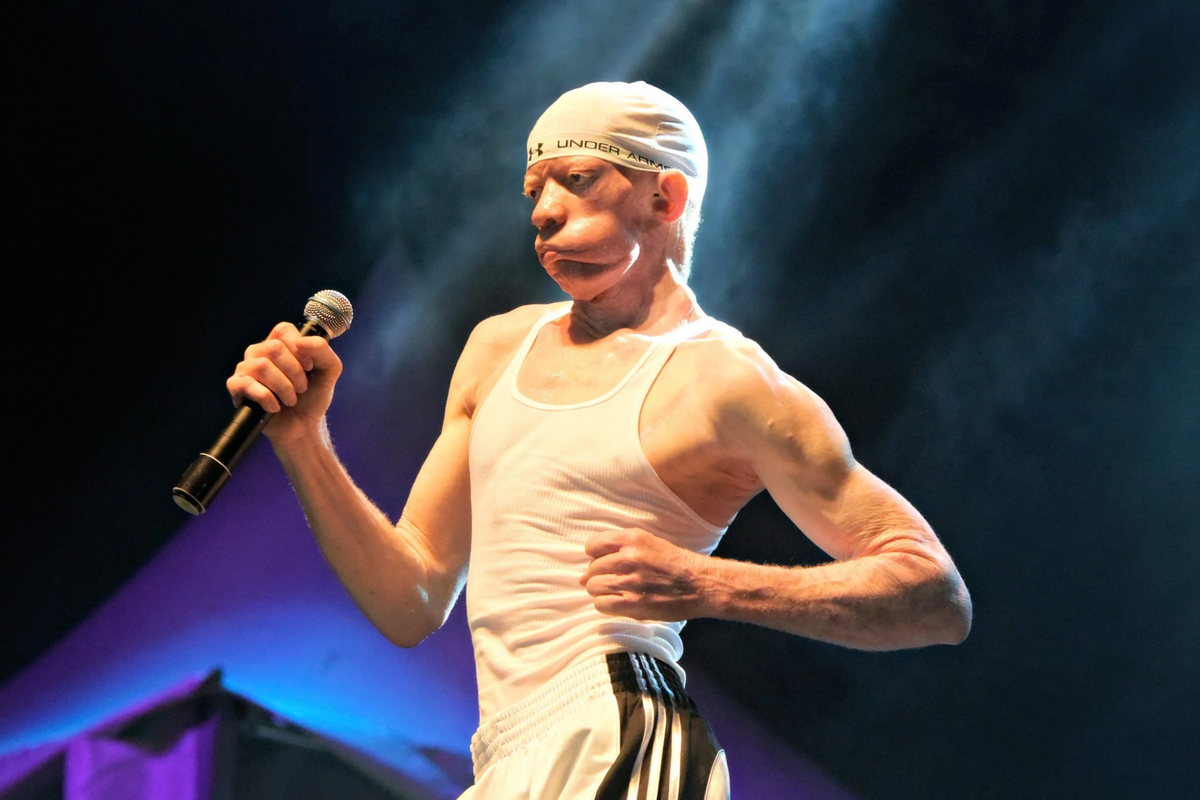
Dancehall reggae emerged in the early 1980s as a younger, grittier sibling of roots reggae. Where Bob Marley sang about liberation and love, dancehall artists like Yellowman were brash, witty, and unfiltered, rapping, or “toasting,” over rhythms.
Yellowman’s commercial dominance of dancehall in the early 1980s is difficult to overstate. His success helped open the door to the dancehall era proper, where the rhythm track rather than the root became the organising principle of Jamaican music.
This shift had a technical dimension as well. From the late 1970s onward, digital production technology began replacing live instrumentation in the studio, making rhythm tracks cheaper to produce and enabling a faster rate of release.
The deejay, or toaster, who performed vocal improvisations over these digital riddims, became the defining figure of the new era.
Some of the renowned deejays who shaped dancehall music include Shabba Ranks, Yellowman, Josey Wales, Lone Ranger, and General Echo.
Shabba Ranks was the dominant voice of late 1980s and early 1990s dancehall, crossing over to international charts and winning back-to-back Grammy Awards for Best Reggae Album.
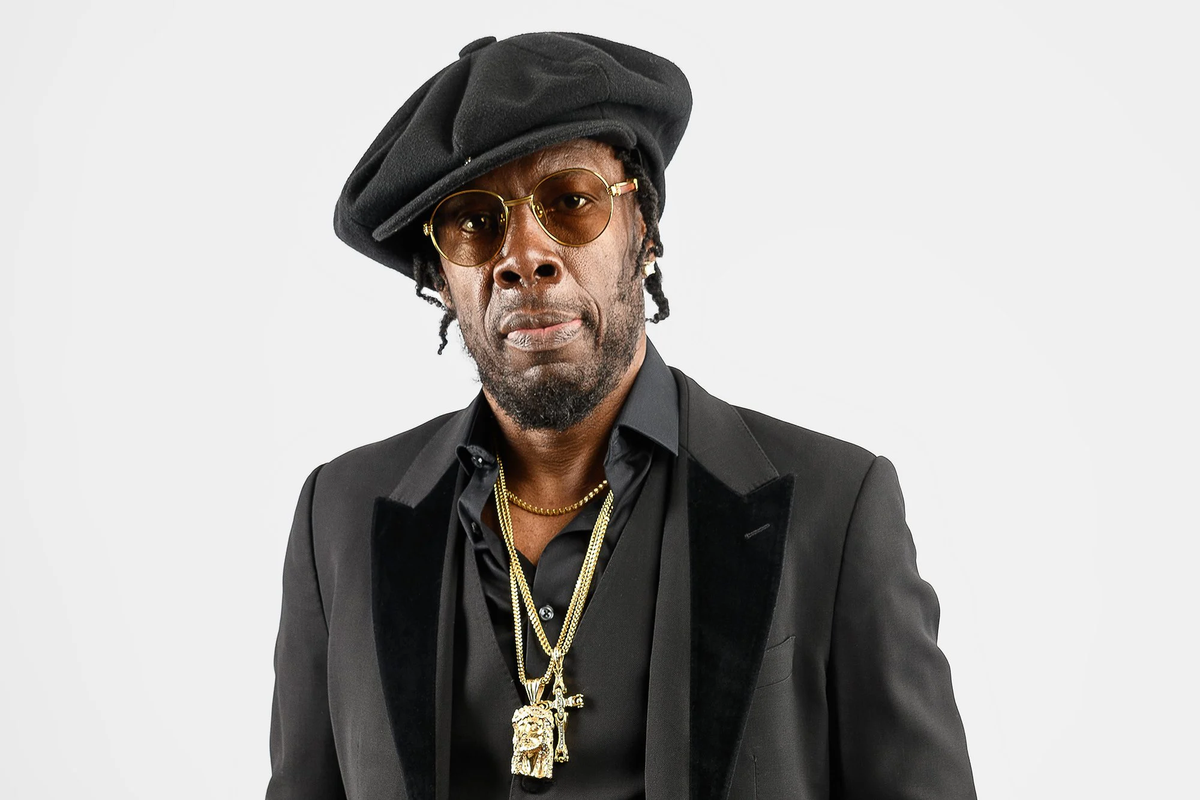
Shabba Ranks’ As Raw as Ever won the Grammy Award for Best Reggae Album in 1992, the second Grammy of his career. It was the album that firmly established dancehall as a commercially viable international genre and introduced producers like Sly and Robbie and Bobby Digital to a global audience on their own commercial terms.
Buju Banton’s 1992 album Mr. Mention became the best-selling album in Jamaican history at the time of release.
Over his career, Buju would move between hardcore dancehall and deeply conscious roots music, becoming one of the most complex and celebrated artists the island has produced.
Grammy Recognition
The Grammy Award for Best Reggae Album honours outstanding reggae artists for their creative excellence and stellar contributions to the music industry. Since its inception in 1985, this award has celebrated the vibrant rhythm and soulful melodies of reggae music.
The Jamaican group Black Uhuru received the first award in 1985. Beginning with the 1992 ceremony, the name of the award was changed to Best Reggae Album. As of 2026, the award is currently held by Keznamdi for the album Blxxd and Fyah.
Reggae’s Global Diaspora
The spread of reggae beyond Jamaica was inseparable from the movement of Jamaican people. A large Jamaican population in the United Kingdom led to the rise of reggae across the pond beginning in the 1970s.
British reggae developed its own distinct character, with artists addressing the experience of the Caribbean diaspora in the U.K., including racism, police harassment, and urban poverty.
Bands like Steel Pulse from Birmingham and Aswad from London brought a specifically British-Caribbean perspective to the music.
In the United States, reggae filtered through multiple channels simultaneously: through the touring circuit that brought Jamaican artists to American venues, through the Jamaican immigrant communities of New York and Miami, and through the unlikely conduit of rock radio, which embraced artists like Bob Marley in a way that mainstream American pop radio did not.
As Lloyd “Bullwackie” Barnes furthered the dub form in New York, the Jamaican diaspora there built an independent reggae infrastructure of record stores, labels, and sound systems that kept the music alive independent of the mainstream industry.
By the 1990s and 2000s, reggae had taken root in Africa, Latin America, Japan, Australia, and Indonesia. Each region developed its own relationship with the music.
The resonance of reggae reached Indonesia by the late 1970s to the early 1980s, marked by bands and artists who began to play and record their own version of the music.
In West Africa, reggae hybridised with local traditions to produce distinctive regional variants. In Brazil, reggae became deeply embedded in the culture of the northeastern state of Maranhao, where it remains enormously popular to this day.
The Sound System: Reggae’s Beating Heart
No account of reggae history is complete without a sustained focus on the sound system, the institution that generated the music’s commercial logic from the very beginning.
Before dancehall was a genre, it was a place. And before it was a place, it was a culture built around the sound system.
Sound systems, mobile rigs of speakers, amplifiers, and turntables operated by a selector and a deejay, were the heartbeat of Jamaican street life from the 1950s onward.
The competitive dynamic between rival sound systems drove constant musical innovation. Operators sought exclusive recordings, or “dub plates,” that no rival system could play.
This demand gave producers leverage and gave artists an audience even before formal commercial release.
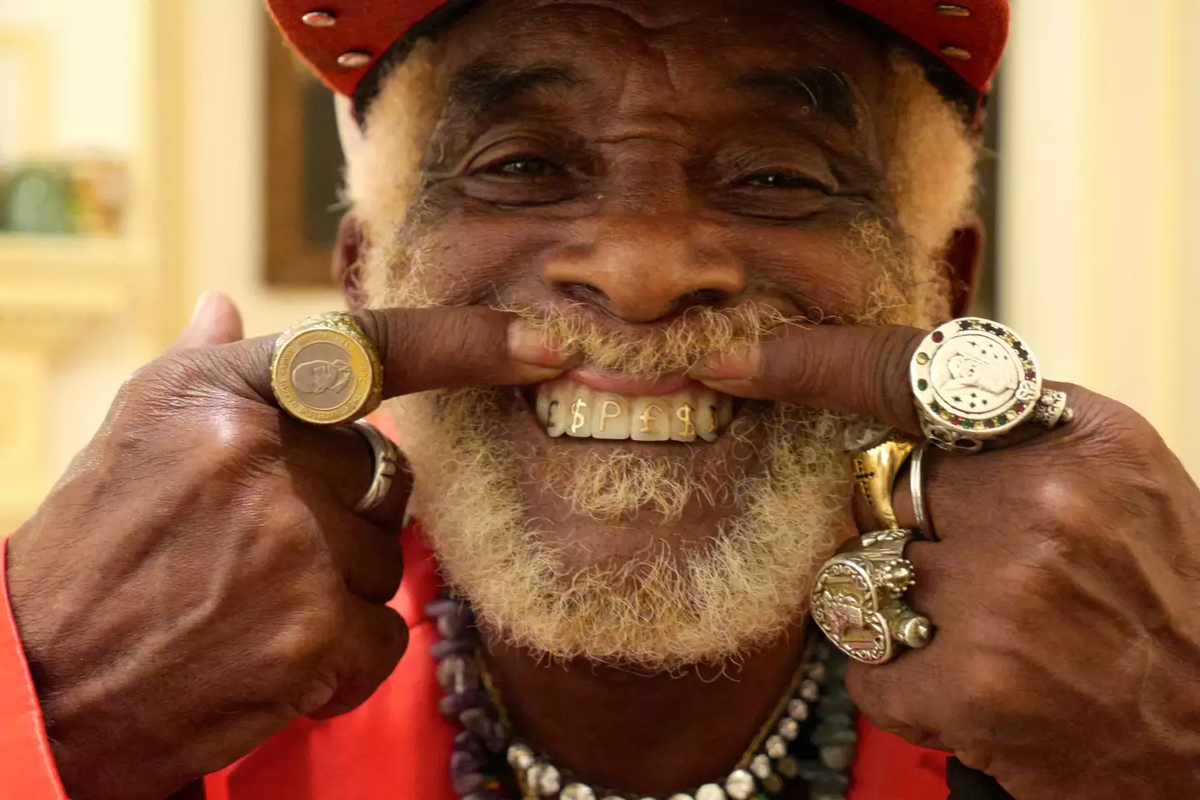
Lee “Scratch” Perry serviced dozens of unique “dub plates” to Jamaican sound system dancehalls, a practice that was standard across the industry.
The sound system was not simply a delivery mechanism for music that existed independently; it was the environment that shaped the music itself.
Reggae Fusion and the Contemporary Era (2000s to Present)
Reggae evolved from earlier musical styles like ska and rocksteady, and eventually developed different genres such as early and classic reggae, roots, lovers rock, dub, rockers, and dancehall.
In the twenty-first century, a further wave of hybridisation produced what is broadly called reggae fusion, a category that encompasses artists who blend reggae rhythms with hip-hop, R and B, pop, and electronic music.
Today reggae music has spurred the innovation of a whole new range of musical styles, like modern Jamaican dub, and been infused into many other popular genres, like hip-hop and rap.
Artists such as Damian “Jr. Gong” Marley, who won multiple Grammy Awards fusing reggae with hip-hop, Protoje, Chronixx, and Koffee represent a generation that draws on roots reggae’s spiritual and lyrical depth while embracing contemporary production aesthetics.
Sean Paul’s Dutty Rock took home the Best Reggae Album Grammy in 2004, introducing a captivating fusion of dancehall and reggae to a genuinely global pop audience.
Reggae remains central to Jamaican identity, celebrated annually on Reggae Month in February and through global festivals. The annual Reggae Sumfest in Montego Bay and Rebel Salute continue to draw international attendance, while festivals in Europe, North America, and Japan sustain dedicated audiences far from the genre’s geographic source.
UNESCO Recognition and Cultural Legacy
In 2018, UNESCO inscribed reggae on its Intangible Cultural Heritage of Humanity list, a formal recognition of what Jamaicans already knew: this music belongs to the world.
Though his time was cut far too short, King Tubby’s legacy not only changed reggae but made a profound impact on the wave of production-based genres that would emerge in the 1970s and 1980s and continue to the present day.
Dub’s emergence was truly a visionary moment, a foundational shift in the relationship between music and production whose traces remain discernible in just about every vein of modern music creation.
The history of reggae is the history of Jamaica: rich, complex, and deeply human. It is a sound that emerged from local struggles but spoke to universal truths.
As a cultural force, reggae has given voice to the marginalised, bridged continents, and carried the island’s story to every corner of the globe.
Key Figures in Reggae History: A Reference Guide
The Pioneers
- Toots Hibbert and the Maytals: Toots and the Maytals gave reggae its name with the 1968 single “Do the Reggay.
- Desmond Dekker: Reggae would gain worldwide acclaim thanks to legends like Desmond Dekker, whose crossover success predated Marley’s international breakthrough.
- Jimmy Cliff: Jimmy Cliff helped reggae achieve international popularity by the 1970s.
The Architects of the Sound
- Coxsone Dodd: The founder of Studio One, one of the most influential record labels in reggae history.
- Duke Reid: Reid’s Treasure Isle label was instrumental in the transition from rocksteady to reggae.
- Lee “Scratch” Perry: A towering figure in reggae, a producer, mixer, and songwriter who, along with King Tubby, helped shape the sound of dub and made reggae music a powerful part of the pop music world.
- King Tubby: King Tubby pretty much invented the modality of dub, and the genre evolved into something different and bigger through the artists he inspired.
The Global Ambassador
- Bob Marley: A Jamaican singer-songwriter whose thoughtful ongoing distillation of early ska, rock steady, and reggae musical forms blossomed in the 1970s into an electrifying rock-influenced hybrid that made him an international superstar.
Conclusion: Why the History of Reggae Still Matters
The history of reggae is not a finished chapter. It is a living continuum. Every artist who picks up a guitar over a one-drop rhythm, every producer who reaches for a bass-heavy riddim, every deejay who steps onto a sound system stage is participating in a tradition that stretches back to the mento players of rural Jamaica, the sound system operators of Kingston, and the visionary studio engineers who decided to let the mixing desk itself become the instrument.
Although reggae has spread throughout the Caribbean, the United States, and the world at large, it remains a fundamentally Jamaican art form. That rootedness is not a limitation. It is the source of the music’s enduring authority.
Reggae’s power has always come from its specificity: its origins in a particular island, among a particular people, facing particular struggles. That specificity is precisely what made it universal.
From ska’s horn-driven optimism to rocksteady’s introspective groove, from roots reggae’s spiritual fire to dub’s studio alchemy, from dancehall’s digital energy to today’s genre-crossing fusions, the history of reggae is the story of a small island’s extraordinary musical imagination, shared with the world and not yet finished.