
The three little birds meaning has been debated by fans, scholars, and people close to Bob Marley himself for nearly five decades.
At its core, the song delivers a message so simple it feels almost obvious: do not worry, because everything is going to be all right.
Yet behind that gentle reassurance lies a layered origin story, a charged historical moment, and a staying power that has made “Three Little Birds” one of the most streamed reggae songs in history.
This guide breaks down the lyrics, the competing theories about the song’s inspiration, and the remarkable journey from album track to global anthem.
The Song at a Glance: Release, Credits, and Chart History
Three Little Birds” was written by Bob Marley and produced by Bob Marley and the Wailers, released on the Tuff Gong label with a running time of 3:01.
It is the fourth track on side two of the 1977 album Exodus and was not released as a standalone single until 1980.
On September 12th, 1980, the song was released as a single and peaked at the 17th position on the UK Singles Chart.
Despite its now-iconic status, the track did not chart at the time of its original album release in 1977, but later became a global favorite known for its message of hope and resilience.
It is often thought to be titled “Don’t Worry About a Thing” or “Every Little Thing is Gonna Be Alright,” due to the repeated use of these phrases in the chorus.
That confusion is understandable: the title “Three Little Birds” appears only in the imagery of the verse, while the chorus delivers the refrain that lodges itself permanently in memory.
The Historical Context: Born Out of Exile
To understand the three little birds meaning fully, you need to understand the moment in which it was written.
On 3 December 1976, an assassination attempt was made on Bob Marley’s life in which his chest was grazed and his arm was struck with a bullet, but he survived.
Following the assassination attempt, Marley left Jamaica and moved to London, where Exodus was recorded.
Following the assassination attempt on his life and the Smile Jamaica concert two days later, Bob flew to London where he stayed for the next 14 months in a self-imposed exile, and it was here that he and his Wailers would create the landmark album Exodus.
Unlike previous albums from the band, Exodus thematically moves away from cryptic story-telling; instead it revolves around themes of change, religious politics, and sexuality.
The album is split into two halves: the first half revolves around religious politics, while the second half is focused on themes of making love and keeping faith. “Three Little Birds” sits on that second side, functioning as a moment of radical calm within an album shaped by displacement and danger.
When Exodus was recorded, Bob Marley was living in London after surviving an assassination attempt in Jamaica. The political atmosphere back home was volatile, and exile was not a creative retreat, it was survival.
Inside an album filled with movement, pressure, and spiritual searching, “Three Little Birds” stands out for its serenity. That serenity is not escapism. It is a stance. To repeat “every little thing is gonna be alright” in that moment is to refuse panic and refuse collapse.
What Do the Lyrics Mean?
The song opens with a scene of quiet morning: the narrator rises with the sun to find three small birds perched at his doorstep, singing sweet melodies.
The birds deliver a message that becomes the chorus, a simple declaration that worry is unnecessary because all will be well.
The song is about reassurance in the face of uncertainty. It is often treated as a simple feel-good anthem, but it reads more powerfully as calm chosen during unstable times. Repetition becomes a form of resilience.
Marley does not argue the point or explain how things will improve. He simply states it, again and again, trusting that the certainty of the delivery is the message itself.
Born in Jamaica in 1945, Marley was deeply influenced by the Rastafari movement, a religious and cultural practice that emerged in the island nation during the 1930s.
Key tenets of Rastafarianism include a strong connection to African heritage, a focus on natural living, and an emphasis on love and unity among people.
Marley’s music often reflected these spiritual beliefs and values, and “Three Little Birds” is no exception.
The song is not explicitly religious, but it carries spiritual confidence. The birds function as a simple image of natural steadiness: life continues, routine returns, the world keeps singing.
The Competing Origin Stories: Real Birds, Backup Singers, and a Windowsill in Kingston
The question of what actually inspired “Three Little Birds” has never been settled with certainty. There are two primary accounts, and Marley himself pointed toward the first.
The song’s writing was prompted by the birds that fluttered by the window at 56 Hope Road, Bob’s Tuff Gong headquarters and home during the second half of the 1970s. His close friend Tony Gilbert, who claimed to be present during the writing of the song, gave the most detailed account of this origin to author Vivien Goldman.
As Gilbert told Goldman in The Book of Exodus: The Making and Meaning of Bob Marley and the Wailers’ Album of the Century: “Bob got inspired by many things around him. He observed life. I remember the three little birds. They were pretty birds, canaries, who would come by the windowsill at Hope Road.”
Marley himself confirmed the literal truth of the scene. Marley told an interviewer in 1980, “That really happened, that’s where I get my inspiration.”
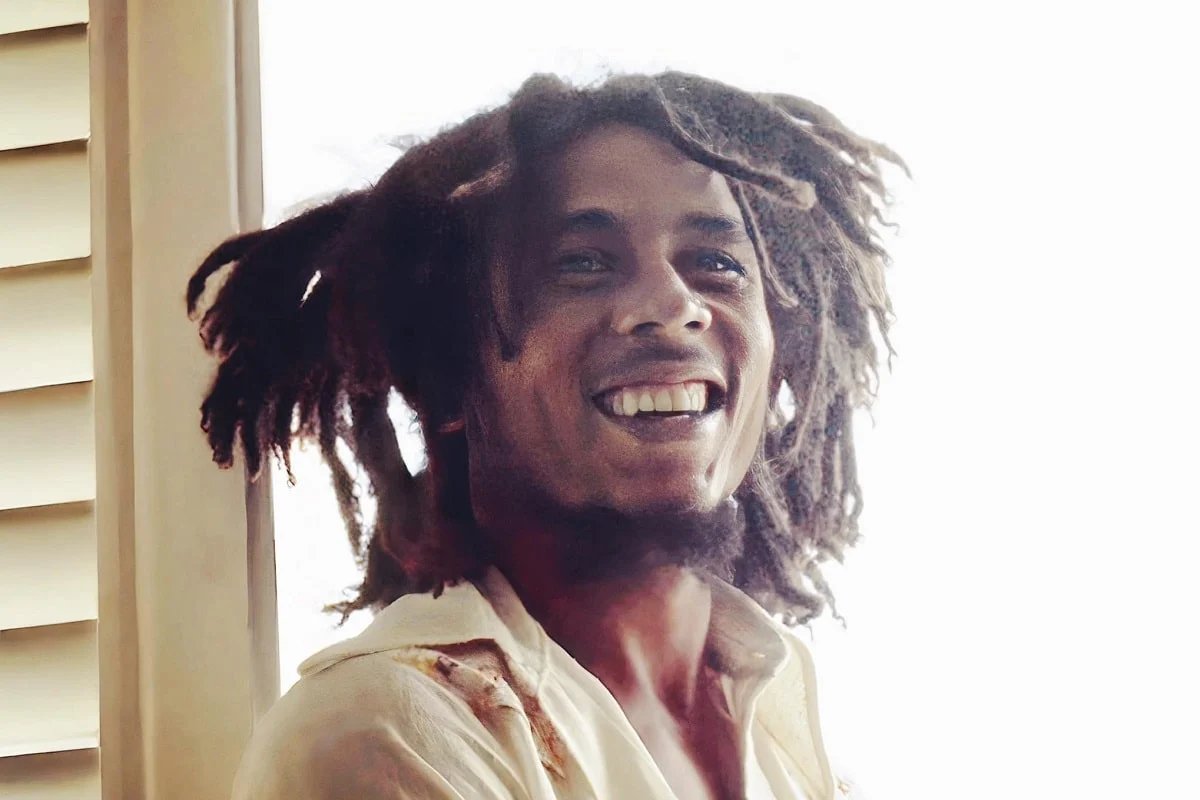
The reggae group the I Threes, who gained fame for providing backing vocals for Marley, claim the song was rather inspired by them. The I Threes consisted of three singers: Rita Marley, Marcia Griffiths, and Judy Mowatt.
Consisting of Marley’s wife Rita, Judy Mowatt, and Marcia Griffiths, the entwined vocals of the group were so beguiling that they became the sirens of reggae who charmed with sweetness as they extolled a message of the Rastafarian “Godhead” concept.
Marcia Griffiths claimed: “After the song was written, Bob would always refer to us as the Three Little Birds. After a show, there would be an encore.
Sometimes, people even wanted us to go back onstage four times. Bob would still want to go back, and he would say, ‘What is my Three Little Birds saying?'”
It is worth noting that these two theories are not mutually exclusive. The canaries at Hope Road may have inspired the image in the verse, while Marley may have later applied the nickname to the I Threes.
A third, less direct meaning suggested by fans is that Marley wrote “Three Little Birds” with religious intent, and that the three birds represent two people plus God, or the Holy Trinity. Marley never confirmed or denied that interpretation.
“Three Little Birds” and the Album Exodus
Exodus was a success both critically and commercially; it received gold certifications in the US, UK, and Canada, and was the album that propelled Marley to international stardom.
In 1999, Time magazine called Exodus the best album of the 20th century. There are more tracks from Exodus on Marley’s greatest hits compilation Legend than from any of his other records.
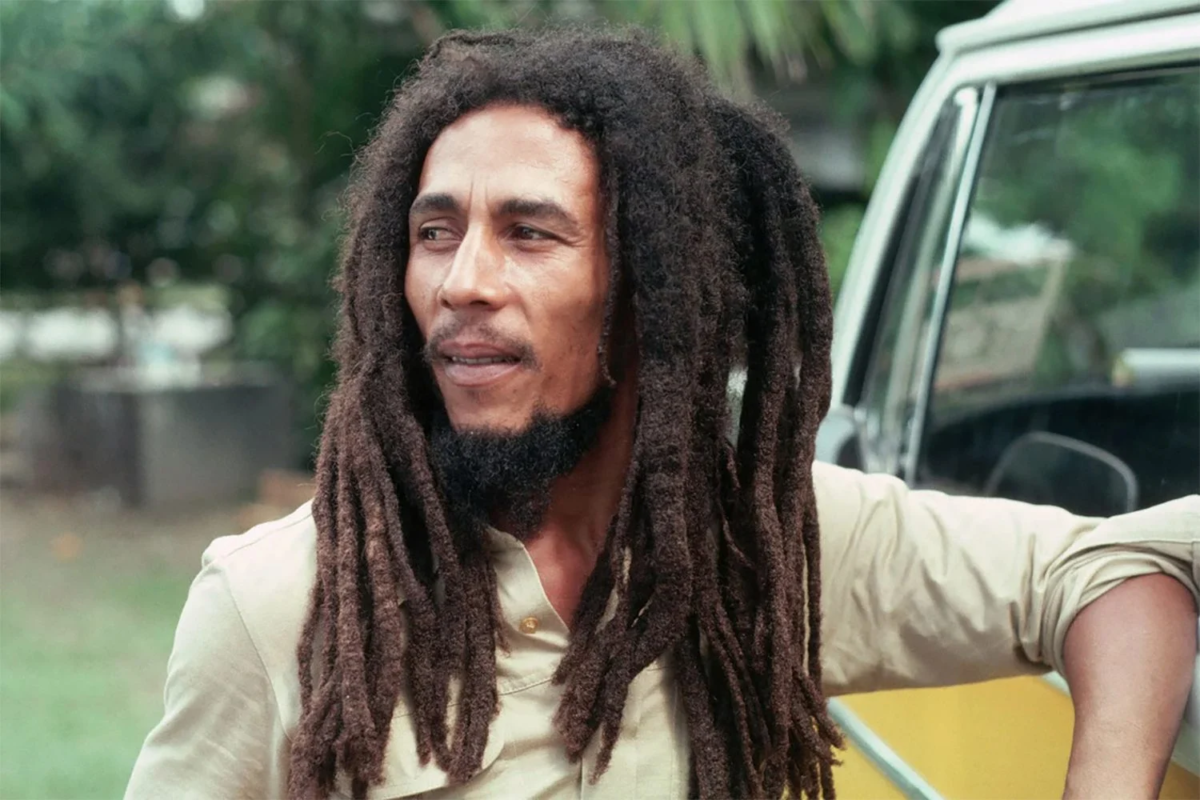
“Three Little Birds” occupies a unique position within that album. Where the opening side is dense with political and spiritual urgency, the song offers a counterweight: proof that Rastafarian faith could express itself as tenderness and stillness, not only resistance and fire.
Legacy: From Album Deep Cut to One Billion Streams
The song’s commercial journey was slow but ultimately extraordinary. It first appeared on the album Exodus in 1977 and was later released as a single in 1980.
The song was fairly popular upon its release, but truly exploded in popularity after Marley’s death in 1981.
It later appeared on the Diamond-selling greatest hits compilation album Legend in 1984.
“Three Little Birds” reached one billion plays on Spotify, marking the reggae legend’s first song to achieve this milestone and the seventh Jamaican-led song to do so on the platform overall.
The song reached triple platinum certification in the UK in 2024. It had previously been certified double platinum in December 2021, and platinum in August 2018.
The song has also accumulated a remarkable footprint in film and television. It is a motif in the 2007 film I Am Legend, where Will Smith’s character sings it from time to time to keep his spirits up.
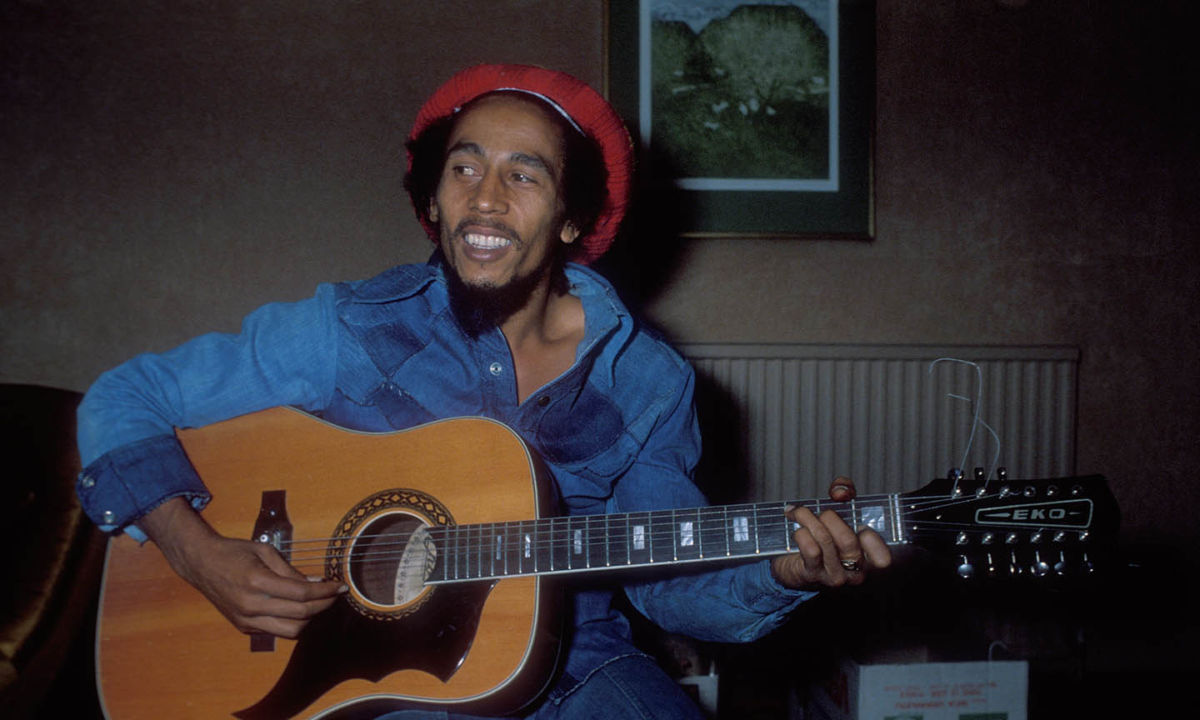
Marley’s eldest daughter, Cedella Marley, adapted the song into the children’s book Every Little Thing in 2012 and, two years later, the off-Broadway musical Bob Marley’s Three Little Birds, which follows a shy little boy who is coaxed by three little birds to go outside and play.
Maroon 5 delivered their interpretation in 2018; Robbie Williams sang it for his “Corona-oke” on Instagram during the 2020 Coronavirus outbreak; Ziggy Marley and Sean Paul recorded it for the 2004 animated movie Shark Tale.
The 2014 UK and US number one smash “Rude” by MAGIC! included a sample of the song’s rhythm.
In 2020, a brand-new animated music video for the song was released in honor of Marley’s 75th birthday. Cedella Marley remarked at the time, “This song has helped provide hope and light for so many over the years, including me, and I hope it does the same for people now, especially with all that is going on in the world.”
Why the Three Little Birds Meaning Still Resonates
Part of what makes this song endure is precisely what makes it resist a single, tidy interpretation. The three little birds can be canaries on a Kingston windowsill, three brilliant backing vocalists, a Rastafarian symbol of divine presence, or simply an image of the natural world offering quiet assurance. Marley never forced a definitive answer, and the song is richer for it.
Some songs try to change the world by shouting. “Three Little Birds” changes it by lowering its voice. Written during one of the most frightening periods of Marley’s life, it chose serenity over despair and, in doing so, created something that listeners have reached for in every kind of personal crisis since. Nearly 50 years on, the message has not depreciated by a single note.