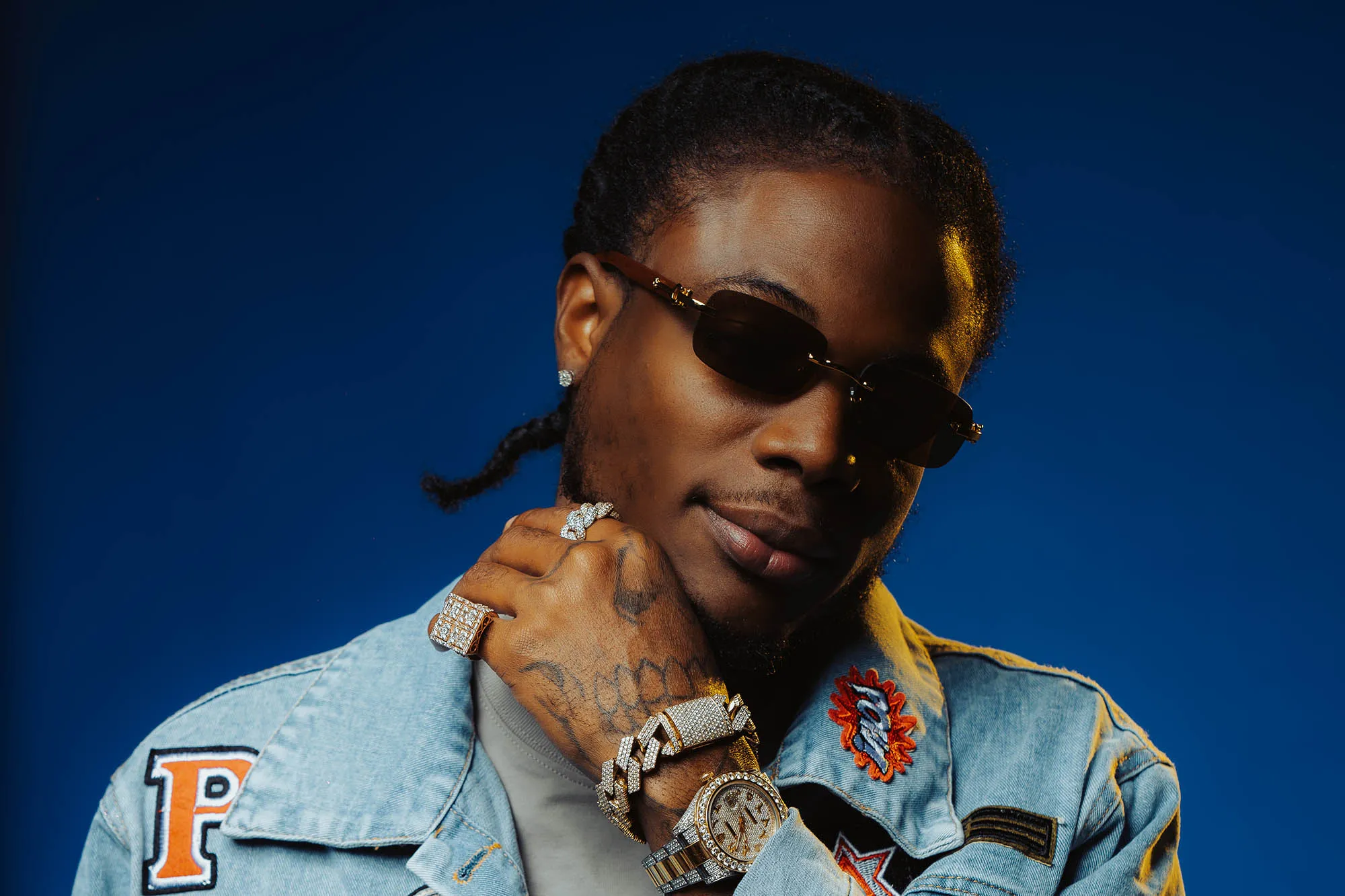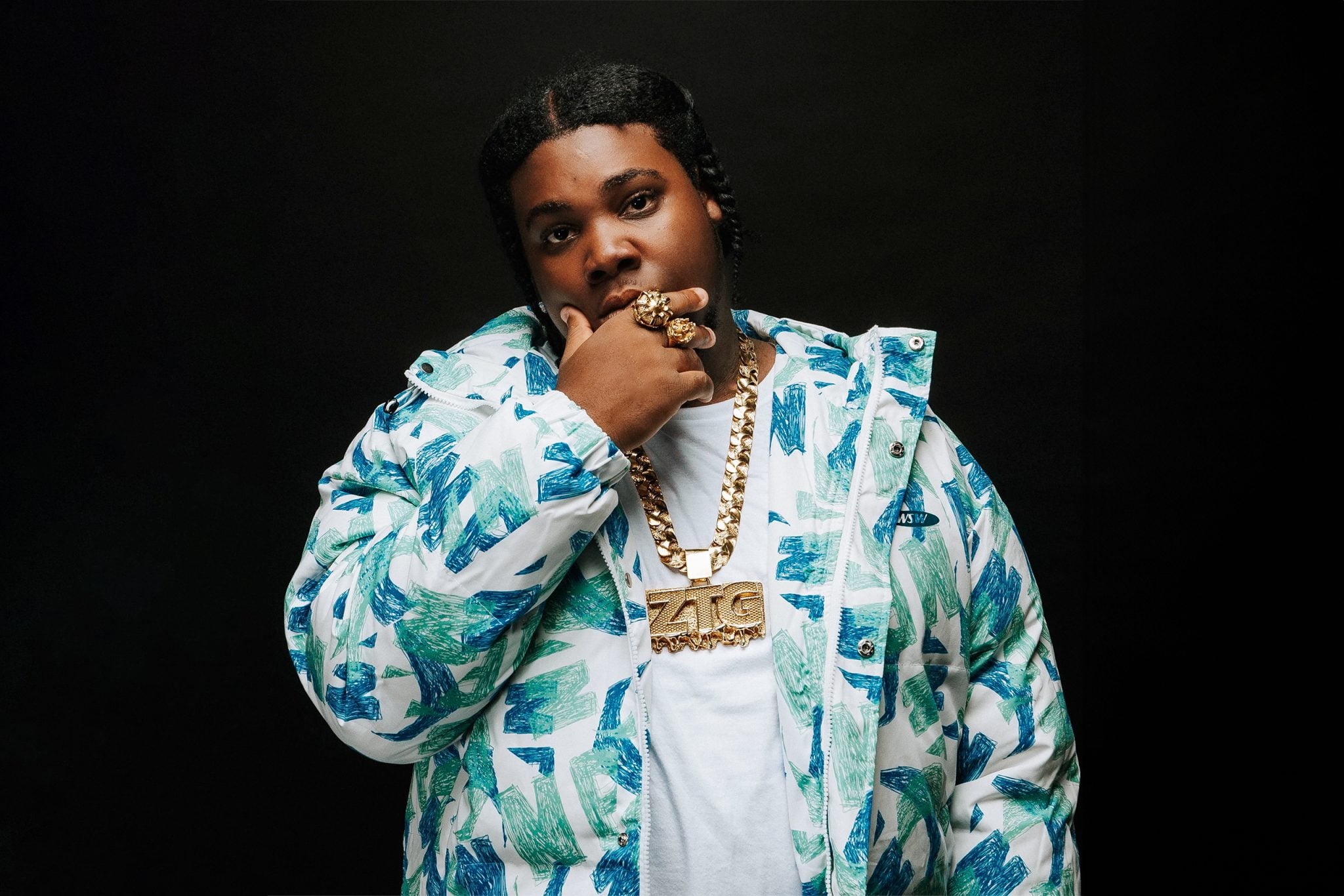

When Bad Bunny performs at the Super Bowl LX halftime show this Sunday, there’s high probability that his setlist will include tracks named in a massive lawsuit filed by the Jamaican company Steely & Clevie Productions.
More than 35 of the Puerto Rican superstar’s songs are alleged to have infringed on the company’s Fish Market riddim (better known globally as “Dem Bow”), according to court filings seen by DancehallMag. The list includes several of his songs that cracked the Billboard Hot 100 in the US and sold millions of units worldwide:
- Moscow Mule (Peaked at No. 4)
- Mía featuring Drake (No. 5)
- Tití Me Preguntó (No. 5)
- Me Porto Bonito featuring Chencho Corleone (No. 6)
- Yonaguni (No. 10)
- Party featuring Rauw Alejandro (No. 14)
- Vete (No. 33)
- La Difícil (No. 33)
- Ignorantes featuring Sech (No. 49)
- Callaíta featuring Tainy (No. 52)
- Yo Perreo Sola (No. 53)
- La Noche de Anoche featuring Rosalía (No. 53)
- La Canción with J Balvin (No. 84)
- Bichiyal featuring Yaviah (No. 89)
- Solo de Mí (No. 93)
While Bad Bunny, who took home three Grammy Awards last Sunday, is the current face of the genre, he is far from the only target.
The suit, first filed by the estate of the late Wycliffe “Steely” Johnson and his partner Cleveland “Clevie” Browne in 2021, pits the Jamaican production duo against over 150 other Reggaeton artists and major labels.
It alleges that more than 1,800 songs infringed on their 1989 instrumental track Fish Market, including global smashes such as Daddy Yankee’s Gasolina, Luis Fonsi and Justin Bieber’s Despacito, Drake’s One Dance, Pitbull’s We Are One, and DJ Snake’s Taki Taki.
Following a live hearing in December, the case is reportedly primed for a ruling. According to Billboard, that decision could arrive in the next few months, or potentially as soon as next week.
Unlike most music copyright disputes, which typically deal with melodies or lyrics, this case focuses on the beat itself. Judge André Birotte Jr. is currently deliberating on, among other things, dueling motions for summary judgment, which will effectively decide whether the beat is original enough to warrant copyright protection under U.S. law.
A key group of 107 defendants, represented by the firm Pryor Cashman LLP, argues that Fish Market is built from common, pre-existing elements or “prior art” that cannot be owned. In court filings obtained by DancehallMag, they claim the rhythm is derived from a centuries-old ‘habanera’ pattern that became a staple in Jamaican church music.
To support this, the defense pointed to a 2005 interview where Steely and Clevie admitted to drawing inspiration from the “Poco beat” of Pentecostal services, noting that the first vocal track on the riddim was literally titled Poco Man Jam by Gregory Peck. (1989). [The riddim later gained international fame after being used in Shabba Ranks’ 1990 hit Dem Bow.]
Bad Bunny and his label, Rimas Entertainment, are separately represented by attorney Kenneth D. Freundlich. Their argument similarly asserts that the rhythmic pattern at issue is not subject to copyright and that none of Bunny’s songs directly sampled the original Fish Market recordings.
Meanwhile, lawyers for Steely & Clevie, led by the firm Doniger/Burroughs, counter that the riddim’s originality lies not in the individual drum sounds—such as the kick, snare, and hi-hat—but in their unique “selection and arrangement.”
They added that the defense has sidestepped this central issue by focusing on isolated elements rather than the instrumental’s overall composition.
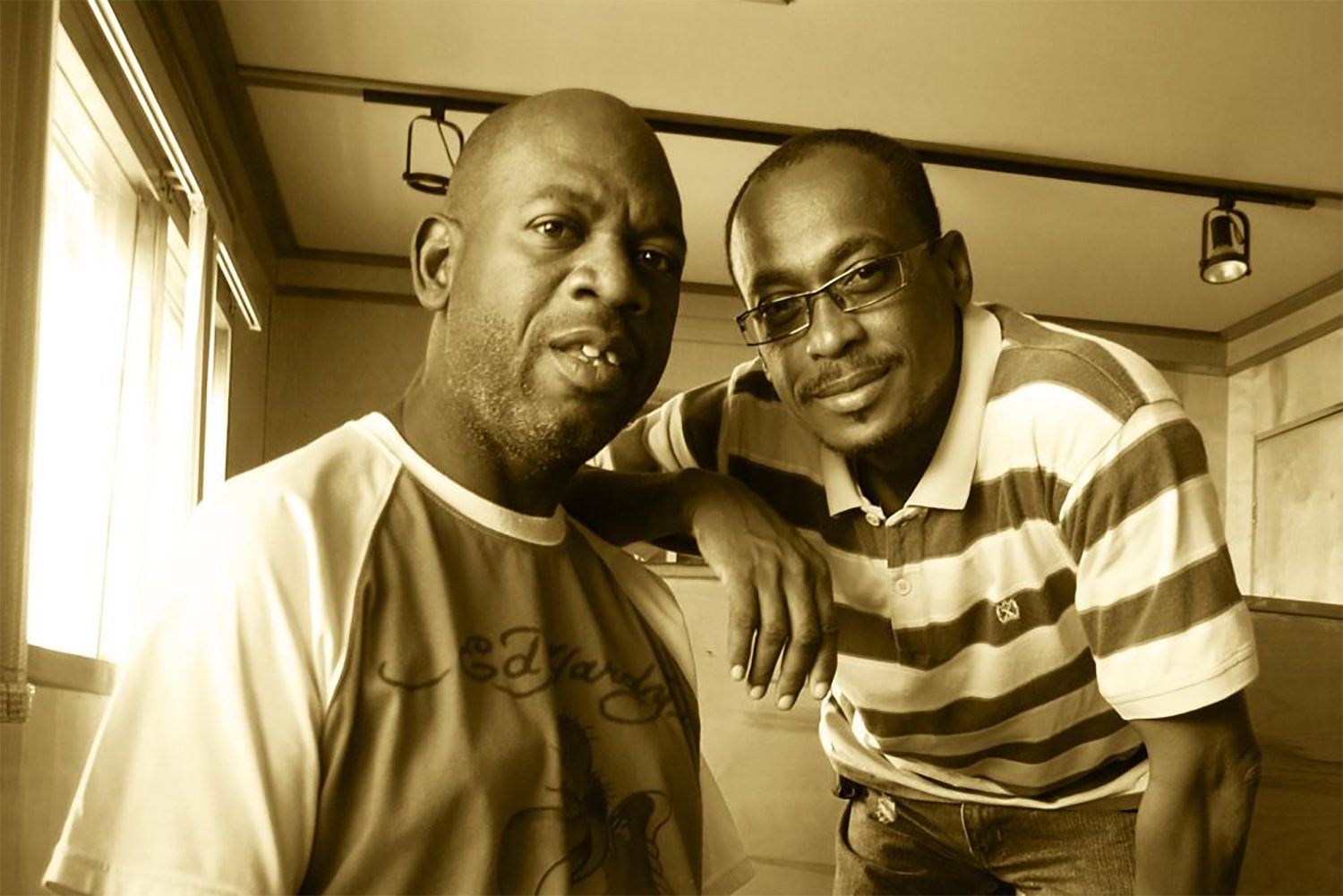
Steely & Clevie also leveraged the words of Reggaeton’s own pioneers against them. Filings show them quoting Daddy Yankee, who called the beat “creative and inspiring,” while adding, “This drums’ rhythm is what inspired us.” Wisin & Yandel reportedly called the Dem Bow riddim “totally original” and DJ Nelson reportedly stated, “The origins of the dembow rhythm . . . are Jamaican, and the one who made it famous was Shabba Ranks with his song ‘Dem Bow.’”
Roderick Gordon, an intellectual property lawyer tracking the case, previously told DancehallMag that Judge Birotte’s upcoming decision will not necessarily determine a final verdict, but will decide whether the case proceeds to a full trial or is dismissed, in whole or in part.