

The lawsuit didn’t show up in a courtroom first. It showed up taped to the gate of Nicki Minaj’s California mansion, which is the kind of detail that makes a legal dispute feel a lot more dramatic than a standard billing dispute.
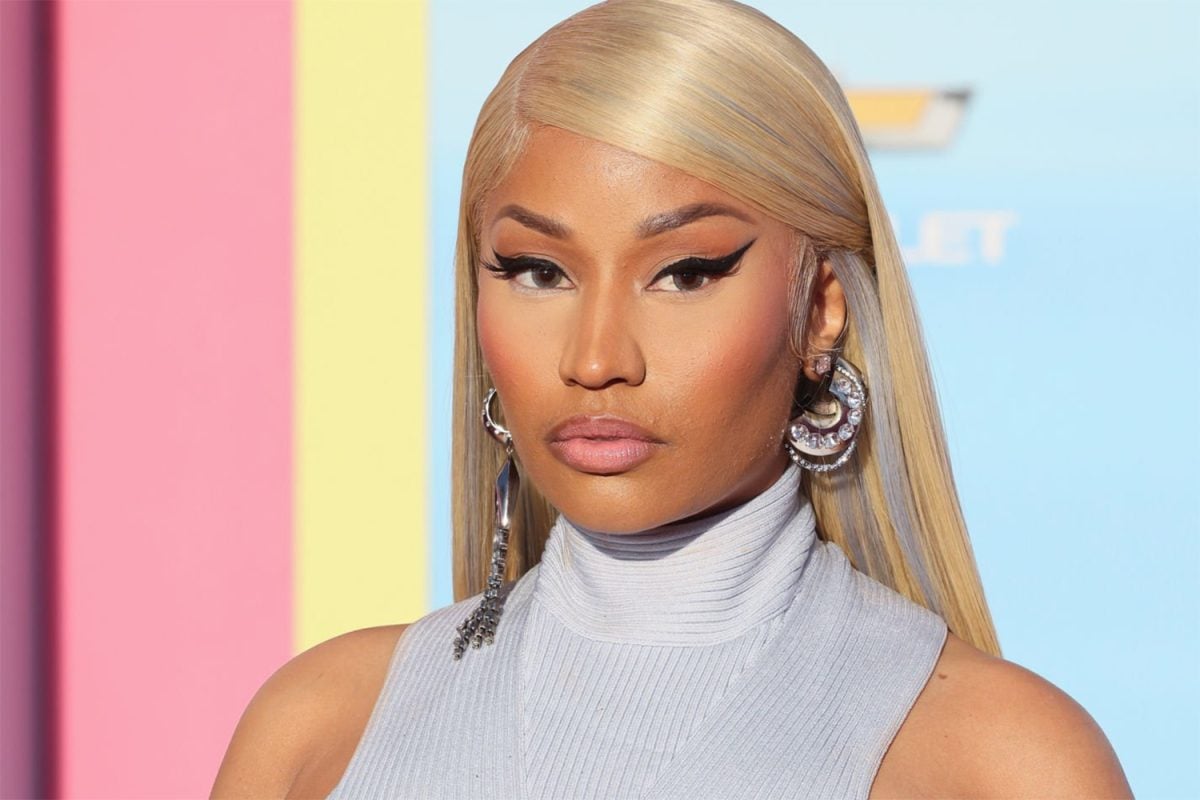
The firm behind the suit is Gordon Rees Scully Mansukhani LLP, and they’re claiming Minaj owes $229,541 in unpaid legal fees. Their argument is straightforward: they did the work defending her, she didn’t pay the bill, and now they want a court to force the issue.
The case they were defending her in goes back further than you might expect. Producer Julius Johnson had accused Minaj and Mike WiLL Made-It of lifting elements from his 2011 beat “onmysleeve” for her 2014 track “I Lied,” claiming the instrumental was used without credit or compensation.
That copyright dispute dragged on for years before finally wrapping up in a confidential settlement late last year. The terms of that settlement haven’t been made public, but the fact that it ended quietly suggests both sides had reasons to close the chapter without a trial.

The problem, according to the law firm, is that closing the chapter on the copyright case didn’t come with a check. They allege Minaj never paid for the legal services rendered throughout the entire run of that litigation, which apparently stretched long enough to rack up a bill pushing toward a quarter million dollars.
What makes the situation more pressing now is the default judgment angle. The firm says Minaj failed to respond to the lawsuit within the required timeframe, and they’re now asking the court to rule in their favor automatically as a result. A default judgment, if granted, would mean Minaj loses the case without ever having a chance to contest the claims in court.
From Minaj’s side, there’s been no public statement addressing the lawsuit or the allegations. That silence is notable given how active she tends to be when she feels she’s being misrepresented, though legal strategy sometimes calls for staying quiet rather than fighting things out in the press.
The optics here are a little complicated. On one hand, a law firm suing a former client over unpaid fees is not exactly a rare occurrence in the entertainment industry. Attorneys and artists fall out over billing disputes all the time, and it doesn’t always mean the client acted in bad faith. On the other hand, the claim that Minaj didn’t even respond to the lawsuit within the legal window gives the firm’s version of events more traction in court, at least procedurally.
The original copyright claim from Julius Johnson also deserves some context. Producers in that era frequently found themselves on the outside of deals that used their work, and the confidential settlement suggests there was at least enough merit to Johnson’s claim that a public trial wasn’t worth the risk for either party.
The court is now sitting with a request for a default judgment, and the clock on that decision is still running.