

Every year the dancehall loses voices it cannot replace, but 2026 has cut especially deep.
In the space of ten months, Jamaica buried a drummer who shaped the sound of modern reggae, a western Jamaica deejay gunned down on his own corner, a roots singer whose heart finally gave out, and a pioneer who carried dancehall to a major American label.
For anyone searching for the dancehall artists who died this year, and for those who came before them, this is a remembrance.
Grief is part of the music’s history. Since the digital revolution of the mid-1980s, the culture has lost singers, deejays, producers and dancers to sickness, accident and, far too often, the gun.
Here is a timeline of some of those losses, from this year’s headlines back to the names that still echo through every session.
2026: A Year of Heavy Losses
Lowell Fillmore Dunbar was born on May 10, 1952, and died at his home in Kingston on January 26, 2026, aged 73.
His recording life began in 1969 behind Lee “Scratch” Perry and the Upsetters on “Night Doctor.” From there, his name became shorthand for the reggae rhythm itself.
Brian Eno once reckoned there was a 90 percent chance that the drummer on any reggae record you bought was Sly.
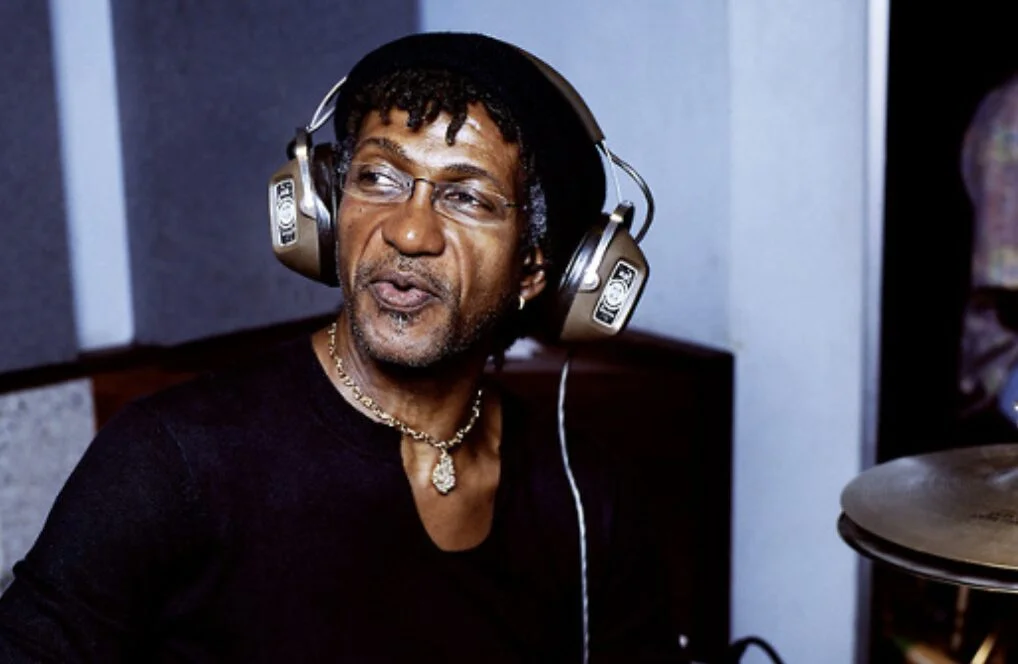
Dunbar counted his work with Black Uhuru and Chaka Demus and Pliers‘ 1993 album Tease Me among his proudest achievements, and in 2015 Rolling Stone ranked him number 66 among the greatest drummers. The tributes poured in.
David Rodigan called him “one of the greatest drummers of all time,” Prime Minister Andrew Holness said “Sly was an architect of sound,” and Mr Vegas remembered him as his “greatest teacher/producer.” Taxi Records engineer Rorey Baker put it most simply: “Sly lived for the music.
Roger Walker belonged to a crop of hungry young deejays who surged out of western Jamaica in the late 1980s.
On Monday, April 6, 2026, the 57-year-old veteran was shot dead in Hopewell, Hanover. An alleged eyewitness told The Gleaner that a lone gunman walked up behind him at the corner where he regularly stood.
For a community that remembered him as one of the region’s early dancehall standard-bearers, the manner of his death was a bitter echo of too many before it.
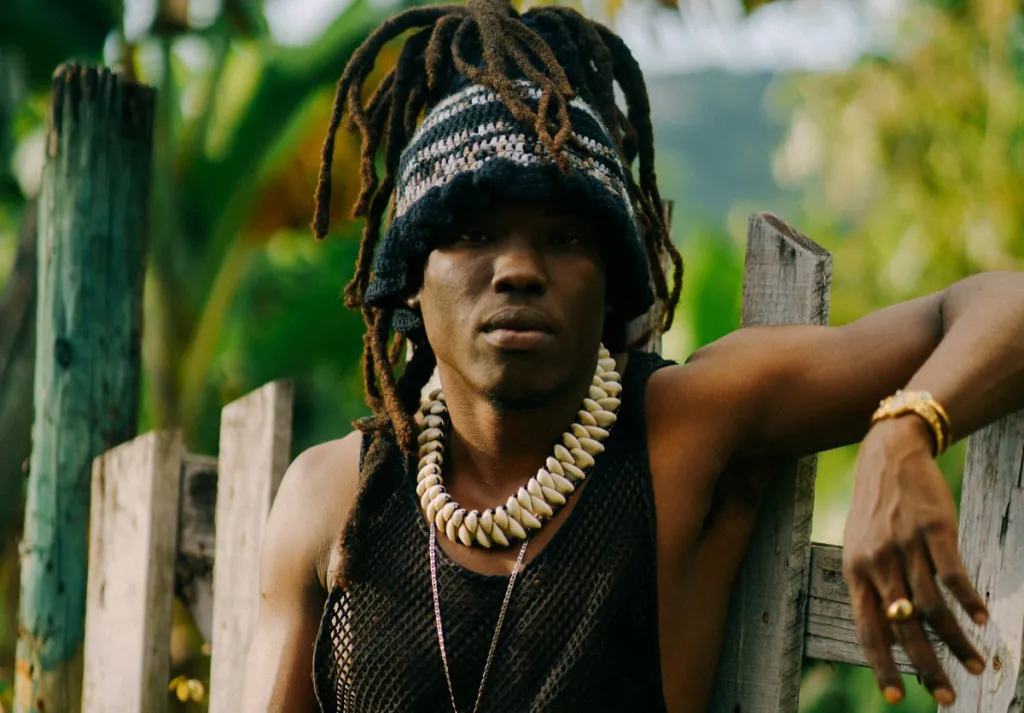
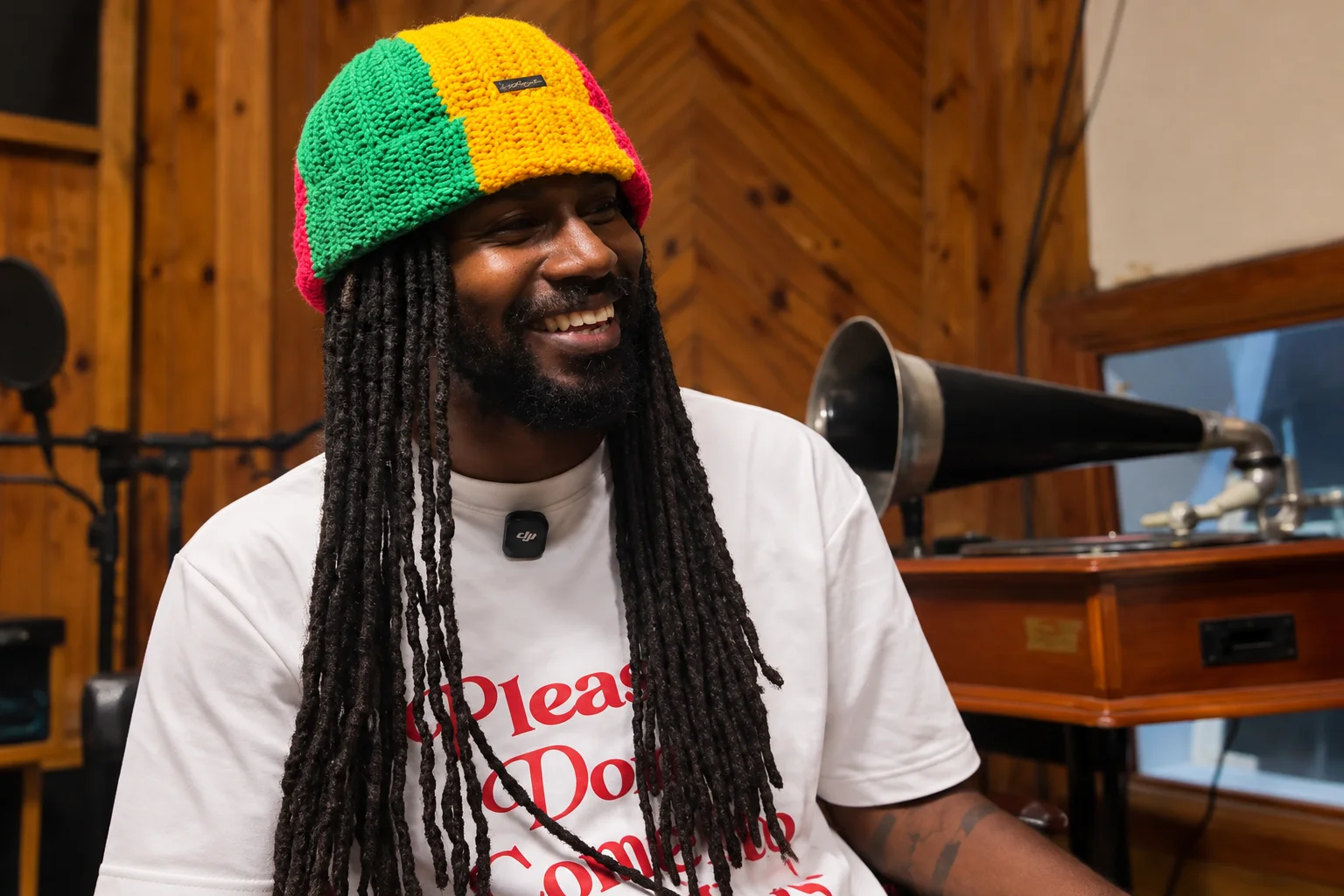
Fantan Mojah came up the hard way, carrying speaker boxes for Kilamanjaro sound system before ever touching a mic.
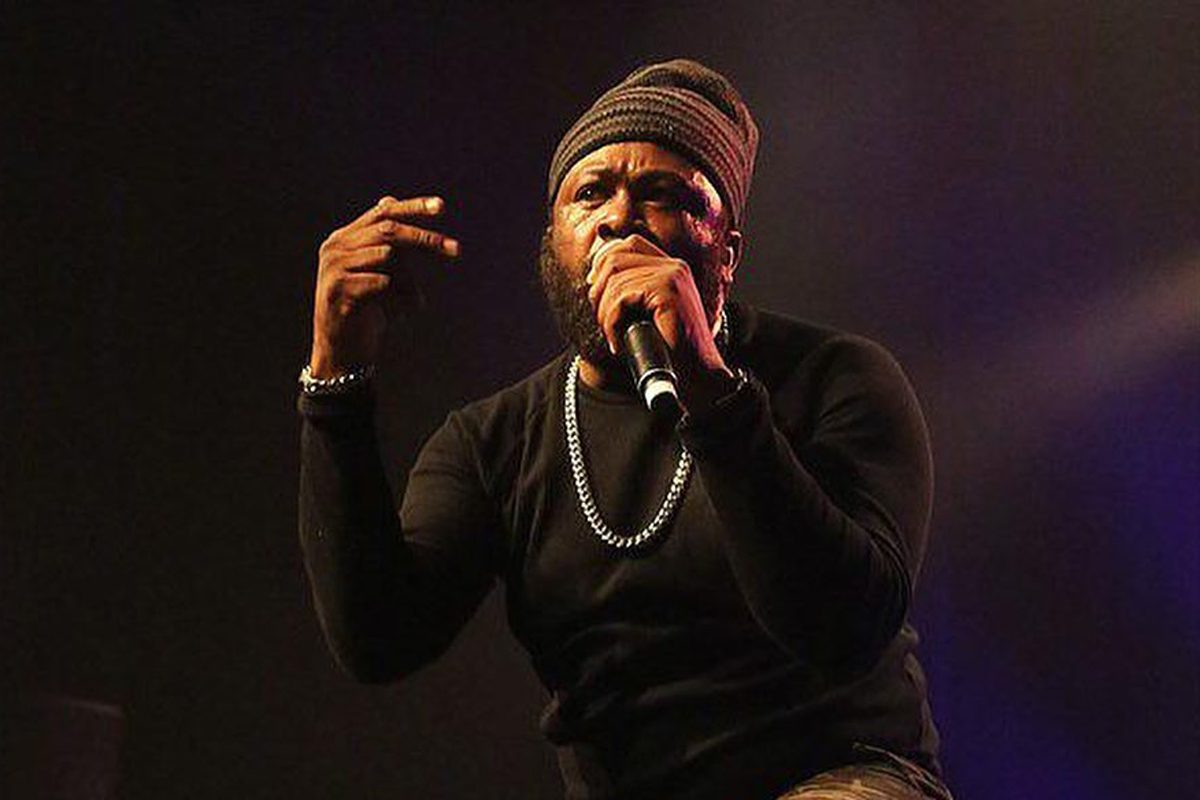
He first chatted as “Mad Killer,” a nod to Bounty Killer, until Capleton encouraged him to become Fantan Mojah.
His 2005 album Hail the King made his name, and songs like “Hungry,” “Hail the King” and “Rasta Got Soul” carried his fiery roots message worldwide.
In 2024 he was hospitalized in Martinique, with reports that his heart was working at around 15 percent capacity.
He died on July 14, 2026, at the University Hospital of the West Indies, aged 49, while preparing for Germany’s Reggae Jam festival.
His booking agent Vertex said he “was hearty, but over the past week he started to ‘tek down.'”
In 1988 Cleveland Laing became the first dancehall reggae artist to sign with a major US label when Atlantic Records came calling. That deal opened a door that a generation of deejays would later walk through.
Stitchie later turned his talents to gospel reggae, but his health declined after a debilitating stroke in September 2024.
He died at Kingston Public Hospital on September 28, 2026, aged 60, one day short of his 61st birthday.
Recent Farewells: 2021 to 2025
The years before 2026 brought their own heartbreak. Robbie Shakespeare, the bass half of Sly and Robbie and a two-time Grammy winner, died on December 8, 2021, aged 68, following kidney surgery.
The pair had founded Taxi Records in 1974 and powered dancehall hits for Shabba Ranks, Cutty Ranks, Beenie Man and many more. Sly’s passing this year means the rhythm twins are now both gone.
Merciless, born Leonard Bartley, died on July 19, 2022. His “Mavis” was the top reggae single in Jamaica in 1995, a reminder of how ferocious his delivery could be.
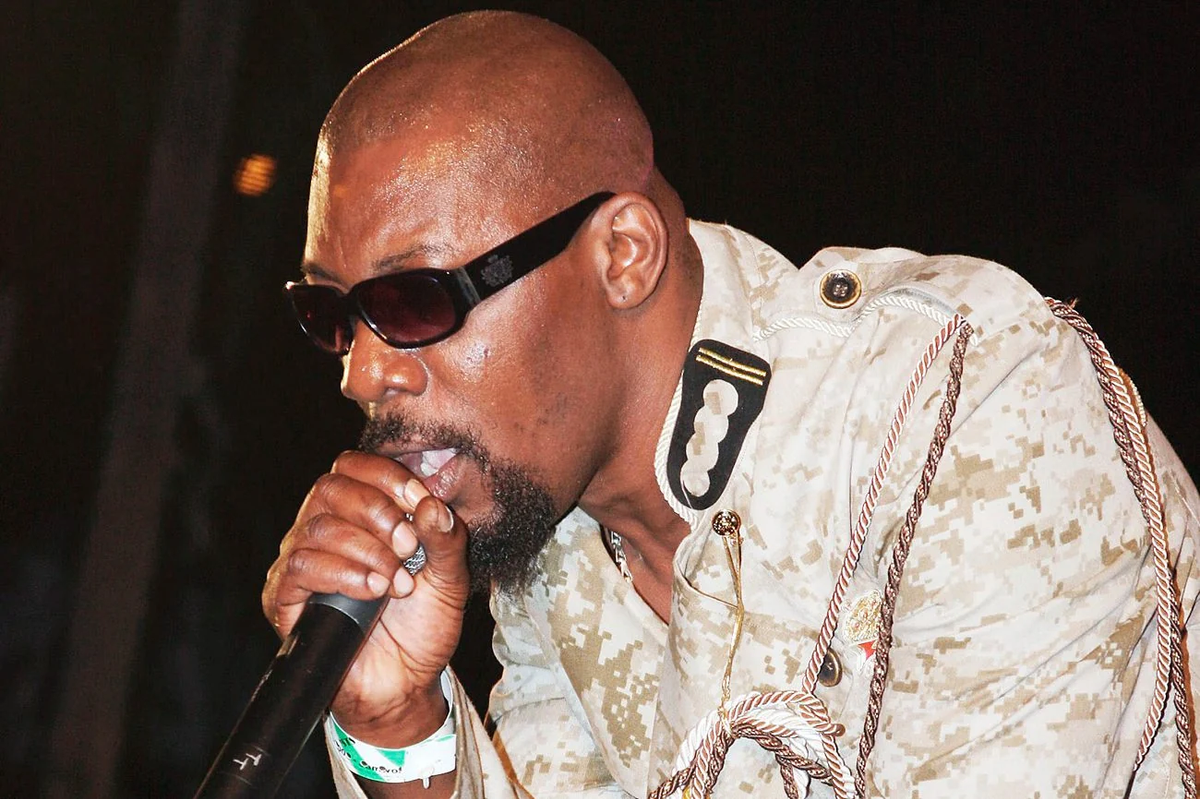
Danny English, the man behind the 2002 party staple “Party Time” with Egg Nog on the Diwali riddim, died on January 23, 2025, aged 54, after a long battle with diabetes.
That June, producer and engineer Sheldon “Calibud” Stewart, stepson of Bobby Digital and a studio hand for Buju Banton and Warrior King, died in New York.
The music also lost Joe Lickshot, remembered as “the hypest intro man in dancehall,” whose vocal gunshots and sound effects electrified countless records.
The Gun and the Dance
No history of dancehall loss is complete without confronting violence. Tenor Saw, born Clive Bright, was among the most influential singers of the early digital era.
In July 1988 he was struck by a hit-and-run driver in Houston, and he died on August 13, aged just 21.
The reporting at the time was so confused that a Jamaican paper reported him shot in New York weeks after he had already died.
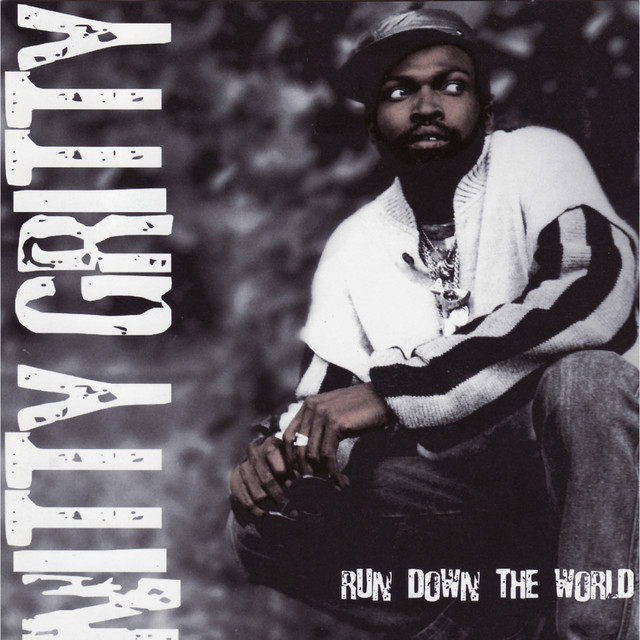
Nitty Gritty, who recorded “Who Killed Tenor Saw?”, was himself shot dead in New York on June 24, 1991, aged 34.
The pattern continued. Captain Barkey, the voice behind the mid-’90s hits “Go Go Wine” and “Bun Fi Bun,” was shot dead outside a Bronx motel on October 13, 2012, aged 50.
A younger generation suffered too. Demar “Copper Cat” Graham was killed at 22 in January 2011 outside Richie Stephens’ home, inspiring Khago’s tribute “Coppa Gone Too Soon.”
Kavin “Kashmar” Hill, 30, was shot on a main road in Salt River, Clarendon, in September 2021, and Jerome “One Krome” Todd was killed by police in October 2022, an account his family disputed.
The Innovators
Some losses changed the very sound of the music. Wayne Smith co-created “Under Mi Sleng Teng” with Noel Davey on a Casio MT-40, with Prince Jammy producing.
It was the first dancehall track built entirely with digital technology, and it rewired Jamaican music overnight. Smith died in Kingston on February 17, 2014, aged 48.
Then there was Gerald “Bogle” Levy of the Black Roses Crew, the dancer who gave the world the Bogle, World Dance, Wacky Dip, Willie Bounce, Jerry Springer and Urkle Dance.
Beenie Man called him “the greatest dancer of all time.” On January 20, 2005, having just left the Weddy Weddy dance, he was killed at a service station on Constant Spring Road, aged 40.
Beenie Man offered a million-dollar bounty for his killers, yet the case remains unresolved. “When he [Bogle] died he was just about to get di recognition he deserved,” Ding Dong later reflected.
Why We Keep Their Names Alive
Dancehall is a living culture, built on the idea that a riddim, a dance or a lyric can outlast the person who made it.
Sly’s drum patterns still anchor sound system sets, Sleng Teng still triggers forwards from London to Tokyo, and the Bogle is still danced by people born long after Constant Spring Road.
Fantan Mojah’s chants and Lt. Stitchie’s breakthrough remain part of the story every young artist inherits.
Remembering them is not only about grief. It is about honouring the work, questioning the violence that took too many, and making sure the next generation knows whose shoulders they stand on. The music plays on, and their names ride every riddim.