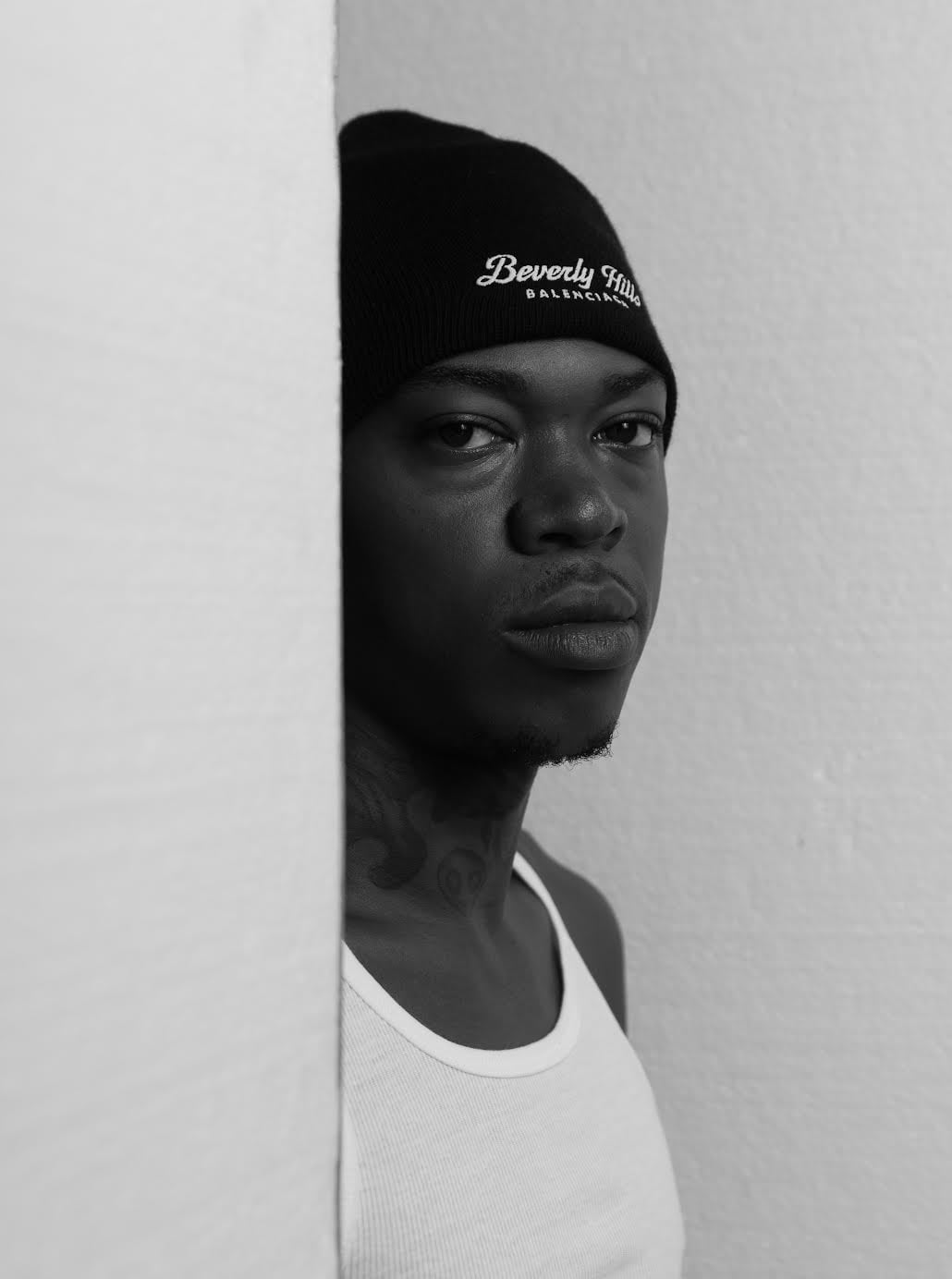
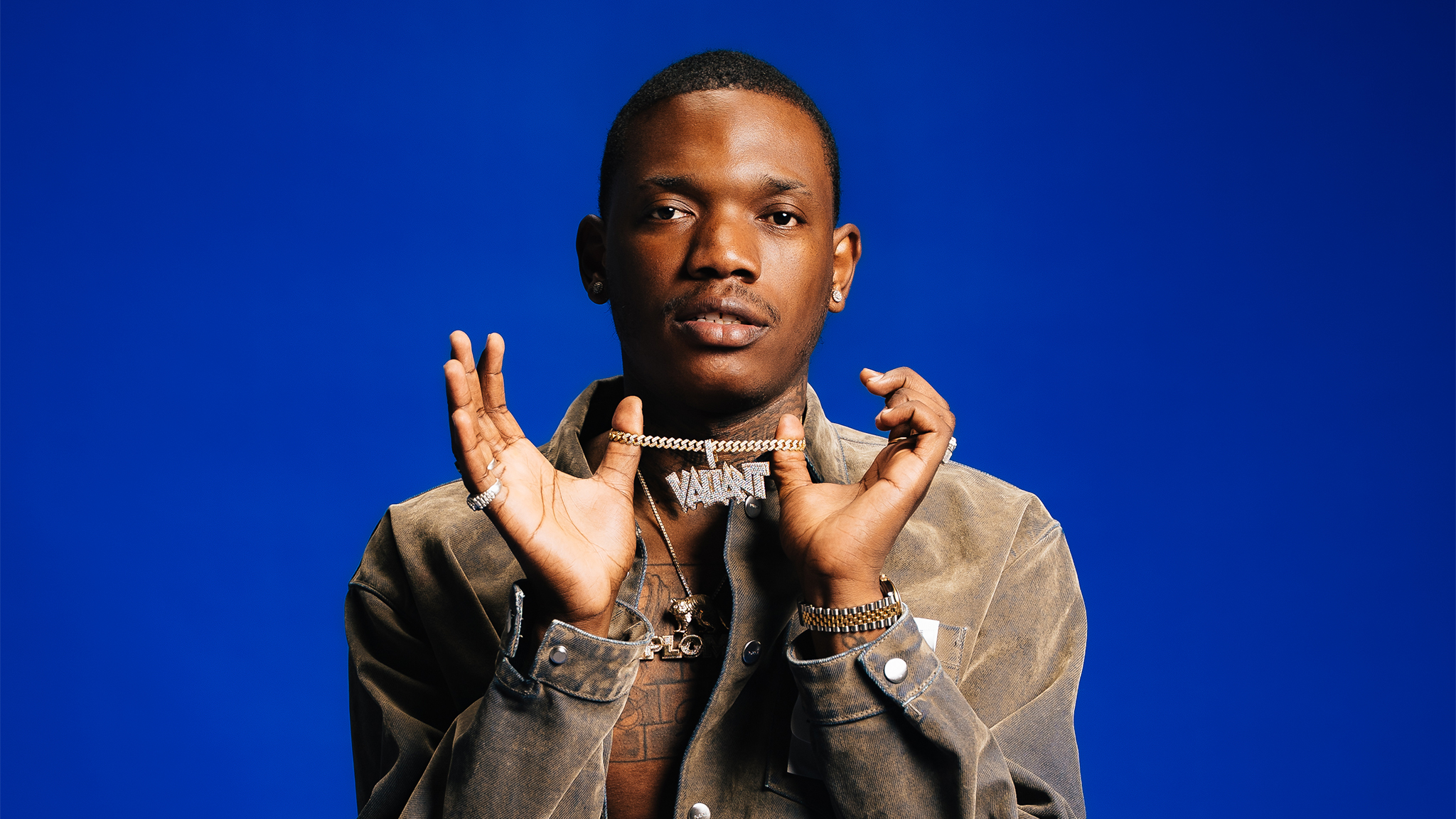
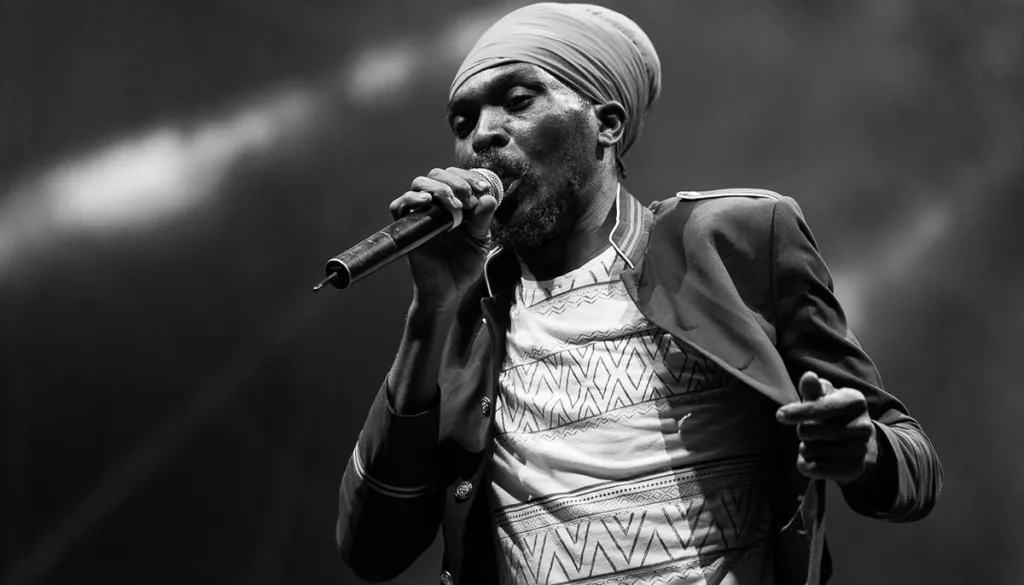
Some artistes go to war with a rival. Gage went to war with the whole of dancehall.
If you searched “gage vs dancehall,” the answer is that Ryan Douglas has spent the better part of a decade calling out the industry around him.
Sometimes he names a superstar. Sometimes he names producers who will not voice him. Sometimes he names an entire generation he believes has lost its way. Very few of those fights ever became a real back-and-forth.
That is what makes his story worth tracing. Dancehall runs on clash culture, where a lyric demands an answer and the dance decides who won. Gage’s battles mostly stayed one-sided.
Set beside Gaza vs Gully, the feud that split the island and then came full circle, they show how some wars burn for twenty years while others never quite catch.
Gage vs Dancehall: The Timeline
Gage came up the hard way. He grew up on Bucks Avenue in May Pen, Clarendon, went to Denbigh Primary and Denbigh High, and got his first break at 16 on a stage show at Western Park in May Pen.
He tested himself in the Magnum Kings and Queens of Dancehall competition and in several Moby Records clashes, then built a name working the live show circuit.
In 2014, “Throat” pushed him into the wider conversation. It was raw, explicit and impossible to ignore, and the label it gave him would follow him for years.
Five years later, Gage had the dances moving again. “Good Gal Fi Get Things,” reported in February 2019, was credited with starting a trend of dancers getting big cash tips at shows. That is the kind of street-level impact no chart can measure.

Selectors played it and the women in the session claimed it as their anthem. For a moment, the Clarendon deejay looked like he had found his second wind.
The first public blow did not come from a rival deejay. It came from a selector. In May 2020, Foota Hype argued that Gage had never been able to follow up “Throat.”
He called it a “frenzy” song rather than a true hit, and said the explicit tag had stuck so hard that the audience stopped listening to anything that came after it.
His verdict was blunt: “So you put out 50,000 song after that and dem nah look pun yuh.” Gage was now the subject of a “fell off” debate, which is a hard place for any artiste to fight back from.
Weeks later, Gage went on Instagram Live and made his most explosive charge yet. He said a negative bias in the industry was holding him back, and he put it down to Vybz Kartel.
According to Gage, producers rejected his songs and told him the Worl’ Boss did not want him on their riddims. “You nah guh bench me off a riddim and do certain things and me still deh ya ah big yuh up,” he said.
Even the reporting at the time called the root of the beef “not entirely clear.” The dispute played out almost entirely in Gage’s own words.
It was a grievance more than a clash, the sound of an artiste convinced the gates were locked against him.
By 2023, Gage had stopped focusing on one man and turned on the state of the genre. “Wha Gwaan” was a roll call of everything he felt was wrong with dancehall.
It took in Shenseea, Skillibeng’s RCA deal, the Popcaan and Valiant situation, the short-lived friction between Skeng and Masicka, and Spice.
It was less a diss than a sermon delivered from outside the church. In practice it was Gage against the whole scene.
Along the way, Gage built a small catalogue of pointed records. Ketch Up” took aim at Tommy Lee Sparta, Masicka and Shane O all at once.
“Dancehall Football,” produced by Black Sheep Music, went after Black Ryno. Only one of these targets is known to have fired back on record.
Shane O released a video for “Diss Anybody,” framed as part of a clash with Gage. That makes it the rare moment in this story where someone answered back.
Then, in a twist only the internet could produce, the crowd pulled him back in. “I was on TikTok and someone cursed me to go back to the studio,” Gage said.
The result was “Dip Duk,” released on 8 August 2025, a ladies’ track that was closing in on 230,000 YouTube views a month later.
It was a reminder that his real strength was always the dance, not the war. Riddims world lists a further release, “My Life,” dated 14 July 2026.
The Feud That Didn’t Fizzle: Gaza vs Gully
To understand why Gage’s battles stalled, look at the one that never did. Vybz Kartel’s Gaza and Mavado’s Gully were both once part of Bounty Killer’s collective.
When Kartel went solo, Mavado took it personally, and the split became a line that divided communities, schoolyards and sound systems across Jamaica.
It became serious enough that in March 2007 both men stood before the public at a police-overseen press conference, ended hostilities and apologised to fans.
The truce did not hold for long. Their face-off at Sting became one of the most replayed clashes in the genre’s history.
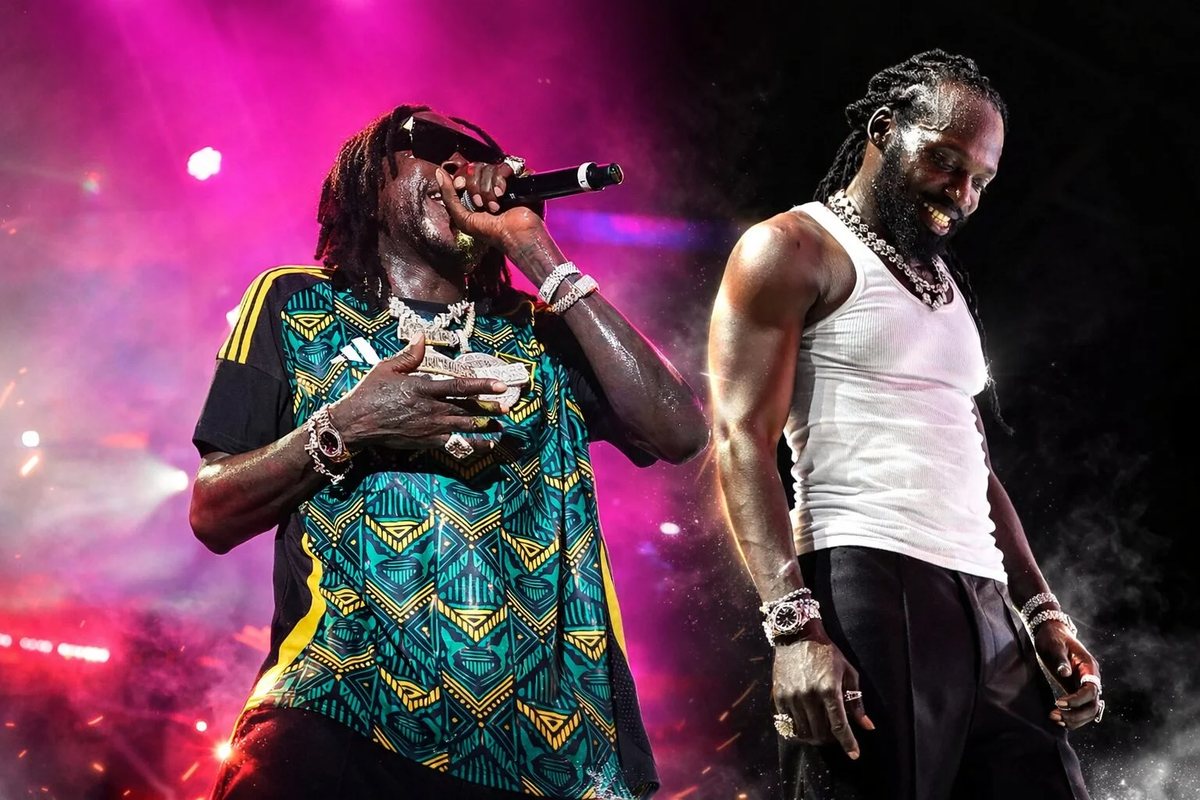
Nearly a decade later, in 2016, Kartel fired “Last One,” and Mavado brushed it off as weak. That is what a two-sided war looks like. Every shot drew a response, even if the response was a shrug.
The ending, when it came, was as big as the war. Kartel and Mavado reunited in Miami in June 2025.
On 18 July 2026 they shared the stage at A Taste of Reggae Sumfest at Plantation Cove in St Ann, in front of more than 35,000 people.
On 9 September 2026 they played The O2 in London, billed as their first shared stage in 18 years, and then headed to Freedom Street Europe in Malta from 10 to 13 September.
War Season, Revisited
The one-sided pattern did not end with Gage. The current headline feud began at Reggae Sumfest in July 2025, when Masicka called himself the G.O.A.T. during Kartel’s crowning.
Tommy Lee Sparta’s “Control” and Masicka’s “Vain” kicked off what the Jamaica Observer called dancehall’s “war season.”
By December, Masicka seemed to have lost interest in engaging, while Tommy Lee insisted that “nutten nuh done until it done.”
In August 2026, Masicka said he would not back down from the Tommy Lee clash or from his conflict with Ghetto Gaza.
Some wars do resolve cleanly. Masicka and Aidonia ended a feud of nearly ten years in Barbados on 26 August 2023. Whether Masicka and Tommy Lee settle it with a handshake or simply drift apart is still unwritten.
Why the One-Sided Wars Still Matter
Clash culture needs two voices. Without an answer, a diss becomes a monologue, and dancehall has never had much patience for monologues. That is the heart of Gage’s story.
He had the talent to move a dance and the nerve to name names, but the people he called out rarely replied. His wars stayed in the air instead of on the riddim.
Gaza vs Gully proved that a feud with two committed sides can shape an entire era and still end with both men on one stage.
Gage’s career shows the other side of the coin. Sometimes the loudest fight in dancehall is the one nobody else joins.
Even so, a TikTok comment was enough to bring him back to the studio, which suggests his audience never fully stopped listening.