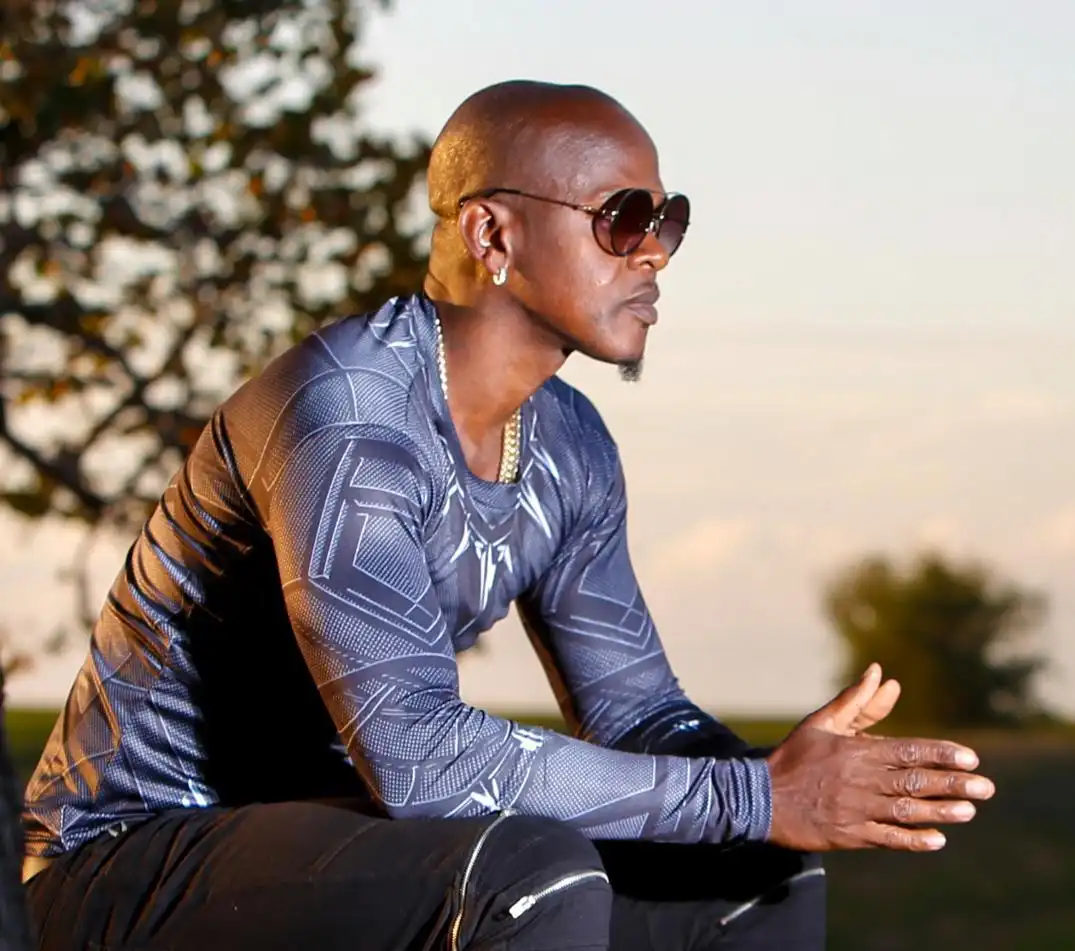
The case against Chronic Law could hinge on one question: did he ever clearly tell FBI agents he wanted to stop talking?
That fight is heading to a federal courtroom on December 9, where the dancehall artiste’s legal team is trying to get key evidence thrown out before a trial even begins.
Presiding judge W. Louis Sands has ordered both the defence and US prosecutors to file their briefs by December 8.
The hearing the next day will deal with a motion to suppress filed by Chronic Law’s attorney, Ana Davide, who is going after three separate categories of evidence.
The first is the most basic piece of the case, the guns themselves. They were found in the car Chronic Law was driving when he was stopped for a traffic violation, and Davide argues the search that turned them up was illegal under the Fourth Amendment.
Prosecutor Shiante McMahon sees it very differently. She says the search happened as part of the inventory process before the vehicle was impounded, and that the artiste was told he was being detained.
That distinction carries real weight in US courts. Inventory searches of impounded vehicles are generally treated as an exception to the warrant requirement, so the judge’s reading of what happened during that stop could decide if the guns stay in play.
Davide’s second target is evidence of gang activity provided by FBI Special Agent Andrew Nelson. Keeping that material away from a jury could shape how the entire case is framed, and the defence clearly sees it as a separate threat from the gun evidence itself.
The third category is where things get personal. Davide wants the court to suppress statements Nelson collected on January 12 and July 6, in which Chronic Law reportedly said the guns were his.
According to the defence, those interviews violated his Fifth Amendment right against self-incrimination. Davide says the questions were framed to elicit damaging answers and that her client never waived his Miranda rights.
McMahon fired back on Thursday. She told the court Chronic Law was read his Miranda rights on both occasions and still chose to keep talking instead of staying silent.
Her argument leans on a well-established legal standard. Under US law, the person in custody must say clearly and unambiguously that they want questioning to stop, and McMahon says that never happened here, so the motion should be dismissed.
For fans in Jamaica and across the diaspora, the stakes are easy to see. If Judge Sands sides with the defence on even one of the three categories, the prosecution’s case could look very different by the time it reaches a jury.
If the evidence stays in, the road ahead gets much harder for the artiste. Both sides now have until December 8 to put their arguments on paper, and the dancehall world will be watching when they meet in court the following day.